Understanding Geothermal Cooling Systems
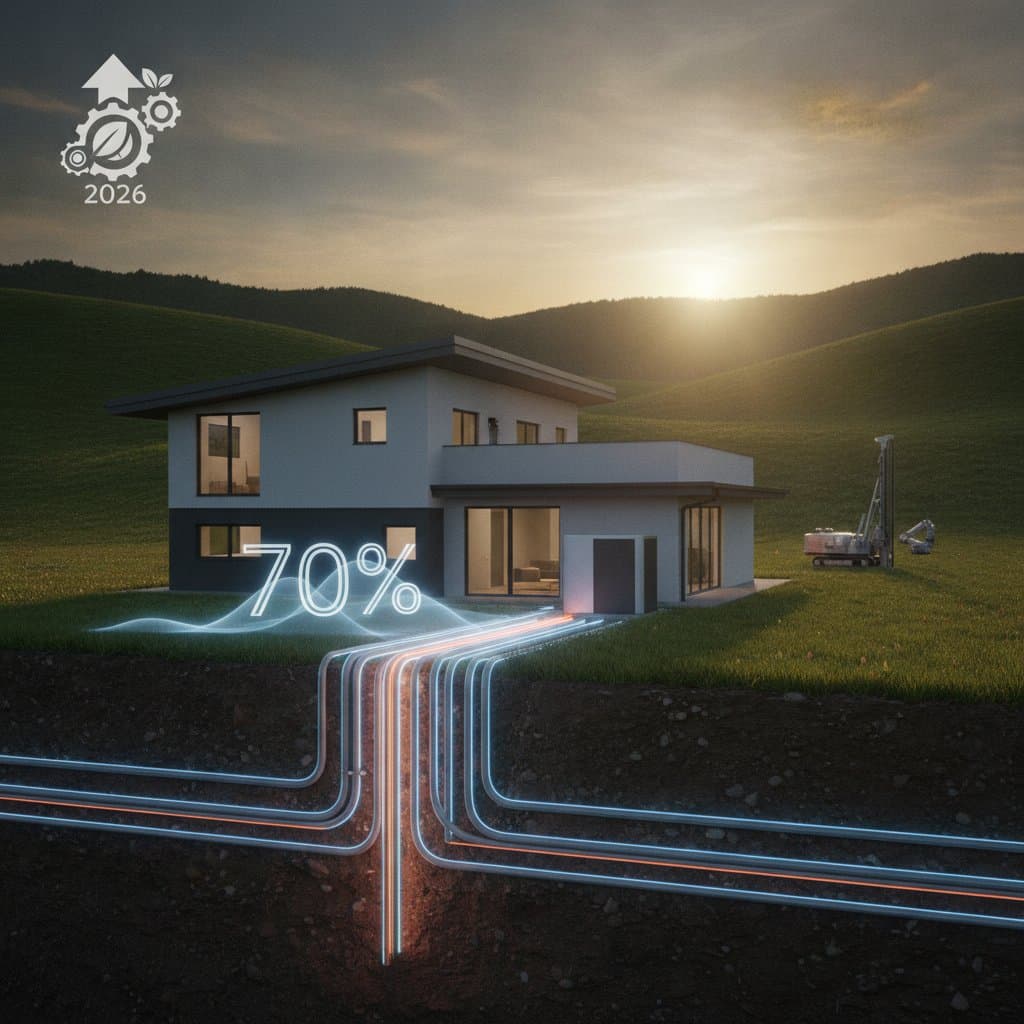
Geothermal cooling systems leverage the earth's stable underground temperatures to provide efficient air conditioning. These systems use a network of underground pipes, known as ground loops, to exchange heat with the ground. This process delivers consistent cooling without the energy spikes common in traditional air conditioners.
Homeowners benefit from reduced electricity use, quieter operation, and enhanced indoor comfort. The technology suits various property types and climates, offering a reliable alternative to conventional cooling methods. Professional installation ensures optimal performance tailored to specific site conditions.
Types of Ground Loops
The configuration of ground loops varies based on property characteristics and site conditions. Each type optimizes heat exchange while minimizing installation challenges.
- Vertical Loops: Best for properties with limited space or rocky terrain. Installers drill boreholes 100 to 400 feet deep and insert pipes filled with a water-antifreeze mixture.
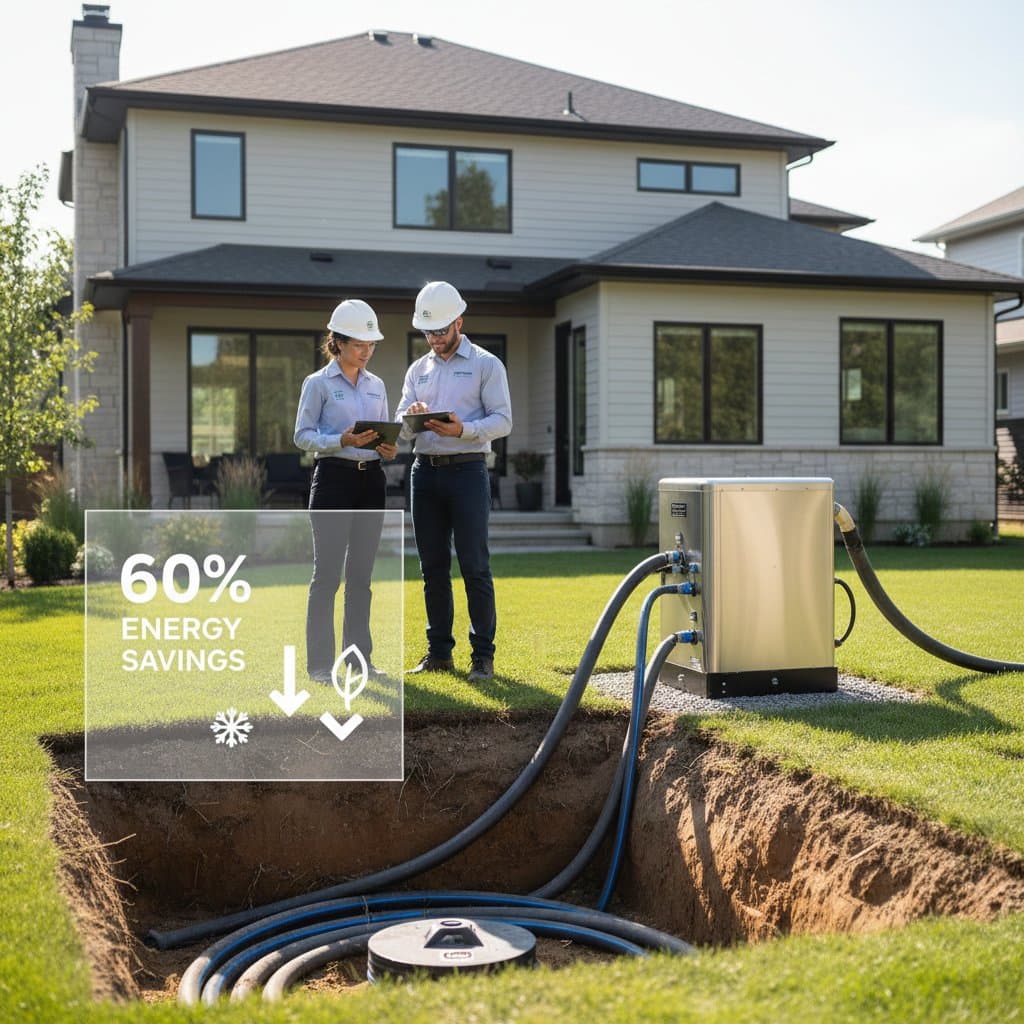
- Horizontal Loops: Appropriate for larger lots with accessible soil. Trenches dug 4 to 6 feet deep accommodate pipes laid in a grid pattern across the area.
- Pond or Lake Loops: Viable near stable water bodies. Coils submerged 8 to 10 feet deep utilize the water's thermal mass for effective heat transfer.
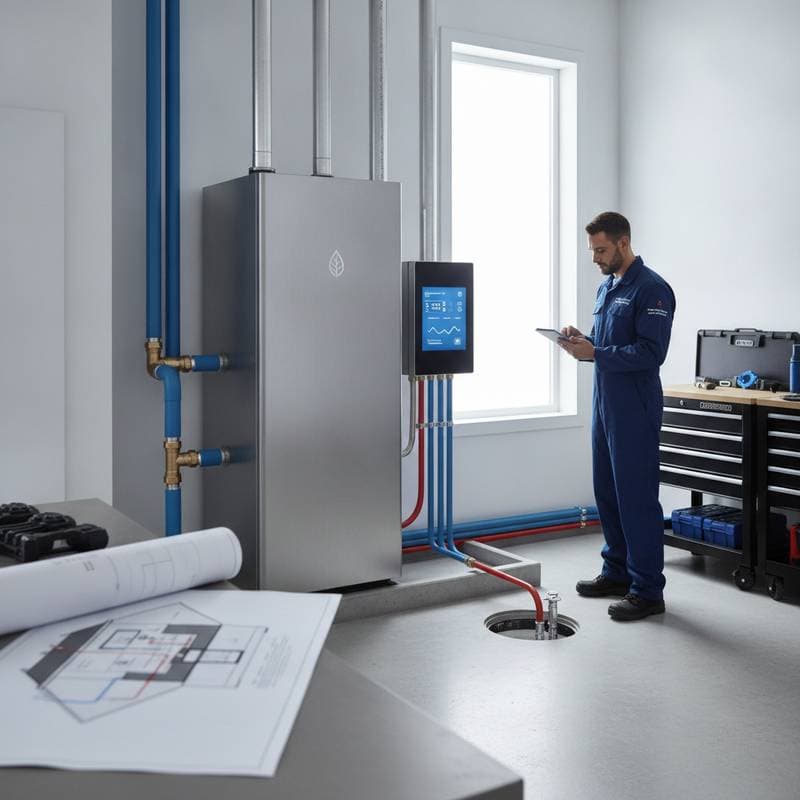
During the planning phase, a certified installer conducts a thorough site evaluation. This includes analyzing soil type, groundwater presence, and available space. The assessment also accounts for the home's size, insulation quality, and cooling needs to size the system accurately.
Cost Breakdown and Return on Investment
Initial expenses for geothermal cooling exceed those of standard air conditioners. Complete installations range from $20,000 to $40,000, influenced by system capacity, loop type, and site preparation requirements. Excavation in challenging soils can increase costs, but incentives often offset the outlay.
Operational savings stem from the system's efficiency. Geothermal units consume 25 to 50 percent less electricity than air-source alternatives. Annual energy reductions typically reach 40 to 60 percent, translating to hundreds of dollars in yearly savings.
Over time, the investment pays off. The indoor heat pump lasts 20 to 25 years, while ground loops endure 50 years or more with little upkeep. Compared to traditional units that last 10 to 15 years and demand regular repairs, geothermal offers superior longevity.
Additional factors accelerate payback. Federal tax credits cover up to 30 percent of costs, and some states provide rebates. The system also boosts home resale value by 5 to 10 percent, appealing to energy-conscious buyers. For long-term residents, full recovery often occurs within 5 to 10 years.
Integration into Home Design
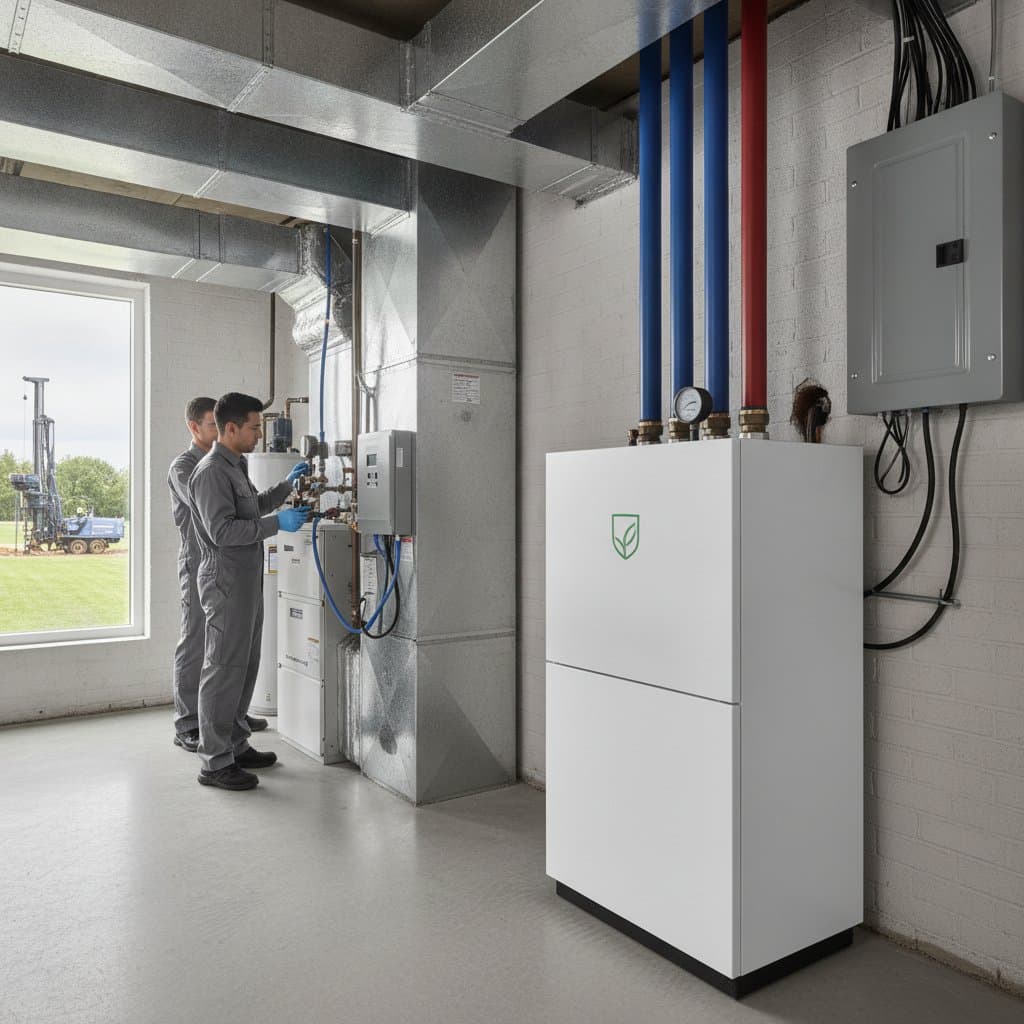
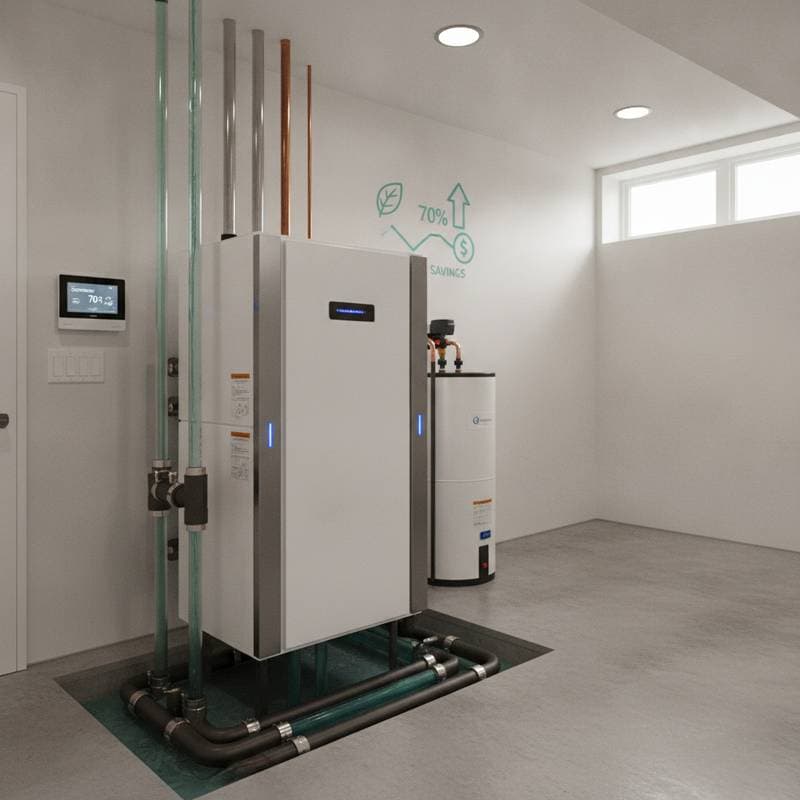
Geothermal systems enhance architectural flexibility. The indoor heat pump unit fits discreetly in basements, garages, or utility spaces, eliminating noisy outdoor compressors that disrupt aesthetics.
In new builds, incorporate loops during foundation work to streamline installation and cut expenses by 20 to 30 percent. For existing homes, options include directional drilling under driveways or utilizing backyard areas, followed by landscape restoration.
Pair the system with hydronic radiant flooring for even cooling distribution. Cool water circulates through embedded tubes, eliminating hot spots and drafts. This setup provides gentle, whole-home comfort without reliance on forced-air ducts.
Advanced controls elevate performance. Smart thermostats learn occupancy patterns and adjust temperatures automatically. Zoning capabilities allow customized cooling in different rooms, further optimizing energy use.
Key Factors Affecting Installation
Project outcomes depend on several site-specific elements. Understanding these helps set realistic expectations.
- Soil Composition: Loose, sandy soils simplify digging, while clay or bedrock demands specialized equipment and raises costs.
- Groundwater Levels: Higher moisture content enhances thermal conductivity, improving overall efficiency.
- Available Land: Ample space favors horizontal loops, which prove more economical than vertical drilling.
- Heating and Cooling Load: Homes over 2,500 square feet or with outdated insulation require larger capacities.
- Regional Climate: Systems excel in areas with extreme summers, where ground temperatures remain 55 to 60 degrees Fahrenheit.
Select installers certified by the International Ground Source Heat Pump Association. Request itemized quotes that detail labor, materials, and warranties. This ensures compliance with building codes and manufacturer specifications.
Environmental and Efficiency Benefits
Geothermal cooling advances sustainable home practices. It draws on renewable ground heat, reducing reliance on fossil fuel-derived electricity.
Notable advantages include:
- Superior Efficiency: Coefficients of performance reach 3.5 to 4.5, producing four units of cooling per unit of electricity.
- Lower Carbon Footprint: Operations cut greenhouse gas emissions by 50 to 70 percent compared to conventional systems.
- Long-Term Reliability: Loops resist corrosion and require no replacement over decades.
- Minimal Resource Use: Closed-loop designs recirculate antifreeze solutions without depleting water sources.
Beyond efficiency, the system regulates humidity effectively. It removes moisture without over-drying the air, fostering healthier indoor environments. Reduced static and allergen circulation contributes to overall well-being.
Professional Insights and Maintenance Tips
Industry experts recommend aligning geothermal adoption with home energy audits. Enhancing insulation in walls, attics, and windows can amplify savings by 15 to 25 percent. Addressing drafts prevents unnecessary system strain.
Maintenance remains straightforward to sustain peak operation.
- Inspect and replace air filters quarterly to maintain airflow.
- Arrange yearly professional checks for refrigerant levels and pump function.
- Clean ducts biennially to prevent efficiency losses from buildup.
- Calibrate thermostats seasonally for precise temperature control.
Integrate geothermal with broader upgrades, such as energy-efficient appliances and solar integration. This comprehensive approach minimizes utility expenses and supports environmental goals.
Frequently Asked Questions
How does geothermal cooling compare to air-source heat pumps?
Geothermal systems interact with stable ground temperatures, achieving higher efficiency than air-source models that contend with variable outdoor air.
Does geothermal work in all climates?
Yes, consistent subsurface temperatures ensure reliable performance from arid deserts to humid tropics.
What level of maintenance does the system need?
Basic tasks include filter changes and annual tune-ups; no complex servicing is required.
Will installation disrupt my landscape?
Temporary excavation occurs, but restoration restores the yard fully, leaving loops buried and unseen.
How long does the process take?
Projects span one to four weeks, varying with loop type and site access.
Is pairing with solar panels feasible?
Yes, solar generation powers the system, enabling off-grid or net-zero energy homes.
Does it affect home value upon sale?
It enhances appeal, often increasing market price due to proven savings and green credentials.
Steps to Adopt Geothermal Cooling
Start by consulting local experts for a free assessment. Review financing options, including loans and incentives, to manage upfront costs. Once installed, track energy usage to quantify benefits and adjust habits for maximum efficiency.
This investment transforms summer living into a comfortable, affordable experience. Steady temperatures and lower bills create lasting value for your home and the planet.