Introduction to Hydrogen-Ready Homes
Hydrogen-ready homes integrate advanced heating systems designed to transition from natural gas to hydrogen fuel with minimal modifications. This approach addresses climate challenges by enabling low-carbon energy use in residential settings. Homeowners benefit from a seamless shift that preserves existing appliances and routines while aligning with global sustainability targets.
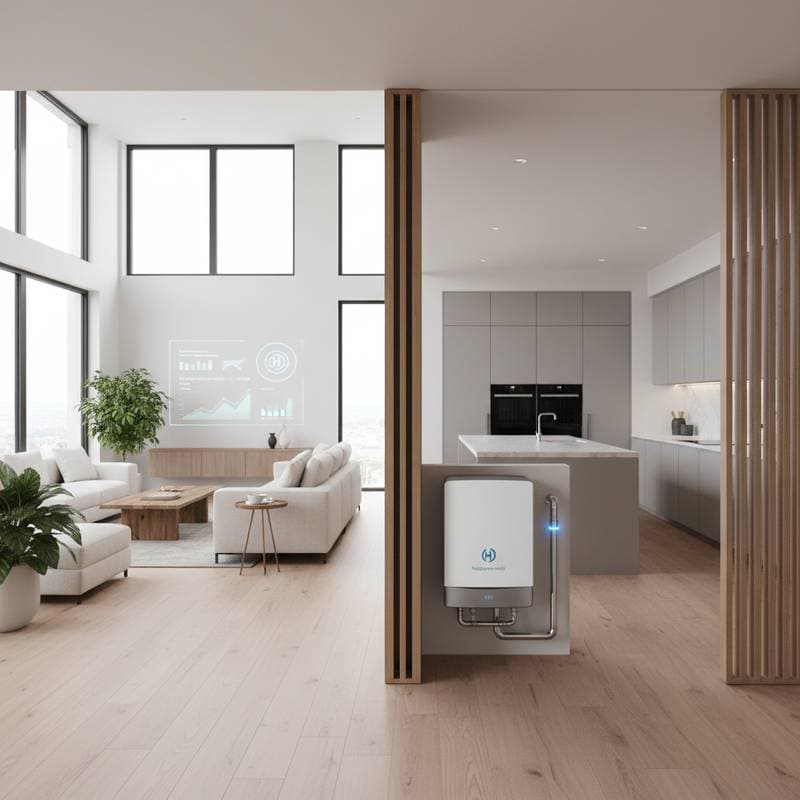
These homes equip boilers and infrastructure to handle hydrogen, a clean-burning fuel produced through renewable processes. As governments and energy providers invest in hydrogen networks, adoption becomes practical for urban and rural properties alike. The result offers a pathway to net-zero emissions without requiring extensive renovations or behavioral adjustments.
Key Benefits of Adopting Hydrogen Heating
One primary advantage lies in carbon reduction. Hydrogen combustion produces water vapor instead of carbon dioxide, drastically lowering household emissions compared to traditional gas heating. For a typical family home, this switch can eliminate thousands of kilograms of CO2 annually, contributing to broader environmental goals.
Property values also rise with hydrogen readiness. Markets increasingly favor energy-efficient homes, and certifications for hydrogen compatibility signal forward-thinking design. Real estate analyses indicate potential value increases of 5 to 10 percent in regions with hydrogen infrastructure plans, attracting eco-conscious buyers.
Lifestyle remains unchanged, as hydrogen boilers operate similarly to gas units, delivering instant hot water and consistent warmth. Installation involves swapping compatible components during routine maintenance, avoiding disruptions. This familiarity encourages widespread adoption, particularly in older buildings where full electrification proves challenging.
Safety features further enhance appeal. Hydrogen systems incorporate advanced leak detection and ventilation standards, ensuring reliability comparable to existing gas setups. Regulatory bodies enforce rigorous testing, building public confidence in the technology.
Energy Market Trends
Green hydrogen production scales rapidly through electrolysis powered by renewable sources like wind and solar. Costs decline as production facilities expand globally, with projections showing price parity with natural gas by the mid-2020s. This affordability improves return on investment for homeowners, making hydrogen heating economically viable.
Supply chains strengthen as international agreements promote hydrogen hubs. In Europe and North America, pilot projects demonstrate network feasibility, supplying homes via modified pipelines. These developments reduce dependency on fossil fuels, stabilizing energy prices amid geopolitical shifts.
Investment flows into research for efficient storage and distribution, addressing current challenges. By 2026, widespread availability will support residential integration, fostering a resilient energy ecosystem.
Expert Validation and Actionable Takeaways
Experts in heating and energy sectors concur that hydrogen serves as a vital complement to electrification strategies. Heat pumps excel in insulated structures, yet hydrogen boilers offer robust performance for homes with substantial heating needs, such as those in colder climates or with poor insulation.
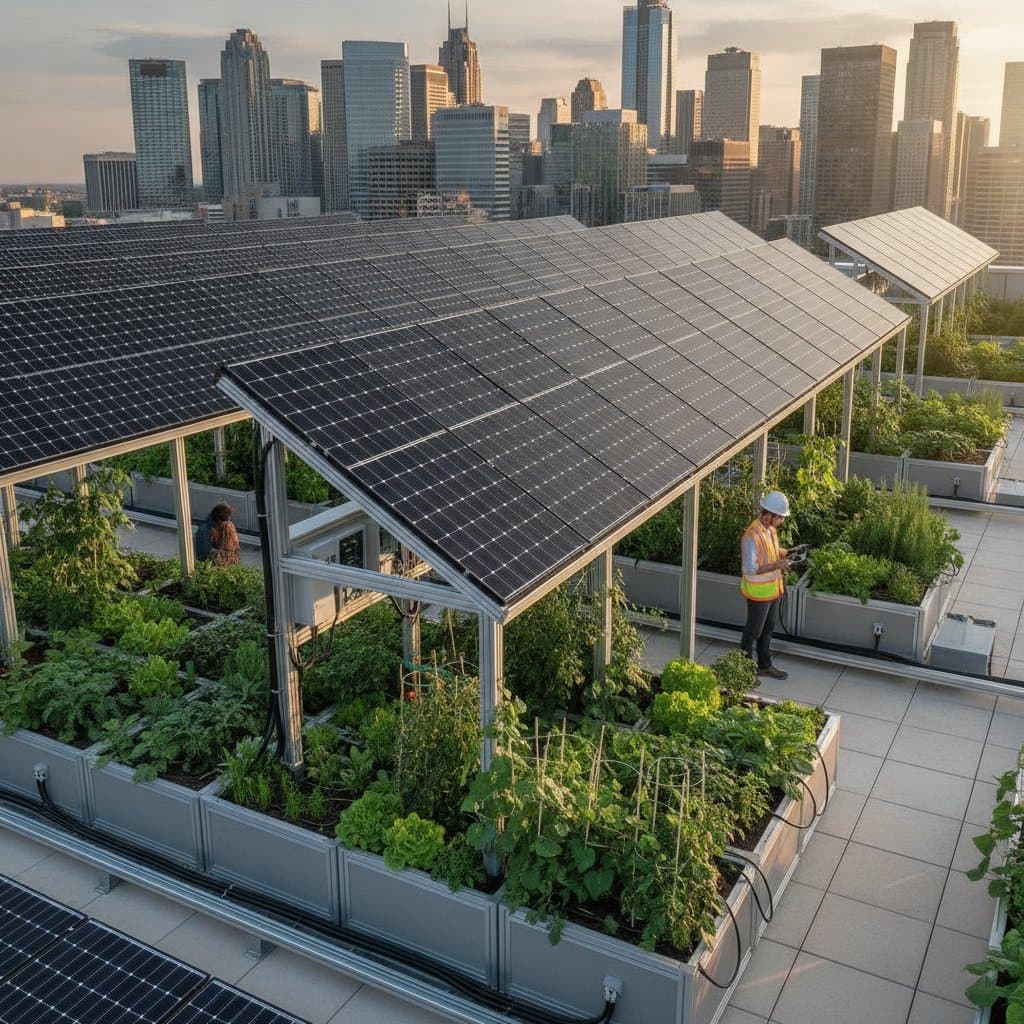
Professionals emphasize hybrid approaches, blending hydrogen with solar panels or batteries for optimal efficiency. This combination minimizes costs while maximizing renewable integration, providing a balanced path to sustainability.
Practical steps homeowners can take today:
-
Select a hydrogen-ready boiler during replacement of aging gas equipment to future-proof the system.
-
Arrange a professional energy assessment to determine compatibility and identify efficiency opportunities.
-
Improve insulation and ventilation to enhance performance across fuel types and reduce overall energy demands.
-
Monitor local hydrogen initiatives and incentives, such as grants for upgrades in participating regions.
-
Consider hybrid setups integrating hydrogen heating with renewable electricity sources for comprehensive sustainability.
These measures build adaptability, allowing homes to evolve with advancing energy landscapes.
Steps to Implement Hydrogen Heating
Homeowners initiate the process by consulting certified installers familiar with hydrogen technologies. Initial evaluations assess pipeline access and boiler compatibility, often revealing simple retrofit options. Funding through energy rebates accelerates progress, offsetting upfront expenses.
Community involvement grows through local workshops and demonstrations, demystifying the technology. Participants gain insights into maintenance routines, which mirror current practices, ensuring long-term ease.
Businesses and utilities collaborate on infrastructure rollouts, prioritizing high-density areas. This coordinated effort minimizes individual burdens, embedding hydrogen into everyday energy provision.
Building a Sustainable Home Future
Embracing hydrogen heating fosters resilience against energy volatility and climate impacts. Homeowners secure reliable warmth while supporting planetary health, creating lasting value for families and communities. This transition positions residences as active contributors to a cleaner world, blending innovation with enduring comfort.