Geothermal Leads the 2026 Cooling Revolution
Summer heat prompts many to adjust thermostats for relief. Consider a cooling system that maintains steady comfort while slashing energy bills by nearly half. In residential and commercial settings, geothermal systems redefine efficient cooling. Homeowners, builders, and facility managers seek sustainable options that balance performance and dependability. Geothermal technology positions itself as the frontrunner in energy-efficient climate management.
Essential Advantages
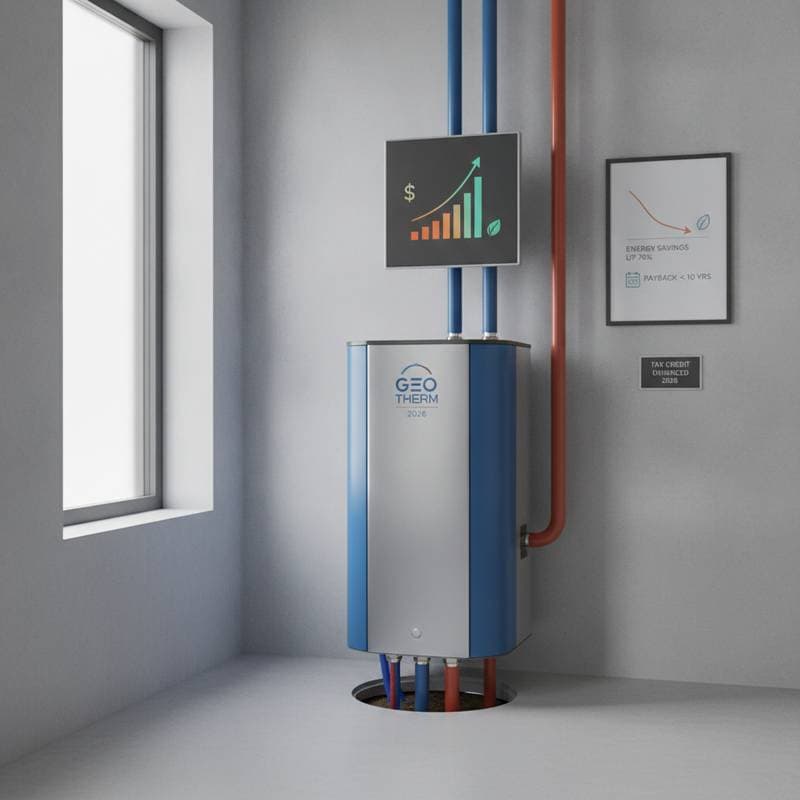
- Geothermal heat pumps decrease cooling energy consumption by up to 45 percent relative to conventional air-source systems.
- Operating expenses range from 30 to 60 percent lower, thanks to consistent underground temperatures.
- Indoor components last beyond 25 years, while ground loops endure over 50 years, yielding enduring value.
- Federal and local incentives offset 20 to 40 percent of upfront costs, accelerating payback periods.
- Uniform efficiency across climates avoids the performance fluctuations typical of standard HVAC equipment.
Efficiency Metrics in Detail
Reports from energy organizations and engineering experts highlight geothermal systems achieving 25 to 50 percent higher efficiency than premium air-source heat pumps. During cooling operations, these systems attain energy efficiency ratios above 30, surpassing the approximately 15 for typical units. Such gains directly lower electricity usage and ease peak load pressures.
Research from the International Ground Source Heat Pump Association indicates geothermal users realize annual savings of $400 to $1,200 on combined cooling and heating, varying by building size and local rates. Commercial properties experience even larger reductions, potentially tens of thousands of dollars yearly in high-demand areas. Environmentally, geothermal setups emit nearly 70 percent less in greenhouse gases than traditional HVAC, as they transfer heat using electricity rather than producing it. This appeals to environmentally aware individuals and organizations focused on compliance and reputation.
The Rising Importance of Superior Cooling
Global cooling needs escalate with population increases and warming trends in numerous areas. Standard air conditioning strains power grids and boosts carbon outputs significantly. Adopting geothermal cooling extends beyond mere savings; it reshapes building-energy dynamics.
The U.S. Department of Energy notes that air conditioning represents nearly 15 percent of household electricity use. Should one-third of homes adopt geothermal, nationwide demand could decline equivalent to several major power plants. The collective environmental gains prove substantial, while individuals enjoy reliable comfort at reduced expense.
Addressing Widespread Misconceptions
Geothermal benefits persist amid lingering doubts that discourage adoption.
Misconception: Limited to Cooler Regions
Fact: Performance remains strong in hot areas. Subsurface temperatures stay balanced, serving as effective heat reservoirs during warm months.
Misconception: Demands Extensive Land
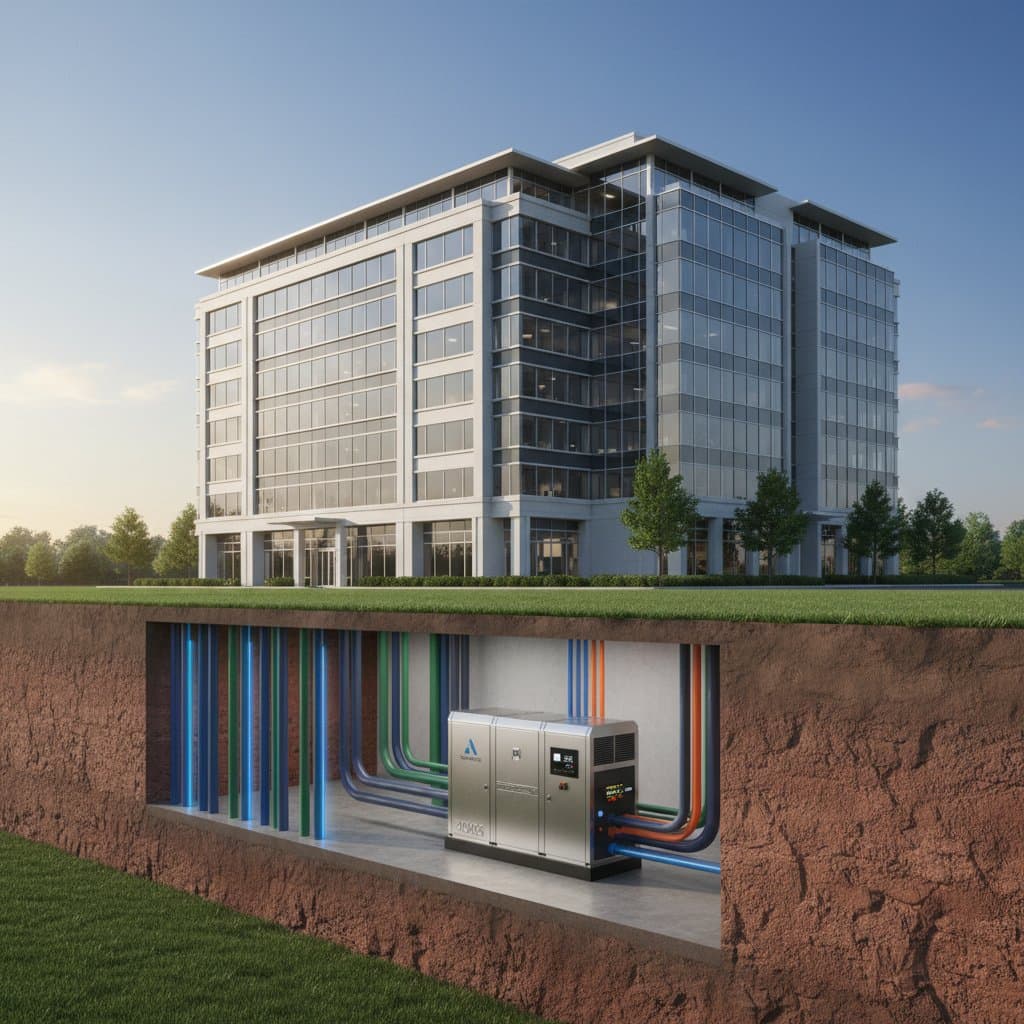
Fact: Vertical configurations use compact boreholes, suitable beneath parking areas or gardens. Urban residences integrate these systems seamlessly without altering outdoor layouts.
Misconception: Demanding Upkeep
Fact: Post-installation, maintenance proves simpler than for standard equipment. Reduced components and absence of external units limit degradation and repairs.
Misconception: Emerging and Untested
Fact: Geothermal heat pumps have served homes and large facilities for decades. Current designs refine a proven track record of durability and output.
Implementation Guide for Homeowners and Developers
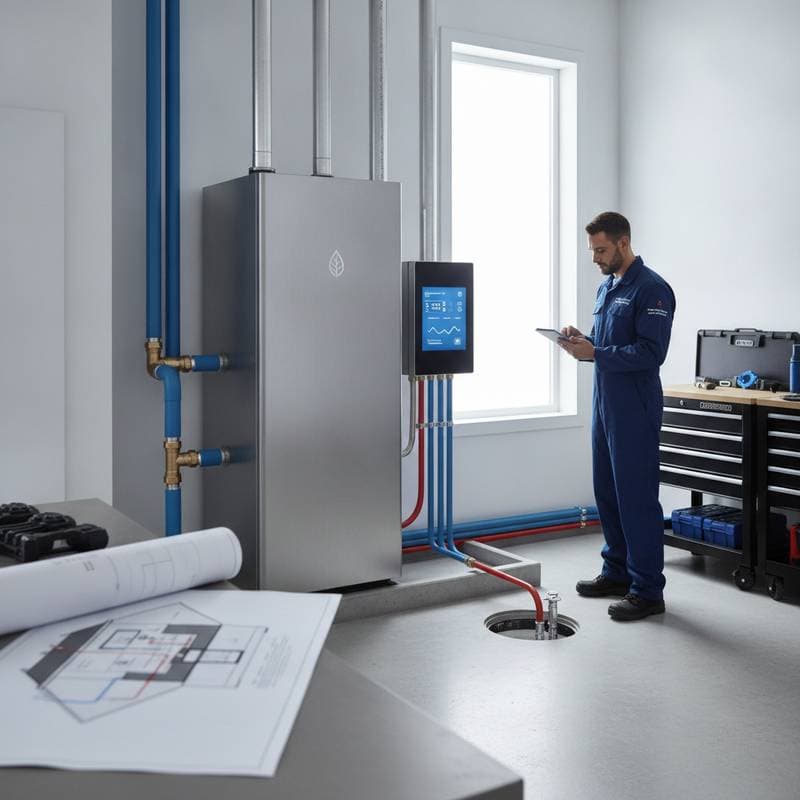
Prospective users should initiate with an expert site review. Qualified professionals examine soil types, space availability, and current setups to recommend optimal configurations.
Installation Phases
- Site Evaluation: Analyze terrain, subsurface conditions, and equipment access.
- Design Phase: Specify loop types, piping dimensions, and unit capacities.
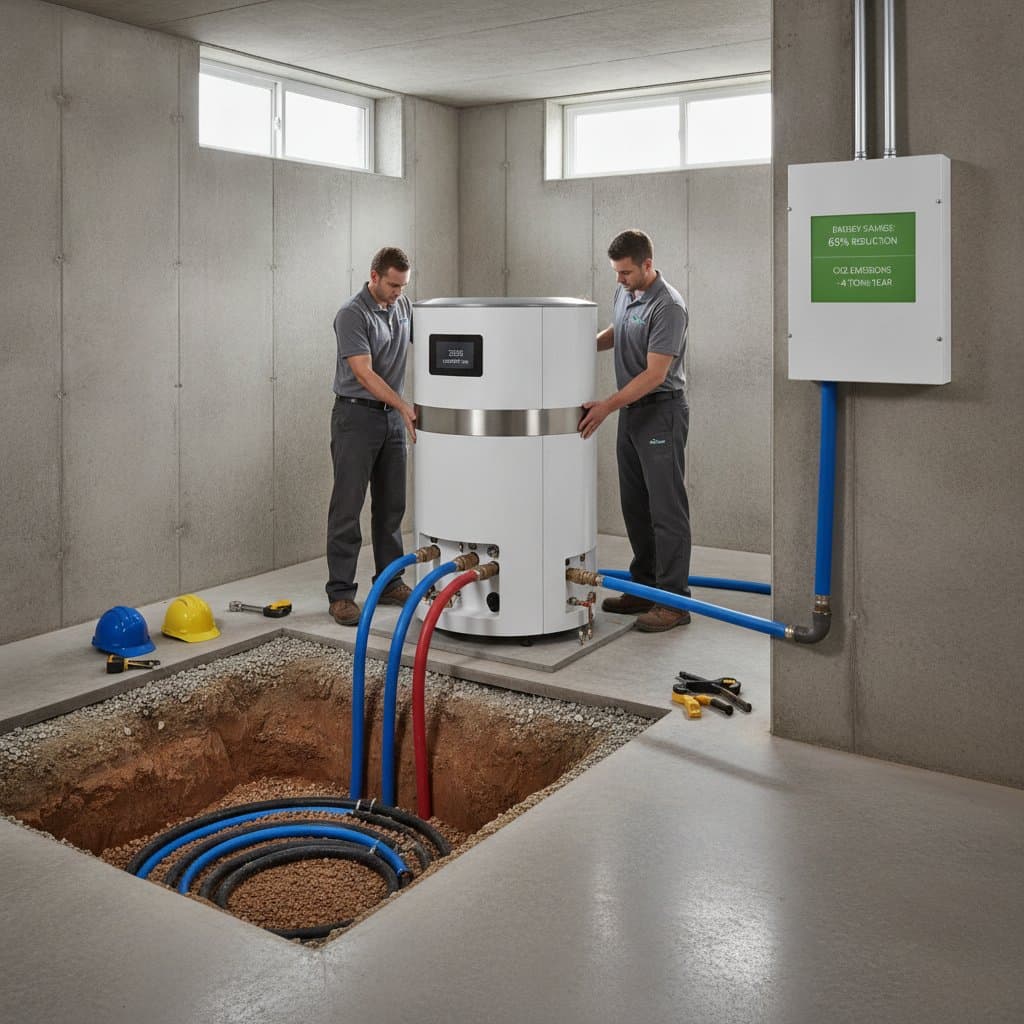
- Deployment: Place and secure loops, then test connections prior to full assembly.
- Activation: Fine-tune operations and establish performance metrics.
- Ongoing Oversight: Employ intelligent controls to monitor consumption and benefits.
Retrofit options pair geothermal with existing vents, shortening timelines and expenses. New builds allow preemptive loop placement during groundwork, preserving site aesthetics.
Systemic Benefits for Environment and Economy
Geothermal adoption enhances personal benefits while bolstering broader sustainability. It alleviates grid peaks, balances utility demands, and curtails emissions fueling global warming.
Shared loop networks in districts amplify advantages, trimming individual setup costs by up to 25 percent and enabling growth. Businesses gain from fiscal relief and enhanced environments. Reduced operational sounds and vibrations foster better productivity. Educational, medical, and civic structures report gains in air purity and user contentment following conversions.
Emerging Developments in Geothermal Applications
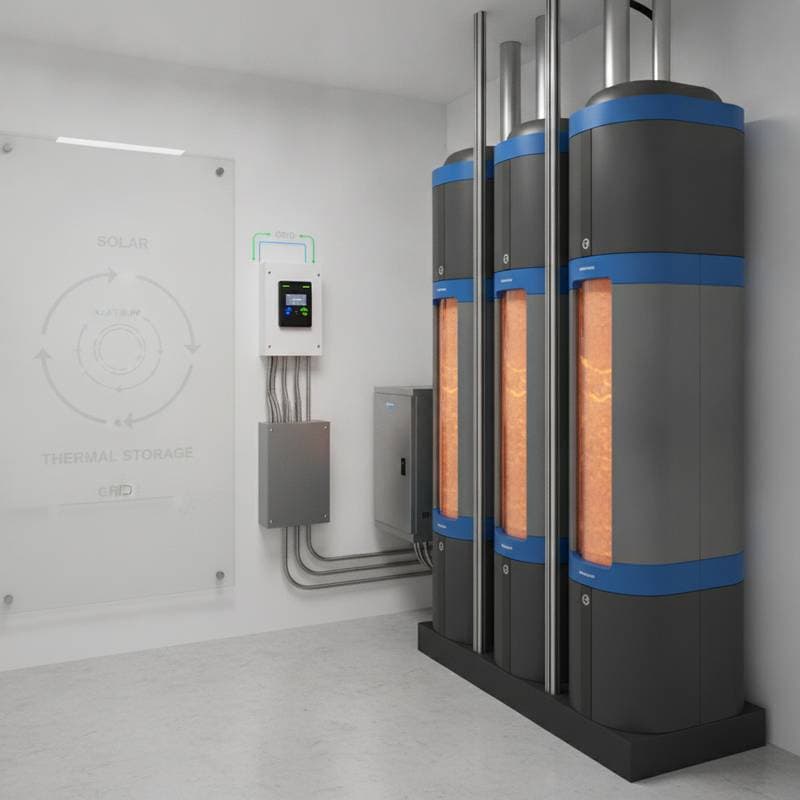
Innovations propel wider use. Adaptive compressors, grid-compatible features, and heat retention units enhance adaptability. Streamlined boring methods cut deployment expenses by 15 percent, expanding suitability.
Ongoing work integrates geothermal with photovoltaic arrays or energy reserves, forming self-sustaining cycles with limited external reliance. These progressions establish geothermal as vital to forward-thinking architecture.
Projections show installation surges in coming years, fueled by policies and preferences for dependable, economical cooling. Longevity, ease, and ecological merits render it a resilient HVAC choice.
Steps to Adopt Geothermal Cooling
Begin by consulting certified installers for tailored assessments. Review incentive programs to maximize financial support. Integrate smart monitoring for sustained optimization. This approach secures immediate efficiencies and future readiness in climate management.