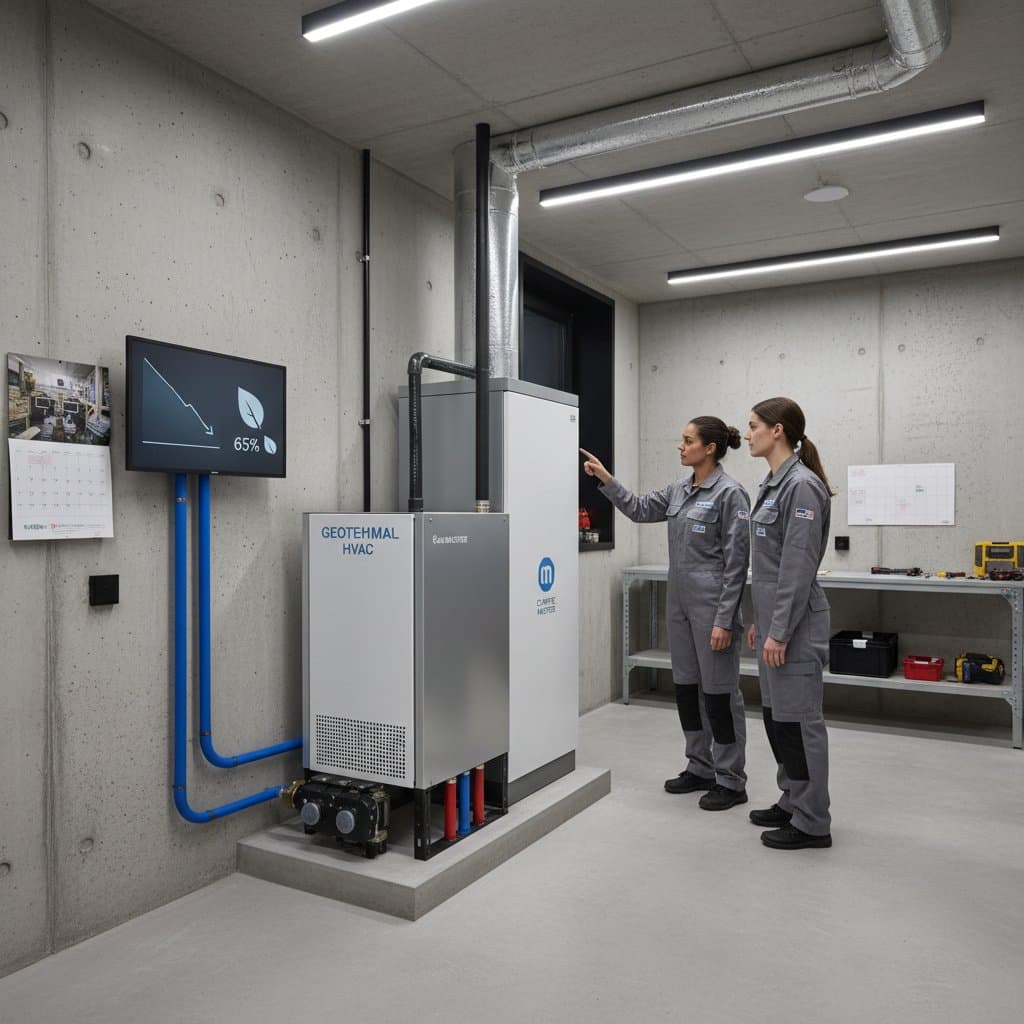
Tax Credits Cut Geothermal HVAC Costs by 65 Percent
Rising energy costs challenge homeowners to balance comfort with financial prudence. Geothermal heating, ventilation, and air conditioning (HVAC) systems offer a reliable solution through efficient ground-source heat exchange. Federal tax credits scheduled for 2026 significantly reduce upfront expenses, making this technology accessible to more households.
Geothermal systems utilize stable underground temperatures to heat and cool homes, unlike traditional systems that rely on outdoor air fluctuations. This approach results in consistent performance and lower operational costs over time. Homeowners benefit from reduced energy consumption, which can reach up to 65 percent compared to conventional setups.
Understanding Geothermal HVAC Technology
Geothermal HVAC systems function by circulating fluid through loops buried in the ground. During winter, the system extracts heat from the earth to warm indoor spaces. In summer, it reverses the process to dissipate excess heat back into the soil.
These systems come in two primary configurations: horizontal loops for properties with ample yard space and vertical loops for limited areas. Both designs ensure efficient heat transfer without the need for fossil fuels. Installation requires professional assessment to determine the optimal setup based on soil conditions and home size.
The core advantage lies in the earth's consistent temperature, typically between 45 and 75 degrees Fahrenheit depending on location. This stability allows geothermal units to operate with minimal electricity, primarily for pumps and fans. As a result, energy efficiency ratings often exceed 400 percent, far surpassing standard air-source heat pumps.
Federal Tax Credits in 2026
The federal government expands incentives for renewable energy adoption through the Inflation Reduction Act. Starting in 2026, homeowners installing qualifying geothermal HVAC systems receive a tax credit covering 30 percent of total costs, including equipment and labor. This credit applies to both new installations and major upgrades.
Eligibility requires systems certified by the International Ground Source Heat Pump Association. Homeowners must ensure installations meet energy efficiency standards set by the Department of Energy. The credit phases out after certain income thresholds, so consulting a tax professional proves essential.
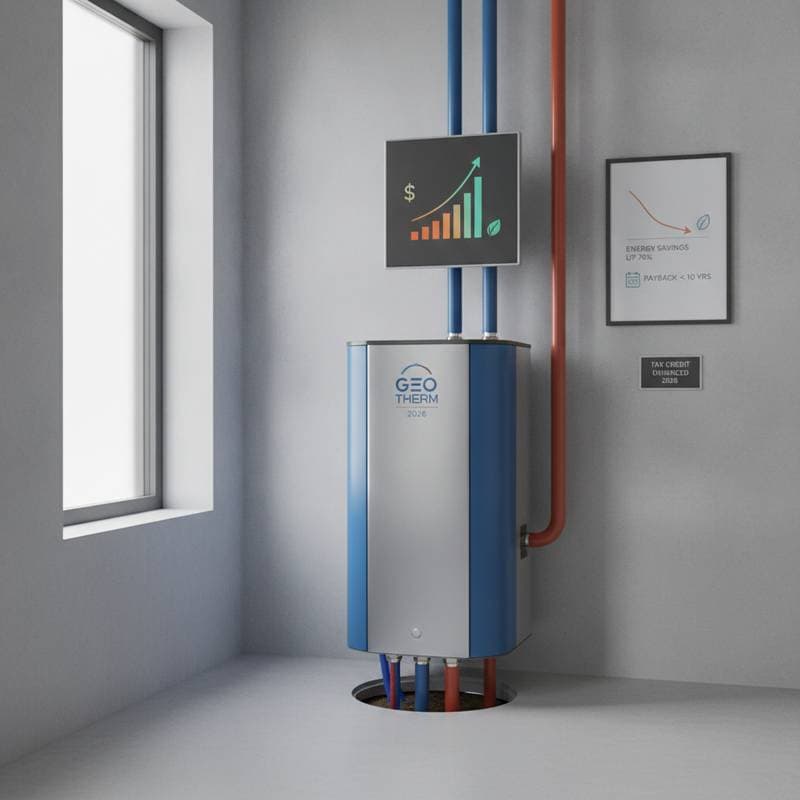
Combined with state rebates and utility incentives, total savings on initial investment can approach 65 percent. For a typical system costing $25,000 to $35,000, this translates to $16,250 to $22,750 in reductions. Such financial relief accelerates the payback period, often within five to seven years.
Calculating Your Potential Savings
To estimate benefits, begin with an energy audit of your current HVAC setup. Professional assessors identify inefficiencies and project geothermal performance tailored to your home. Tools like the Department of Energy's calculators provide preliminary figures based on square footage and climate zone.
Consider annual energy bills: average households spend $2,500 on heating and cooling. Geothermal systems reduce this by 50 to 70 percent, yielding $1,250 to $1,750 in yearly savings. Over 20 years, the lifetime of most units, cumulative gains exceed $25,000, not including tax credits.
Maintenance costs also drop significantly. Geothermal systems require filter changes and annual inspections, totaling under $200 per year. Traditional units demand more frequent repairs for components exposed to weather extremes.
- Step 1: Gather quotes from certified installers for system sizing and cost.
- Step 2: Review federal and local incentives using official government resources.
- Step 3: Factor in long-term energy reductions based on your utility rates.
- Step 4: Compare total ownership costs against current system expenses.
Installation Process and Considerations
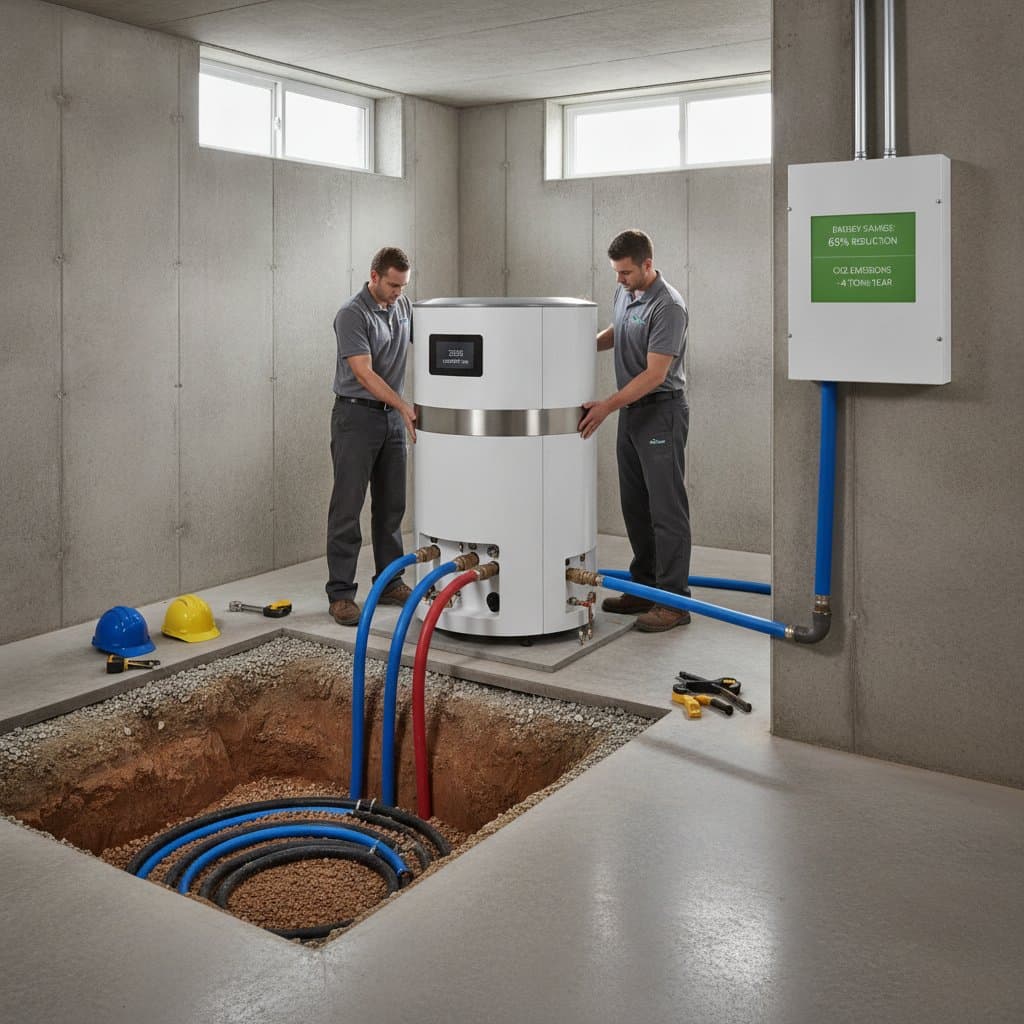
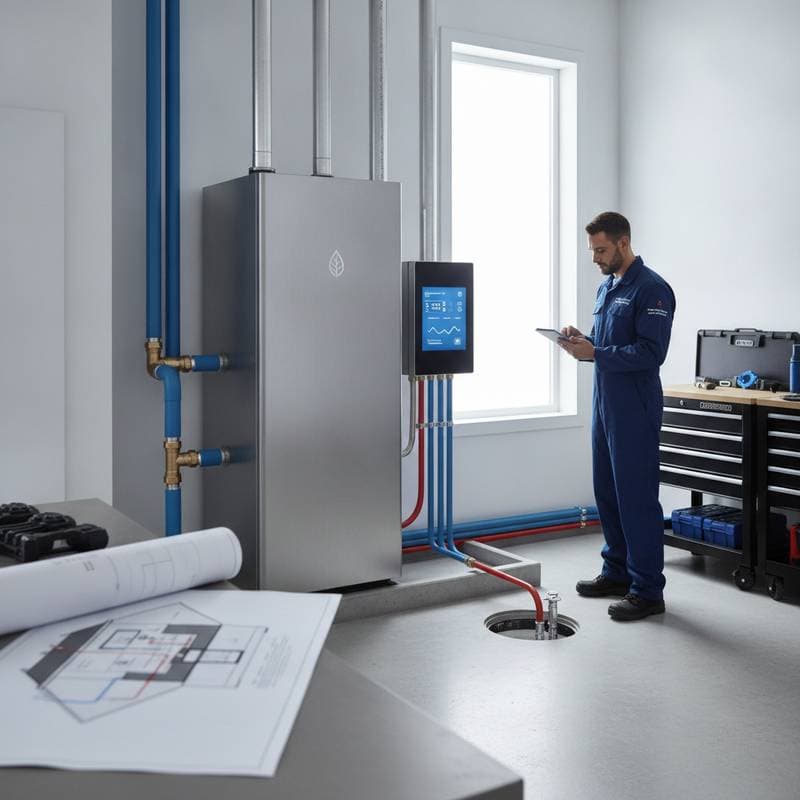
Professional installation spans several weeks, starting with site evaluation. Teams drill or trench for ground loops, then connect the indoor heat pump unit. Disruptions remain minimal, with most work occurring outdoors.
Permitting varies by locality; some areas mandate environmental reviews for groundwater impact. Choose contractors experienced in geothermal projects to navigate these requirements smoothly. Post-installation, systems integrate seamlessly with existing ductwork or hydronic setups.
Home value increases follow installation. Appraisers recognize the energy efficiency and durability, often adding 5 to 10 percent to resale prices. In eco-conscious markets, this premium rises higher, appealing to buyers seeking sustainable features.
Environmental and Comfort Benefits
Geothermal HVAC contributes to lower carbon emissions by reducing reliance on gas or electric resistance heating. Each system avoids thousands of pounds of CO2 annually, supporting broader climate goals. Quiet operation enhances indoor tranquility, with noise levels below 50 decibels.
Consistent temperatures eliminate hot and cold spots common in forced-air systems. Advanced models include zoning for customized comfort in different rooms. Integration with smart thermostats allows remote control and optimization for peak efficiency.
Health improvements arise from superior air filtration. Geothermal units pair with high-efficiency filters that capture allergens and pollutants. This setup promotes better respiratory health, particularly in regions with poor outdoor air quality.
Steps to Adopt Geothermal HVAC
Start by researching certified professionals through industry directories. Request multiple bids to compare warranties and financing options. Many lenders offer green energy loans with favorable terms for qualified installations.
Schedule a consultation to discuss your home's layout and energy needs. Review incentive applications during this phase to streamline tax credit claims. Post-installation, monitor performance through built-in diagnostics for optimal results.
- Conduct a home energy assessment.
- Select a qualified installer.
- Apply for available incentives.
- Proceed with installation and testing.
- Track savings and maintenance schedules.
Long-Term Value of Geothermal Investment
Investing in geothermal HVAC positions homeowners for sustained financial and environmental gains. The combination of tax credits and efficiency yields rapid returns while enhancing daily living standards. As energy prices fluctuate, this technology provides stability and foresight.
Communities embracing renewables see collective benefits, from reduced grid strain to improved air quality. Individual adoption drives these changes, starting with informed decisions today. Geothermal systems represent a practical step toward resilient, comfortable homes.