Key Points
- Geothermal HVAC systems leverage the consistent underground temperature to provide efficient heating and cooling for homes.
- These systems reduce energy bills by up to 50 percent when compared to traditional HVAC options.
- Although upfront installation expenses are elevated, the long-term financial returns, extended durability, and ecological advantages justify the investment.
- Thorough site evaluation, precise system sizing, and expert installation ensure optimal operation and longevity.
The Promise of Geothermal Comfort
Imagine entering your home after enduring a sweltering summer day. The interior air maintains a refreshing coolness without the constant roar of a power-hungry unit. This scenario becomes reality through geothermal HVAC systems, which extract thermal energy directly from the earth to regulate indoor temperatures.
Homeowners increasingly seek solutions that balance comfort, cost, and environmental responsibility. Geothermal technology addresses these needs by utilizing a renewable resource available year-round. The result is a reliable system that enhances daily living while minimizing energy demands.
Understanding Geothermal Technology
Conventional HVAC systems depend on fluctuating outdoor air temperatures, leading to higher energy consumption during extreme weather. In contrast, geothermal systems access the earth's stable subsurface temperatures, typically ranging from 45 to 75 degrees Fahrenheit depending on location. This steady baseline allows the system to transfer heat with minimal effort.
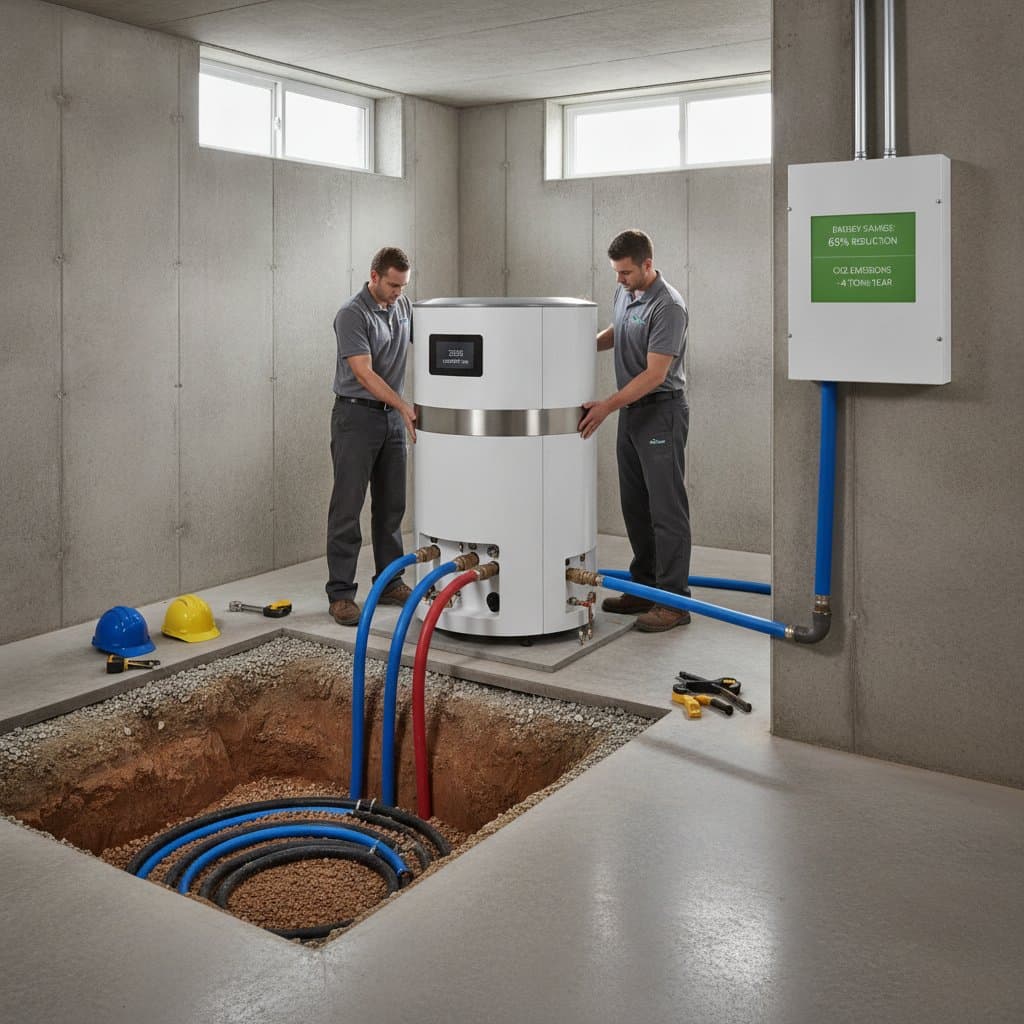
A geothermal heat pump serves as the core component, circulating a fluid through buried loops of pipe to absorb or release heat. During winter, the system pulls warmth from the ground into the home. In summer, it expels excess indoor heat back into the earth. This process achieves efficiencies two to three times higher than standard air-source heat pumps.
Financial and Environmental Benefits
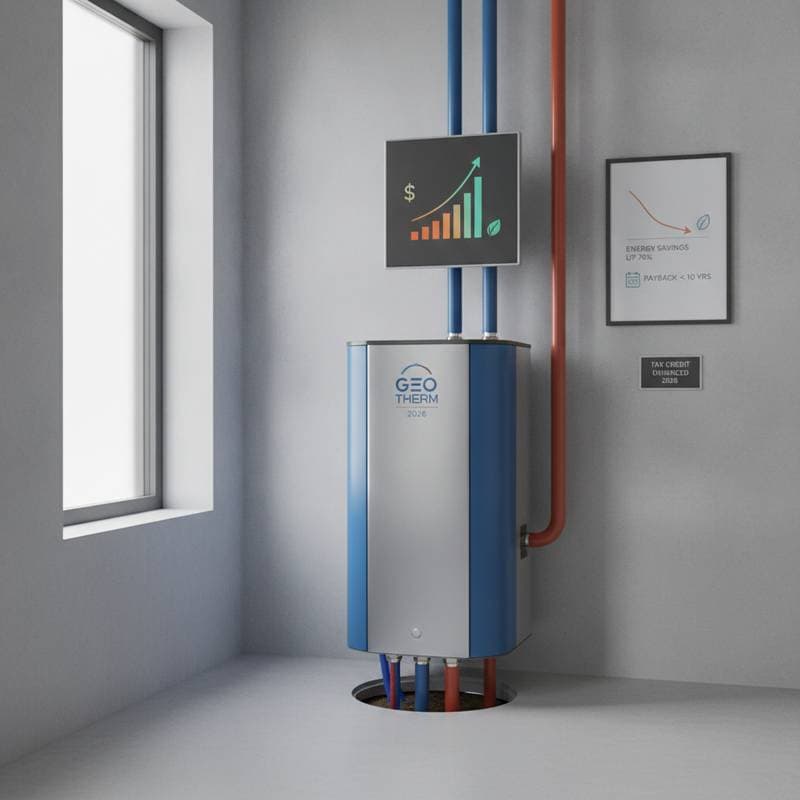
The economic case for geothermal HVAC stands out clearly. Initial costs range from $15,000 to $35,000, influenced by factors such as home square footage, loop configuration, and local soil characteristics. However, operational savings reach 30 to 70 percent on heating and cooling expenses, often recouping the investment within five to ten years.
Beyond finances, these systems promote sustainability. They reduce reliance on fossil fuel-based electricity, lowering carbon emissions by up to 70 percent compared to traditional setups. Homeowners also benefit from improved indoor air quality, as geothermal units often incorporate advanced filtration and dehumidification features.
Essential Planning Factors
Successful geothermal adoption begins with a detailed site assessment. Professionals evaluate several elements to customize the system effectively.
- Soil Composition and Land Availability: Sandy or loamy soils facilitate easier drilling and superior heat transfer. Clay or rocky areas may require specialized equipment, increasing expenses. Horizontal loops demand 1/4 to 1/2 acre of open space, while vertical options suit compact properties.
- Loop Configurations: Choose horizontal loops for ample land, vertical for limited space, or open-loop systems if a water source like a pond exists. Each option affects both cost and efficiency.
- Integration with Existing Infrastructure: Compatible ductwork simplifies retrofits, but older homes might need modifications to maximize performance.
- Regulatory and Incentive Landscape: Local building codes dictate permitting processes. Federal tax credits, such as the 30 percent investment tax credit, and state rebates can offset costs significantly.
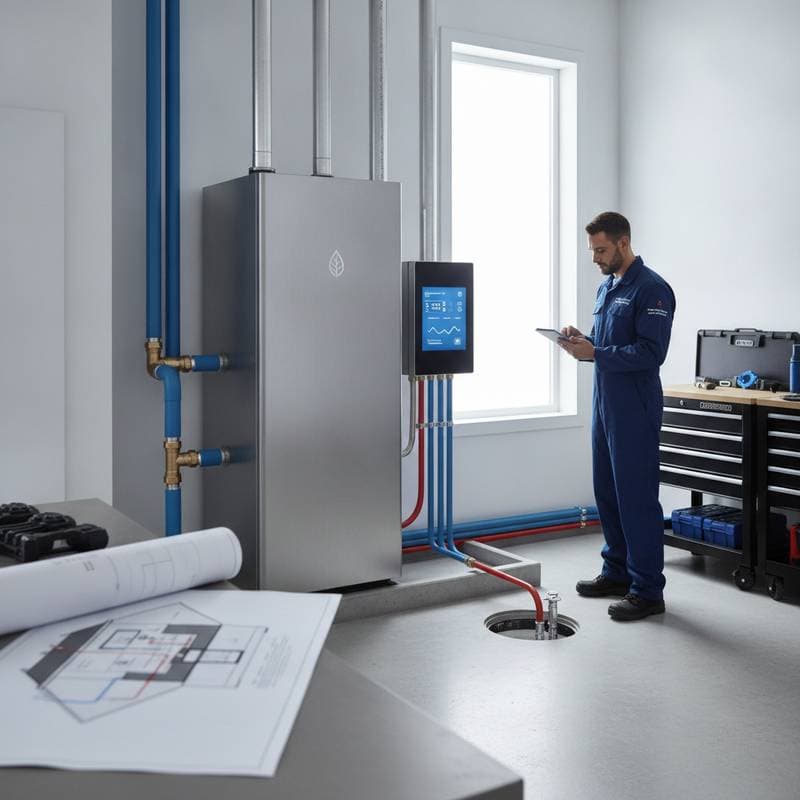
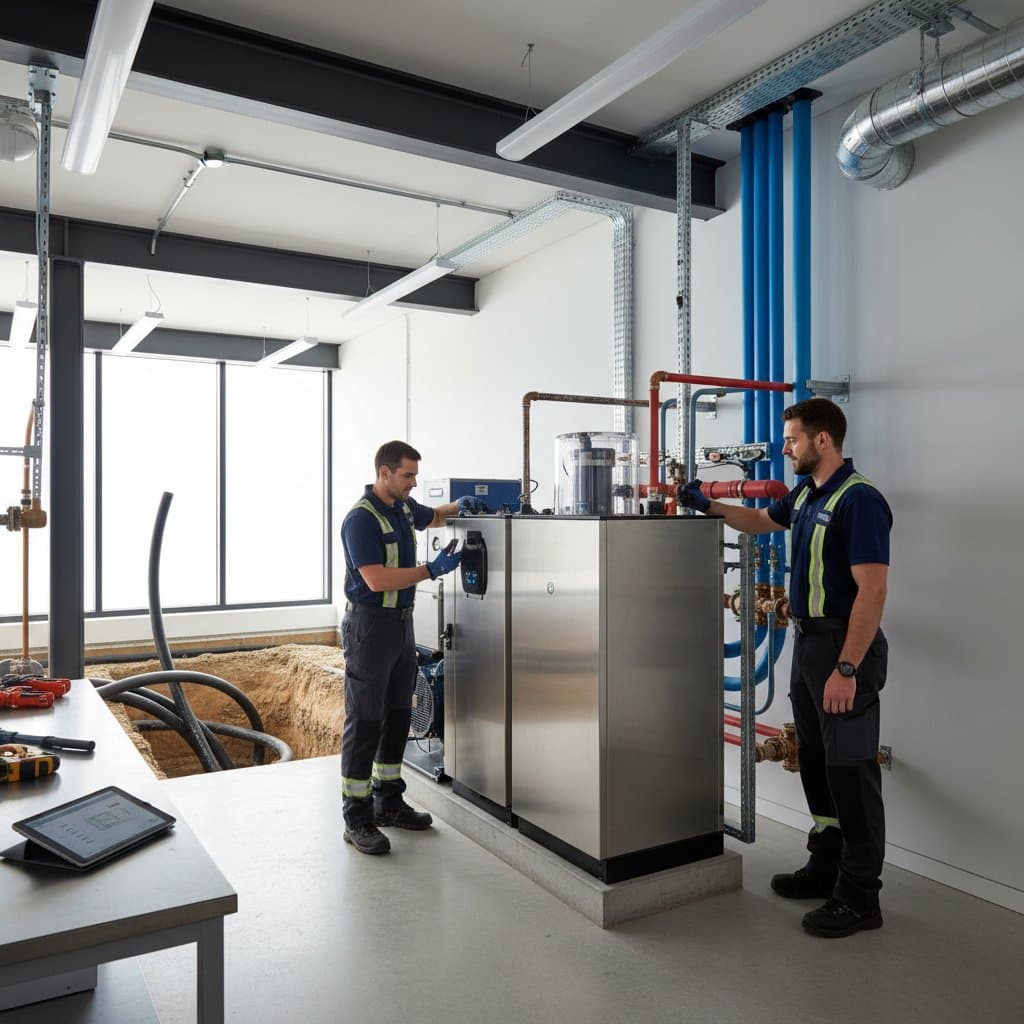
Engage a certified geothermal contractor early. They conduct heat load calculations to determine system capacity and develop a drilling strategy tailored to your property.
Detailed Cost Analysis and Return on Investment
Breaking down expenses reveals the true value of geothermal systems. Installation encompasses drilling, loop placement, heat pump unit, and labor, totaling $15,000 to $35,000 for a typical 2,000-square-foot home.
Ongoing costs drop substantially, with electricity usage 40 to 60 percent below conventional systems. Maintenance remains straightforward: annual filter replacements and professional tune-ups suffice, as underground components shield against elemental damage.
The system's durability impresses, with ground loops enduring 50 years or longer and indoor units lasting 20 to 25 years. Calculate return on investment by subtracting annual savings from the initial outlay. Incentives accelerate payback, often to under seven years, followed by decades of reduced bills and potential property value increases of 5 to 10 percent.
Enhancing Home Design with Geothermal
Geothermal systems integrate seamlessly into modern home designs for amplified efficiency. For instance, combining the heat pump with in-floor radiant heating distributes warmth evenly, eliminating cold spots and drafts.
In cooling mode, the system maintains steady temperatures without the humidity issues common in traditional air conditioning. Advanced features like variable-speed compressors adjust output to match demand, further conserving energy.
Incorporate zoning controls to heat or cool specific areas independently, ideal for multi-story homes. Smart thermostats enable remote monitoring and scheduling, optimizing performance based on occupancy patterns. These enhancements not only boost comfort but also extend equipment life through reduced strain.
Frequently Asked Questions
What space requirements apply to geothermal installations?
Horizontal loops need about 1/4 to 1/2 acre for trenching. Vertical loops minimize surface use by drilling 100 to 400 feet deep, making them suitable for urban or small-lot properties.
Does a geothermal system handle domestic hot water needs?
Yes, many include a desuperheater that redirects waste heat to preheat water, potentially reducing water heating expenses by 50 percent.
What maintenance does a geothermal system require?
Routine tasks involve changing air filters every three months and scheduling yearly inspections. Underground elements require little attention, contributing to low long-term costs.
How does geothermal perform in extreme climates?
The system excels in both frigid winters and scorching summers, relying on consistent ground temperatures rather than ambient air. It maintains efficiency across regions from Alaska to Arizona.
Steps to Transition to Geothermal
Transitioning to geothermal HVAC starts with consulting a certified professional for a free site evaluation. Review financing options, including loans and incentives, to manage upfront costs.
Once planned, the installation process unfolds over one to two weeks, minimizing disruption. Post-installation, monitor performance through energy bills and system diagnostics to confirm savings.
Homeowners who adopt geothermal report not only financial relief but also a deeper connection to sustainable living. This technology positions your home for energy independence and enduring comfort in the years ahead.