Key Points
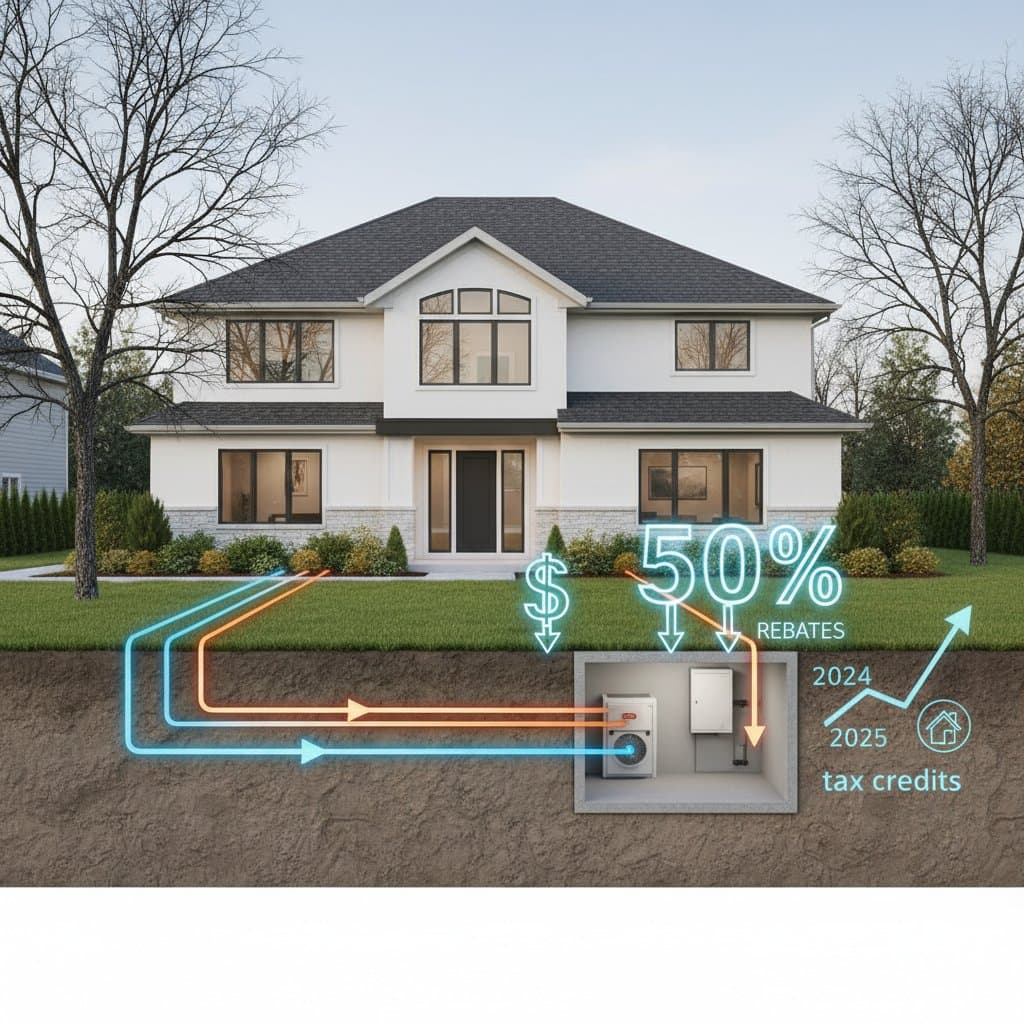
- Federal tax credits cover up to 50 percent of geothermal installation costs, substantially decreasing initial outlays for homeowners and builders.
- Ground-source and water-source heat pumps qualify, providing energy savings of 40 to 70 percent relative to traditional HVAC systems.
- Homeowners may stack federal incentives with local rebates and financing options to shorten payback periods to five years or less.
- Effective design, soil assessment, and professional installation are crucial for system efficiency and incentive eligibility.
- Collaboration with a certified green building specialist guarantees adherence to standards and optimization of financial benefits.
Reasons Homeowners Choose Geothermal Systems Today
Interest in geothermal technology extends beyond environmental concerns. It signals a broader recognition of enhanced home equity and energy reliability. In areas with variable electricity rates, residents appreciate the consistent costs and superior performance of these systems.
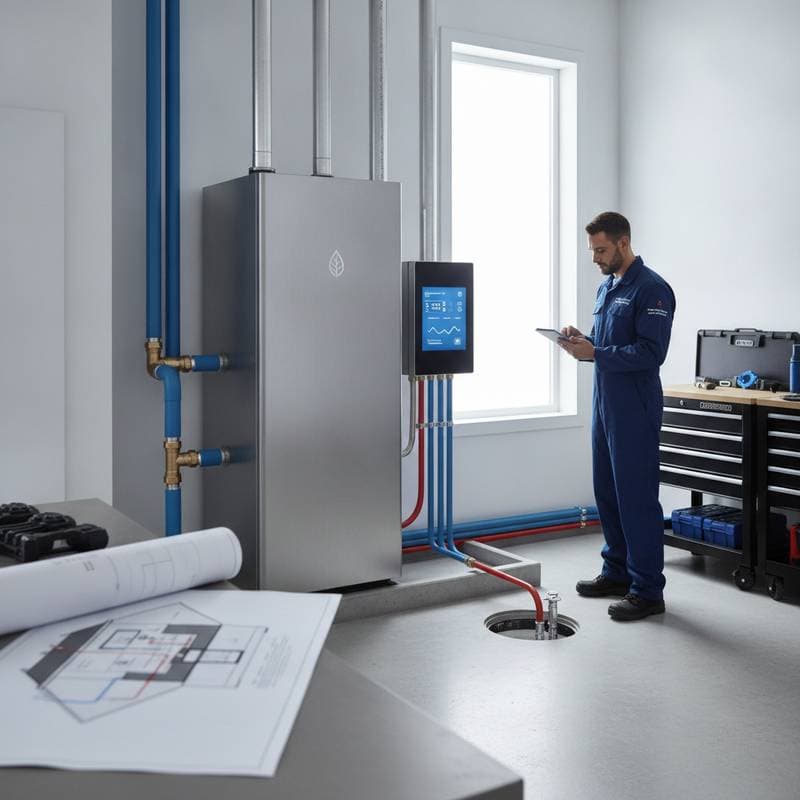
A ground-source heat pump exchanges heat between the home and the earth's steady subsurface temperature. In contrast to air-source units that contend with variable weather, geothermal systems leverage unchanging underground conditions for efficiency ratios two to three times greater than those of conventional electric or gas furnaces. This results in reduced utility expenses, minimal noise, and simplified maintenance.
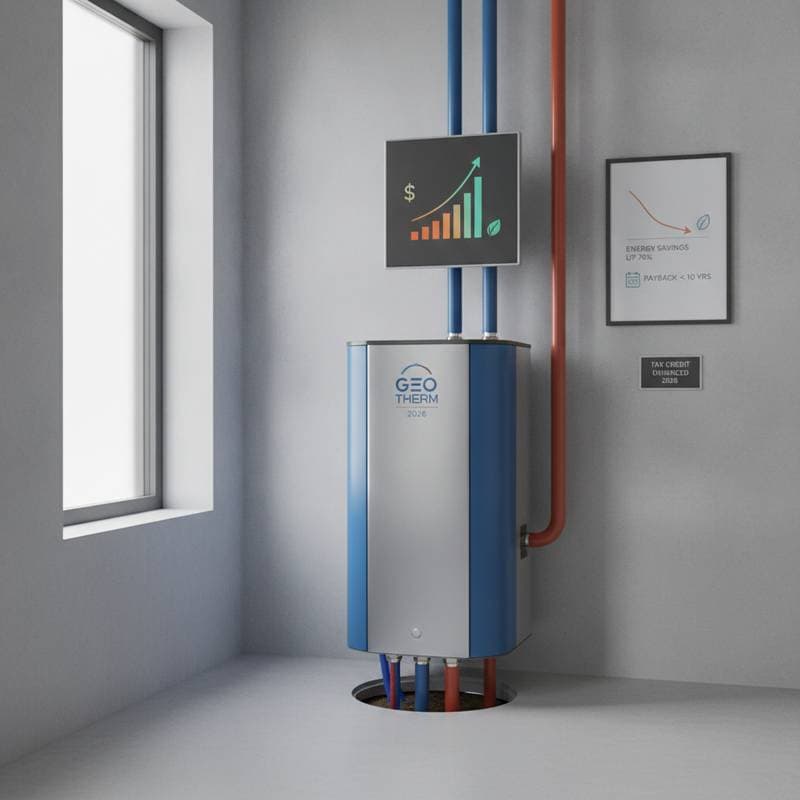
Geothermal installations have reduced heating and cooling expenses by 60 percent in homes previously dependent on fossil fuels. Combined with tax credits that offset nearly half the installation expense, the economic rationale proves compelling.
Investment Recovery: Insights from the Data
Prior to these incentives, geothermal systems typically recouped costs in eight to twelve years. Current credits enable many owners to achieve payback in five to seven years, influenced by regional energy rates and consumption habits.
Sample Calculation
- Installation expense: $30,000
- Federal tax credit: $15,000
- Local rebate: $3,000
- Effective cost: $12,000
- Yearly energy reductions: $2,000 to $2,500
Under these conditions, the system recovers its cost within five years. With lifespans exceeding 25 years, subsequent operation yields substantial net gains through earth's consistent thermal energy.
Essential Factors for Geothermal Adoption
Expenses and Funding Options
Although tax credits lower upfront costs significantly, thorough budgeting remains necessary. Post-incentive expenses for residential setups range from $10,000 to $20,000. Available financing encompasses low-rate green energy loans or property-assessed clean energy programs, which integrate payments into property taxes.
Ecological Advantages
Geothermal systems cut greenhouse gas emissions by up to 70 percent versus standard HVAC equipment. They remove the requirement for external condensers, minimizing noise and aesthetic impact. Long-term decreases in fossil fuel use support regional climate objectives and broader sustainability efforts.
Project Duration and Setup
Residential installations generally span one to two weeks, varying by loop configuration and terrain. Horizontal loops necessitate trenching, whereas vertical loops require drilling. Compliance with local permits and inspections is required, and certain areas mandate licensed geothermal specialists. Confirm installer qualifications in advance.
Standards and Verification
Systems must satisfy current federal efficiency criteria to claim tax credits. Request manufacturer specifications and compliance records from the installer. Select states provide additional incentives for units earning independent validations such as LEED for Homes or Green Globes.
Steps to Claim Geothermal Incentives
To initiate an affordable geothermal project, follow this structured approach for assured progress.
- Conduct a Home Energy Assessment: Pinpoint existing inefficiencies and calculate heating and cooling demands.
- Engage a Certified Geothermal Specialist: Obtain a property review and customized system proposal.
- Evaluate Quotes and Incentive Projections: Secure comprehensive estimates detailing expenses, anticipated savings, and applicable credits.
- Pursue Local Incentives Promptly: Utility programs often feature capped funds or time limits.
- Document Everything Thoroughly: Preserve contracts, invoices, and certification materials for tax purposes.
These measures secure all eligible benefits and facilitate seamless execution.
Advance Your Home with Geothermal Efficiency
The current tax credits present an ideal opportunity for geothermal adoption. With halved installation costs and ongoing energy efficiencies, the practical advantages align with ecological gains. Consult a qualified geothermal professional versed in technology and incentives to explore tailored solutions.
Access screened experts via our platform, selected for proven skills, credentials, and local knowledge. Develop a system suited to your site, finances, and environmental priorities. Early action accelerates access to renewable, ground-sourced comfort.
Embracing these incentives invests in reduced energy use while fostering a more temperate global environment for future generations.