Key Points
- Federal tax credits for geothermal heat pumps reduce upfront installation costs by up to 50 percent for qualifying homeowners.
- These ground-source systems provide superior long-term returns through energy efficiency and minimal maintenance.
- Success requires certified installation, precise system design, and complete documentation for incentive claims.
- Benefits include reduced utility bills, lower lifetime expenses, and enhanced home resale value.
The Opportunity Beneath Your Feet
Homeowners can heat and cool their residences using the consistent temperatures found a few feet underground. Geothermal heat pumps extract this steady energy to maintain comfortable indoor conditions throughout the year. These systems avoid the price fluctuations of fossil fuels and the frequent repairs associated with conventional heating and cooling equipment.
Recent tax incentives position geothermal technology as a viable financial choice for many households. The synergy of operational savings and government credits yields returns comparable to or better than solar installations or advanced HVAC upgrades. With strategic implementation, individuals recover a significant share of initial expenses within the first few years and realize ongoing benefits for decades.
How Geothermal Systems Function
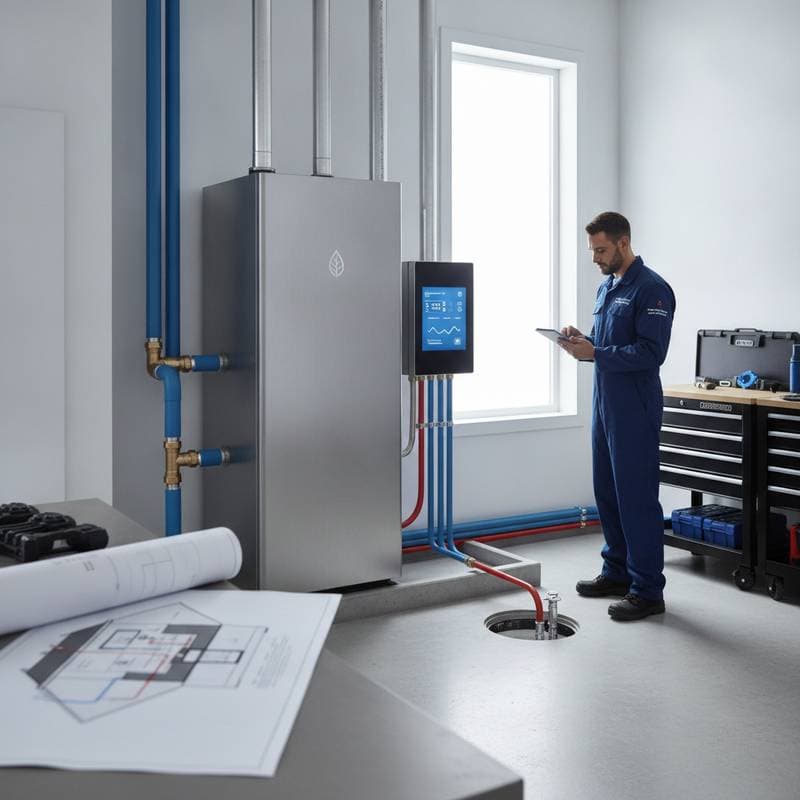
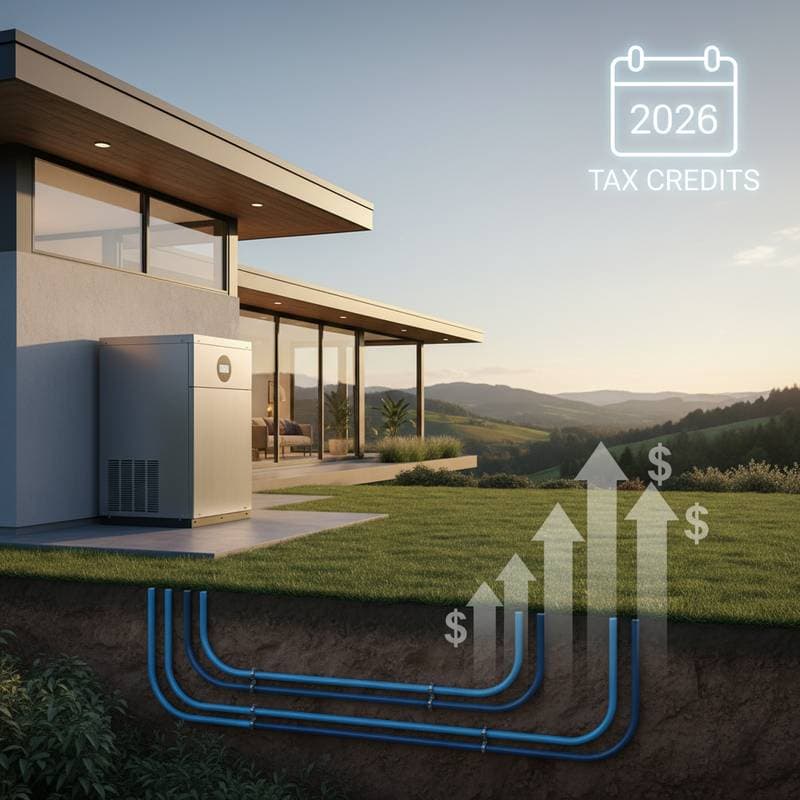
A ground-source heat pump employs underground loops containing fluid to exchange heat between the home and the earth. In winter, the setup pulls warmth from the soil and delivers it indoors. During summer, it expels excess heat from the interior into the ground.
The earth's temperature stays relatively constant at depths of four to six feet, enabling these systems to achieve high efficiency levels. For each unit of electricity consumed, the pump produces three to four units of heating or cooling. This performance results in energy cost reductions of 40 to 70 percent relative to traditional air conditioning and furnace combinations.
Homeowners benefit from zoned temperature control, which allows customization for different areas of the property. Integration with existing ductwork or hydronic systems ensures seamless operation in various home layouts.
Financial Breakdown: Costs, Incentives, and Payback
A full residential geothermal installation typically ranges from $15,000 to $35,000, influenced by system capacity, ground conditions, and configuration choices. Vertical loops suit properties with limited space, while horizontal designs work well on larger lots. These factors determine the exact investment required.
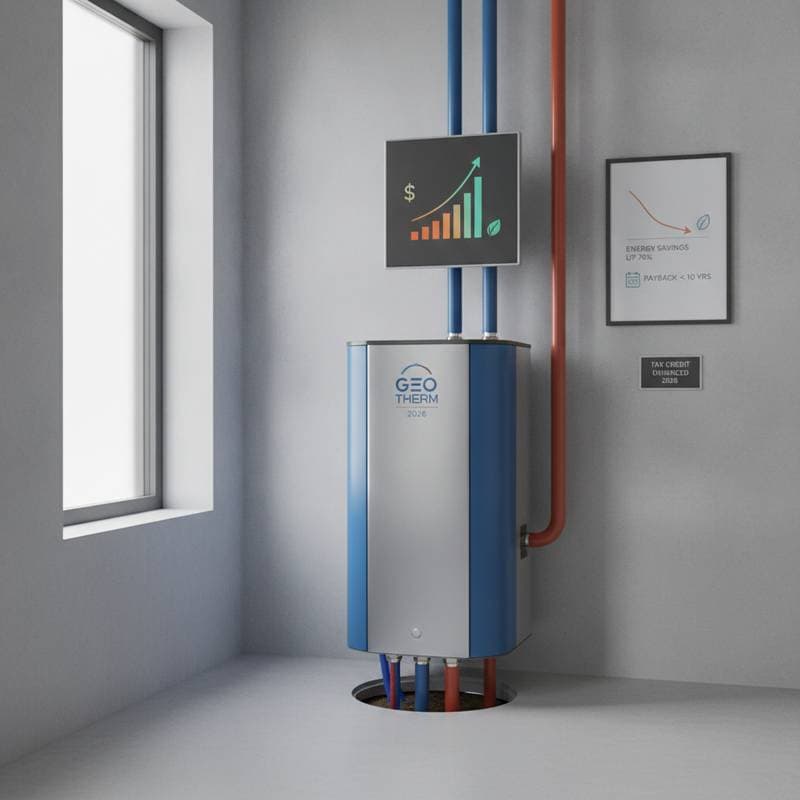
Federal tax credits under the 2026 energy efficiency programs cover 30 percent of qualified expenses, potentially halving the net cost when paired with state rebates. Local utility programs may offer additional rebates for high-efficiency models. Once installed, the system lowers monthly energy bills by 25 to 65 percent, based on regional electricity rates and heating demands.
The payback period generally spans five to ten years, after which savings accumulate rapidly. Over the system's 25-year lifespan, total financial gains often exceed $50,000 for average households. This approach not only conserves resources but also elevates property appraisals by 3 to 5 percent in energy-conscious markets.
Environmental and Health Benefits
Geothermal systems promote cleaner indoor and outdoor environments by relying on electricity rather than combustion. They eliminate carbon monoxide risks and decrease emissions of fine particulates that affect air quality. Without an external compressor, operational noise drops to levels below 50 decibels, creating quieter living spaces.
For families concerned with indoor air purity, these pumps regulate humidity effectively and filter contaminants through sealed components. The closed-loop design prevents soil or water pollution, safeguarding local ecosystems. Each unit of energy conserved eases pressure on power grids and cuts annual greenhouse gas outputs by thousands of pounds per home.
Communities benefit from widespread adoption, as reduced peak demand stabilizes energy supplies and lowers collective carbon footprints. Homeowners contribute to broader sustainability goals while enjoying reliable comfort.
Expert Guidance: Steps for Optimal Implementation
Achieving maximum efficiency and incentive eligibility starts with selecting a contractor certified by the International Ground Source Heat Pump Association. Professionals conduct site evaluations to assess soil thermal properties, calculate heating loads, and recommend loop configurations. Accurate sizing prevents underperformance and extends equipment life to 50 years or more.
Document all aspects of the project, including material receipts, efficiency ratings, and installation certifications. These records support tax credit applications on IRS Form 5695. Consult a tax specialist experienced in renewable incentives to verify eligibility and avoid common filing errors, such as overlooking supplementary state programs.
Schedule maintenance annually to monitor fluid levels and loop integrity, ensuring sustained performance. Early involvement of financial advisors helps integrate geothermal investments into broader home equity strategies.
Geothermal Versus Other Green Upgrades
In sustainable home improvements, geothermal systems excel in total cost efficiency over time. Solar photovoltaic arrays generate electricity effectively but require optimal sun exposure and battery storage for full independence. Air-source heat pumps install more easily yet lose efficiency below freezing temperatures.
Geothermal delivers uniform results across diverse climates, from arid deserts to snowy regions, with coefficients of performance exceeding 4.0. This reliability translates to predictable savings and minimal disruptions. Properties equipped with these systems attract eco-minded buyers, often commanding premiums of $10,000 or more at sale.
Market data indicates faster sales for energy-efficient homes, with real estate agents noting reduced time on market by 20 to 30 percent. This edge underscores geothermal's role in building long-term wealth through sustainability.
Steps to Install and Claim Incentives
Begin the process with a professional site visit to evaluate feasibility and estimate costs. Obtain at least three detailed proposals outlining system types, warranties, and energy projections. Review federal guidelines at energy.gov to confirm 2026 credit qualifications, focusing on systems meeting Energy Star standards.
Secure financing through green loans or home equity lines designed for renewables, with terms that align payments to anticipated bill reductions. Complete installation during off-peak seasons to minimize disruptions and leverage seasonal rebates where available.
After activation, track energy usage via smart meters to quantify savings and refine household habits. This investment secures comfort, financial security, and environmental progress for generations.