Key Points
- Agrivoltaic systems integrate crop cultivation with renewable energy production on the same rooftop surface.
- These installations can lower household energy expenses by 20 to 40 percent and deliver a steady supply of fresh vegetables and herbs.
- Effective panel positioning and plant choices determine overall productivity and system performance.
- Expert planning and regular upkeep guarantee adherence to regulations, structural integrity, and sustained financial benefits.
Envision a Productive Rooftop Haven
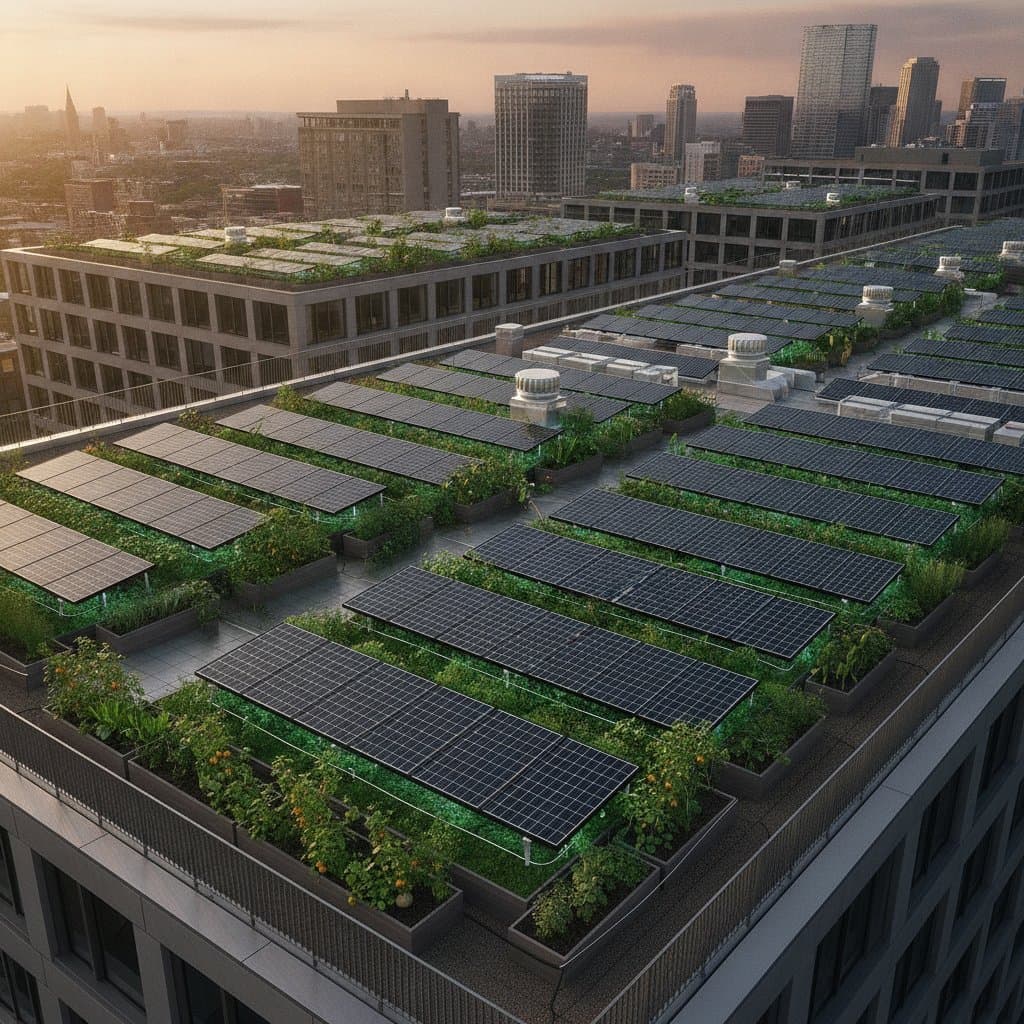
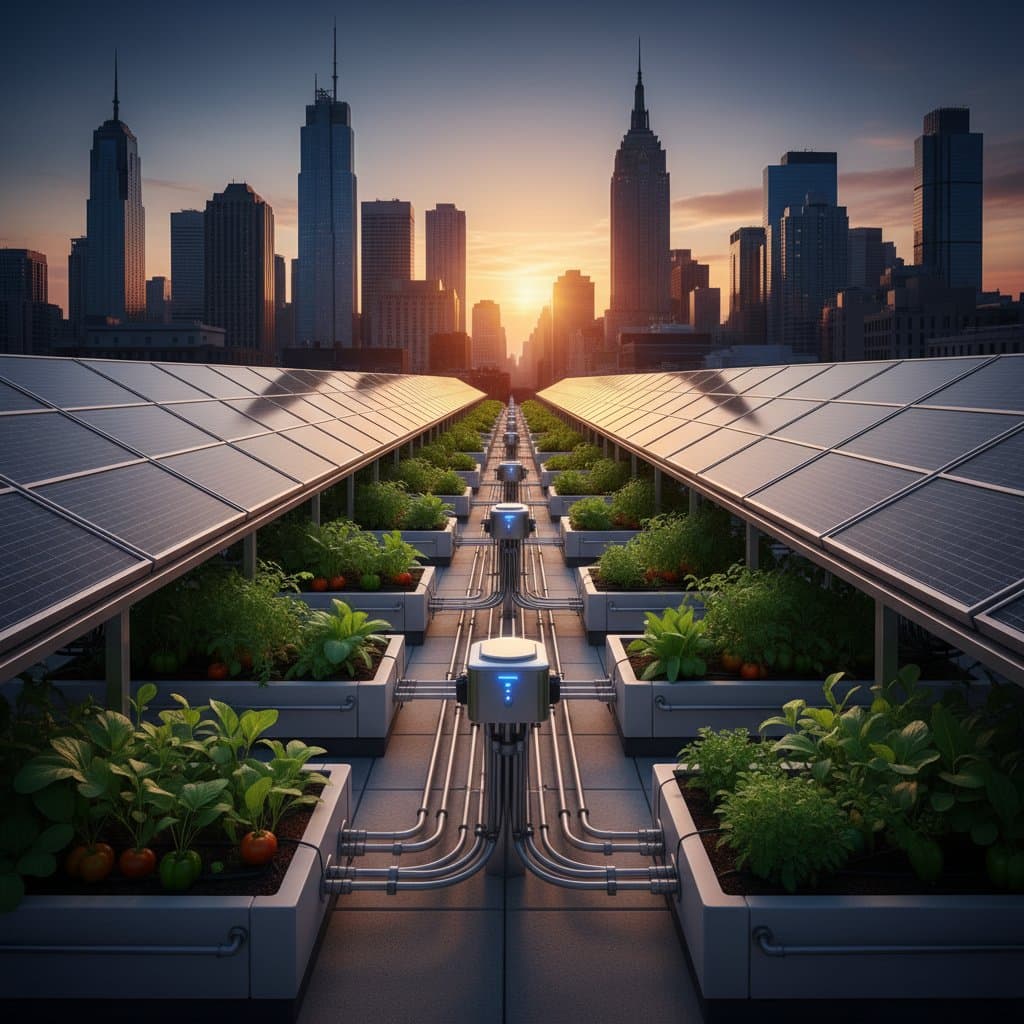
Visualize ascending to your rooftop, where vibrant greens flourish under an array of solar panels that capture the day's light. The atmosphere blends the scent of damp soil with the subtle operation of energy conversion. In my experience as a green building professional, numerous homeowners aspire to generate their own electricity. However, fewer recognize the potential to simultaneously grow herbs, vegetables, or plants that support pollinators within the identical space. This innovative approach, termed agrivoltaic design, merges agricultural practices with solar photovoltaics to benefit both residential needs and environmental health.
Addressing Urban Constraints with Innovation
Homeowners in cities and suburbs often contend with escalating energy prices and scarce ground-level space for gardens. Elevated temperatures exacerbate rooftop discomfort, heightening demands on air conditioning systems. Agrivoltaic configurations counter these issues via intelligent layering. Solar panels deliver shade to vegetation while harnessing sunlight for electricity, thereby tempering surface temperatures and elevating overall efficiency. Research indicates that diffused light promotes growth in select species, particularly those leafy varieties and herbs that thrive in moderated conditions.
This strategy repurposes idle rooftops into valuable resources that sustain nutrition, trim expenditures, and diminish environmental impact.
Mechanics of Agrivoltaic Integration
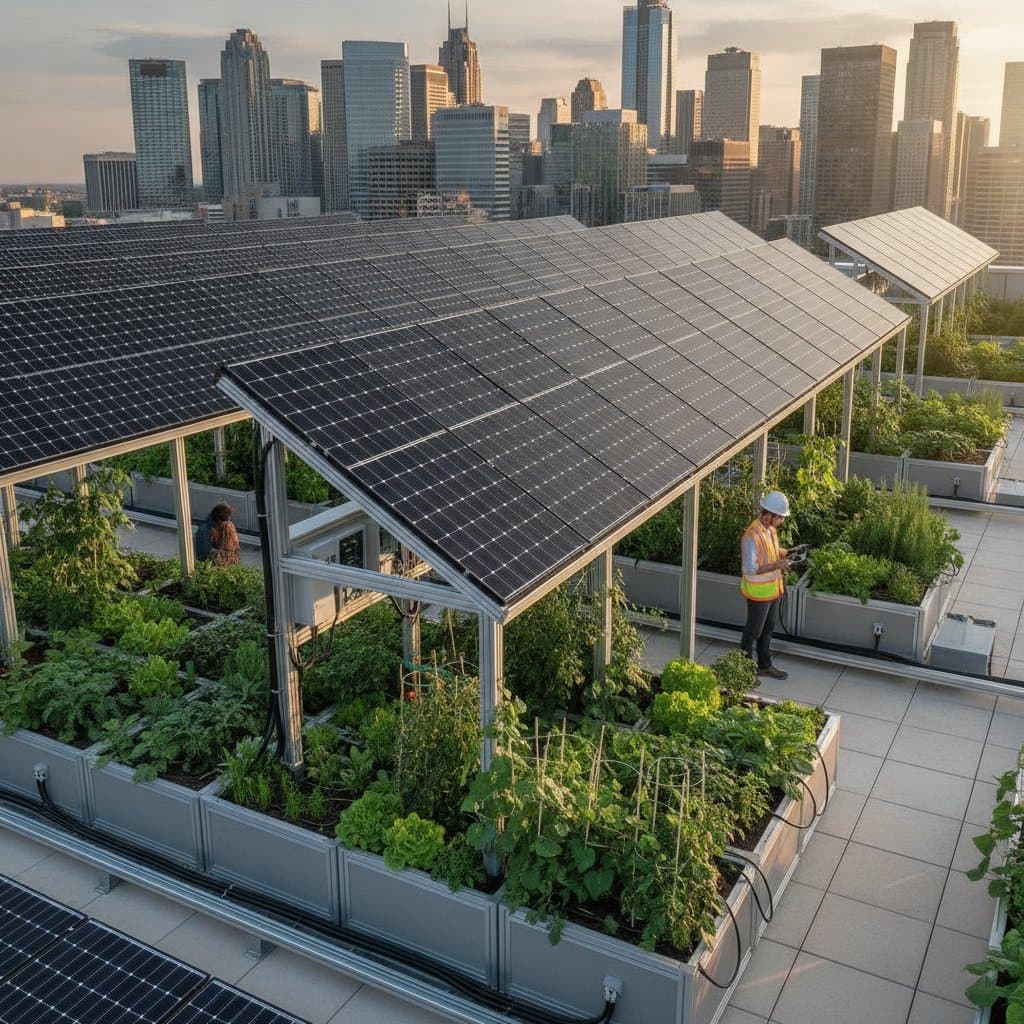
Agrivoltaic setups employ solar photovoltaic panels mounted on elevated frameworks, permitting light, circulation, and moisture to nourish underlying plants. The panels produce power for on-site consumption or utility return, while their coverage mitigates evaporation and thermal strain on crops. Optimal performance hinges on equitable light allocation, ensuring vegetation flourishes alongside robust energy yields.
Drawing from extensive fieldwork, I emphasize three essential elements: panel elevation, inclination, and plant suitability. Thoughtful arrangements simulate dappled forest light, fostering ideal conditions for both botanical and human interaction on the roof.
Strategies to Enhance Residential Sustainability
1. Select Compatible Vegetation
Certain species excel under partial cover, whereas others require unobstructed rays. Prioritize these groupings:
- Plants tolerant of shade: Options include lettuce, spinach, arugula, kale, and herbs such as cilantro or mint, which benefit from reduced direct exposure.
- Species suited to intermediate illumination: Strawberries, peppers, and beans adjust effectively to dappled conditions, yielding reliably.
- Vegetation supporting pollinators: Incorporate lavender, thyme, or indigenous blooms to draw beneficial insects, thereby enriching local biodiversity.
Opt for varieties aligned with your locale to optimize output and ecological harmony.
2. Optimize Layout for Dual Yields
The arrangement of panels influences harvest volumes and power generation equally. Select modular mounting that allows seasonal adjustments. Inclinations of 10 to 15 degrees typically balance electricity capture with sufficient under-panel illumination. In areas with high humidity, incorporate ventilation gaps to prevent fungal issues and manage condensation.
3. Prioritize Secure Navigation
Incorporate durable, slip-resistant pathways and adhere to railing standards for safe traversal. Designate clear entry routes for technicians and cultivators. Prior to proceeding, engage a structural engineer to confirm your roof's capacity for the weight of substrates, containers, and hardware.
4. Implement Efficient Water Management
Pair precision drip systems with automated sensors to regulate hydration precisely. Such methods conserve nearly 50 percent more water compared to traditional approaches. Utilize solar-driven pumps to distribute collected rainwater, establishing a self-sustaining cycle that curtails resource use.
5. Track Performance Metrics
Deploy monitoring tools to observe electricity output in tandem with plant development. Analyze trends to pinpoint optimizations. For example, if thermal buildup occurs, recalibrate angles or introduce light-reflecting elements to maintain equilibrium.
Essential Factors for Implementation
Costs for agrivoltaic installations fluctuate based on scale and features. Entry-level arrays with minimal containers begin at $10,000 to $15,000. Comprehensive setups may surpass $30,000. Returns through reduced bills often recoup expenses within 8 to 12 years, alongside increased real estate appeal.
Review municipal regulations, safety protocols, and available subsidies for solar projects. Certain regions provide grants for hybrid green roofs. Routine care involves twice-yearly checks, pruning, and panel washing to sustain peak operation.
The ecological advantages prove substantial. These systems decrease rooftop heat retention by 20 percent, halve soil moisture loss, and cut cooling requirements by up to 30 percent in summer months. Merging power and provisions yields a durable residential framework advantageous to inhabitants and the environment alike.
Steps to Realize Your Vision
To initiate, collaborate with a qualified solar architect versed in agrivoltaics. Schedule an evaluation of your roof's stability, solar access, and weather patterns. Consult a regional botanist to align selections with your climate. These collaborations yield a blueprint that elevates your space into a dynamic energy and food source.
For continued assistance, connect with sustainability experts via established networks for complimentary reviews. They link you to licensed teams adept in local standards and eco-friendly components. As noted by a solar agriculture advisor, "Harmonizing panels with greenery turns each area into a narrative of regeneration."
Your roof holds the capacity to evolve into a vibrant network that energizes your residence and supplies your meals. Through deliberate strategy and specialist input, embrace the reliable output of solar innovation paired with the reward of proximate cultivation.
Common Queries Addressed
What initial costs should I anticipate for a rooftop agrivoltaic system?
Basic configurations for modest roofs range from $10,000 to $15,000, covering panels, racking, and simple planters. Advanced versions with automation may reach $30,000 or more. Factor in potential rebates that shorten payback periods.
Which plants perform best under solar panels?
Focus on shade-adapted options like lettuce, kale, herbs, and berries. Avoid sun-dependent crops such as tomatoes, which may underperform in filtered light.
How does this setup impact my home's energy use?
Expect 20 to 40 percent reductions in bills through on-site generation and cooler interiors from shaded roofs, especially in hot climates.
Do I need special permissions for installation?
Yes, verify local codes for structural loads, electrical connections, and green roof incentives. A professional assessment ensures compliance.
What maintenance is required?
Plan for seasonal cleaning of panels, crop rotation, and irrigation checks. Biannual professional inspections maintain safety and efficiency.