Key Points
- Thermal audits pinpoint locations where up to half of a home's heating and cooling energy escapes undetected.
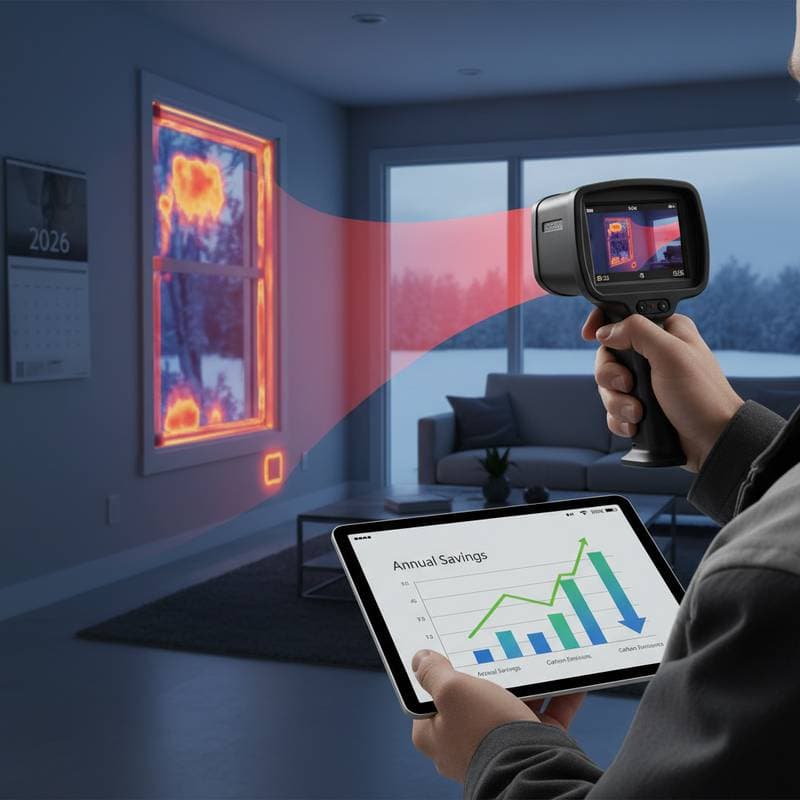
- Infrared imaging exposes concealed inefficiencies in insulation, windows, roofs, and ductwork that standard inspections overlook.
- Achieving a 50 percent reduction in energy loss yields annual savings of hundreds of dollars, alongside enhanced comfort and superior indoor air quality.
- Integrating audit insights with precise upgrades delivers sustained efficiency, increased property value, and a reduced carbon footprint.
The Impact of Unseen Energy Loss
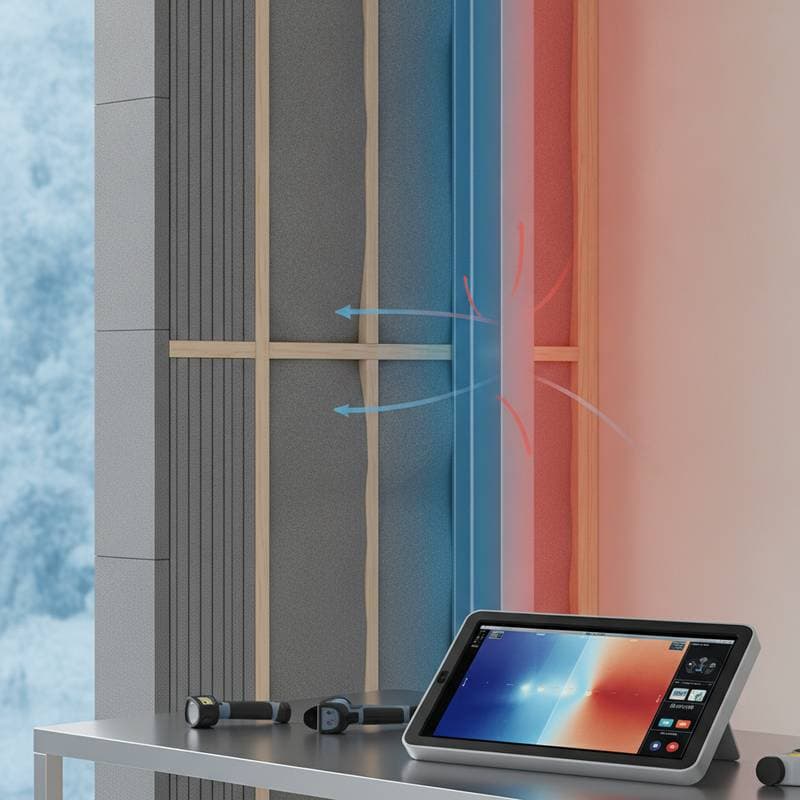
Every unit of energy purchased intends to maintain a comfortable indoor environment. However, in numerous homes, up to half of this energy dissipates through the building envelope. Consequently, heating and cooling systems operate under increased strain, consuming additional fuel or electricity and accelerating wear.
Financially, this inefficiency resembles a persistent, unnoticed expenditure. Over time, it accumulates into substantial costs. From an environmental standpoint, greater energy consumption amplifies a household's carbon emissions, regardless of the utility provider's energy sources.
A comprehensive thermal audit enables homeowners to reduce energy loss by half, frequently without requiring extensive renovations. It identifies vulnerabilities in insulation and air sealing, allowing for focused interventions that maximize impact.
Analyzing Costs and Returns
Thermal audits serve as an essential diagnostic tool in a comprehensive energy enhancement strategy. Understanding the financial aspects clarifies their value.
- Audit Expenses: For a typical residence, costs range from 300 to 800 dollars.
- Upgrade Investments: Interventions such as sealing gaps, enhancing attic insulation, replacing windows, or repairing ductwork vary from 1,000 to 10,000 dollars, influenced by materials and labor requirements.
- Projected Savings: Addressing primary inefficiencies can decrease energy bills by 20 to 50 percent, equating to 400 to 1,000 dollars annually for most households.
- Investment Recovery: Homeowners often recoup costs within three to seven years, followed by ongoing financial benefits.
Beyond monetary gains, advantages include heightened comfort, reduced noise levels, consistent humidity, and less stress on heating, ventilation, and air conditioning systems. In competitive real estate landscapes, properties featuring verified efficiency improvements command higher appraisals and broader buyer interest.
Variables Shaping Audit Outcomes
Multiple elements affect potential savings and the scope of necessary modifications.
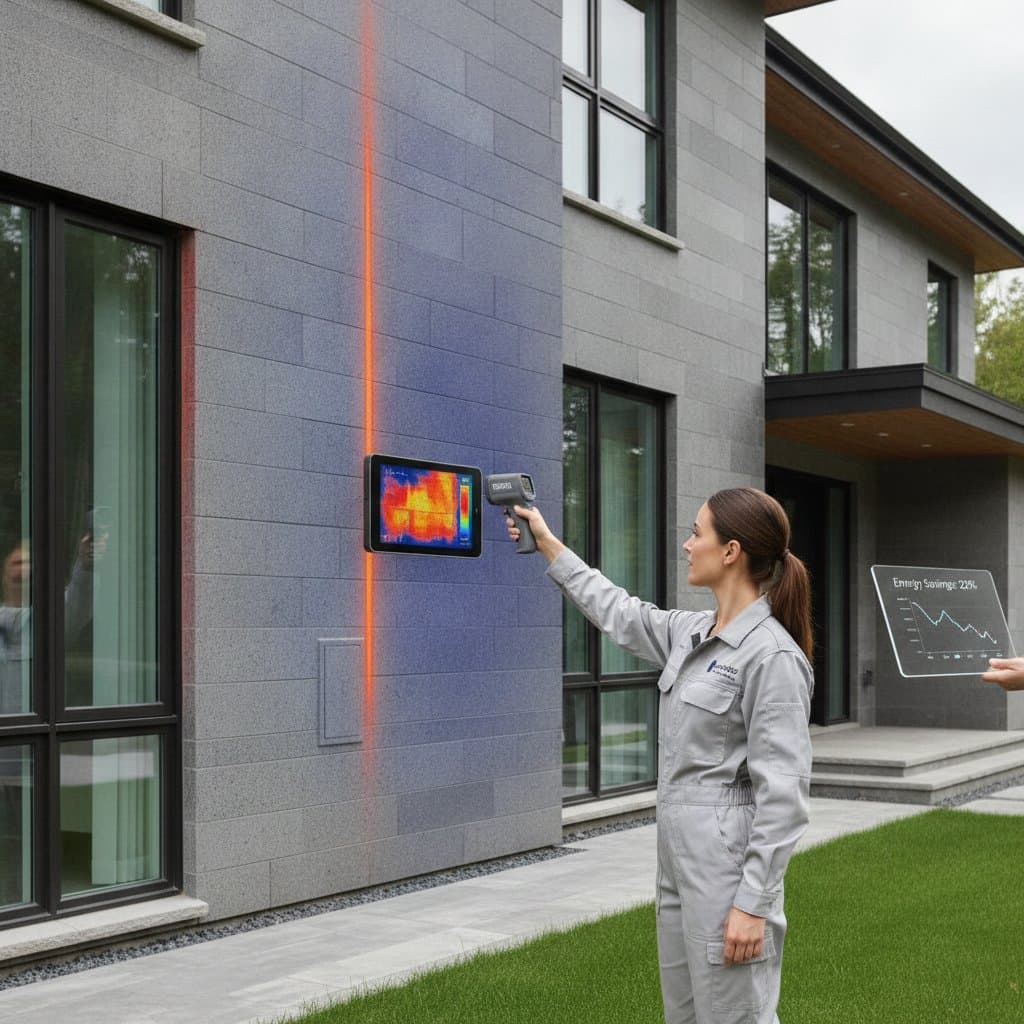
- Building Materials: Structures with brick, wood, or concrete exhibit distinct thermal behaviors. For instance, a masonry wall preserves heat differently from a framed wall with fiberglass batts.
- Regional Climate: In colder areas, priorities include robust insulation and airtight seals; warmer climates demand reflective barriers and enhanced ventilation. Audits adapt recommendations to local environmental demands.
- Current Heating and Cooling Performance: Advanced equipment like heat pumps functions best within a well-sealed envelope. Audits align system capabilities with the home's thermal requirements.
- Daily Habits: Optimal insulation proves ineffective against habits such as leaving windows ajar or neglecting pet door seals. Pair audit recommendations with behavioral changes for optimal results.
- Financial Constraints: Implement upgrades incrementally. Begin with affordable sealing and insulation, deferring larger projects like window replacements to future budgets.
Recognizing these factors empowers homeowners to customize plans, achieving progressive improvements without excessive upfront commitments.
Insights from Certified Experts
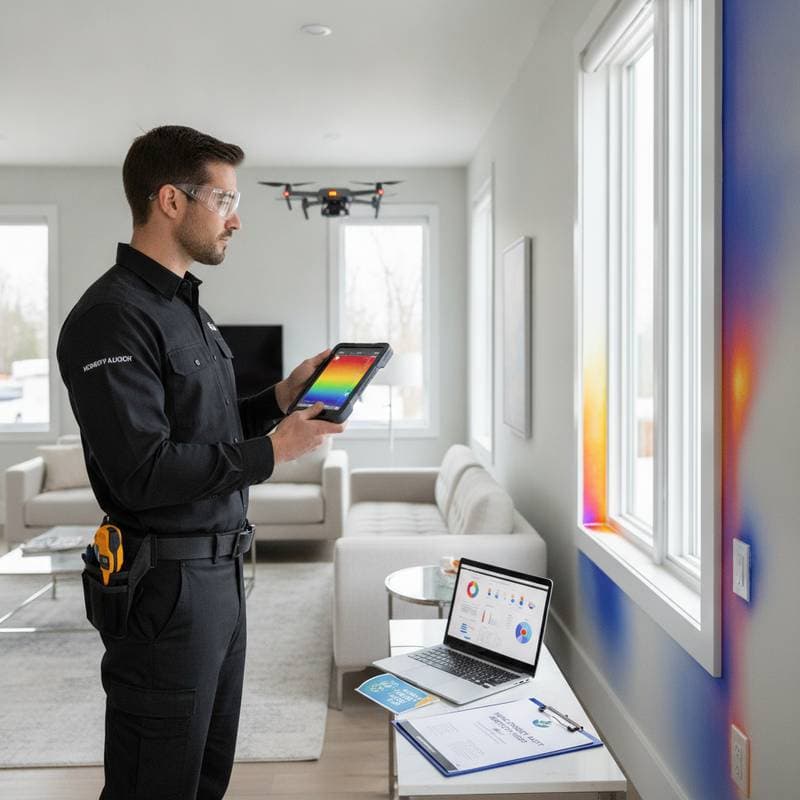
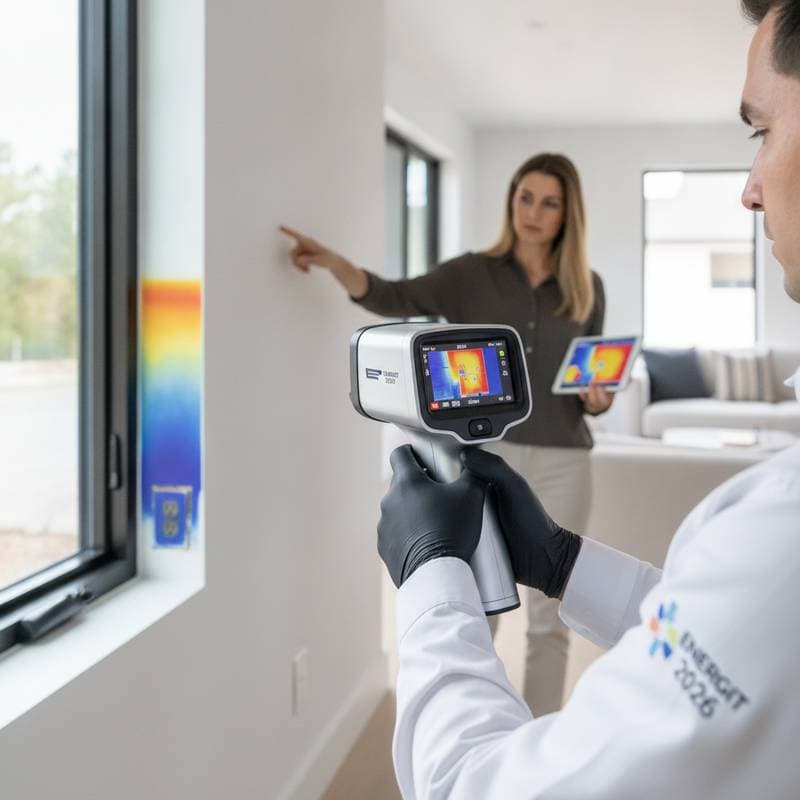
Certified professionals from energy efficiency organizations or building performance institutes perform thermal audits with precision-calibrated infrared cameras. Their expertise differentiates normal temperature fluctuations from genuine energy escapes.
To convert audit data into practical enhancements, follow these steps:
- Target Major Inefficiencies: Focus initially on attic insulation and sealing around windows and doors, which typically represent the largest energy drains.
- Repair Duct Systems: Leaks in ducts dissipate up to 30 percent of treated air. Thorough sealing enhances distribution and overall performance.
- Install Weather Stripping: These low-cost solutions swiftly mitigate drafts at entry points.
- Enhance Insulation Depth: Increasing coverage by several inches in key zones produces measurable reductions in energy use.
- Verify Airflow Balance: After sealing, confirm sufficient ventilation to preserve healthy indoor air quality.
These measures build upon one another, generating compounded efficiency gains over time.
Frequently Asked Questions
How long does a thermal audit require?
Residential audits generally span two to four hours, based on the property's dimensions. Technicians examine both interior and exterior areas, then discuss infrared images and key observations with the homeowner.
Is a self-performed thermal audit feasible with consumer tools?
Affordable infrared attachments for smartphones provide preliminary views but fall short in accuracy and calibration compared to professional-grade devices. For reliable, detailed recommendations, engage a certified specialist.
What preparation is necessary for the audit?
Secure all windows and doors, maintain a moderate indoor temperature, and avoid wet surfaces or direct sunlight exposure, as these factors may skew thermal readings.
Can thermal audits detect moisture or mold issues?
Direct mold identification lies beyond their scope, yet irregular temperature patterns frequently indicate moisture accumulation, prompting targeted follow-up assessments.
Which upgrades yield the strongest returns post-audit?
Air sealing and attic insulation offer the quickest payoffs, with duct repairs and window enhancements providing subsequent value where applicable.
How frequently should thermal audits occur?
Schedule one following significant renovations or every few years, particularly amid rising energy costs or persistent comfort challenges.
Steps to Launch Your Efficiency Upgrade
Begin by contacting a certified thermal audit provider to schedule an assessment. Review the report to identify priority areas, then secure quotes for initial sealing and insulation tasks. Track bill reductions quarterly to measure progress and adjust habits accordingly. Over time, these efforts not only conserve resources but also elevate daily living standards in a more sustainable home.