When Walls Manage Energy
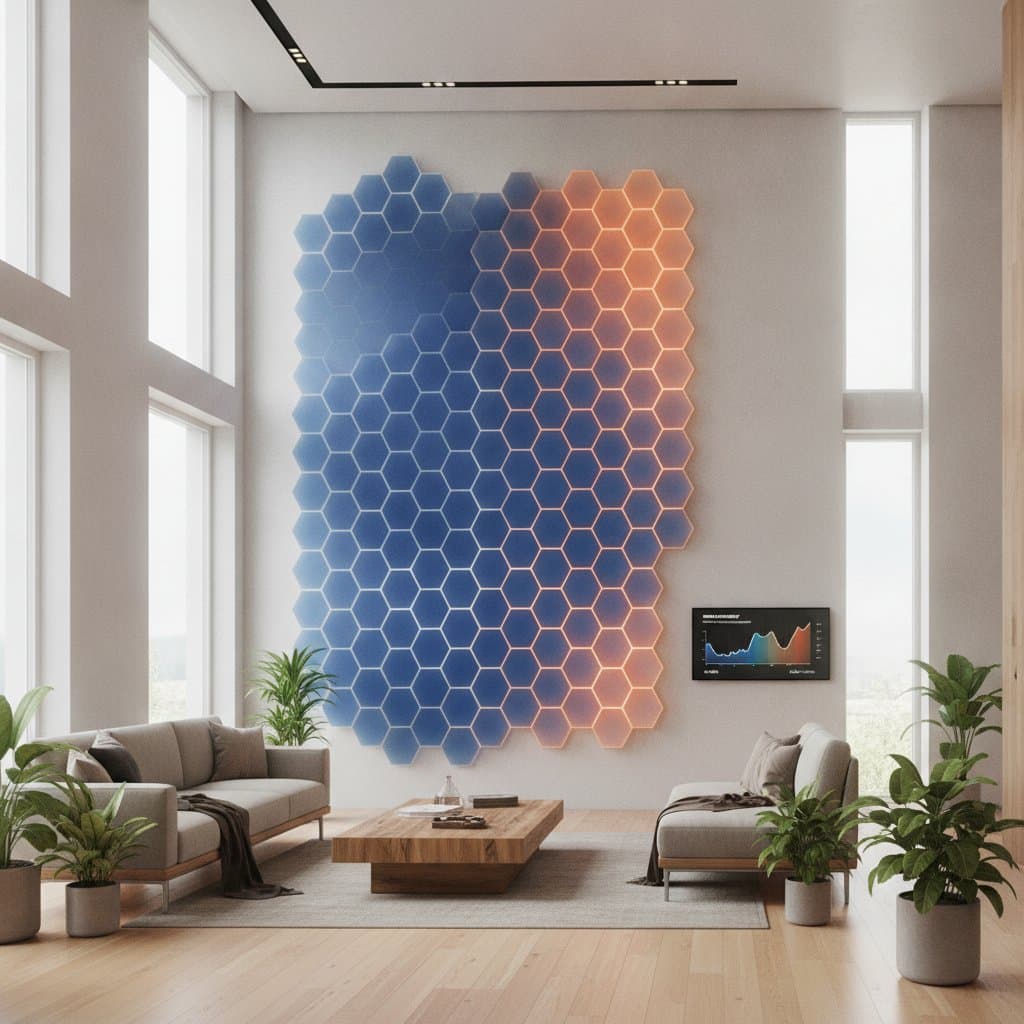
Imagine home walls that absorb excess heat during the day and release it gradually as temperatures fall at night. No wires require inspection and no charging cycles demand attention. Energy storage walls achieve this passive process through embedded phase change materials that respond directly to indoor conditions.
These systems outperform batteries for temperature related needs because they target heating and cooling loads rather than electricity alone. Batteries function well for short term power backup. Thermal walls deliver steady comfort across seasons with minimal intervention.
Practical Advantages Over Battery Systems
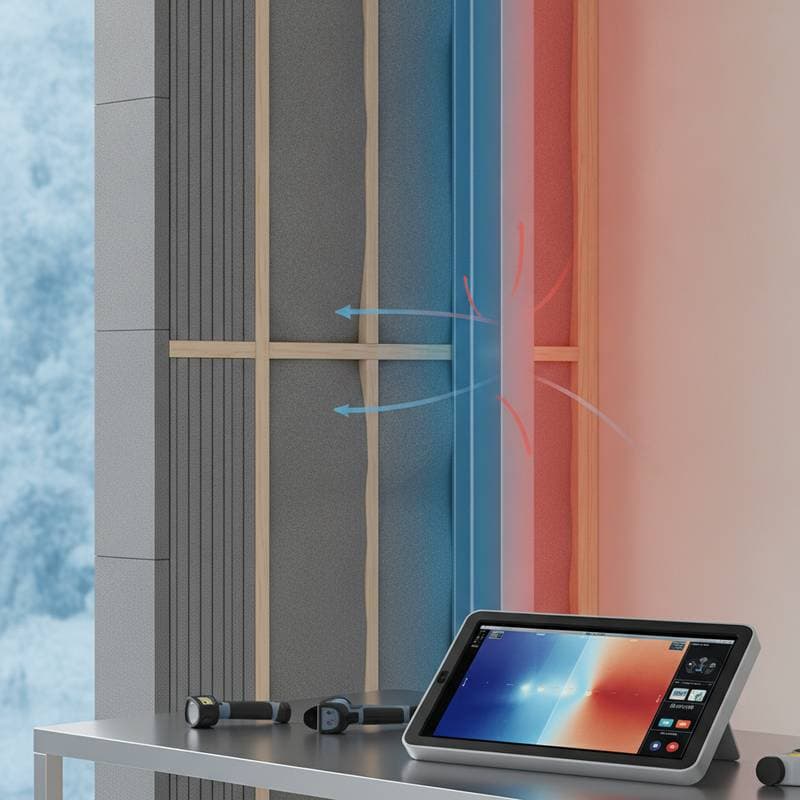
Homeowners face rising utility rates and stricter efficiency standards. Thermal walls address the largest share of residential energy use by stabilizing indoor temperatures. Phase change materials absorb heat when indoor conditions warm and release it when cooling occurs, which reduces HVAC runtime without drawing from the electrical grid.
This approach integrates directly into wall assemblies. It eliminates the need for separate equipment rooms or ventilation requirements that batteries demand.
Planning Factors to Evaluate
Consider these elements before selecting a storage method:
- Storage purpose determines the better option. Thermal walls excel when the goal centers on HVAC performance and daily comfort.
- Available space influences decisions. Walls incorporate storage invisibly while batteries occupy floor area and need clearance.
- Maintenance requirements differ sharply. Thermal systems contain few moving parts and avoid the degradation that affects battery capacity over time.
- Expected service life favors walls. Properly selected phase change materials retain performance for decades rather than requiring replacement after roughly ten years.
Cost Ranges and Long Term Returns
Basic phase change panels increase wall assembly expenses by five to ten percent. Prefabricated boards with integrated materials raise initial outlay yet reduce heating and cooling costs by twenty to thirty percent annually. Custom facade integrations support energy certifications that can increase resale value.
Payback occurs through lower utility charges and downsized mechanical systems. Lifecycle savings exceed those of battery installations because replacement cycles are far less frequent.
Integration Approaches for Different Projects
In warm regions the materials capture daytime heat to limit overheating. In colder climates they moderate overnight temperature drops. Available options include bio based compounds, salt hydrates, and paraffin blends contained in sealed panels.
Designers can finish surfaces with plaster or wood cladding that conceals the storage layer. The result maintains architectural intent while adding thermal mass.
Sustainability Contributions
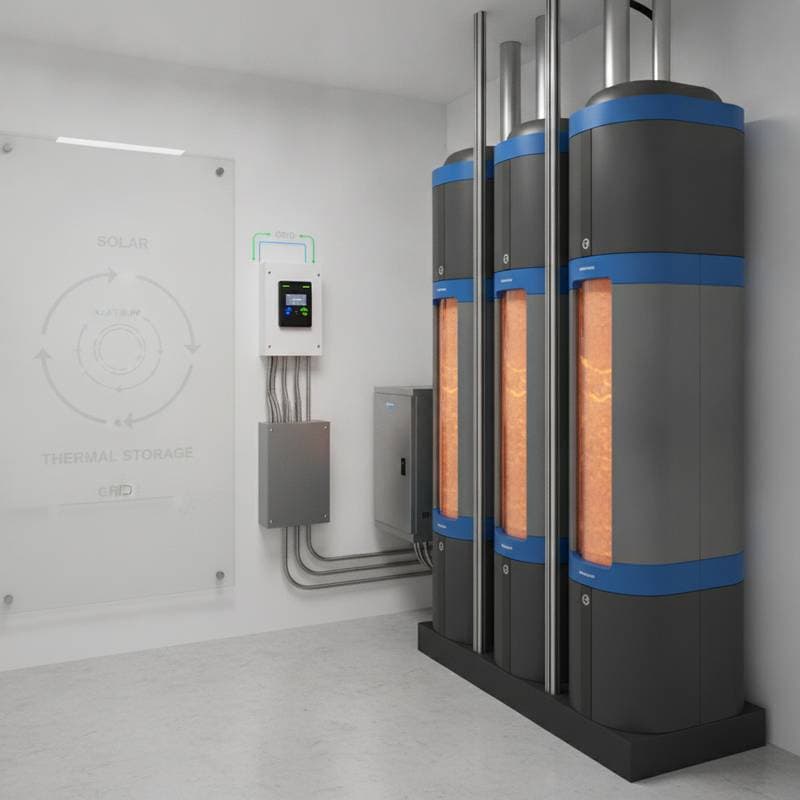
Thermal walls reduce peak electricity demand during extreme weather. They limit reliance on forced air circulation that can distribute allergens. When paired with solar arrays they store daytime thermal gains for evening use. Overall building energy consumption can drop by up to one third with coordinated climate controls.
Common Questions
How do phase change materials function?
They transition between solid and liquid states to absorb or release heat, which keeps indoor temperatures within a narrow range without mechanical input.
Do these walls replace standard insulation?
They work alongside insulation. Insulation slows heat movement while phase change materials actively store and return thermal energy.
Are safety issues present?
Sealed casings prevent material leakage. Products undergo testing against established building codes before installation.
Will performance vary by location?
Material selection and panel thickness should align with local temperature patterns to achieve optimal results.
Steps to Add Thermal Storage
Consult with a builder experienced in phase change integration during design or renovation planning. Specify material melting points that match the target climate. Verify compatibility with existing wall assemblies and finishes. Monitor energy use after installation to confirm reduced HVAC loads and improved comfort consistency.