Revealing Where Your Heating Dollars Disappear
Key Points
- Thermal imaging identifies concealed energy leaks that increase utility expenses.
- Homeowners can locate insulation deficiencies, air infiltration points, and inefficient windows to minimize heating and cooling losses.
- Scans allow prioritization of improvements based on potential savings.
- While consumer cameras offer basic detection, certified professionals provide accurate analysis and documentation.
Understanding Heat Loss in Homes
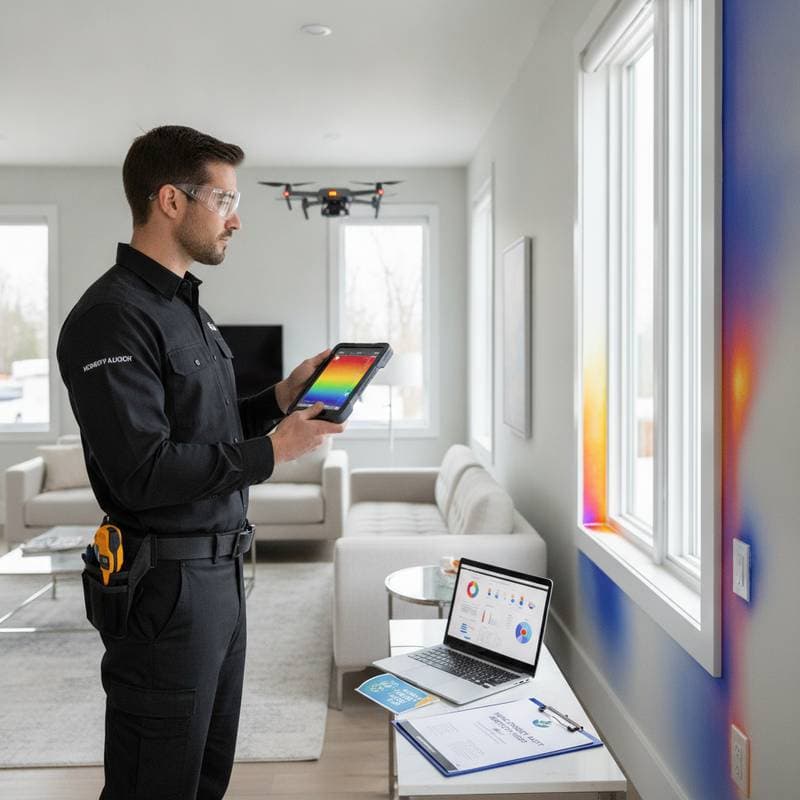
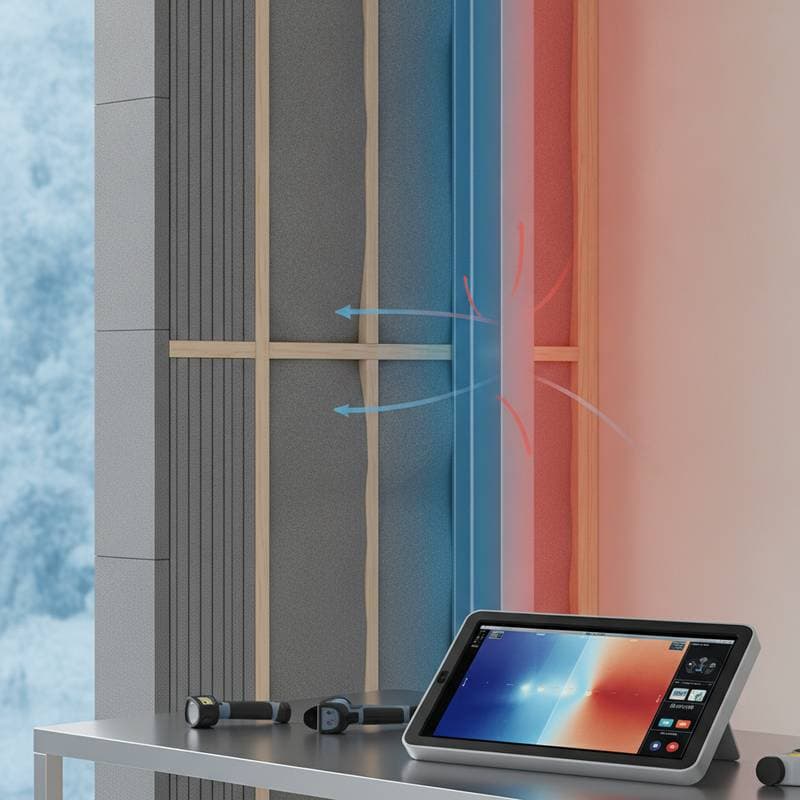
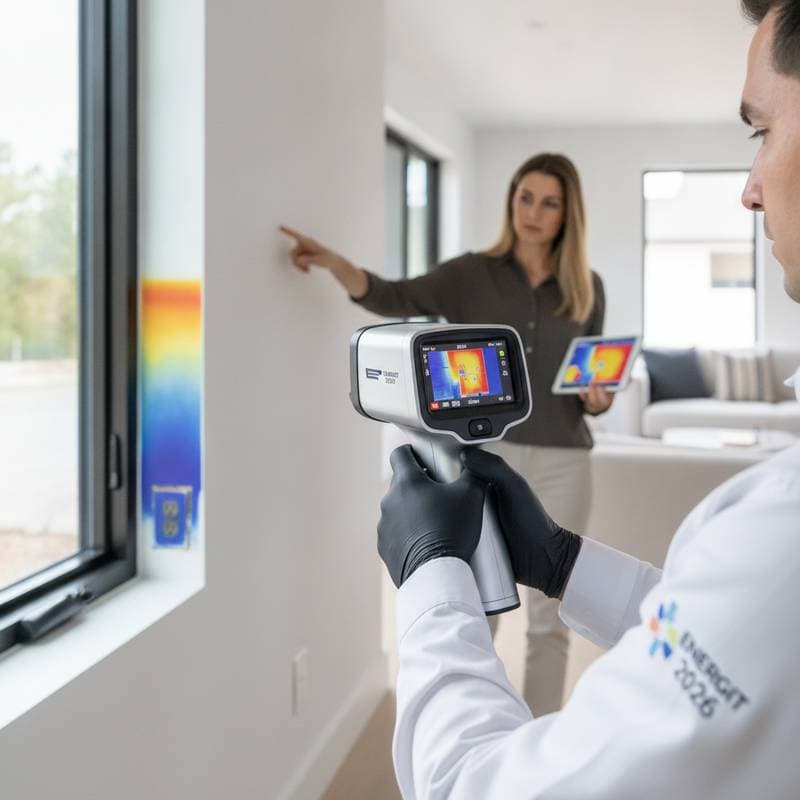
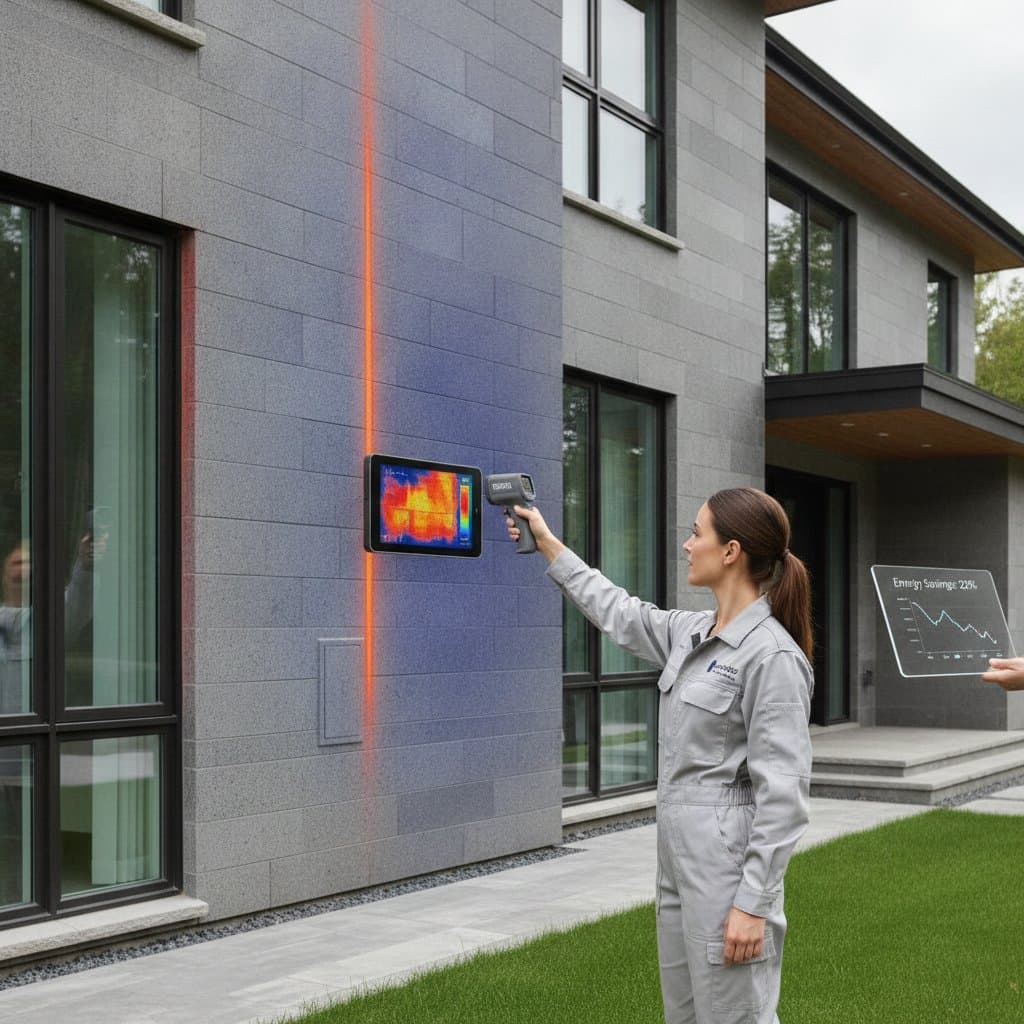
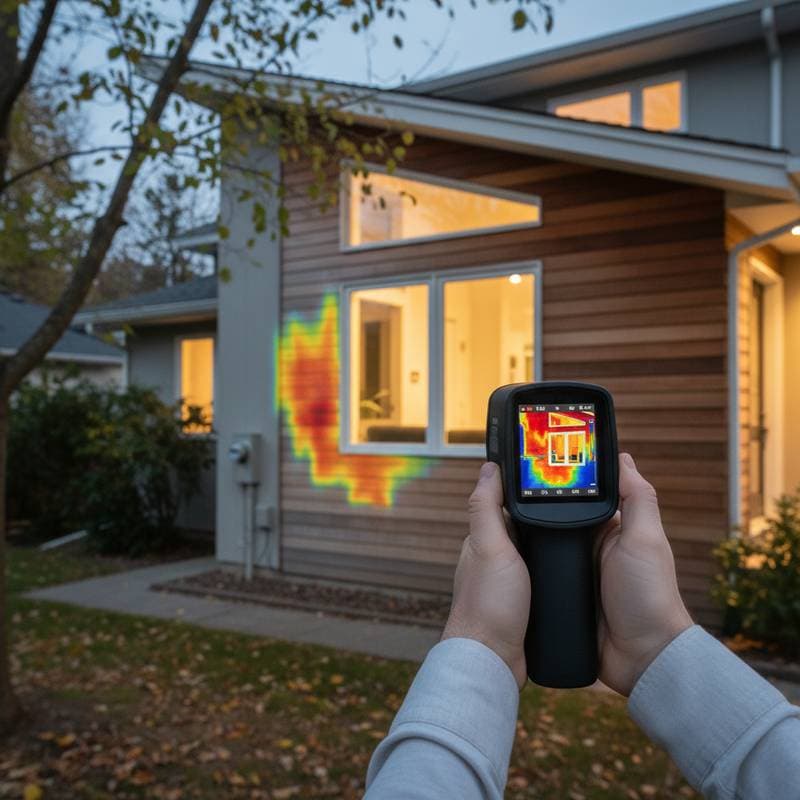
You sit in the living room under a blanket yet still feel cold despite the heating system operating. Air infiltration around window frames contributes to ongoing expenses. Heat escapes through concealed areas in walls, ceilings, and floors that remain invisible during normal inspection. Thermal imaging converts these temperature variations into visible patterns that pinpoint escape routes.
Benefits of Thermal Imaging Technology
This method converts efficiency assessments into evidence based evaluations. Temperature variations across building surfaces highlight specific concerns including:
- Inadequate insulation in attics and crawl spaces
- Ductwork with poor seals or insulation
- Gaps at door and window perimeters
- Deteriorated weather stripping materials
- Overheated electrical connections
Such information directs targeted repairs. Proper corrections typically reduce energy consumption between 10 and 30 percent based on construction quality and regional weather conditions.
Preparing for an Effective Scan
Clarify objectives before arranging service. Focus might include elevated heating expenses, temperature inconsistencies across rooms, or moisture accumulation. Optimal conditions require at least a 10 degree Fahrenheit difference between interior and exterior temperatures to accentuate problem areas.
Certified auditors employ high resolution infrared equipment for precise readings. Consumer grade attachments for mobile devices can detect major issues. However, these units frequently overlook minor infiltration or humidity related concerns that demand professional equipment and training.
Evaluating Costs and Returns
Professional audits range from 200 to 600 dollars according to property dimensions and inspection depth. Initial expense yields returns through reduced monthly utility charges, often recovering costs over one or two heating seasons. Property owners considering larger projects receive data that supports decisions on high impact modifications.
Efficiency Improvements and Environmental Impact
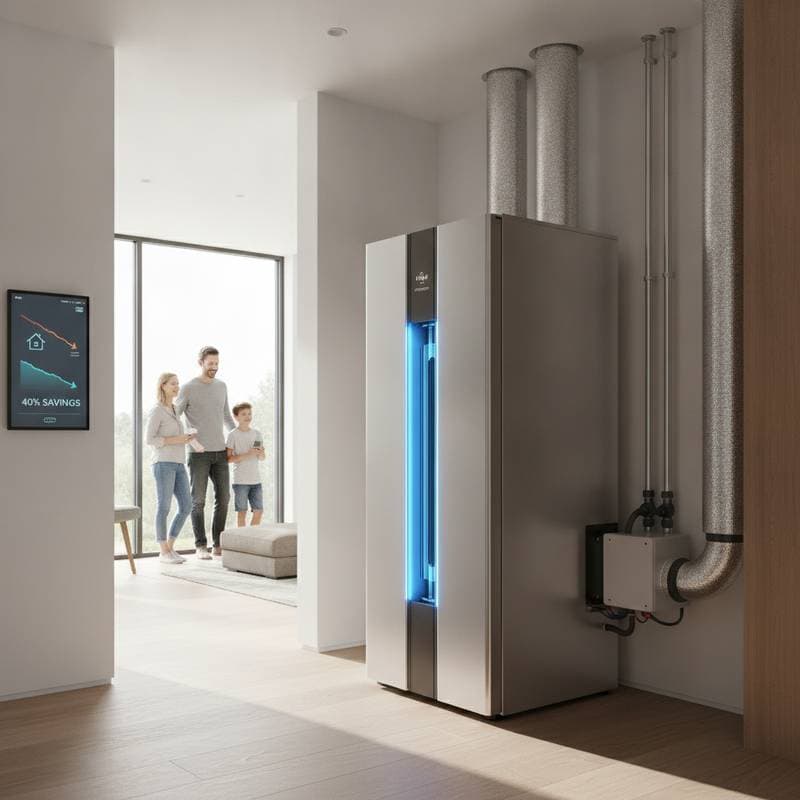
Reduced energy demand lowers emissions and supports environmental goals. Additional advantages include better interior comfort levels, enhanced air quality through decreased drafts, and prolonged service life for heating and cooling systems. Scan results inform selections such as vapor barriers, comprehensive air sealing, or energy efficient window replacements.
Common Questions Addressed
Does the process pose safety risks?
The equipment detects existing infrared emissions without emitting radiation or other energy forms.
Are self performed scans reliable?
Results depend on equipment quality and user expertise. Professional services supply calibrated tools along with interpretive reports.
What season works best for scheduling?
Any period with sufficient indoor to outdoor temperature variation produces clear images of leakage points.
Can scans detect water damage?
Cooler zones often indicate moisture presence that affects insulation performance or signals leaks.
Next Steps for Homeowners
Define primary concerns related to comfort or expenses. Arrange a professional thermal imaging assessment to map energy loss locations. Apply the resulting information to implement sealing measures, insulation upgrades, or window improvements that deliver measurable savings and comfort gains.