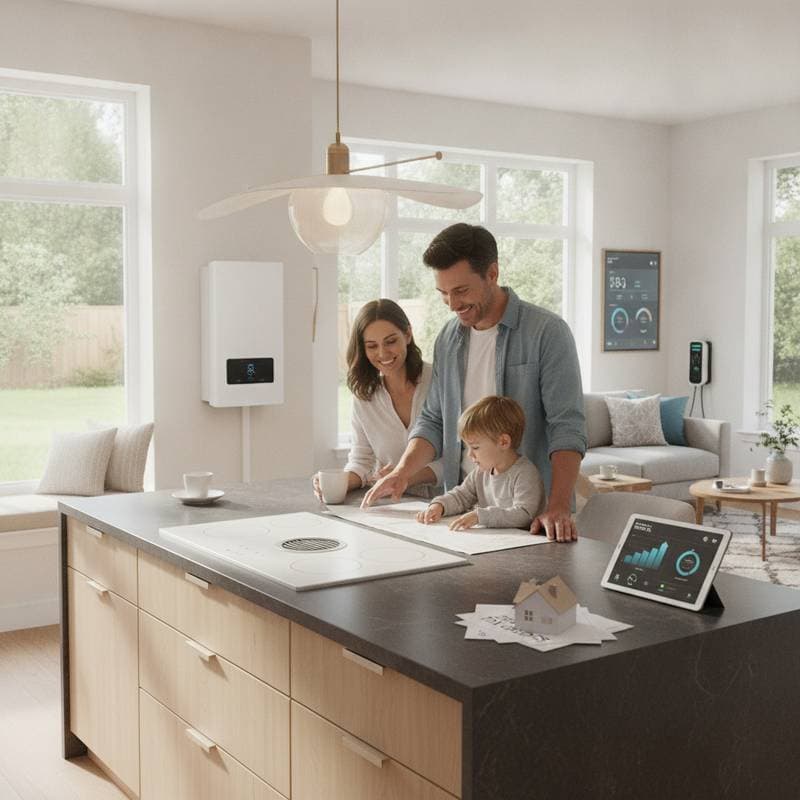
Federal Tax Credits Lower Costs for All-Electric Home Upgrades
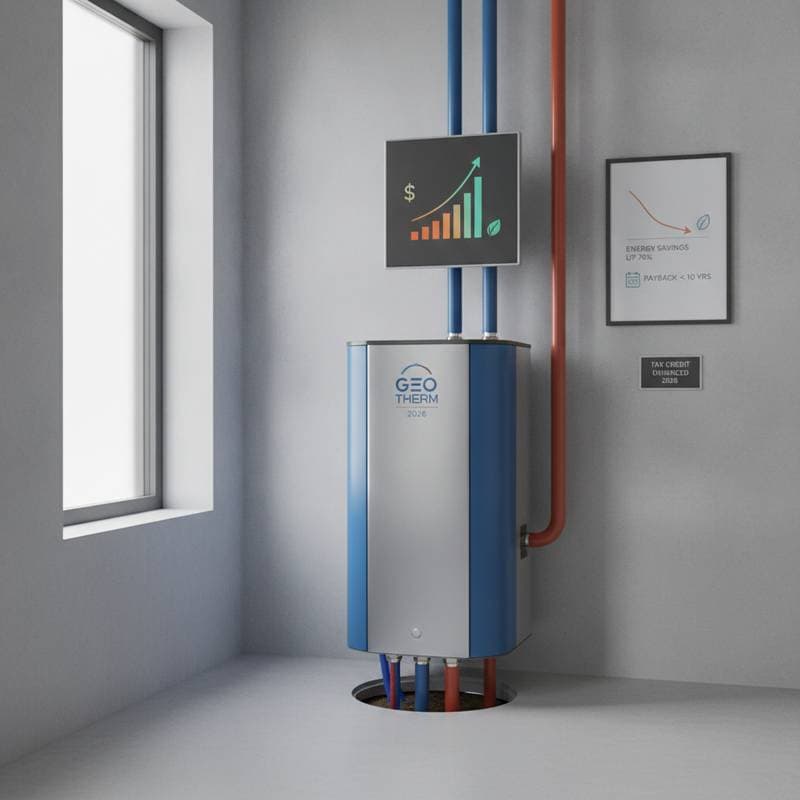
New federal tax credits reduce the expense of switching to electric systems. Homeowners gain access to rebates on HVAC equipment, water heaters, cooktops, and insulation. Strategic use of these incentives typically lowers initial outlays by 30 to 50 percent while delivering lower utility bills over time.
Advantages of Switching to Electric Equipment
Electric heat pumps and induction appliances operate with greater efficiency than older gas models. They produce less indoor pollution and require fewer repairs. As grids incorporate more renewable power, these systems continue to reduce household emissions and operating costs.
Property values also rise when homes feature modern electric infrastructure. Buyers increasingly seek residences that already include high-efficiency electric systems.
Steps to Prepare for an Upgrade
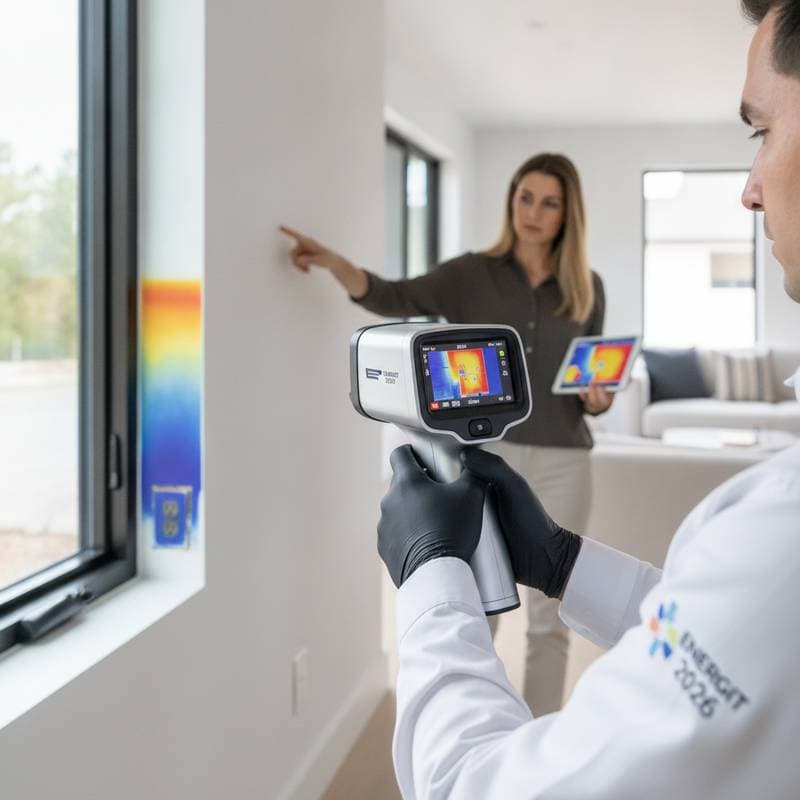
- Inspect current HVAC units, water heaters, and appliances to determine which items need replacement first.
- Verify that the electrical panel can support added loads or schedule an upgrade if capacity is insufficient.
- Decide whether to complete one replacement or pursue a full conversion based on budget and timeline.
- Check state and utility programs that stack with federal credits to maximize total savings.
These actions create a clear sequence that prevents costly surprises during installation.
Expected Costs and Payback Periods
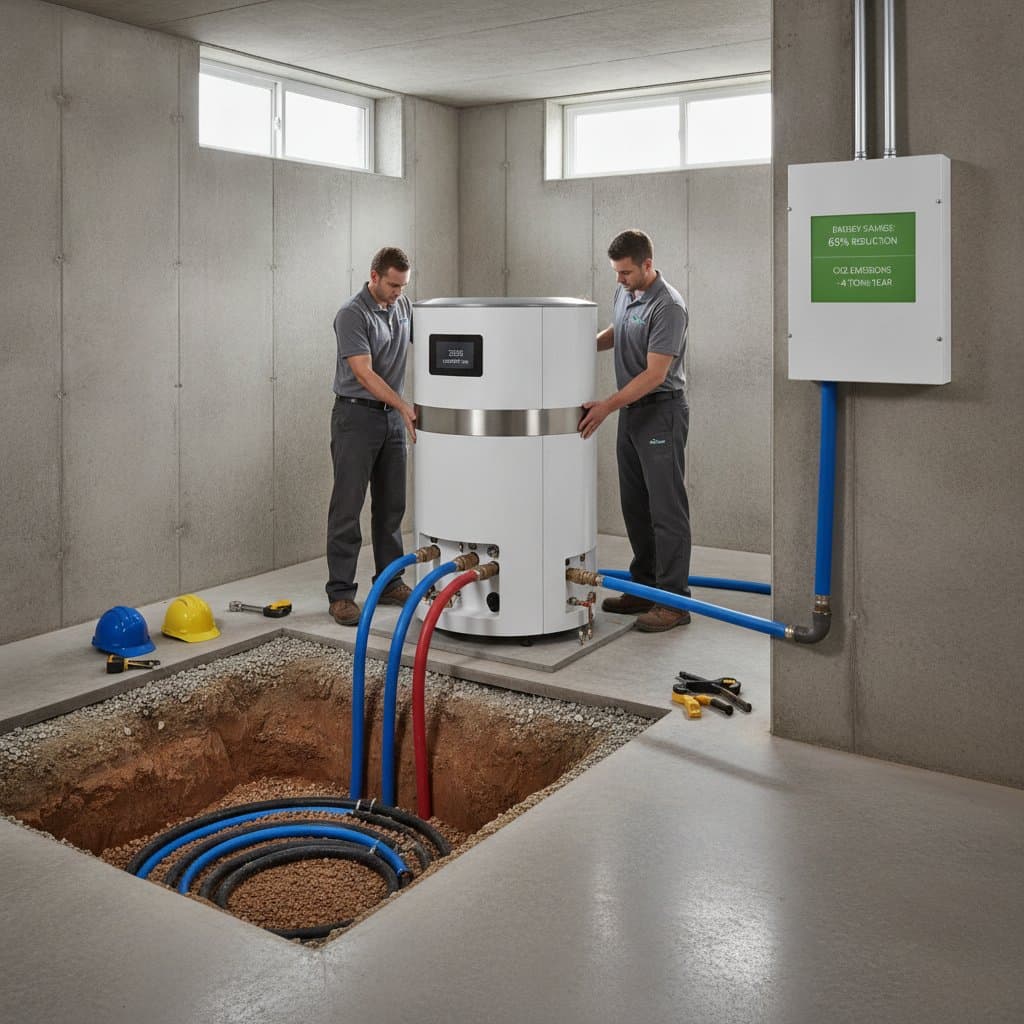
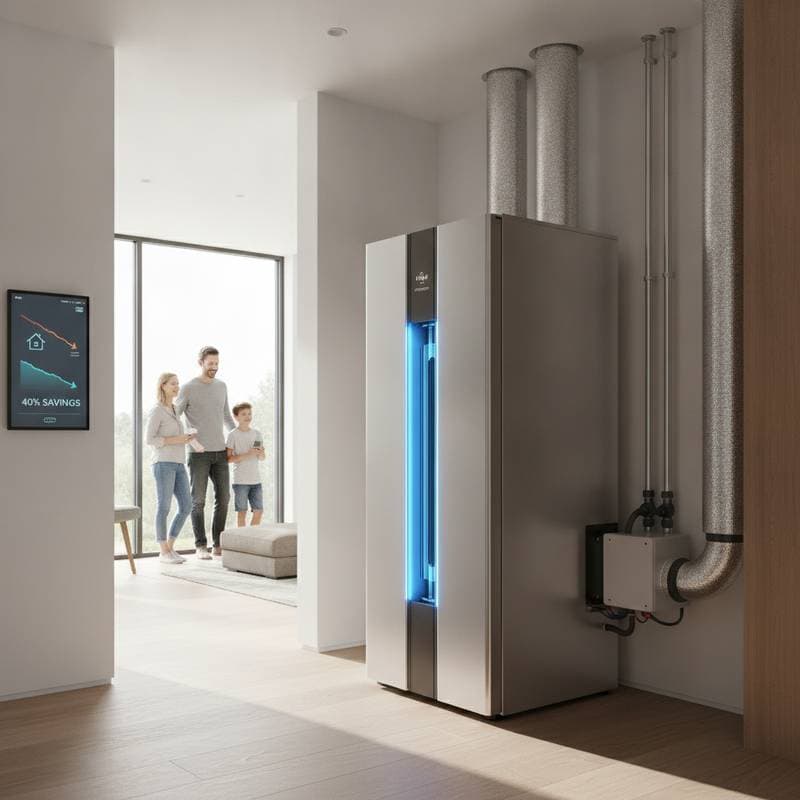
- Heat pump HVAC systems range from 8000 to 18000 dollars after installation, with federal credits covering up to 30 percent of qualified expenses.
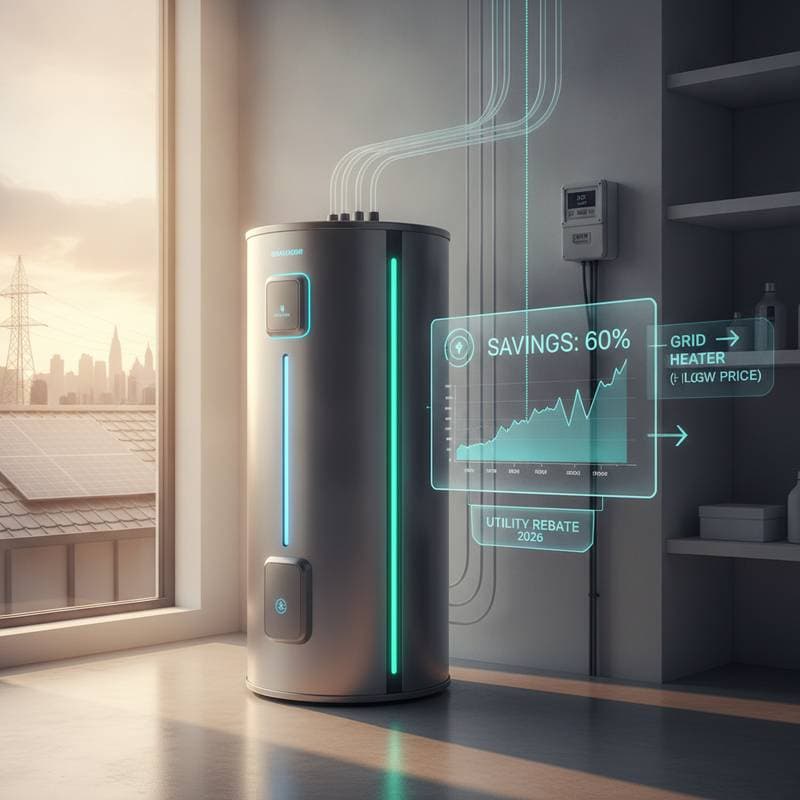
- Heat pump water heaters cost between 1500 and 3000 dollars, and many utility rebates offset several hundred dollars of that amount.
- Induction cooktops fall between 1000 and 3000 dollars depending on model and required wiring changes.
- Electrical panel upgrades usually total 2000 to 5000 dollars, with occasional partial rebates available.
Most households recover the net investment within five to ten years through reduced energy use and maintenance. Electric equipment maintains steady performance when paired with proper insulation.
Design Options That Preserve Home Aesthetics
Induction cooktops offer flat surfaces that simplify cleaning and provide precise heat control. Compact heat pump units fit inside utility closets without major layout changes. Smart thermostats allow remote scheduling that aligns energy use with daily routines.
Pairing Electrification With Other Efficiency Measures
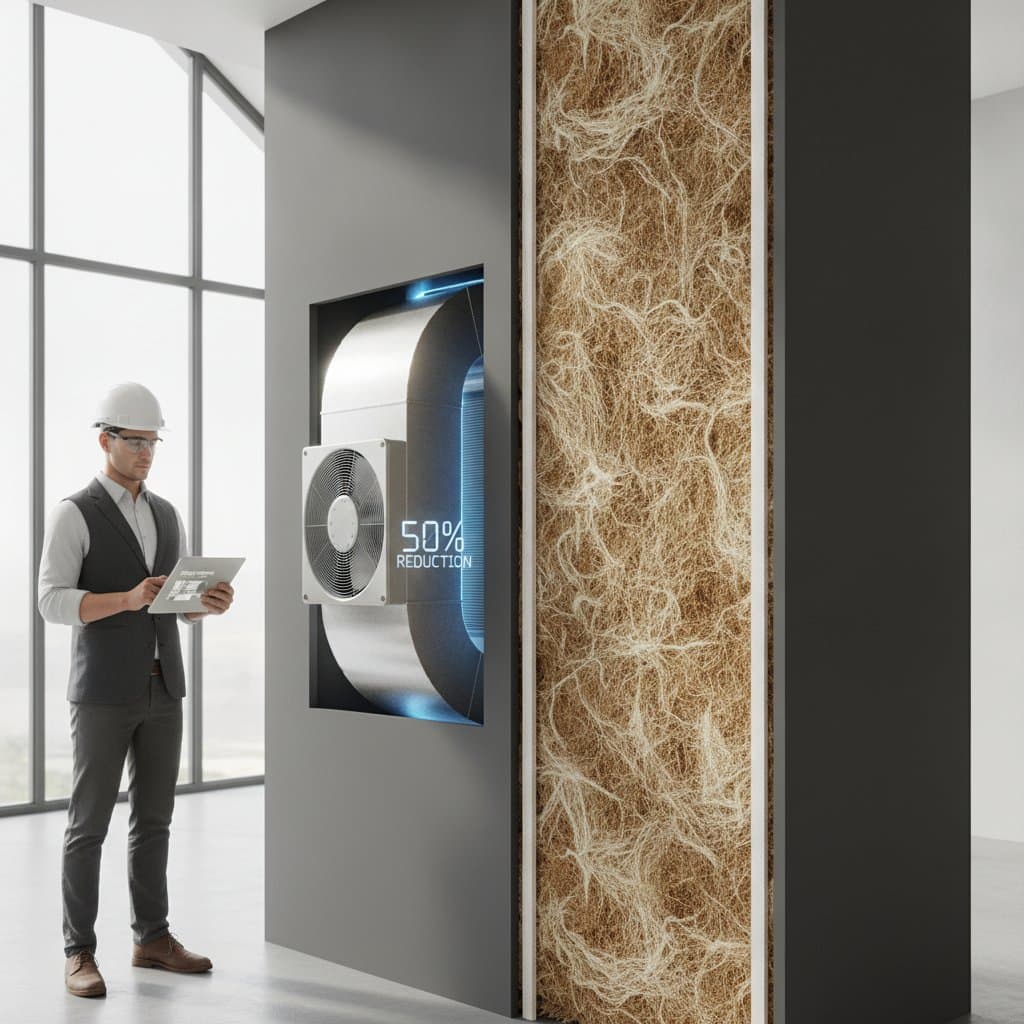
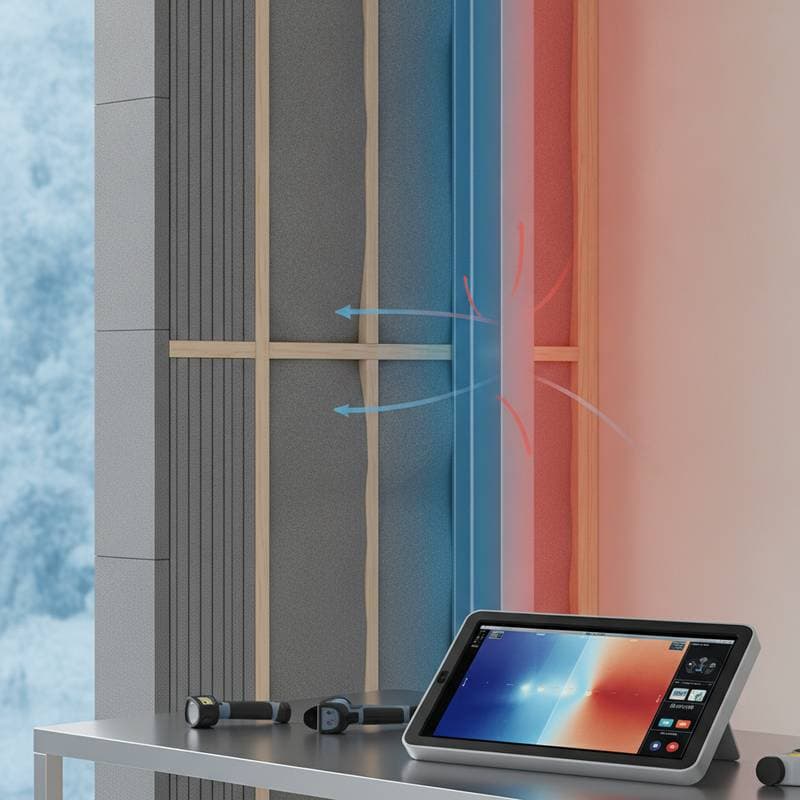
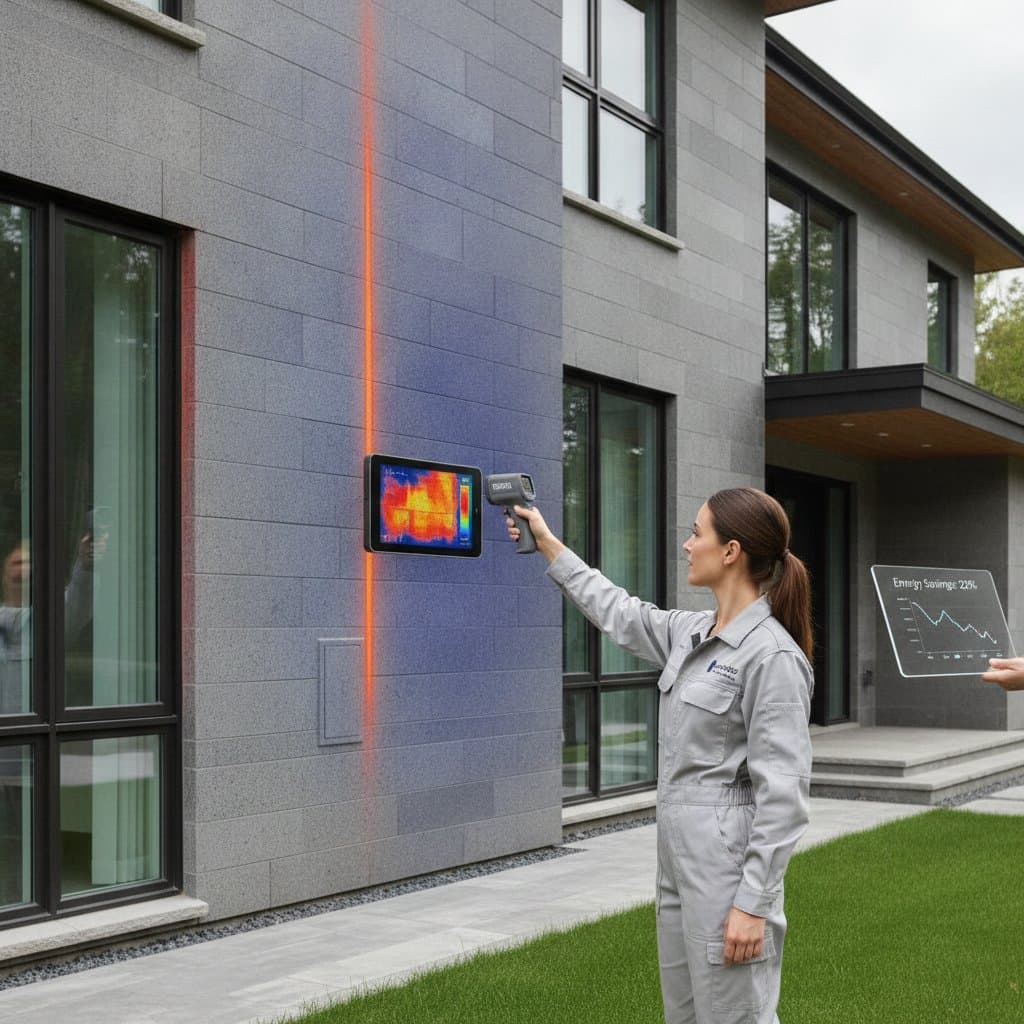
Solar panels, additional insulation, and high-performance windows increase the effectiveness of new electric systems. A well-sealed building envelope allows heat pumps to run at peak efficiency. Induction cooking also eliminates combustion byproducts that gas appliances release indoors.
Project Variables to Evaluate
Home age influences wiring and ductwork requirements. Local electricity rates determine how quickly savings accumulate. Modern cold-climate heat pumps perform well even in regions that experience freezing temperatures. Funding limits on certain rebate programs make early application advisable.
Answers to Frequent Questions
How do households qualify for the credits? Equipment must meet ENERGY STAR efficiency thresholds. Retain all receipts and certification documents for tax filing.
Is it possible to combine several incentives? Federal, state, and utility programs may be used together when each program permits stacking.
Must every system be replaced simultaneously? Projects can proceed in stages, beginning with the least efficient equipment.
How is power maintained during outages? Battery storage or generators integrate with electric systems to support essential circuits.
Planning an Electrification Timeline
Begin by listing equipment that has reached the end of its service life. Obtain multiple contractor bids that itemize eligible tax credit amounts. Submit rebate applications promptly to secure available funds. This approach converts a complex project into a series of manageable, cost-effective steps.