The Challenge of Going Truly Net-Zero
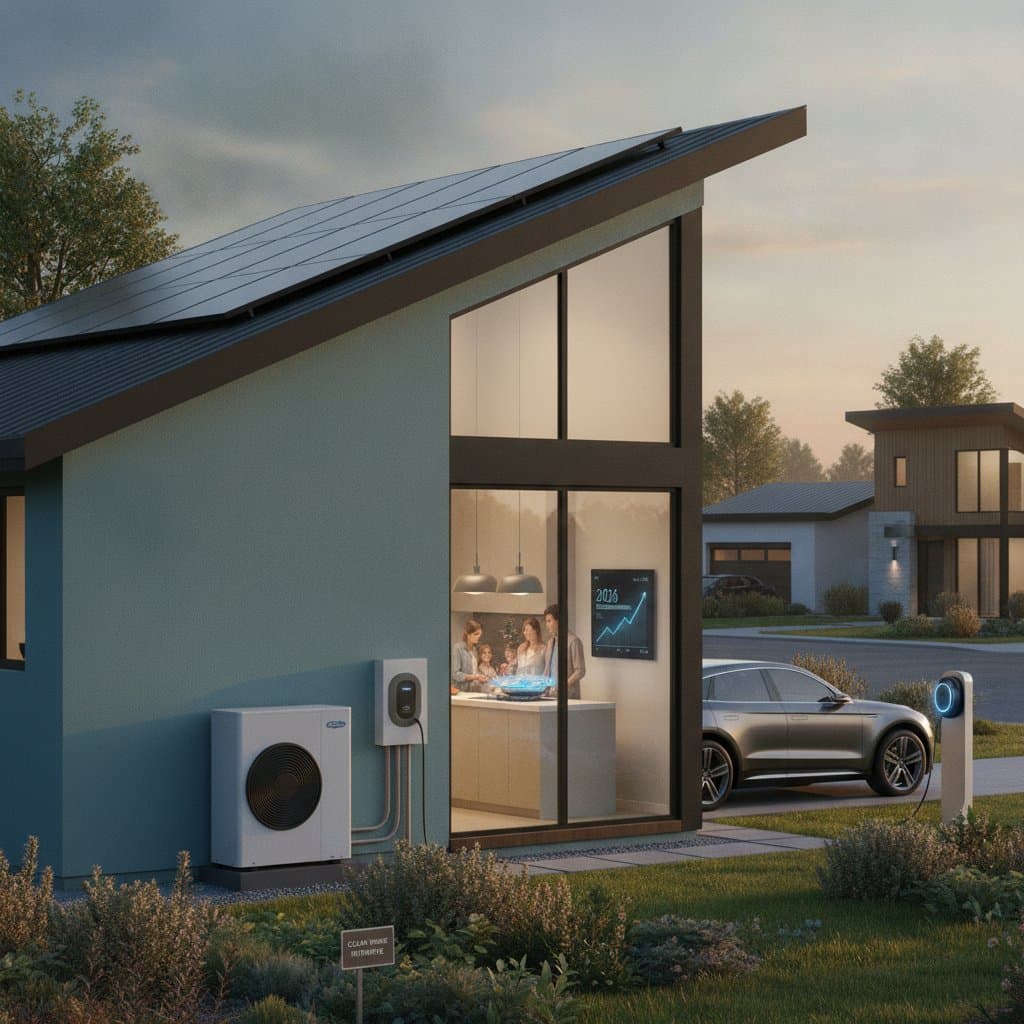
Picture walking into your home on a chilly morning and feeling perfectly comfortable without a furnace roaring in the background. The air feels fresh and the temperature stays steady while the utility bill stays near zero. That outcome defines a true net-zero retrofit, where a home produces as much clean energy as it consumes over a year.
Many homeowners start with solar panels alone. Yet the most reliable results come from treating the entire house as an integrated system first.
Why Whole-Home Retrofits Deliver Better Results
A net-zero home reduces exposure to energy price swings and improves resilience during outages. It also supports steadier indoor temperatures and cleaner air through controlled ventilation.
Verified net-zero homes often sell for 5 to 10 percent more than comparable properties. They can lower household carbon emissions by as much as 80 percent.
Key benefits include:
- Operating costs that fall 70 to 100 percent depending on climate and design
- More even temperatures and improved air quality from balanced ventilation
- Longer material life because moisture stays out of the building envelope
- Backup power from batteries that keeps critical loads running
Planning Steps That Produce Reliable Outcomes
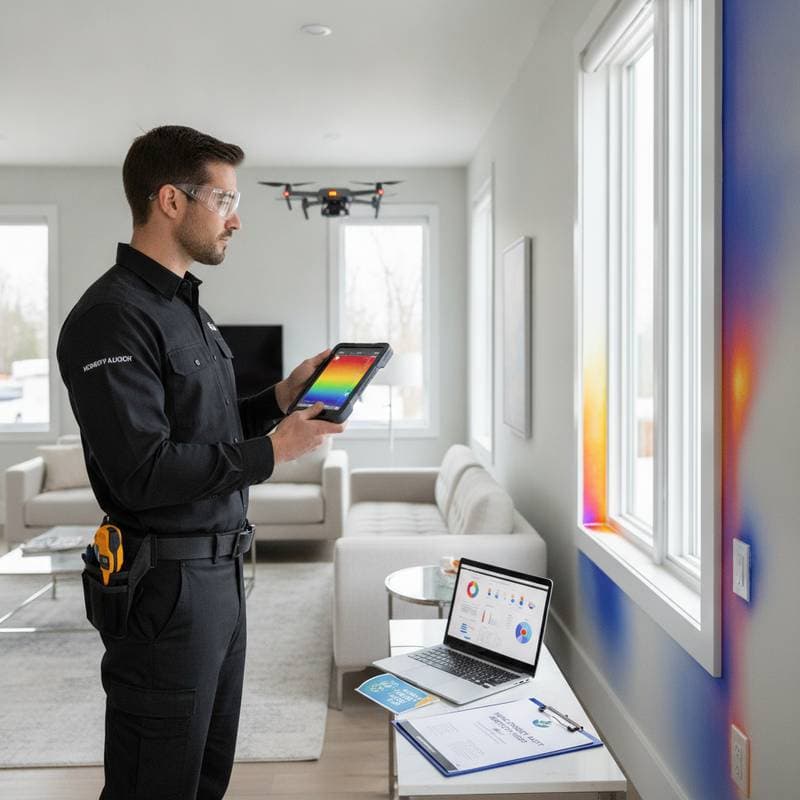
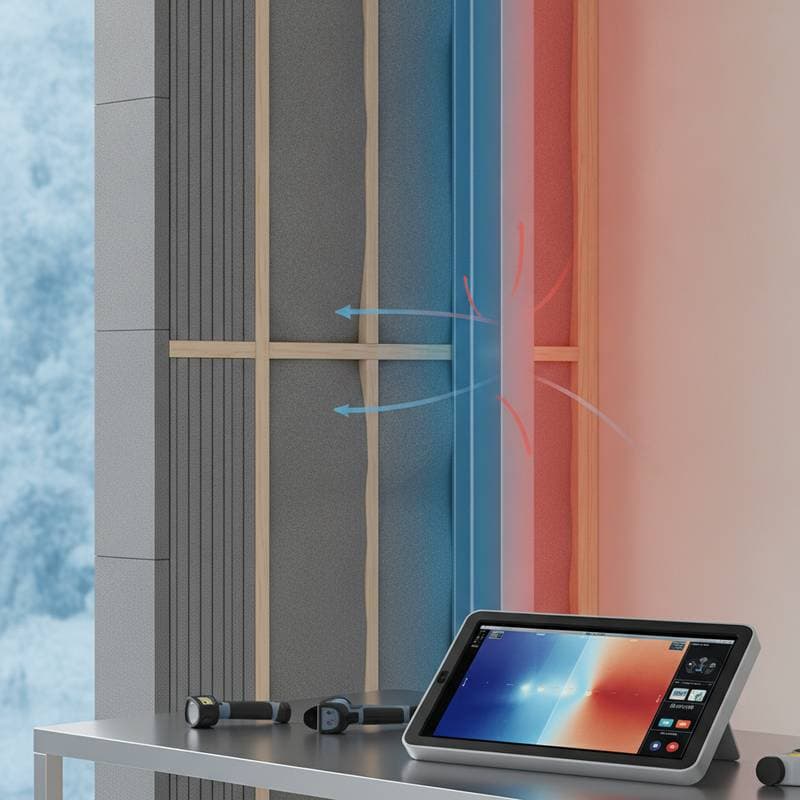
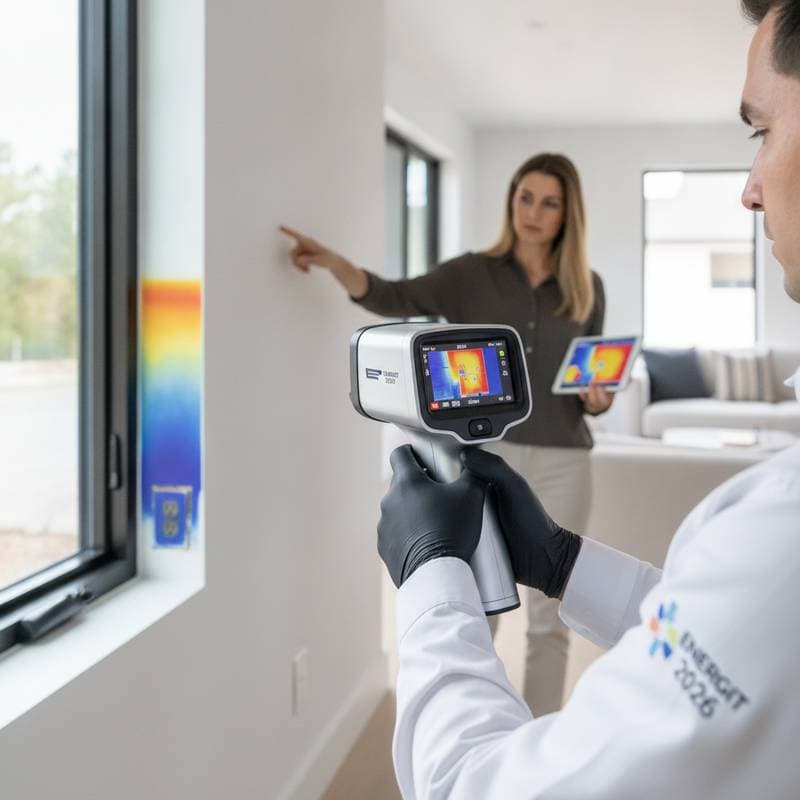
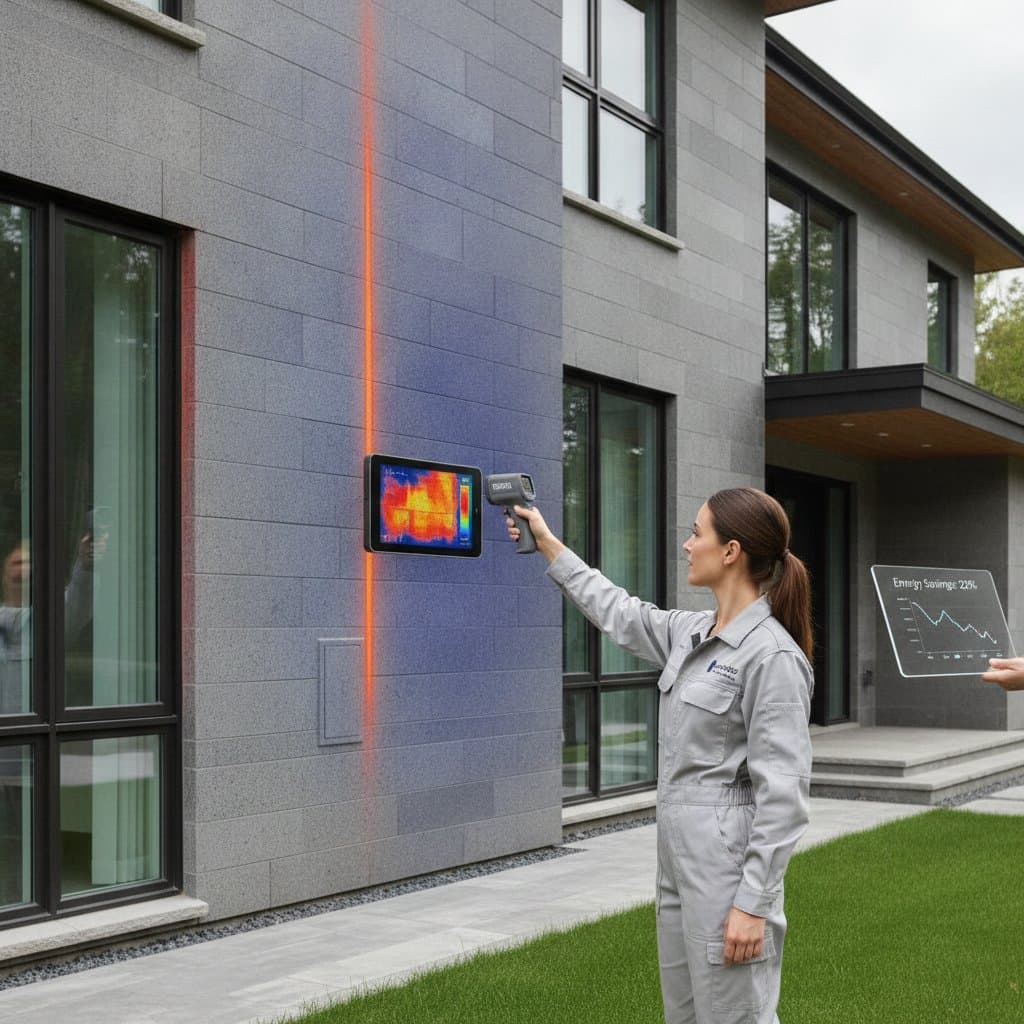
Successful projects begin with a full-house energy audit that uses blower-door testing and infrared scans to locate air leaks and weak spots.
Next, set measurable targets such as net-zero energy use, net-zero carbon emissions, or a 50 percent reduction in consumption. After goals are clear, focus on the building envelope by adding insulation and sealing leaks.
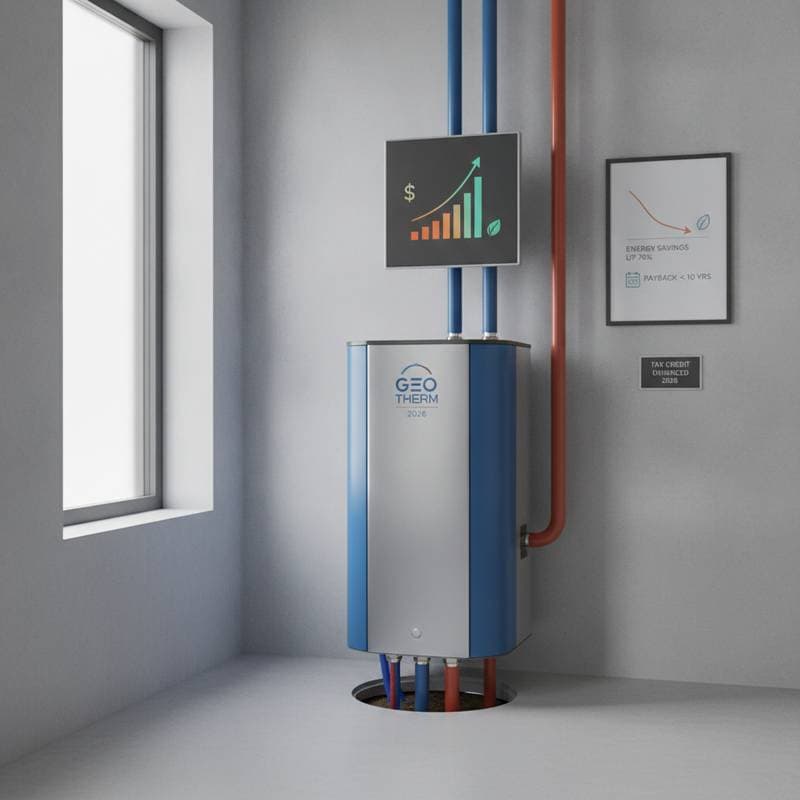
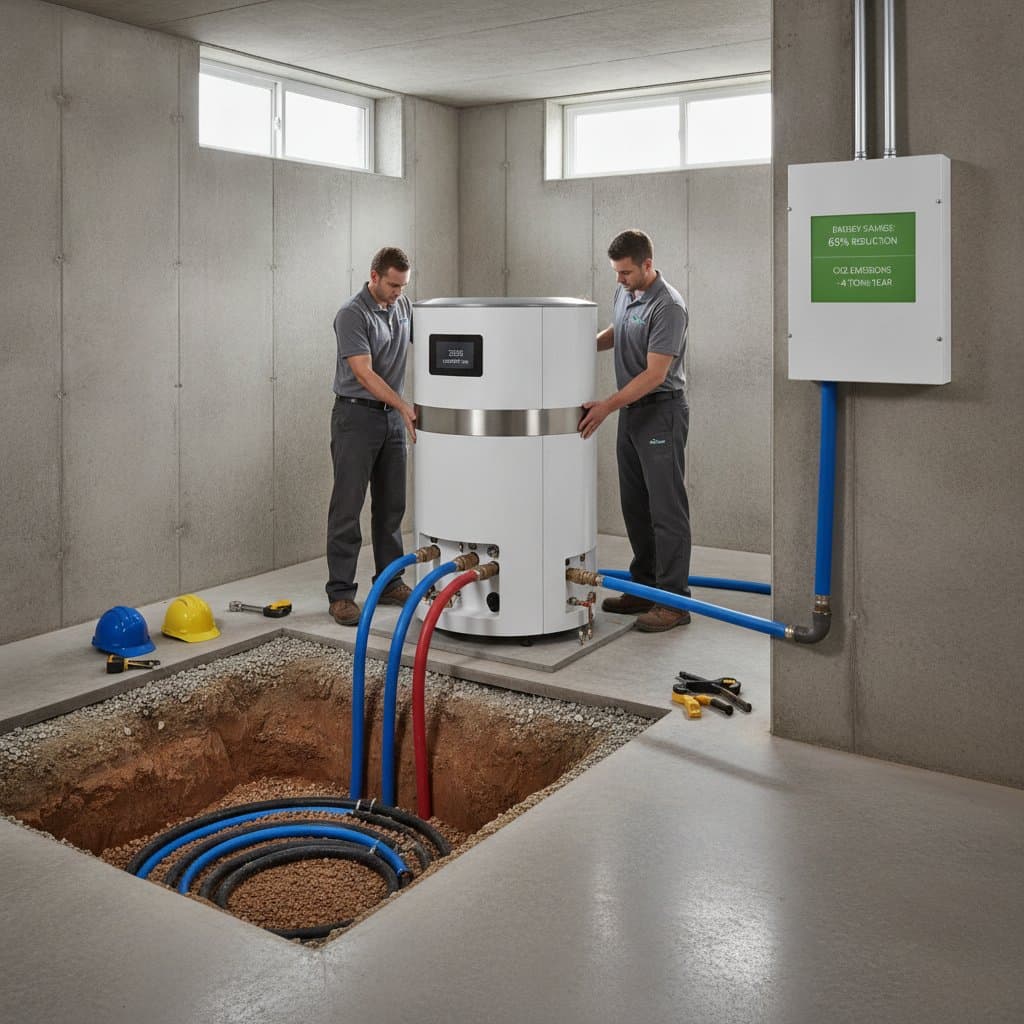
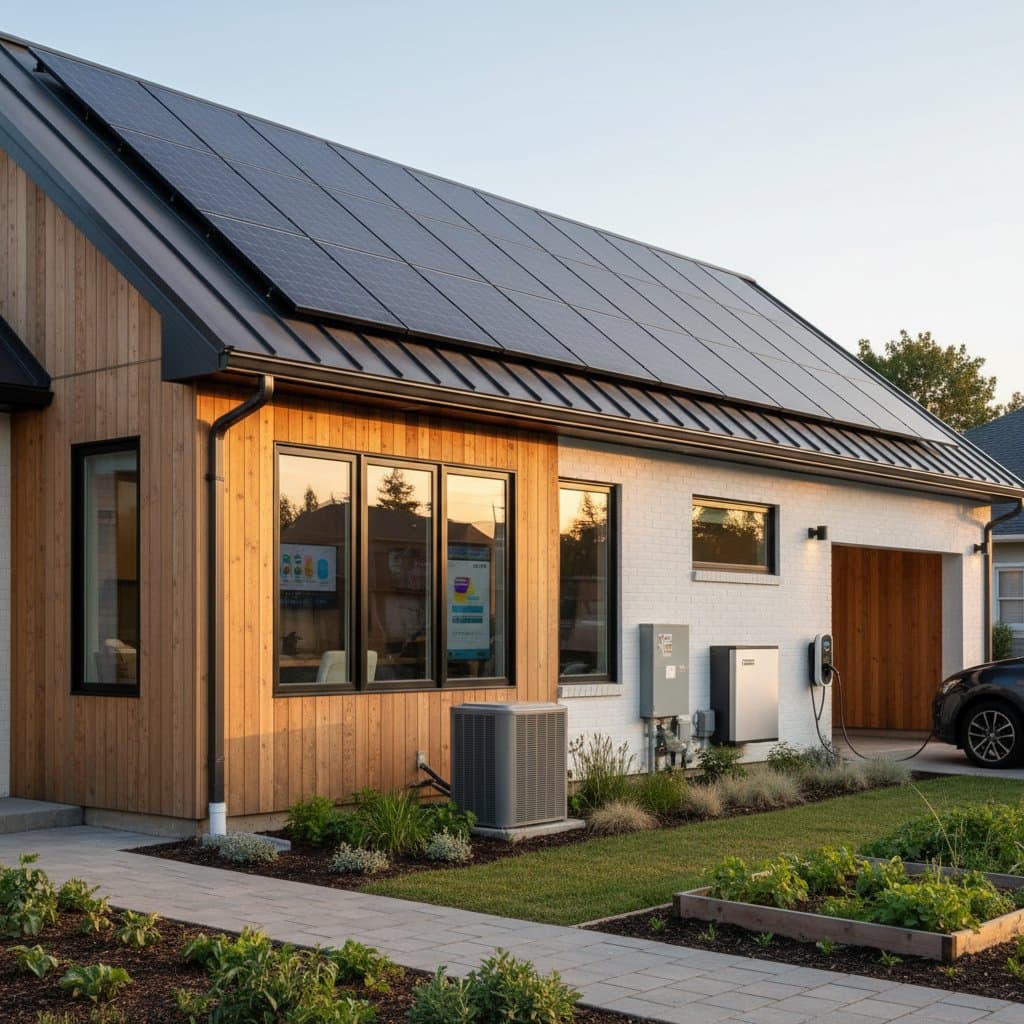
Once the shell is tight, replace combustion appliances with electric heat pumps and induction ranges. Only then size renewable systems to cover the reduced load.
Typical Cost Ranges and Payback Expectations
Basic air sealing plus attic insulation usually falls between 10,000 and 25,000 dollars. A deeper retrofit that includes windows, electrification, and solar commonly ranges from 50,000 to 150,000 dollars.
Full transformations that reach verified net-zero performance can reach 150,000 to 300,000 dollars. Energy savings frequently recover 5 to 10 percent of project cost each year, producing payback in roughly ten to fifteen years.
Green mortgages and low-interest efficiency loans spread payments while increasing home equity.
Design Choices That Support Both Performance and Livability
Passive shading, strategic window placement, and cool-roof coatings reduce summer heat gain without mechanical systems. Variable-speed heat pumps create separate comfort zones so living areas stay efficient.
Reclaimed wood, low-VOC finishes, and dense-pack cellulose improve indoor air quality while meeting performance targets. Solar arrays can be arranged to follow rooflines rather than dominate them.
Integrated Features That Maximize Efficiency
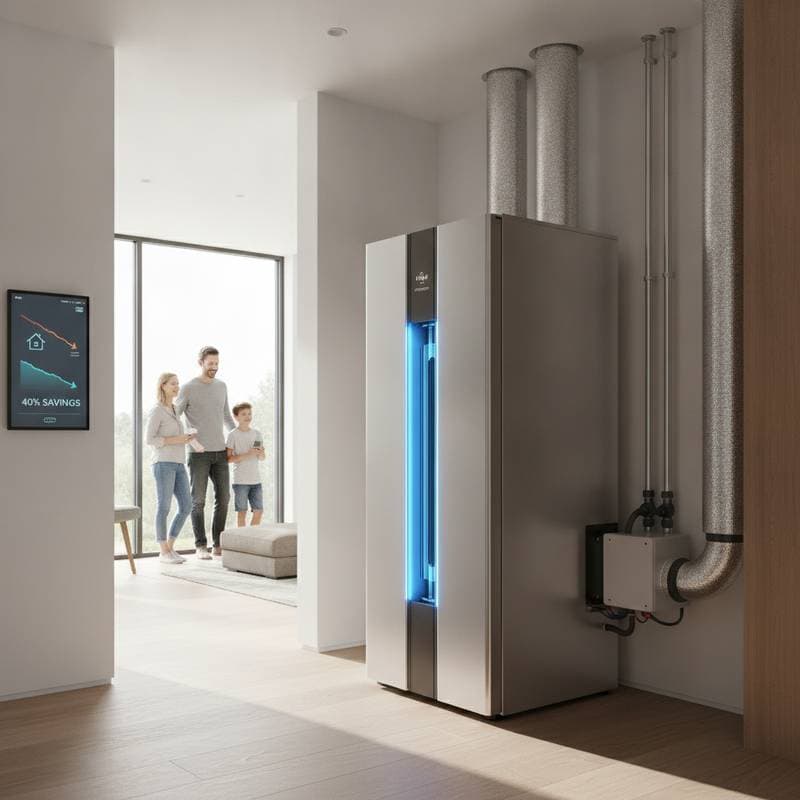
High-performance insulation cuts heat loss by 40 to 60 percent. Triple-glazed windows lower energy use and reduce outside noise. Heat-recovery ventilators supply fresh air without wasting warmth.
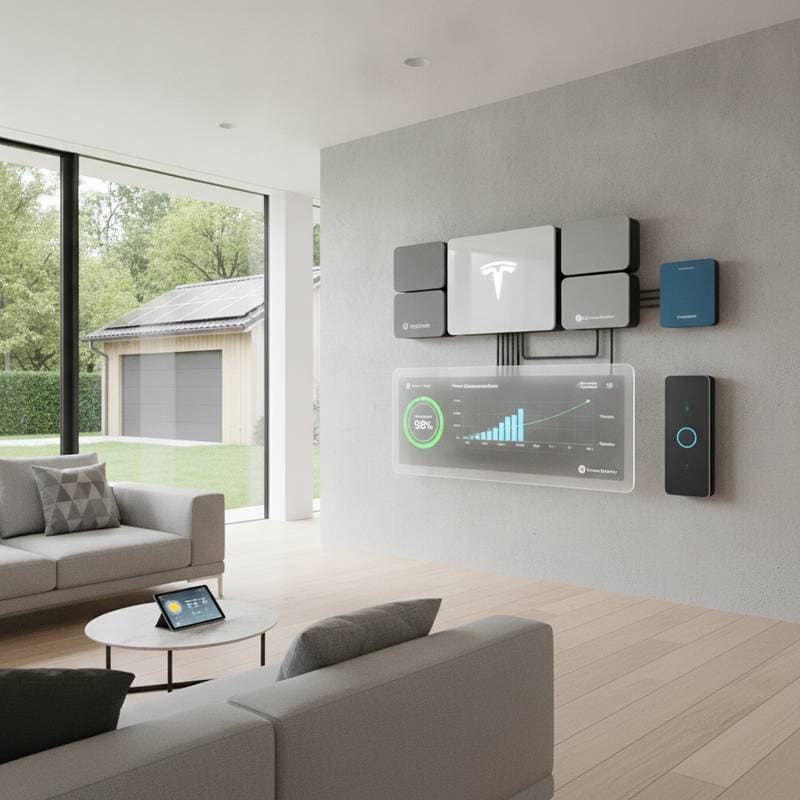
Real-time energy monitors and battery storage increase self-consumption of on-site solar power. Together these measures create quieter, healthier, and more durable homes.
Answers to Common Retrofit Questions
Almost any existing home can achieve large reductions. A professional energy model shows whether full net-zero is realistic given location, structure, and budget.
Certifications such as Passive House, LEED for Homes, or Zero Energy Ready Home provide third-party verification and can support higher resale value.
Projects can proceed in phases when early work is planned to support later additions. Maintenance stays comparable to conventional homes and centers on filter changes and periodic system checks.
Next Actions for Homeowners
Schedule an energy audit to identify the largest opportunities. Use the findings to create a phased plan that balances budget with performance targets. Homes that follow this sequence become more comfortable, more resilient, and more valuable over time.