Key Points
- Geothermal cooling systems use the constant underground temperature to provide efficient heating and cooling for buildings, offering a dependable alternative to traditional air conditioners.
- High initial costs once limited widespread use, but improvements in drilling methods, materials, and financing have made these systems more accessible.
- Increasing energy prices and building codes that emphasize efficiency encourage homeowners and builders to choose ground-source heat pumps.
- Government tax credits, sustainability certifications, and growing awareness of environmental impacts boost demand for these technologies.
- With proven technology, supportive market conditions, and alignment with global sustainability goals, geothermal cooling emerges as a key innovation for reliable home climate control.
Understanding Geothermal Cooling
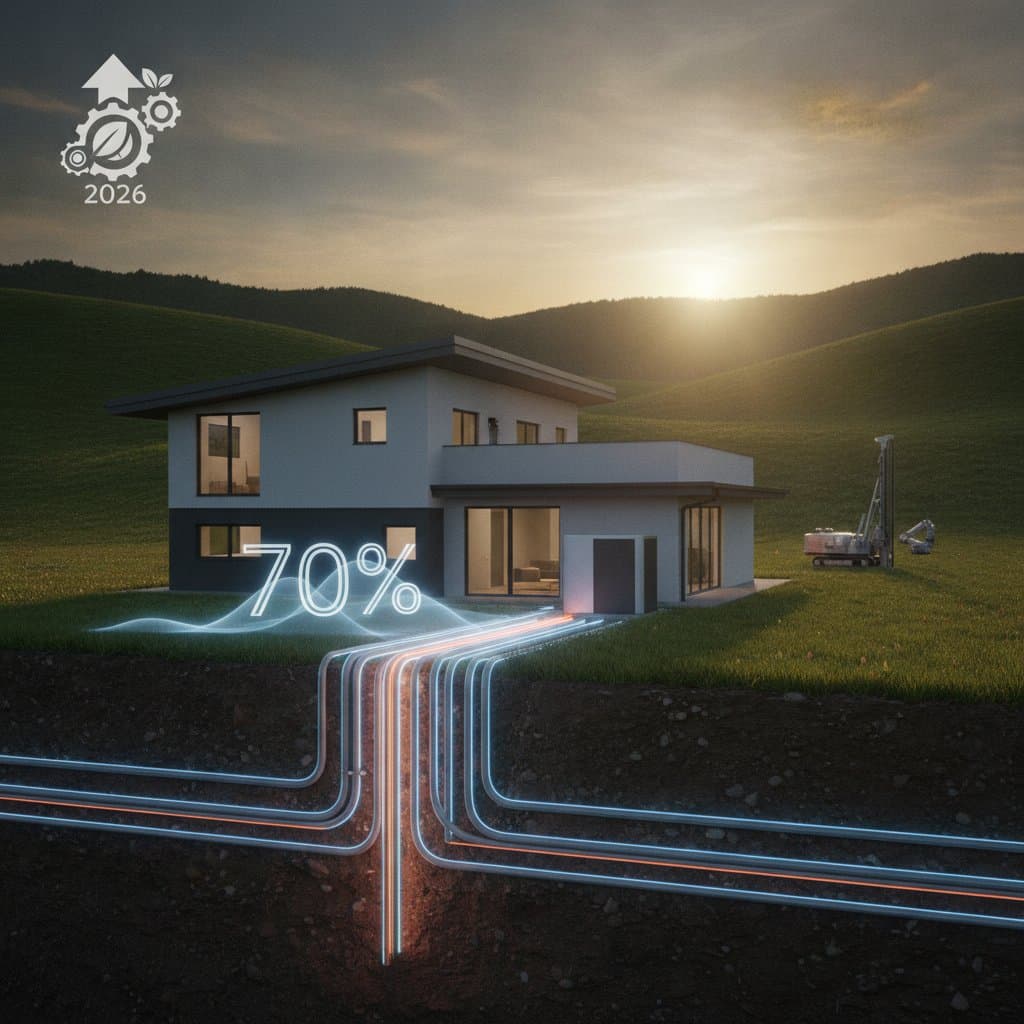
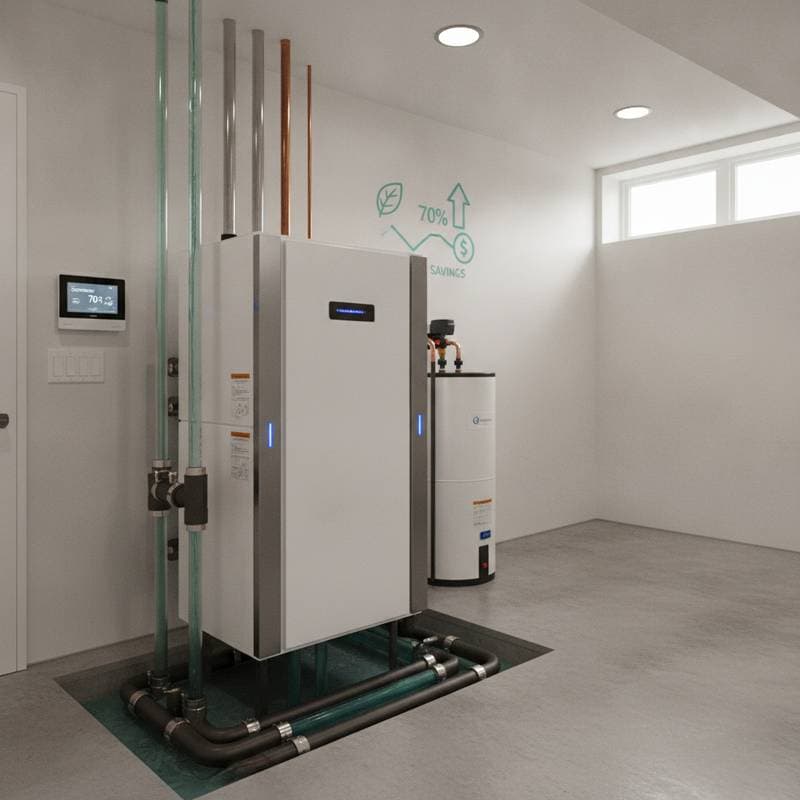
Conventional air conditioning units depend on fluctuating outdoor temperatures, which can reduce their effectiveness during extreme heat. Geothermal systems, however, tap into the stable temperatures just below the earth's surface, typically between 45 and 75 degrees Fahrenheit depending on location. This steady source allows for efficient heat exchange, reducing energy use by 40 to 70 percent compared to standard systems.
These systems provide advantages that meet modern homeowner priorities beyond energy efficiency alone. They operate with minimal noise since no large outdoor units are required. The underground components last 50 years or more, and the indoor heat pump endures for 25 years with proper maintenance. Additionally, geothermal setups avoid fossil fuel combustion, resulting in zero on-site emissions and improved indoor air quality.
As electricity rates rise and preferences shift toward eco-friendly homes, geothermal cooling gains strong appeal for its reliability and long-term value.
Breaking Down Costs and Return on Investment
The upfront investment for a geothermal system can seem substantial, often ranging from $20,000 to $40,000 for a typical single-family home, depending on size and site conditions. Larger properties or complex installations may exceed $50,000. Yet, these figures represent only part of the equation when considering lifetime savings.
Initial Expenses
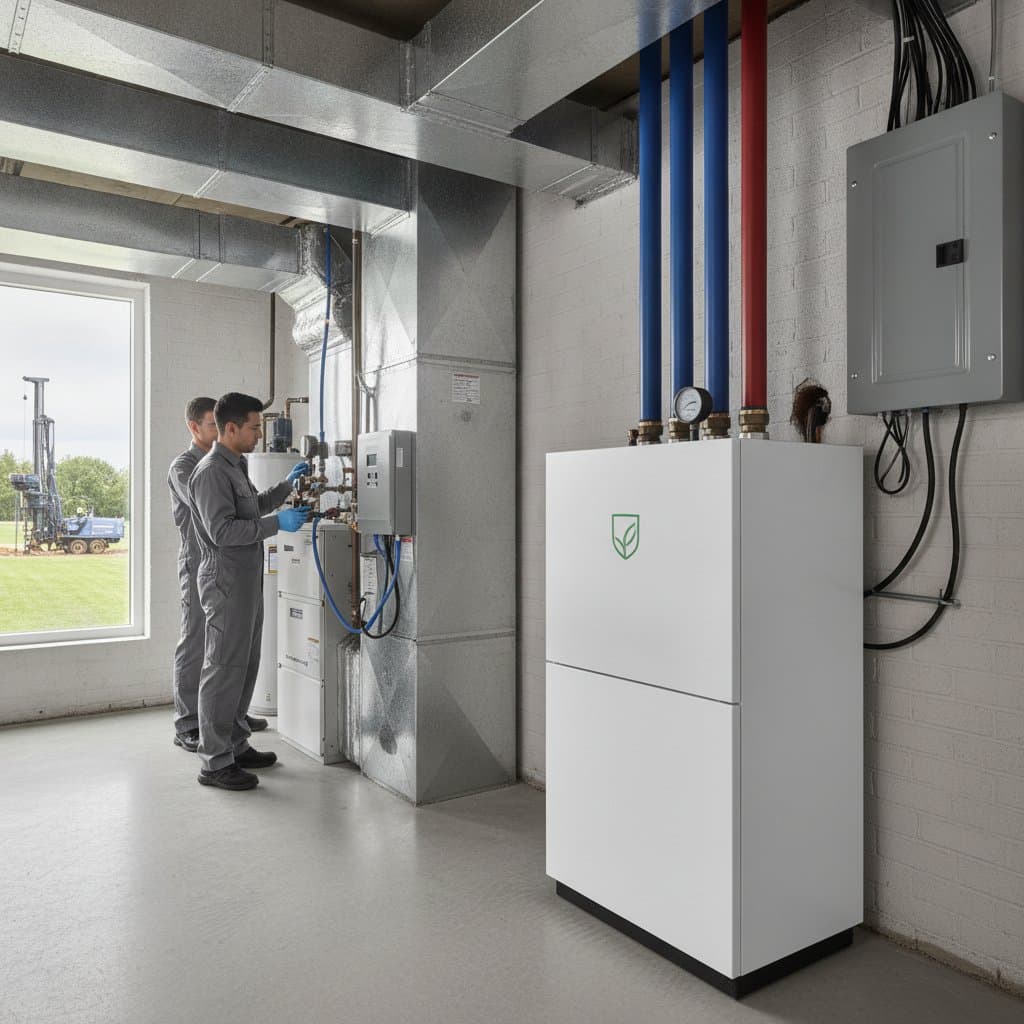
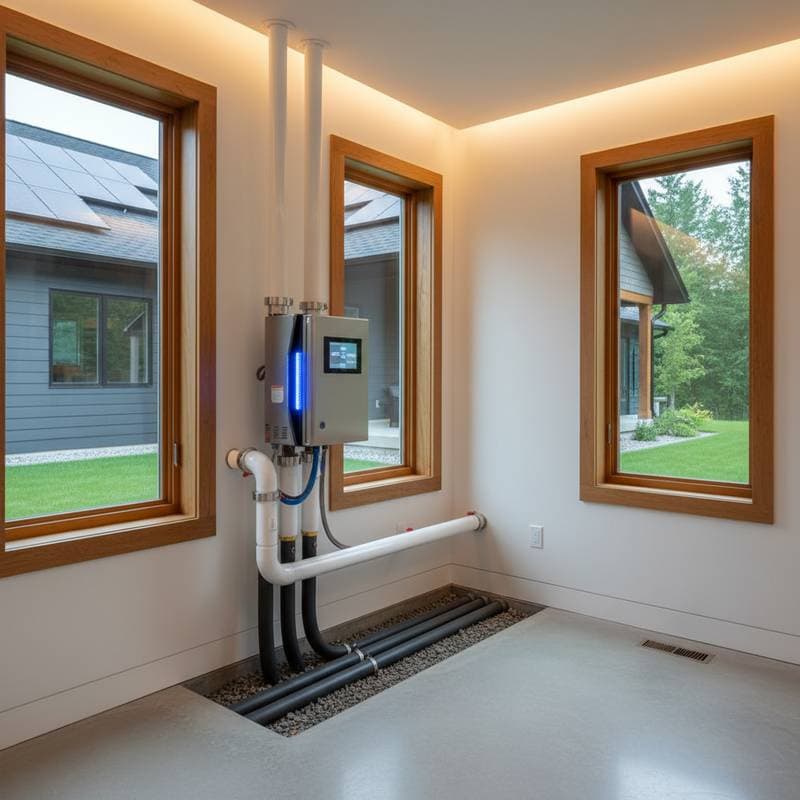
- Ground loop installation: This forms about 50 percent of the total cost and involves excavating or drilling for pipes that circulate fluid to absorb or release heat.
- Heat pump equipment: Costs vary from $5,000 to $15,000 based on the unit's size, efficiency rating, and brand.
- Additional components: Ductwork modifications or control systems add $2,000 to $5,000 if integrating with an existing setup.
Ongoing Savings and Payback
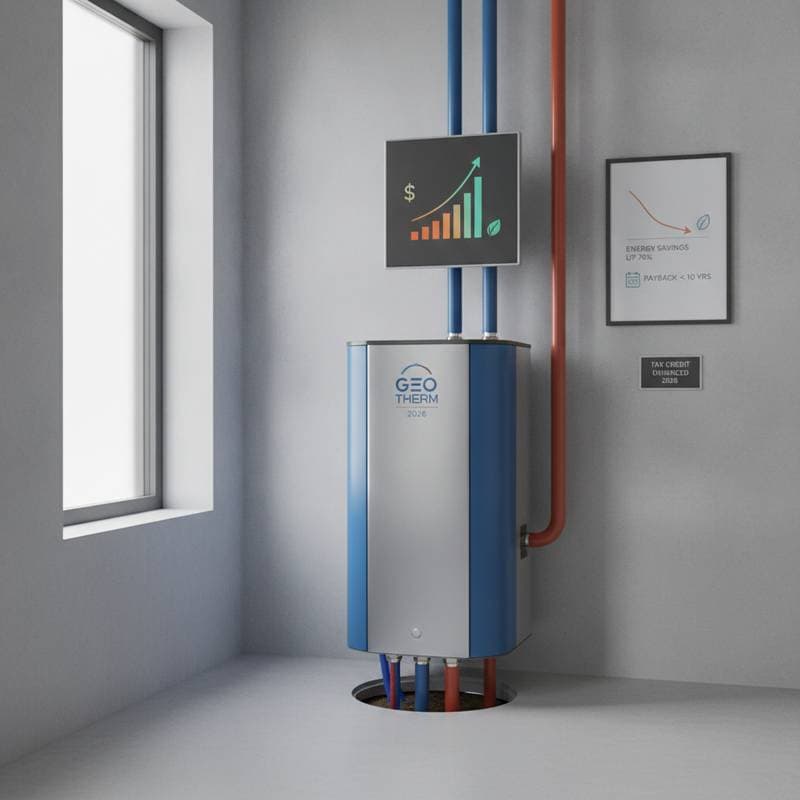
Owners often see 40 to 60 percent lower bills for both cooling and heating. For a home with average annual energy costs of $2,500, this translates to $1,000 to $1,500 in yearly savings. Most systems recoup their cost in 7 to 12 years, after which they deliver pure profit for the remaining lifespan, potentially saving tens of thousands over decades.
Boost to Home Value
Homes with geothermal systems sell faster and at higher prices, with studies showing premiums of 2 to 5 percent. Buyers value the predictable utility costs and enhanced comfort, making these properties stand out in competitive markets.
Key Factors Affecting Installation and Performance
Several site-specific elements influence the cost, efficiency, and feasibility of a geothermal project. Understanding them helps set appropriate expectations and guides decision-making.
- Soil type: Clay or silt soils may require different drilling techniques than sandy or rocky ground to ensure stable loop placement.
- Groundwater levels: High water tables improve heat transfer but necessitate waterproof seals to protect equipment.
- Building efficiency: Well-insulated homes with tight seals reduce the system's required capacity, lowering both installation and operating costs.
- Local climate: Systems excel in moderate climates but still offer significant savings in extremes, with efficiency tied to the difference between ground and air temperatures.
- Installer expertise: Experienced contractors design optimal loop lengths and fluid types, often reducing long-term energy use by 10 to 20 percent.
Homeowners benefit from consulting multiple certified professionals, reviewing past projects, and checking affiliations with organizations like the International Ground Source Heat Pump Association.
Current Market Trends Driving Adoption
Several economic and regulatory forces contribute to the surge in geothermal interest. These trends create favorable conditions for expansion.
- Energy price increases: With electricity costs rising 3 to 5 percent annually in many regions, efficient alternatives like geothermal become essential for budget management.
- Government support: Federal tax credits cover up to 30 percent of costs, while state rebates can add thousands more for qualifying installations.
- Sustainability standards: Programs like LEED certification reward low-emission buildings, incentivizing developers to incorporate geothermal from the start.
- Innovation in equipment: Compact heat pumps and horizontal loop options reduce excavation needs, cutting installation time by up to 50 percent.
- Shifting consumer priorities: Surveys show 70 percent of buyers now prioritize energy-efficient features, influencing both new construction and renovations.
Together, these developments signal a shift from specialized use to everyday application in residential settings.
How to Get Started with Geothermal Cooling
The ground under a home offers untapped potential as a source of stable, renewable energy for climate control.
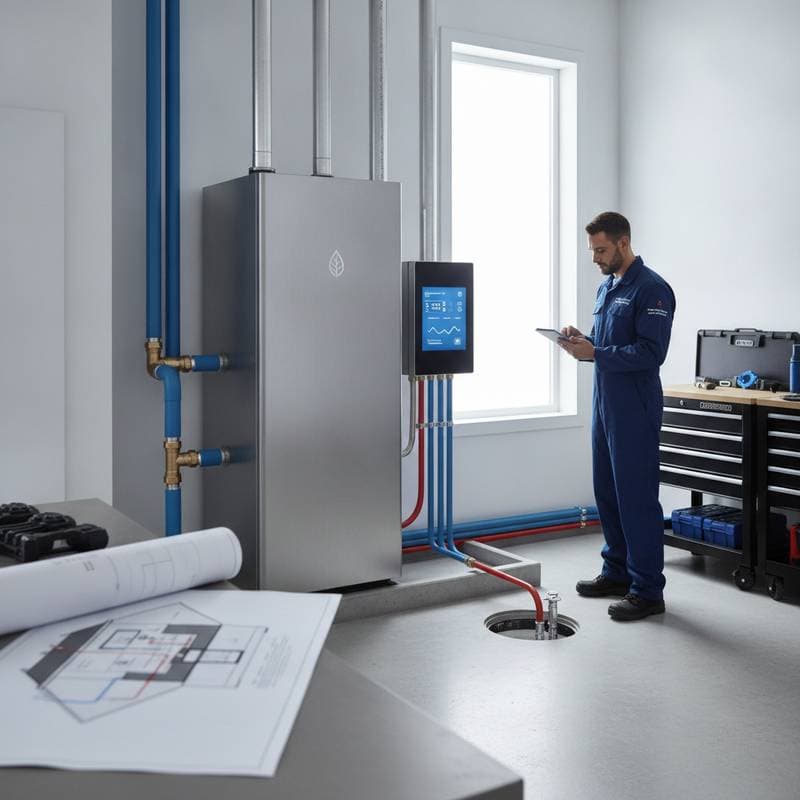
- Assess your property: Hire a geothermal designer to evaluate soil, space, and energy needs through a professional audit, which costs $500 to $1,000 but informs accurate planning.
- Gather detailed bids: Request proposals from at least three contractors, specifying loop type (vertical, horizontal, or pond), system size, and projected energy savings.
- Secure financial aid: Apply for federal incentives via IRS Form 5695 and explore low-interest loans from programs like those offered by the Department of Energy.
- Consider future benefits: Weigh the system's low maintenance—annual checks cost under $200—against its contribution to energy independence and resale value.
Realizing Lasting Comfort and Savings
Geothermal cooling integrates advanced efficiency with everyday practicality, ensuring consistent temperatures without the drawbacks of traditional methods. Homeowners who adopt it enjoy reduced expenses, enhanced durability, and a smaller environmental footprint. As these systems become more attainable, they pave the way for broader access to sustainable living.