Geothermal Cooling: Costs Set to Drop 50% by 2026
Homeowners facing rising temperatures and escalating energy bills often overlook the stable temperatures just below the surface. Geothermal cooling harnesses this natural resource to deliver efficient, eco-friendly comfort. As installation costs prepare to decrease by half, a technology previously reserved for high-end properties becomes accessible to average households. The focus now shifts to preparation and timing for optimal benefits.
Essential Facts
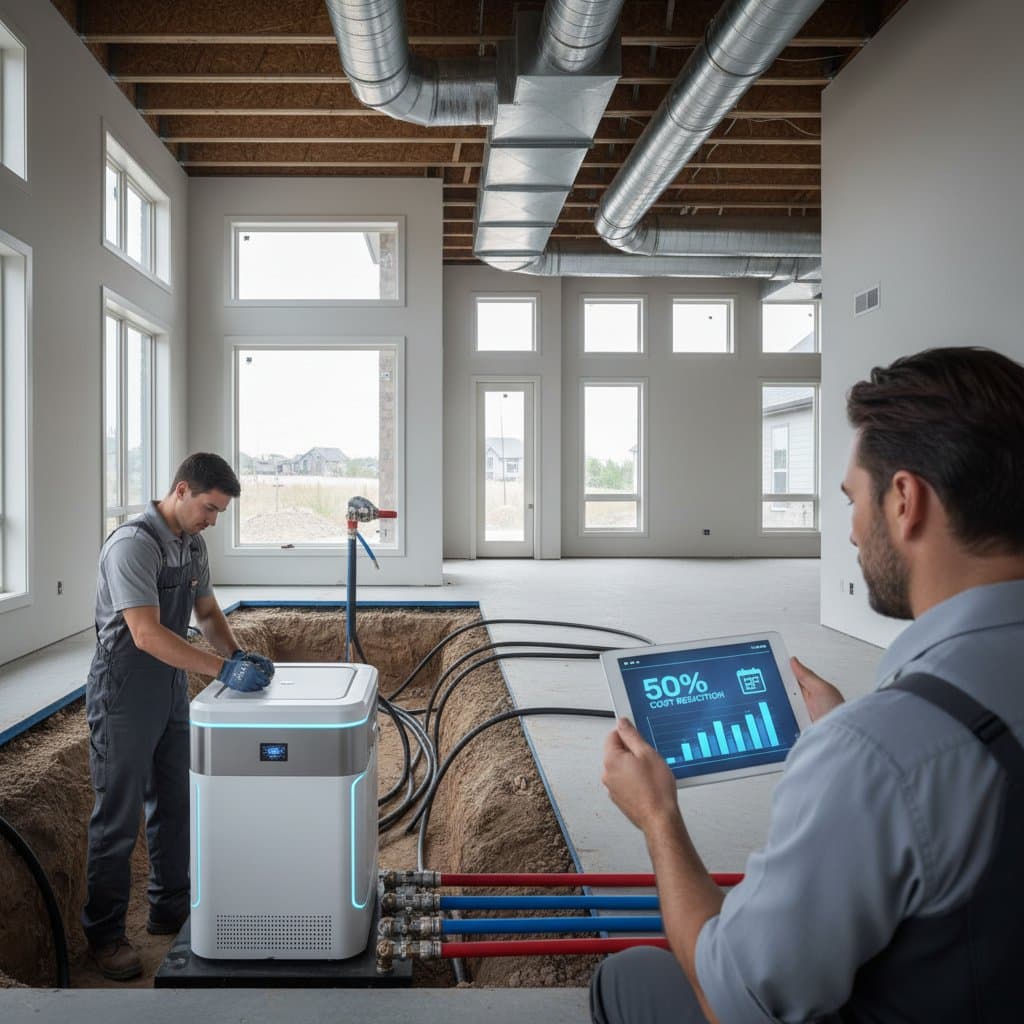
- Installation costs for geothermal cooling systems will decline by approximately 50 percent, thanks to enhanced manufacturing and broader installer availability.
- Energy savings range from 25 to 65 percent relative to conventional air conditioning units.
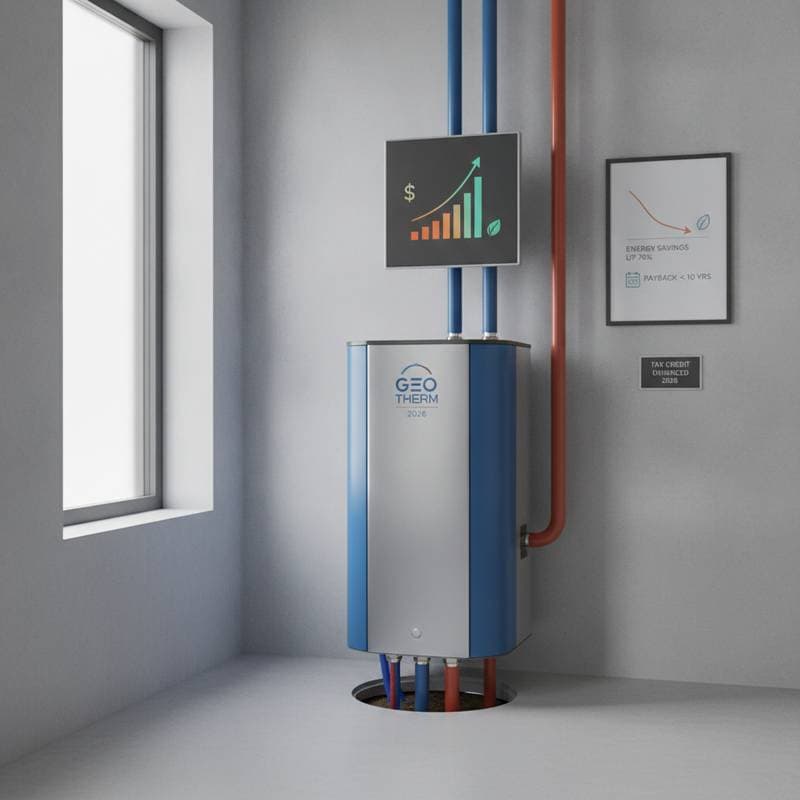
- Return on investment generally occurs within 5 to 10 years, influenced by local energy rates and site-specific factors.
- Federal and state incentives, including tax credits, reduce initial expenses significantly.
- Geothermal heat pumps handle both heating and cooling, ensuring consistent performance and reduced utility fluctuations.
Factors Driving the Cost Reduction
High upfront expenses have long positioned geothermal cooling as a luxury upgrade. Recent developments are changing that dynamic. Several key elements contribute to the anticipated price reductions.
- Innovations in drilling techniques and loop production have shortened installation timelines by up to 50 percent. Durable, flexible piping simplifies deployment, minimizes connections, and lowers the potential for failures.
- Comprehensive training initiatives for contractors have boosted supply in various markets, fostering competition that drives down bids.
- Policy support through rebates and incentives directly subsidizes residential installations, especially those aligned with broader sustainability objectives.
According to data from the International Ground Source Heat Pump Association, average costs for home systems have decreased by about 25 percent in recent years. Projections indicate an additional 25 percent drop as production scales up and supply chains optimize.
Cost Breakdown Table
| System Type | Average Installed Cost (Current) | Projected Cost (2026) | Typical Annual Savings | Estimated Payback Period |
|---|---|---|---|---|
| Horizontal Closed Loop | $25,000 | $12,500 | $800 - $1,200 | 8 years |
| Vertical Closed Loop | $30,000 | $15,000 | $1,000 - $1,400 | 9 years |
| Pond Loop | $20,000 | $10,000 | $700 - $1,000 | 7 years |
Estimates represent national averages and may vary based on location, property size, and geological features.
These figures underscore the growing viability of geothermal systems. Once prices match those of premium air conditioners, the long-term efficiency gains tip the scales decisively in favor of adoption.
Incentives and Enduring Benefits
The economic appeal strengthens considerably with available support programs. Federal tax credits often cover 20 to 30 percent of qualified expenses, while local utilities provide additional rebates based on demonstrated efficiency improvements. Pair these with reduced monthly bills, and geothermal cooling emerges as a prudent investment for energy management.
Available Financing Paths
Many providers and regional energy groups extend low-interest loans tailored to geothermal installations. These plans structure payments to align with realized savings, easing the transition. In select areas, community shared-loop arrangements enable neighbors to share infrastructure, slashing individual drilling expenses and land impacts.
Addressing Installation Hurdles
Geothermal systems offer compelling upsides, yet they demand careful site evaluation. Challenging soil compositions, elevated groundwater levels, or constrained outdoor areas can pose obstacles. Vertical configurations mitigate some constraints through deeper placement, though they necessitate advanced equipment and regulatory approvals. Even with declining prices, initial outlays surpass those for routine HVAC replacements.
Properties undergoing major updates or new builds present ideal opportunities, as groundwork integrates seamlessly with other projects. For established homes, retrofits remain feasible, albeit potentially involving extra site work like pathway excavation or yard restoration.
Site Readiness Assessment
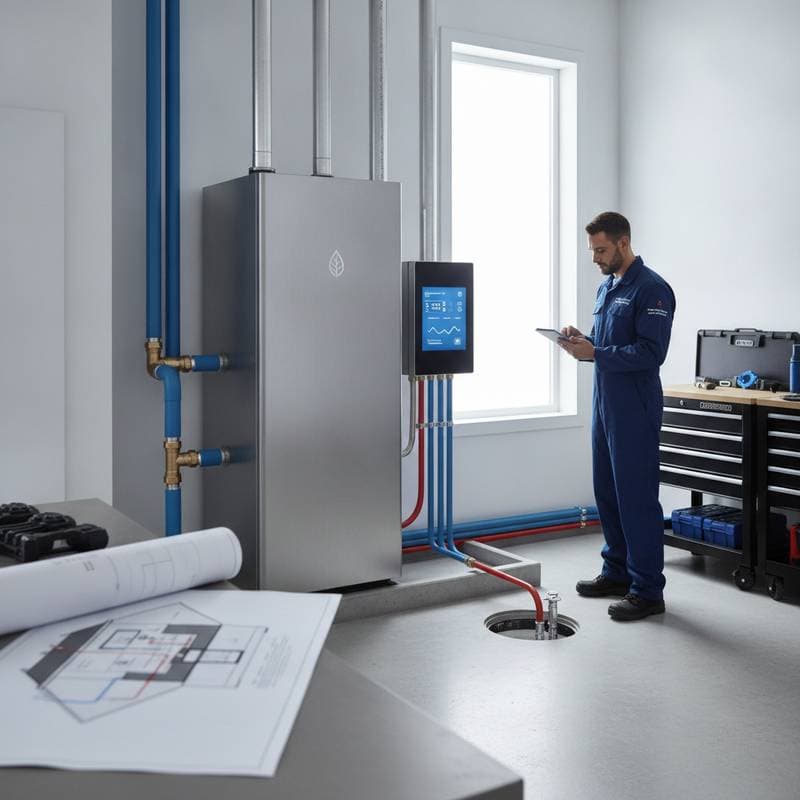
Start by consulting a certified geothermal specialist for a thorough property review. This process analyzes soil properties, water dynamics, and feasible loop designs. Professionals also perform a Manual J calculation to determine precise heating and cooling demands, guaranteeing an appropriately scaled system. Proper sizing enhances performance and extends operational longevity.
Steps to Secure Your Geothermal Upgrade
To proceed effectively, identify reputable installers through industry directories or local energy offices. Gather quotes from at least three providers, emphasizing those with proven track records in your region. Review incentive eligibility via official government resources to maximize rebates. Schedule your assessment early to align with the 2026 cost reductions, positioning your home for sustained savings and environmental gains.