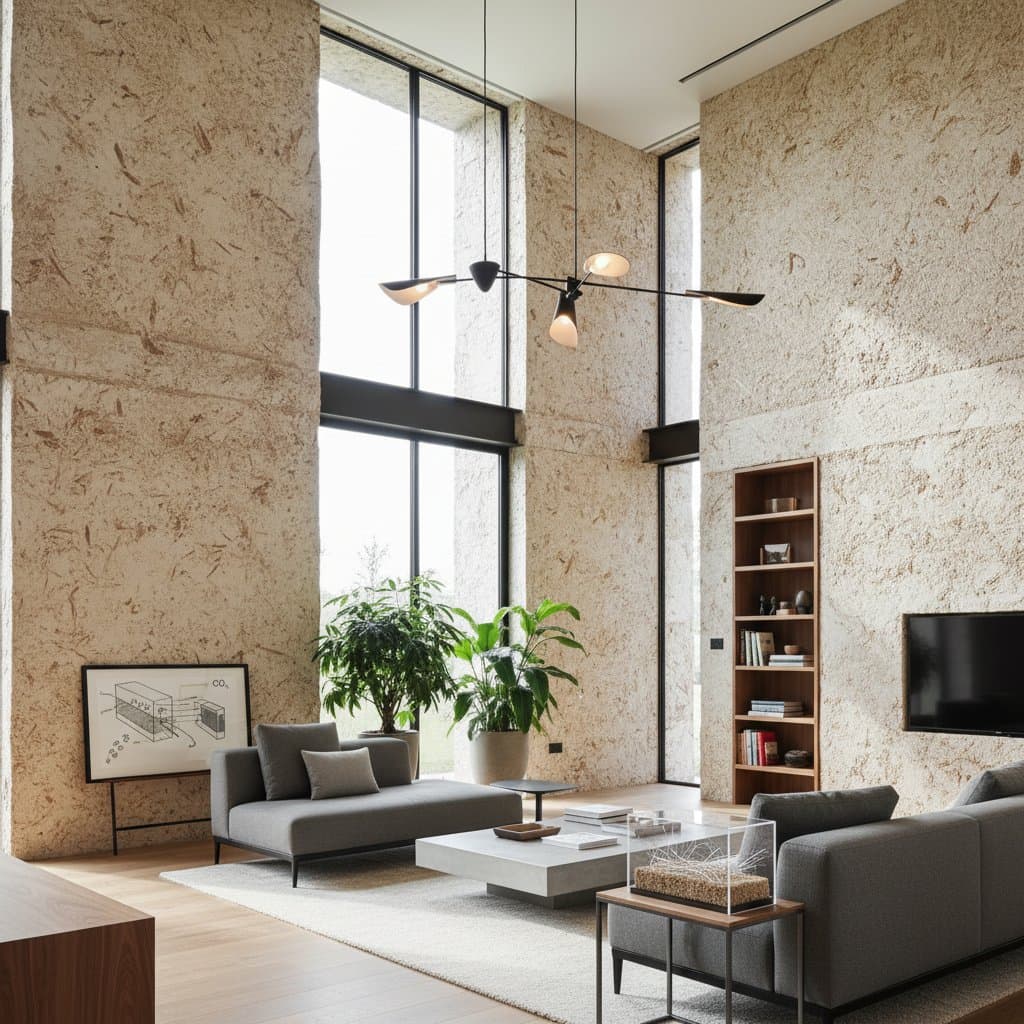
Understanding Hempcrete: A Breathable Building Material
Hempcrete represents a innovative approach to sustainable construction. This material combines the woody core of the hemp plant, known as hurd, with lime and water to create a lightweight, durable blocks or panels. Unlike traditional concrete, hempcrete allows moisture to pass through its structure, earning it the description of a breathable wall system.
The production process begins with harvesting industrial hemp, a fast-growing crop that requires minimal water and pesticides. The hurd is mixed with a lime-based binder, which acts as a natural preservative and fire retardant. Once cast into forms, the mixture cures over time, hardening into a solid yet porous form suitable for non-load-bearing walls.
Homeowners appreciate hempcrete for its thermal properties. It provides excellent insulation, keeping interiors cool in summer and warm in winter without relying heavily on mechanical systems.
How Hempcrete Captures Carbon
One of the standout features of hempcrete is its ability to store carbon dioxide. During the growth phase, hemp plants absorb CO2 from the atmosphere through photosynthesis. This carbon remains locked within the hurd even after processing into building material.
The lime component contributes further to carbon sequestration. As lime cures, it reacts with CO2 in the air to form calcium carbonate, effectively binding more carbon into the wall structure. Over the lifespan of a building, which can exceed 100 years, these walls continue to act as carbon sinks.
Studies indicate that hempcrete walls can sequester up to 100 kilograms of CO2 per cubic meter. In a typical home, this translates to hundreds of kilograms of carbon stored annually, offsetting emissions from construction and daily energy use.
Benefits for Energy Efficiency and Air Quality
Hempcrete walls excel in regulating indoor environments. Their breathable nature prevents moisture buildup, reducing the risk of mold and improving overall air quality. This permeability allows excess humidity to evaporate, maintaining comfortable levels between 40 and 60 percent.
Energy savings come from the material's high thermal mass and insulation value. Walls made from hempcrete can reduce heating and cooling needs by up to 30 percent compared to conventional builds. Homeowners report lower utility bills, especially in climates with significant temperature swings.
Beyond efficiency, hempcrete enhances acoustic performance. The porous structure absorbs sound waves, creating quieter living spaces ideal for urban settings or families with young children.
Practical Applications in Home Design
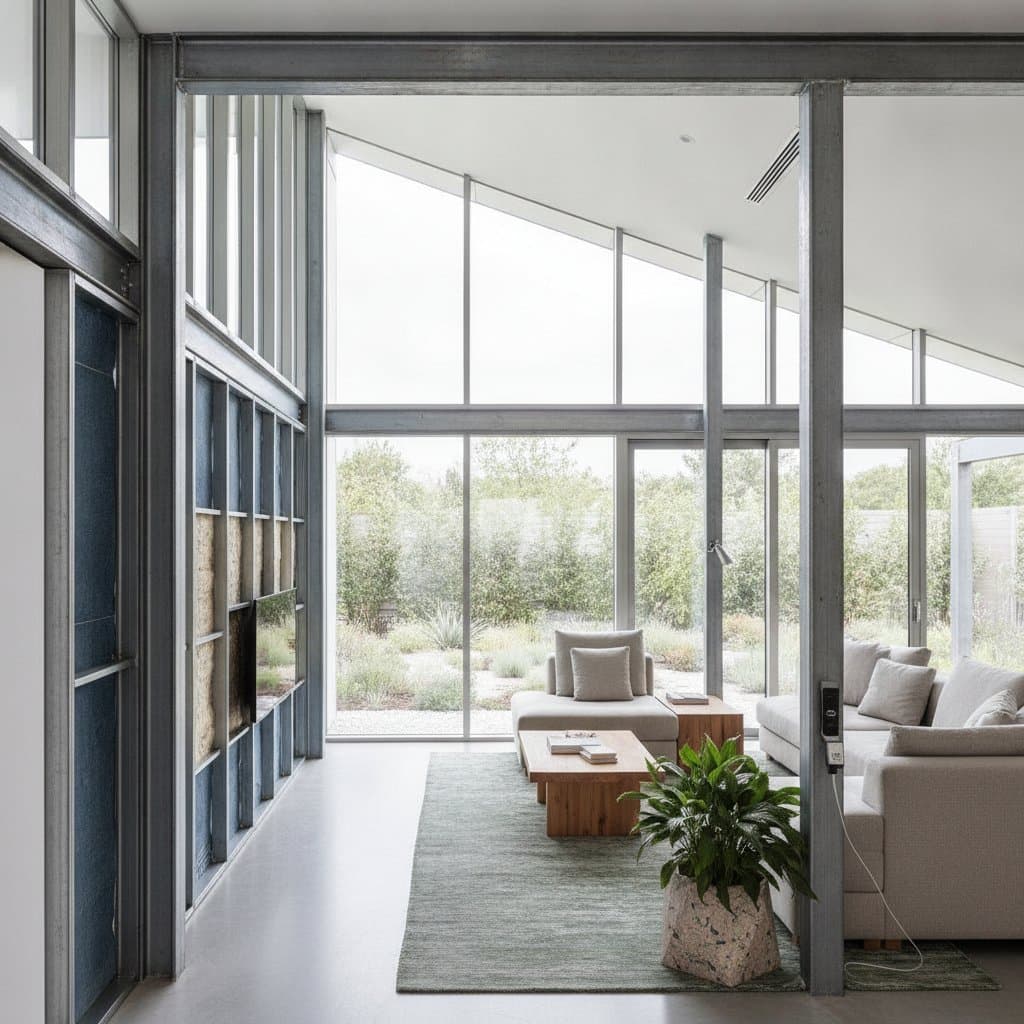
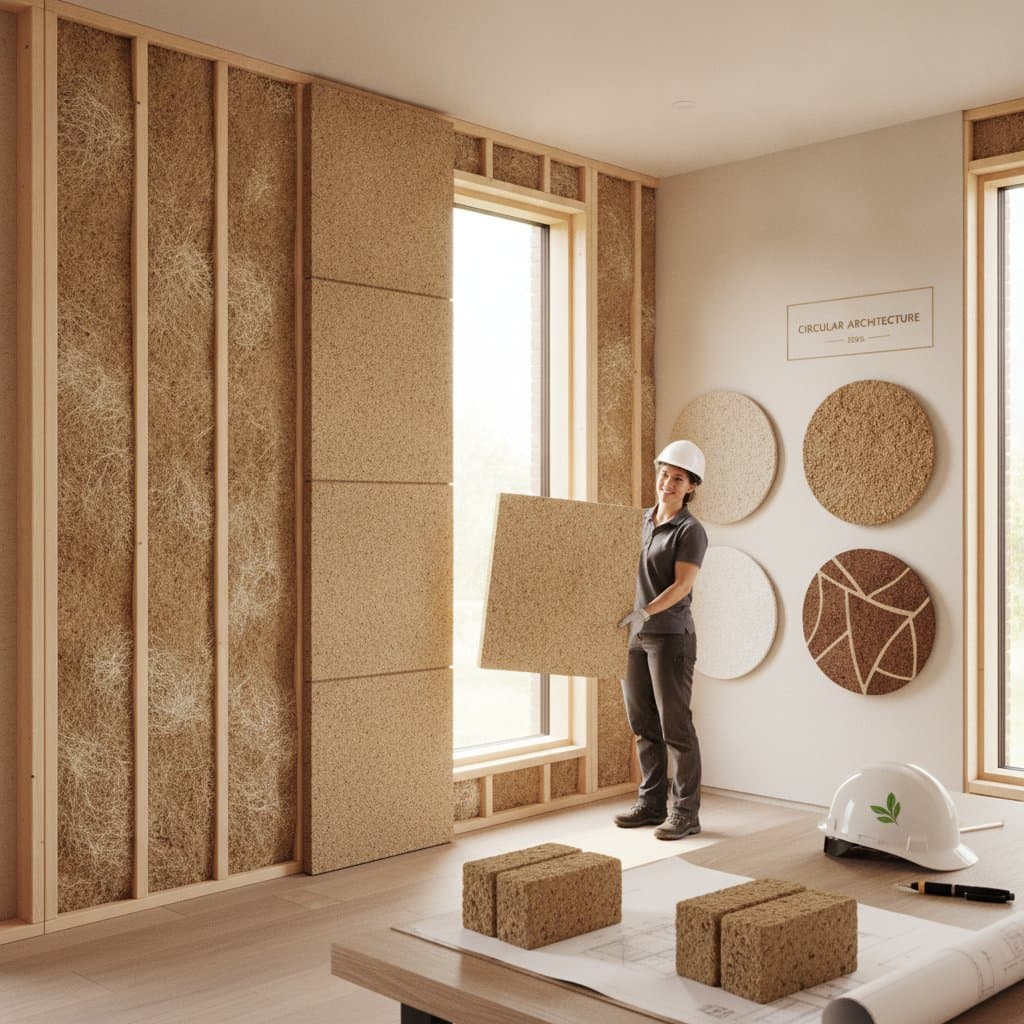
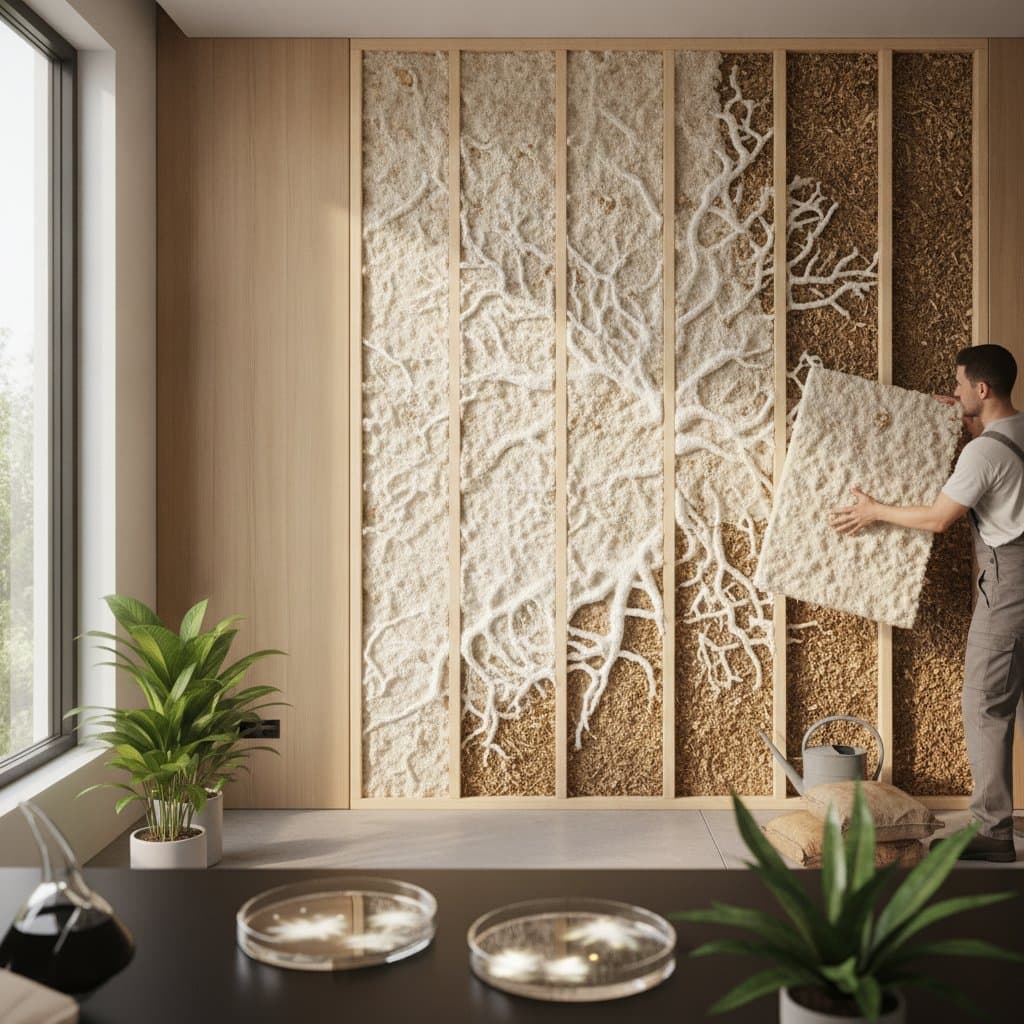
Incorporating hempcrete into home construction offers versatile options. Builders use it for interior partitions, exterior infill walls, or even insulation layers in timber frames. For renovations, panels can retrofit existing structures, adding sustainability without major disruptions.
Designers recommend combining hempcrete with passive solar features, such as south-facing windows, to maximize natural light and heat gain. This synergy amplifies energy efficiency while maintaining aesthetic appeal.
Installation and Cost Considerations
Installing hempcrete requires skilled labor familiar with bio-based materials. The process involves mixing components on-site or using pre-cast blocks, then applying them much like plastering. Curing takes several weeks, during which the structure must remain protected from direct rain.
Initial costs range higher than standard concrete, often 20 to 50 percent more due to the specialized process and material sourcing. However, long-term savings from reduced energy use and maintenance offset this premium within 5 to 10 years.
To make it accessible, some regions offer incentives for green building materials. Homeowners should consult local architects experienced in hempcrete to ensure compliance with building codes.
- Assess your site's climate suitability; hempcrete thrives in temperate zones.
- Source certified hemp from sustainable farms to verify carbon benefits.
- Plan for hybrid systems if full replacement proves challenging.
- Monitor curing phases to achieve optimal strength.
The Future of Hempcrete in Sustainable Homes
As global focus shifts toward net-zero buildings, hempcrete emerges as a key player. Projections for 2026 highlight its role in mainstream eco-design, with adoption rising in Europe and North America. Innovations like reinforced variants promise load-bearing capabilities, expanding its use.
Builders anticipate integration with smart home technologies, where sensors track humidity and carbon levels in real time. This data empowers residents to optimize their home's performance further.
Realizing Eco-Benefits in Your Home
Adopting hempcrete transforms a house into an active participant in environmental health. Residents enjoy healthier air, stable temperatures, and the satisfaction of a lower carbon footprint. For those planning new builds or upgrades, exploring hempcrete opens doors to resilient, future-proof living spaces that align with planetary needs.