Cool Roofs Reduce Air Conditioning Costs by 25 Percent with Advanced 2026 Technology
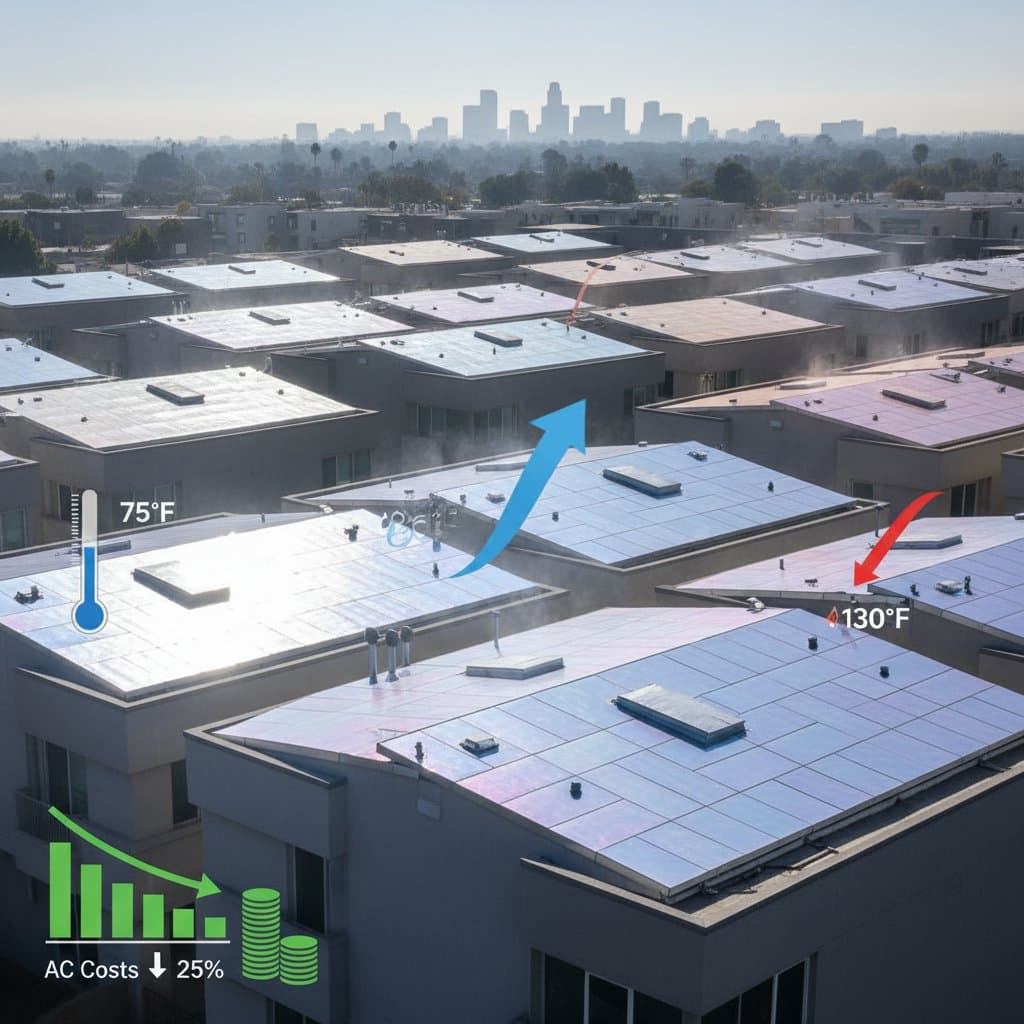
Summer heat transforms the roof into the primary barrier between a home and intense solar energy. Imagine that roof actively deflecting heat to lower air conditioning expenses by one-quarter and enhance indoor comfort. The newest cool roof technologies deliver these outcomes through innovative reflective coatings and intelligent materials, turning an often-ignored home feature into an effective energy conservation asset.
Essential Benefits
- Cool roofs lower air conditioning costs by up to 25 percent in warm regions, as confirmed by various building efficiency analyses.
- Reflective coatings and specialized pigments redirect 70 to 85 percent of solar radiation, far surpassing the 10 to 20 percent reflection of conventional dark roofs.
- Emerging smart materials respond to temperature shifts, optimizing reflectivity in daylight hours and enhancing heat retention overnight.
- Return on investment generally spans three to seven years, influenced by roof variety, local weather, and utility rates.
- Utility companies and local authorities provide rebates and incentives that reduce upfront expenses.
Materials Enabling Cool Roof Performance
Cool roofs encompass diverse material options, from dedicated reflective membranes to versatile coating systems suitable for existing roofs. The following table outlines primary categories:
| Roof Type | Material | Reflectivity Range | Typical Lifespan | Best For |
|---|---|---|---|---|
| Single-ply membrane | PVC, TPO | 0.7 - 0.85 | 20-30 years | Commercial and flat roofs |
| Reflective coating | Elastomeric acrylic or silicone | 0.65 - 0.8 | 10-20 years | Residential and retrofit projects |
| Metal roofing | Painted or unpainted steel, aluminum | 0.6 - 0.75 | 40+ years | Sloped roofs and modern designs |
| Tile and shingle | Reflective granules or pigments | 0.3 - 0.5 | 25-50 years | Traditional homes |
Recent developments in infrared-reflective pigments allow for stylish light-colored coatings. Darker shades, including cool grays and terracottas, now deliver notable reflectivity gains without sacrificing visual appeal. Homeowners select these based on architectural style and desired longevity.
Calculating Costs and Return on Investment
Cool roof installations involve higher initial outlays compared to standard roofing, yet sustained savings prove worthwhile. Coating applications average 0.75 to 3 dollars per square foot, while complete replacements range from 4 to 10 dollars per square foot, varying by material choice and labor demands.
In temperate climates, annual summer cooling savings reach 10 to 25 percent, equating to hundreds of dollars for average households. Additional advantages include diminished HVAC system strain, reduced upkeep, and prolonged roof durability, yielding over 150 percent return on investment across a decade. Professionals recommend documenting energy usage before and after installation to track precise financial impacts.
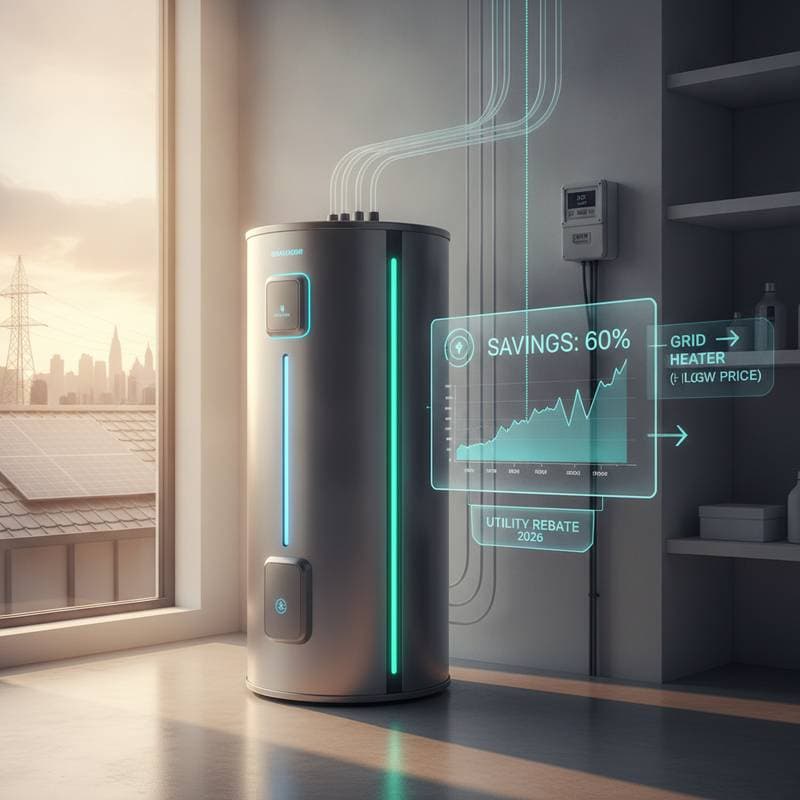
Utility providers and energy initiatives frequently grant rebates of 0.20 to 1 dollar per square foot for compliant installations. Certain municipalities extend property tax reductions for structures achieving designated energy benchmarks, accelerating payback periods.
Selecting an Appropriate Cool Roof System
The optimal cool roof choice hinges on climate conditions, structure characteristics, and financial constraints. Use this evaluation framework to guide decisions:
- Inspect the existing roof's integrity. Coatings suffice for sound surfaces, whereas deteriorated roofs necessitate replacement.
- Analyze regional weather patterns. High-reflectivity options excel in scorching areas; adaptive or moderate-reflectivity materials suit variable climates for balanced annual efficiency.
- Consider aesthetic alignment. Contemporary coatings offer hues that harmonize with both classic and sleek exteriors.
- Examine warranty terms and care protocols. Prioritize products backed by robust guarantees and simple maintenance routines.
- Engage qualified contractors. Expert installation maximizes reflectivity and ensures enduring results.
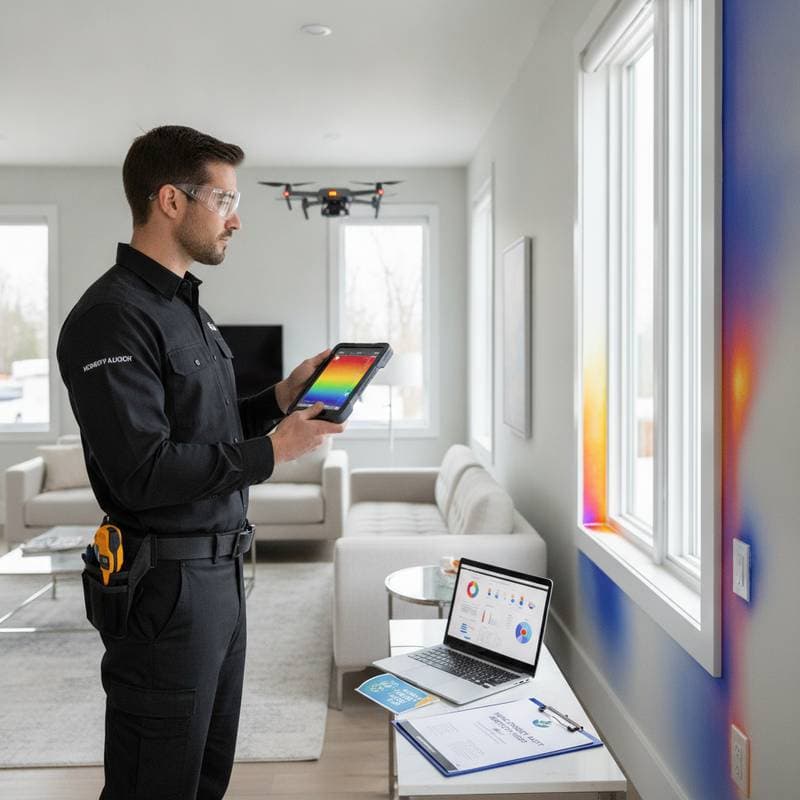
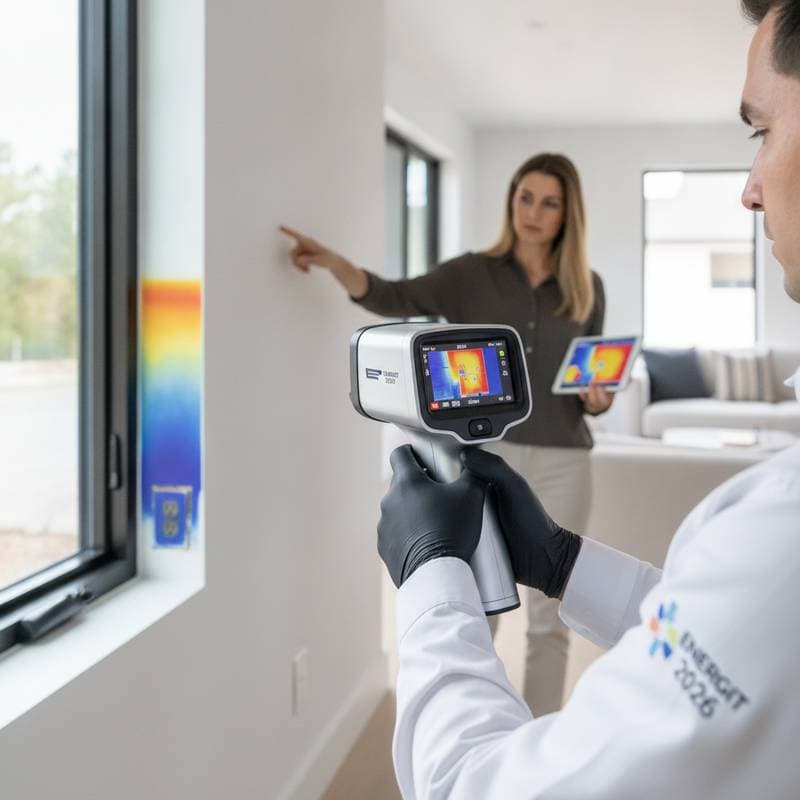
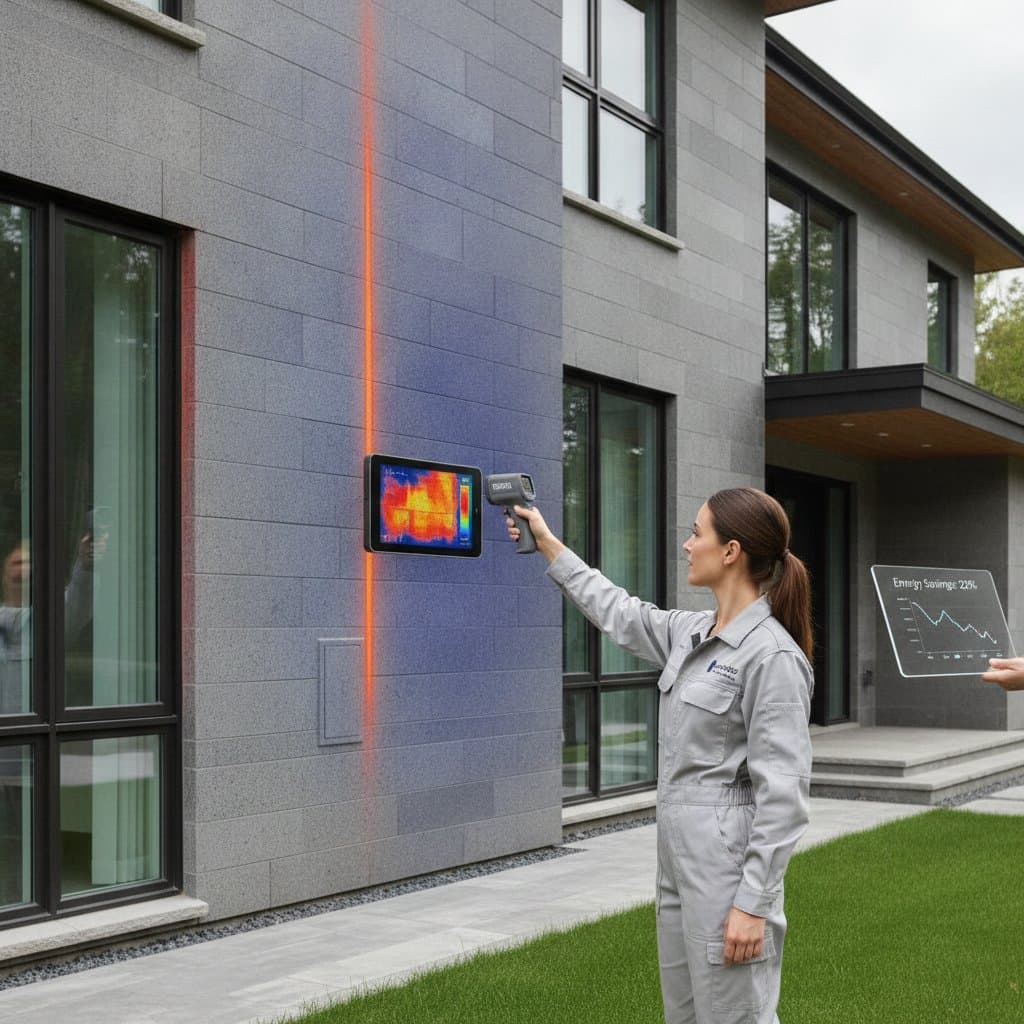
Contractors employ infrared thermography to quantify temperature reductions post-installation. Such measurements validate effectiveness and support rebate applications.
Combining Cool Roofs with Complementary Efficiency Measures
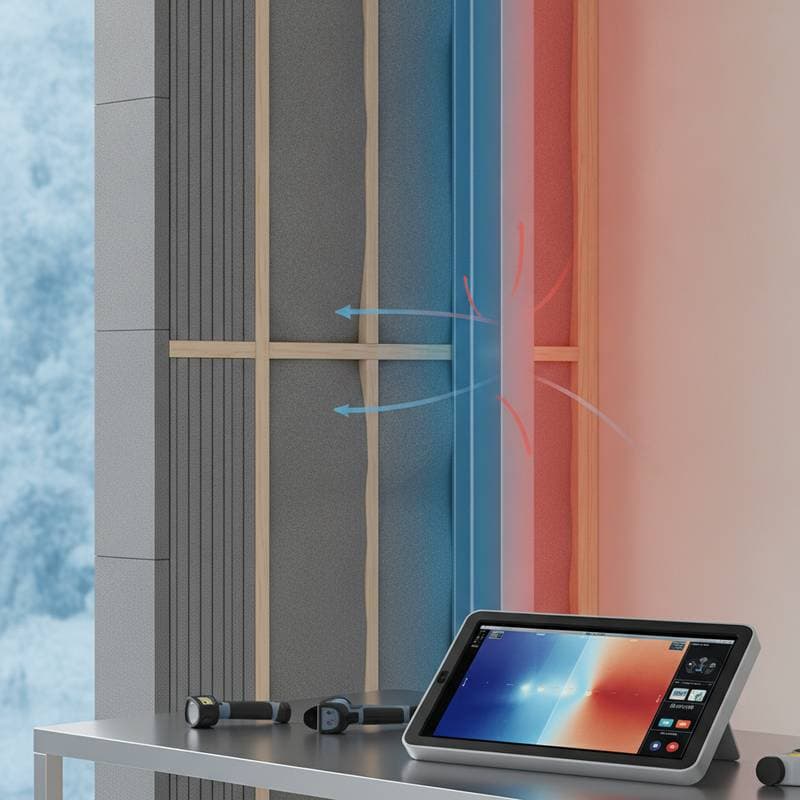
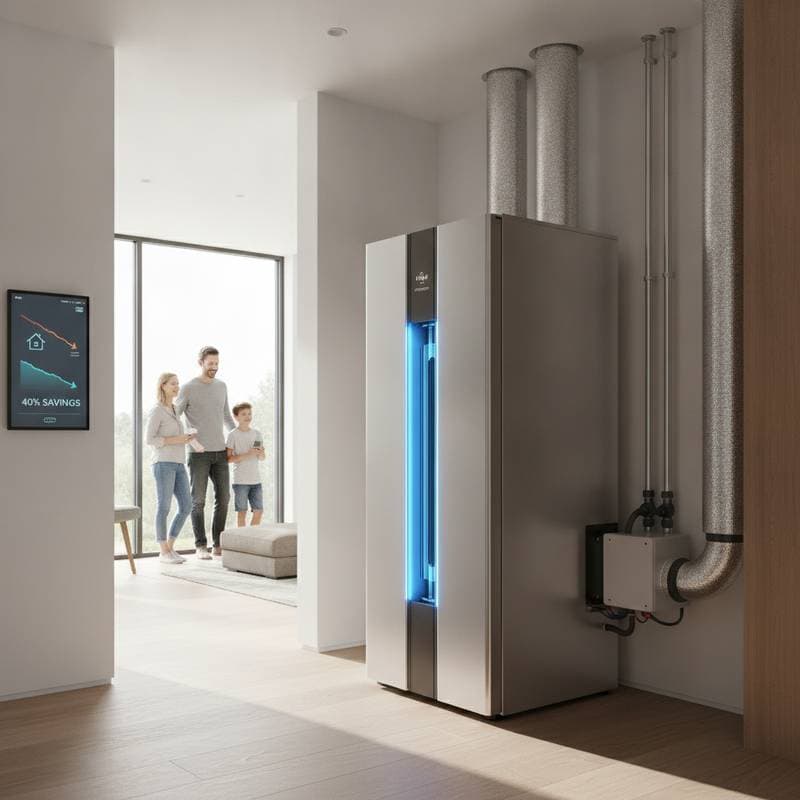
Integrating cool roofs with additional conservation tactics amplifies energy reductions. Enhancing attic insulation, addressing drafts, and upgrading to efficient windows collectively heighten overall performance.
Property managers often pair cool roofs with solar photovoltaic arrays. Lower surface temperatures improve panel efficiency, generating 5 to 10 percent more power according to performance research. Coordinating roof and solar installations streamlines processes and unlocks bundled incentives from energy organizations.
Homeowners in solar-friendly regions explore hybrid systems that incorporate reflective underlayments beneath panels. These configurations minimize heat buildup, extend equipment life, and optimize space utilization on rooftops.
Steps to Implement a Cool Roof Upgrade
Begin by gathering quotes from certified roofing specialists familiar with cool technologies. Request detailed proposals outlining material specifications, projected savings, and rebate eligibility.
Schedule a professional assessment to evaluate roof suitability and recommend tailored solutions. Proceed with installation during mild weather to avoid complications from extreme temperatures.
Monitor post-installation performance through utility bills and optional thermographic scans. Adjust home systems as needed to fully capitalize on the cooler indoor environment and long-term financial gains.