Secure Your 30% Geothermal Tax Credit Before It Expires in December 2025
Geothermal heating and cooling systems offer a reliable path to lower energy costs and greater environmental responsibility. These systems leverage the stable temperatures beneath the earth's surface to heat and cool homes efficiently. With federal tax credits providing up to 30% of installation costs, now presents an ideal time for homeowners to invest. However, this incentive ends in December 2025, creating urgency for those seeking long-term savings.
Understanding the Incentive
The federal tax credit for geothermal systems falls under the Residential Clean Energy Credit. Eligible homeowners receive a credit equal to 30% of qualified expenses. This includes the full cost of the heat pump, ground loops, and associated equipment. Installation labor qualifies as well, making the credit comprehensive.
For a system costing $25,000, the credit amounts to $7,500. This direct reduction applies against federal income taxes owed. Excess credit beyond annual liability carries forward to subsequent years. Eligibility requires the system to meet specific efficiency standards set by the Department of Energy. Professional installation by certified contractors ensures compliance.
Homeowners in all states access this credit, though some regions offer additional rebates. Consulting IRS Form 5695 provides further guidance on claiming the benefit during tax filing.
Financial Benefits and Savings Potential
Geothermal systems deliver substantial energy savings over traditional HVAC options. They achieve efficiencies up to 400% by transferring heat rather than generating it. In cold climates, heating costs drop by 50% or more. Cooling efficiency improves similarly in warmer areas.
Annual savings average $1,800 for a 2,000-square-foot home, based on national utility rates. Over 25 years, the system's typical lifespan, cumulative savings surpass $45,000. The tax credit accelerates payback, often reducing it from 10 years to 5 or 6. Without the credit, reliance shifts to state incentives, which vary widely and may not match federal generosity.
Environmental gains compound the financial advantages. Geothermal systems produce zero direct emissions, reducing a household's carbon footprint by up to 50 tons annually. This aligns with broader goals of sustainable living and energy independence.
Installation Costs and Factors
Initial costs range from $20,000 for smaller homes to $40,000 for larger properties. Factors influencing price include system type, loop configuration, and site conditions. Horizontal loops suit properties with ample yard space, burying pipes 4 to 6 feet deep. Vertical loops work for limited land, drilling 100 to 400 feet per borehole.
Soil composition affects drilling ease; rocky terrain increases expenses. Water availability influences open-loop systems, which use wells for heat exchange. Closed-loop systems dominate due to their versatility and lower maintenance needs.
Financing options abound, including home equity loans and energy-specific grants. Many installers partner with lenders for low-interest plans. Comparing at least three bids reveals the best value, focusing on Energy Star-rated units with strong warranties.
System Types and Home Integration
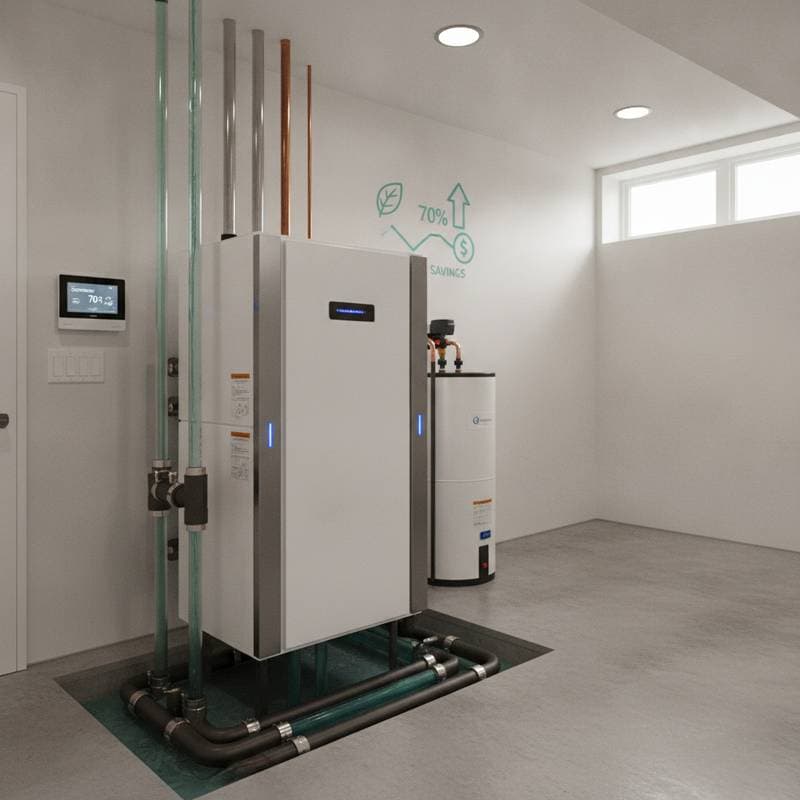
Closed-loop systems circulate a water-antifreeze mixture through underground pipes. They connect to air handlers for forced-air distribution or to boilers for radiant heating. Open-loop designs draw from groundwater sources, ideal for properties near lakes or wells, though permitting requirements apply.
For homes with existing ducts, retrofitting proves simple. New constructions benefit from integrated designs during building phases. Hybrid systems combine geothermal with conventional backups for extreme weather, optimizing costs in variable climates.
Efficiency ratings, measured in COP (Coefficient of Performance), guide selections. Higher COP values indicate better performance; aim for 4.0 or above. Professional assessments evaluate home insulation, windows, and layout to maximize system effectiveness.
Maintenance and Longevity
Geothermal systems require little upkeep compared to fossil fuel alternatives. Annual inspections check refrigerant levels, pump operation, and loop integrity. Filters change quarterly, similar to standard air systems. Ground components remain protected underground, resisting wear from elements.
Lifespans extend to 50 years for loops and 25 years for indoor units. Reliable operation minimizes repair costs, often under $200 yearly. Monitoring systems, available on advanced models, alert owners to issues via apps, preventing downtime.
Steps to Get Started
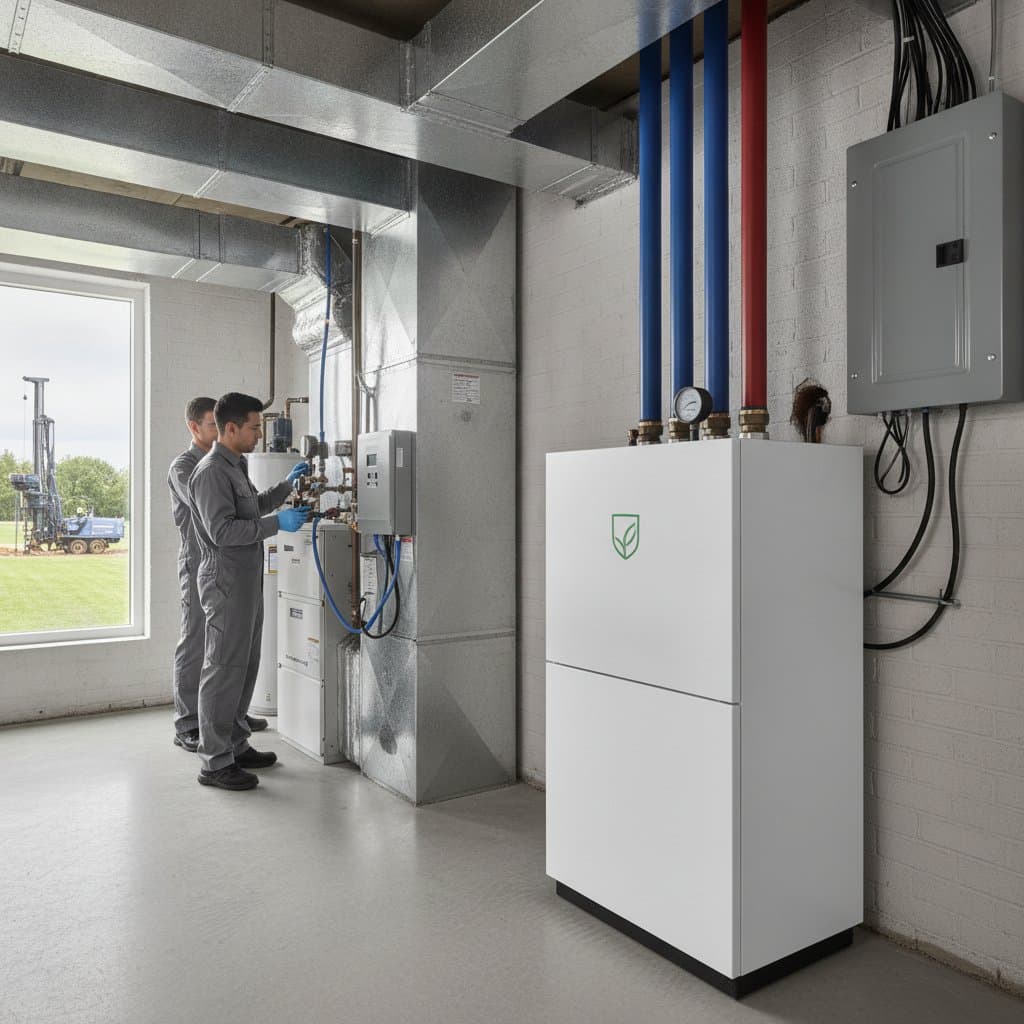
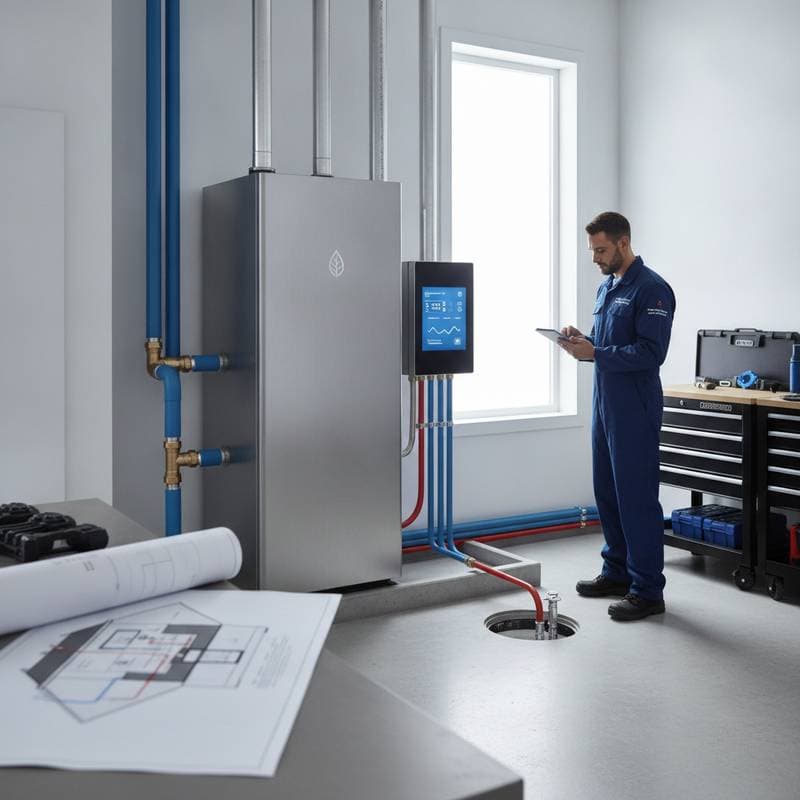
Begin with a site survey from a certified geothermal contractor. This evaluation assesses soil, space, and energy needs, typically costing $500 to $1,000 and creditable toward installation. Review local zoning and permitting processes early to avoid delays.
Next, explore financing and tax implications with a professional advisor. Secure quotes emphasizing long-term efficiency over upfront savings. Schedule installation during off-peak seasons for potential discounts.
By proceeding before December 2025, homeowners lock in the 30% credit, enhancing affordability. This step not only cuts immediate costs but positions the home for decades of efficient, eco-friendly comfort.
Long-Term Value of Geothermal Investment
Beyond finances, geothermal upgrades increase property appeal. Energy-efficient homes command higher resale values, often 5% above comparable properties. Buyers prioritize low utility bills and green features in today's market.
Communities benefit from widespread adoption, easing grid strain during peak demand. Individual actions contribute to national renewable goals, fostering a cooler planet through proven technology. Seize this opportunity to upgrade sustainably and profitably.