Key Points
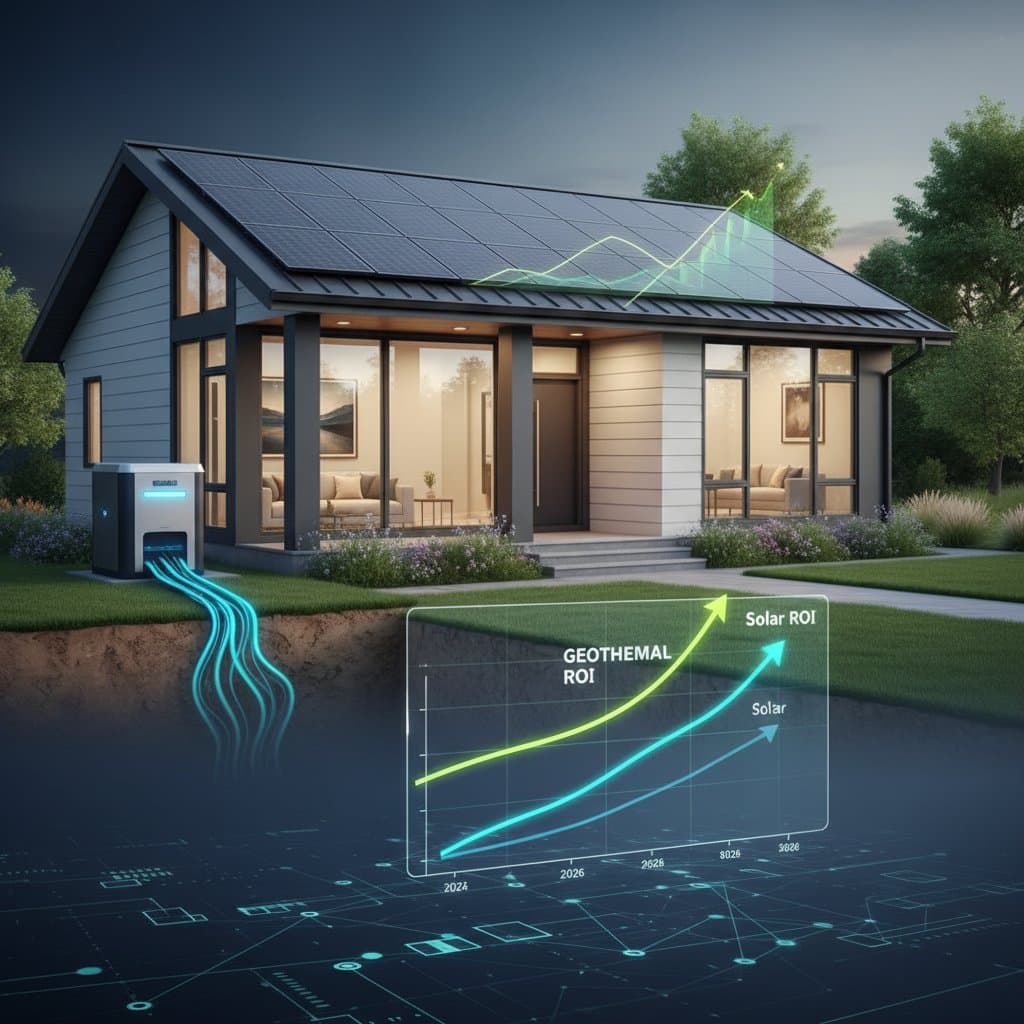
- Geothermal systems provide superior long-term returns on investment compared to solar panels through reliable year-round efficiency.
- Homeowners benefit from reduced operational costs, minimal maintenance requirements, and accelerated payback periods supported by existing incentives.
- Ground-source heat pumps maintain stable indoor temperatures and lower emissions, performing effectively in diverse climates.
- Successful implementation depends on thorough installation practices, including soil analysis and precise system sizing.
- Collaboration with qualified experts guarantees secure setup, adherence to regulations, and access to rebates and sustainability certifications.
Insights from a Green Building Professional
In my experience as a green building professional, homeowners frequently evaluate solar panels against geothermal systems to determine the option with the quickest financial recovery. Solar installations attract attention for their visibility and accessibility, but over time, many realize that ground-source heat pumps generate greater savings and energy efficiency in the background. Imagine a humid summer day when your home remains cool without the noise of air conditioners or concerns about overcast skies. This reliable performance stems from the earth's constant subsurface temperature, the foundation of a geothermal system that operates effectively regardless of surface weather conditions.
Addressing Rising Energy Challenges
Utility expenses continue to increase in numerous areas due to extreme weather patterns and evolving energy needs. Homeowners seek solutions that provide instant comfort alongside dependable savings over time. Solar panels, though widely adopted, rely on sunlight exposure and roof positioning, which may hinder their output. Geothermal systems, by contrast, access steady energy from underground sources and achieve efficiency levels almost four times that of conventional air-source units. The U.S. Environmental Protection Agency indicates that geothermal heat pumps can cut heating and cooling energy consumption by as much as 50 percent relative to traditional HVAC systems. Such performance leads to quicker investment recovery, particularly with incentives that promote comprehensive renewable energy approaches.
Overview of Geothermal Benefits
Based on extensive field work, the most effective energy systems integrate seamlessly with local conditions. Geothermal setups leverage stable underground temperatures to heat and cool homes with high efficiency, which decreases utility bills and prolongs equipment durability. In comparison to solar, which excels mainly during daylight peaks, geothermal offers a more predictable financial outcome. Proper execution allows many homeowners to offset initial expenses within ten years, while gaining improved air quality, humidity management, and reduced noise levels.
The following sections examine the reasons geothermal systems surpass solar in actual return on investment, effective installation methods, and essential decision-making factors.
Reasons Geothermal Excels in Return on Investment
Consistent Year-Round Efficiency
Solar panels experience variations based on seasonal light availability, whereas geothermal systems deliver uniform performance across all seasons. Subsurface temperatures, often between 50 and 60 degrees Fahrenheit at shallow depths, provide a reliable foundation. This stability enables efficient heat transfer during winter and dissipation in summer, yielding consistent savings unaffected by daily weather changes.
Reduced Operating Costs and Maintenance
Rooftop solar installations demand regular cleaning, inverter updates, and panel evaluations due to environmental exposure. Geothermal components, buried underground, face limited wear and operate with little intervention. The ground loops endure for over 50 years, and the indoor heat pump unit functions for 20 years or longer with routine care. Simple tasks such as filter replacements and yearly inspections suffice, minimizing surprise costs and supporting steady financial progress.
Supportive Incentives for Comprehensive Systems
Policy frameworks increasingly reward integrated efficiency improvements over isolated technologies. Geothermal installations qualify for various rebates that address both heating and cooling enhancements. Combined with regional credits, these can cover up to one-third of expenses. Utility collaborations often amplify advantages, particularly for homes transitioning from outdated fossil fuel systems.
Substantial Long-Term Energy Reductions
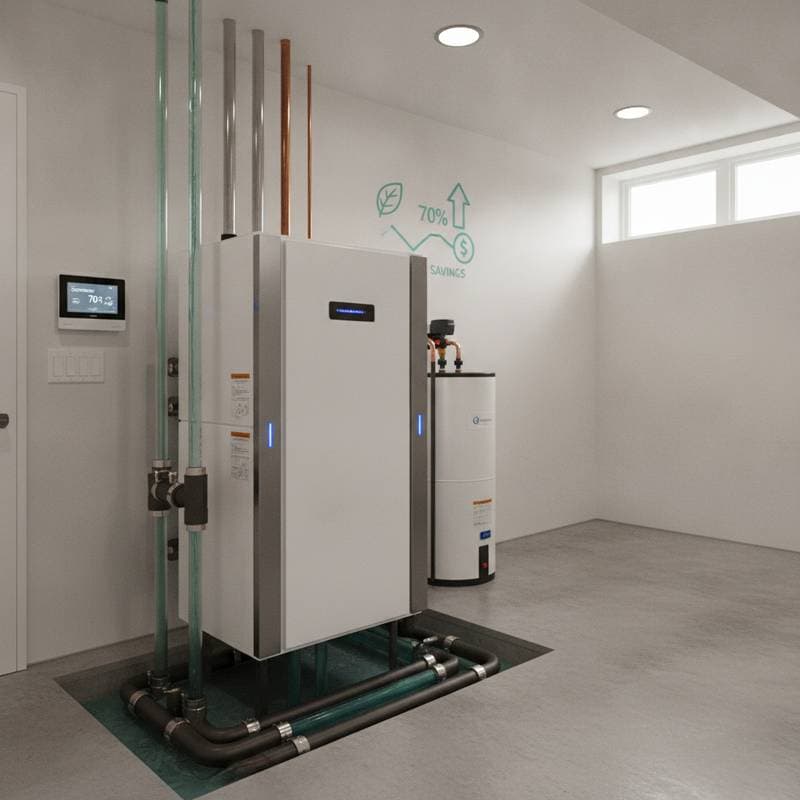
Solar primarily offsets electricity usage, but geothermal addresses heating and cooling demands, which constitute about half of household energy needs. Well-designed ground-source heat pumps reduce overall consumption by 40 to 70 percent. Across 15 years, these savings accumulate to tens of thousands of dollars, outpacing standard solar recovery periods.
Guide to Geothermal Installation Planning
-
Perform Site Assessment
Engage a certified geothermal specialist to evaluate soil composition, moisture content, and land availability. Clay or wet soils conduct heat better than sandy types, affecting design and expenses. -
Select Appropriate Loop Type
Opt for horizontal, vertical, or pond loops based on space constraints. Horizontal configurations suit expansive properties, while vertical options fit compact urban sites. -
Determine System Capacity Precisely
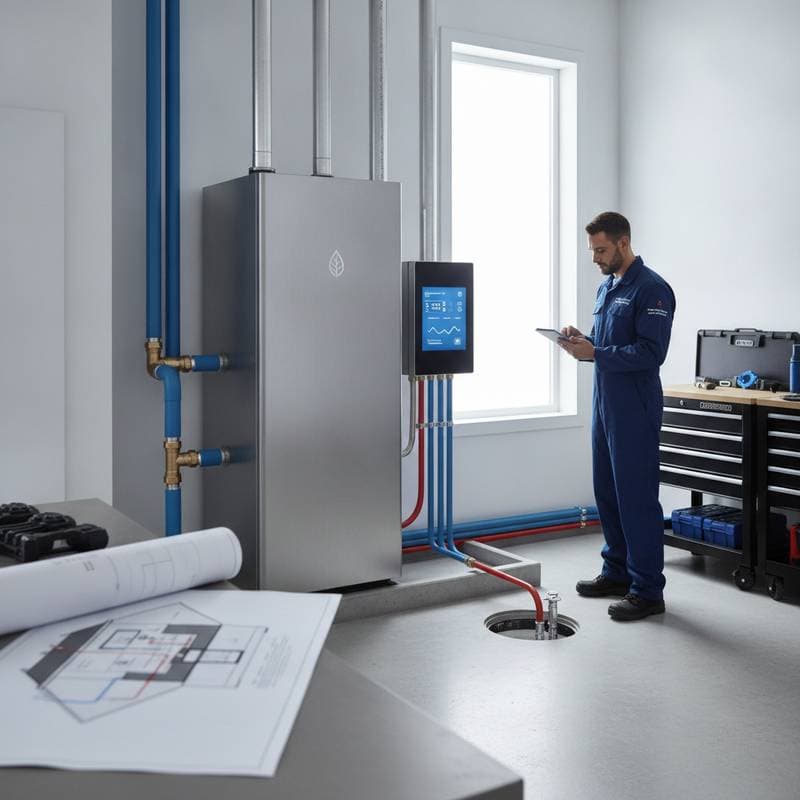
Use professional calculations to align the heat pump with your home's thermal requirements. Avoid oversizing, which increases energy waste, or undersizing, which compromises comfort. -
Obtain Permits and Incentives
Coordinate with your installer to secure approvals and apply for rebates. Certification proof often verifies eligibility in various jurisdictions. -
Arrange Expert Installation
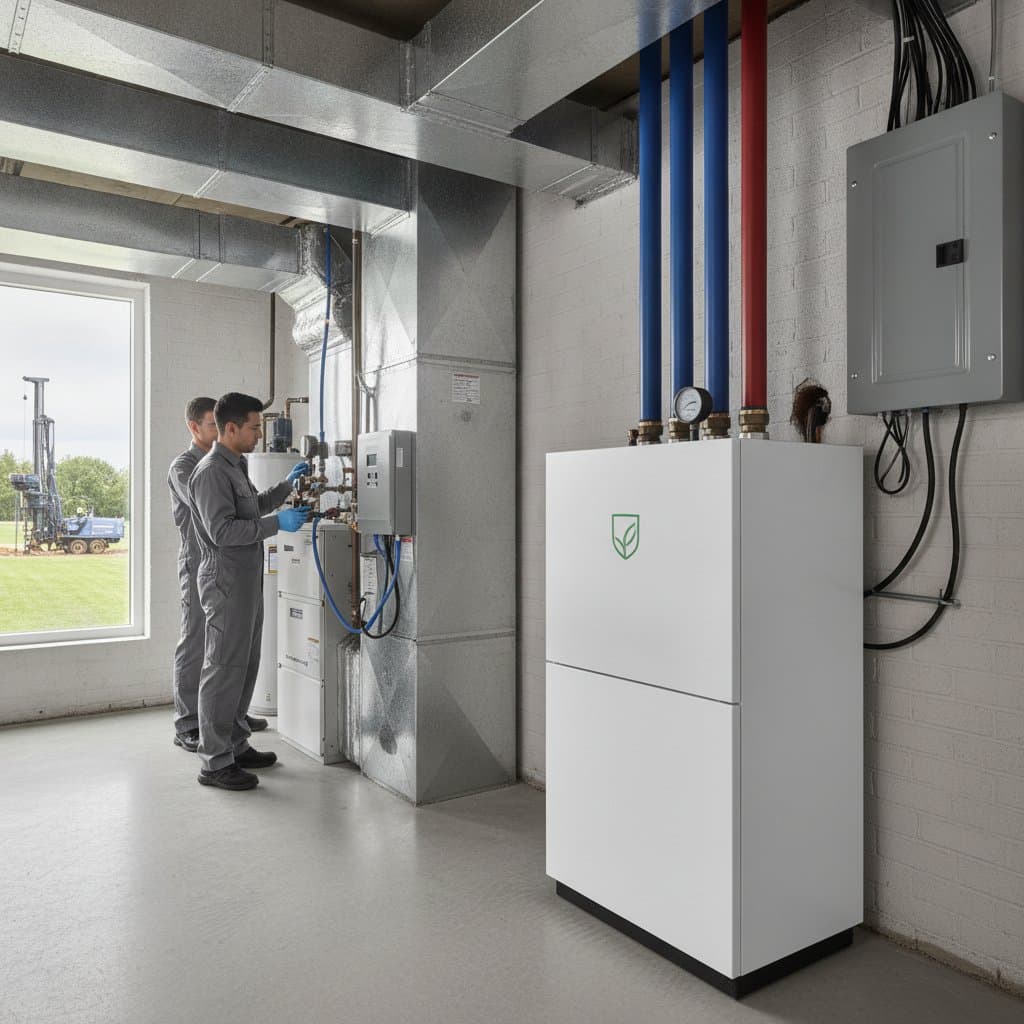
Specialized drilling and loop embedding necessitate advanced tools. Select licensed professionals experienced in geothermal work to uphold safety, meet codes, and optimize results. -
Implement Ongoing Maintenance
Schedule yearly checks for filters, refrigerants, and thermostats. This regimen preserves efficiency and longevity.
Essential Factors: Expenses, Schedules, and Recovery
Residential geothermal projects range from $18,000 to $35,000 prior to incentives. Although initial outlays exceed those for solar, the dual-purpose design shortens recovery time. Owners typically recoup investments in seven to ten years via utility reductions. Savings reach 60 percent for heating and 30 percent for cooling, influenced by regional climate and home insulation.
Projects span three to six weeks, encompassing planning, approvals, and excavation. Post-installation, systems run silently and enhance air quality by minimizing pollutants and moisture fluctuations. Drawing on earth's renewable thermal resources, they generate no direct emissions and advance collective sustainability efforts.
In practice, combining geothermal with insulation improvements or targeted zoning accelerates returns further. Integrating a modest solar setup for power needs fosters a near-zero-energy residence with continuous efficiency.
Strategies to Enhance Home Energy Performance
- Prioritize Insulation Upgrades: Reinforce walls and attics to amplify geothermal output and decrease thermal demands.
- Incorporate Intelligent Thermostats: Program settings to adjust automatically, conserving energy during absences.
- Ensure Duct Integrity: Seal and clean pathways to eliminate leaks and promote even air distribution.
- Track Usage Metrics: Utilize system interfaces to monitor patterns and preempt issues.
- Engage Accredited Installers: Confirm IGSHPA or similar credentials for reliable execution and coverage.
Broader Impacts on Environment and Locality
Geothermal adoption cuts greenhouse gases by up to 70 percent versus fossil-based heating. It eases grid strain by avoiding peak loads. Widespread use lowers pollution, bolsters energy reliability, and stimulates regional employment in renewables. Numerous local governments incorporate geothermal into resilience strategies, viewing it as vital for enduring environmental health.
As a green building specialist, consider geothermal an enhancement to your property's adaptive capacity. It delivers personal benefits while fostering a healthier surroundings.
Steps to Proceed with Geothermal
Start with an energy audit to pinpoint inefficiencies in your existing setup. Contact verified geothermal providers via resources like itsacoolerplanet.com. Solicit comprehensive proposals detailing loop layouts, excavation depths, and anticipated reductions. Evaluate guarantees and support terms, as execution quality directly affects outcomes.
Each site presents distinct soil and structural elements. A configuration ideal for one area may need modifications elsewhere. Partnering with knowledgeable regional experts allows customization to geology, dimensions, and weather, securing superior performance.
Geothermal's strength resides in its dependable operation. Unlike solar's reliance on sunlight, ground-source heat pumps facilitate continuous earth-energy exchange. This endurance builds financial stability and sustained livability. Committing to geothermal equips your home for self-sufficiency, ecological responsibility, and a foundation in enduring practices.
Frequently Asked Questions
How much land is required for a geothermal system?
Horizontal loops demand 400 to 600 square feet per ton of capacity. Vertical designs use minimal surface but require deeper bores. Contractors tailor recommendations to your property.
Is geothermal suitable for older residences?
Yes, integration often involves basic duct modifications. Focus on insulation and capacity evaluation for optimal fit.
What maintenance does a geothermal system involve?
Annual expert reviews and quarterly filter servicing maintain high performance and durability.
What is the lifespan of a geothermal system?
Loops endure beyond 50 years; heat pumps last 20 to 25 years with care.
Are financing choices available for geothermal?
Green loans from banks and utility billing options distribute payments, enabling prompt savings realization.