Smart Window Film Technology Reduces Cooling Costs by 50 Percent in 2026
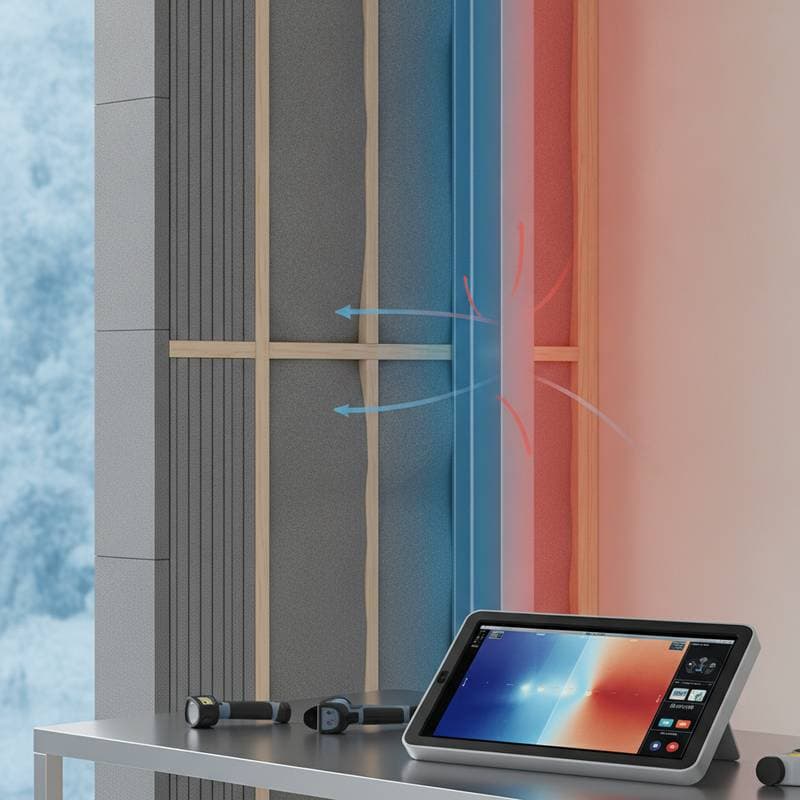
Sunlight streaming through windows often intensifies indoor heat, prompting air conditioners to work harder and consume more energy. A thin, almost imperceptible film applied to windows addresses this issue directly. This technology halves cooling expenses while preserving views and interior brightness.
Essential Features
- Performance data from energy efficiency studies indicate reductions in cooling costs of up to 50 percent.
- Nanoceramic coatings and adaptive tinting block infrared radiation yet permit visible light transmission.
- Installation expenses vary from 4 to 12 dollars per square foot, influenced by film variety and automation capabilities.
- Return on investment typically materializes in three to five years through lower utility payments and prolonged HVAC durability.
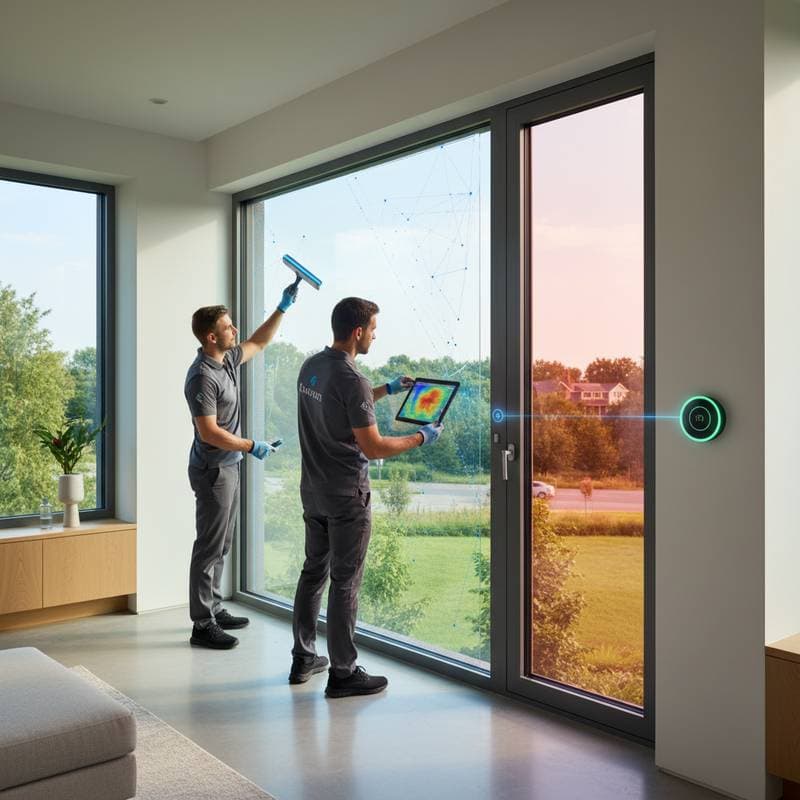
- Compatibility with home automation allows automatic tint adjustments based on sunlight levels.
Financial Advantages of Enhanced Efficiency
Homeowners frequently evaluate technology based on financial viability rather than mere functionality. Evidence from independent energy audits confirms substantial benefits. Application to single-pane windows lowers indoor temperatures by 8 to 12 degrees Fahrenheit, yielding significant air conditioning savings.
Consider a residence with 300 square feet of windows. Installation might cost 3,000 dollars. A 50 percent decrease in cooling expenses could generate annual savings of 400 to 600 dollars. Payback thus occurs in approximately five years, excluding gains in comfort and HVAC longevity.
Commercial buildings experience amplified advantages. Office structures with extensive glass surfaces incur high HVAC demands from solar heat absorption. Retrofitting with adaptive films results in monthly savings of thousands of dollars.
Return on Investment Overview
| Building Type | Average Installation Cost | Annual Energy Savings | Return Timeline |
|---|---|---|---|
| Residential (Single Family) | 3,000 dollars | 500 dollars | 5 years |
| Small Commercial Office | 15,000 dollars | 3,000 dollars | 5 years |
| High-Rise Building | 100,000 dollars | 25,000 dollars | 4 years |
Decreased energy use frequently qualifies for tax incentives or rebates related to green energy, enhancing overall economics.
Broader Environmental and Health Impacts
Lower energy demands extend beyond bill reductions to environmental preservation. Decreased dependence on fossil-fuel-generated electricity minimizes greenhouse gas emissions. The Environmental Protection Agency estimates that each saved kilowatt-hour avoids about 0.9 pounds of carbon dioxide release.
A standard household saving 2,000 kilowatt-hours yearly via smart window film prevents 1,800 pounds of CO2 emissions annually. Scaled to millions of homes, the collective effect proves transformative.
Health improvements add further value. These films block up to 99 percent of ultraviolet rays, safeguarding skin and eyes from damage. They also prevent fading of furnishings, floors, and artwork. Families with young children or older adults benefit from this protection without dimming rooms.
Addressing Frequent Concerns
Many owners believe smart films darken spaces or create a mirrored appearance. Advanced nanoceramic formulations ensure over 70 percent visible light transmission, keeping interiors luminous while filtering heat and UV rays.
Durability concerns, such as bubbling or peeling, arise occasionally. High-quality options employ multi-layer adhesives designed for extreme temperatures and humidity. Warranties commonly exceed ten years, guaranteeing clarity and adhesion.
Compatibility with current windows prompts questions as well. These films adhere well to standard glass, with professionals conducting tests prior to full installation. For low-emissivity or laminated types, manufacturers supply detailed compatibility guides.
Practical Implementations and Proven Results
In Austin, a mid-sized office upgraded 8,000 square feet of glass with electrochromic film, replacing conventional blinds. Energy bills fell 47 percent within three months. Employees reported higher comfort from diminished glare and consistent temperatures.
A homeowner near the coast installed nanoceramic film to combat interior fading. Peak-hour temperatures dropped 9 degrees, creating cooler conditions overall.
Such examples demonstrate the technology's reliability for efficiency and livability.
Overcoming Hurdles and Emerging Innovations
Adoption accelerates, yet initial costs concern some users. Long-term savings surpass upfront investments, and modular panels enable phased installations.
Electrochromic variants draw minimal power for tint changes. Ongoing research yields low-voltage options and self-powered designs incorporating solar microcells. Prototypes indicate off-grid functionality soon.
Evolving building regulations emphasize efficiency, positioning smart films as integral to new builds and renovations. Architects incorporate them into comprehensive energy strategies.
Steps to Implement Smart Window Upgrades
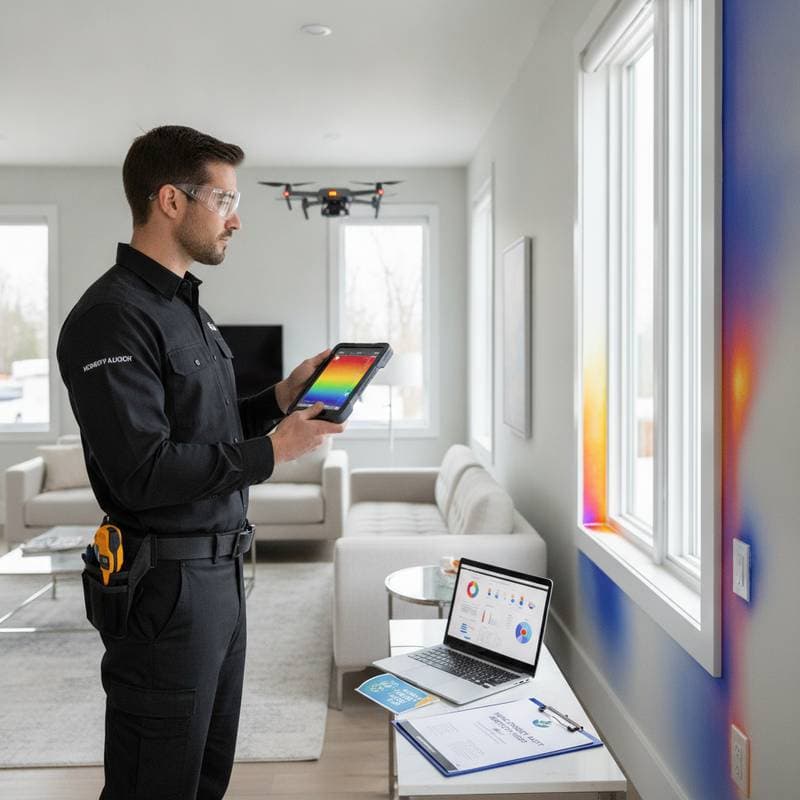
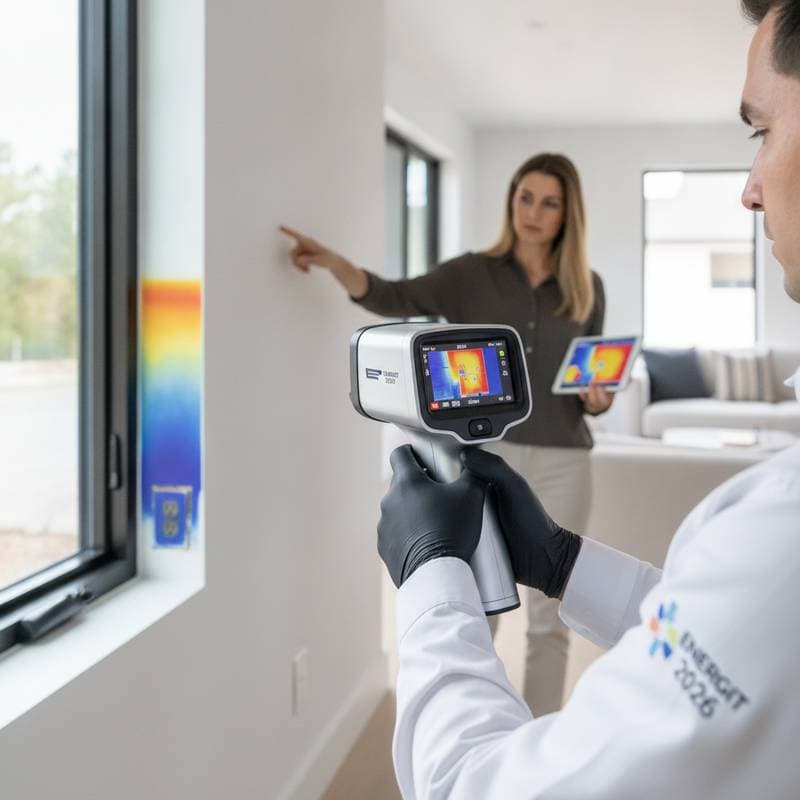
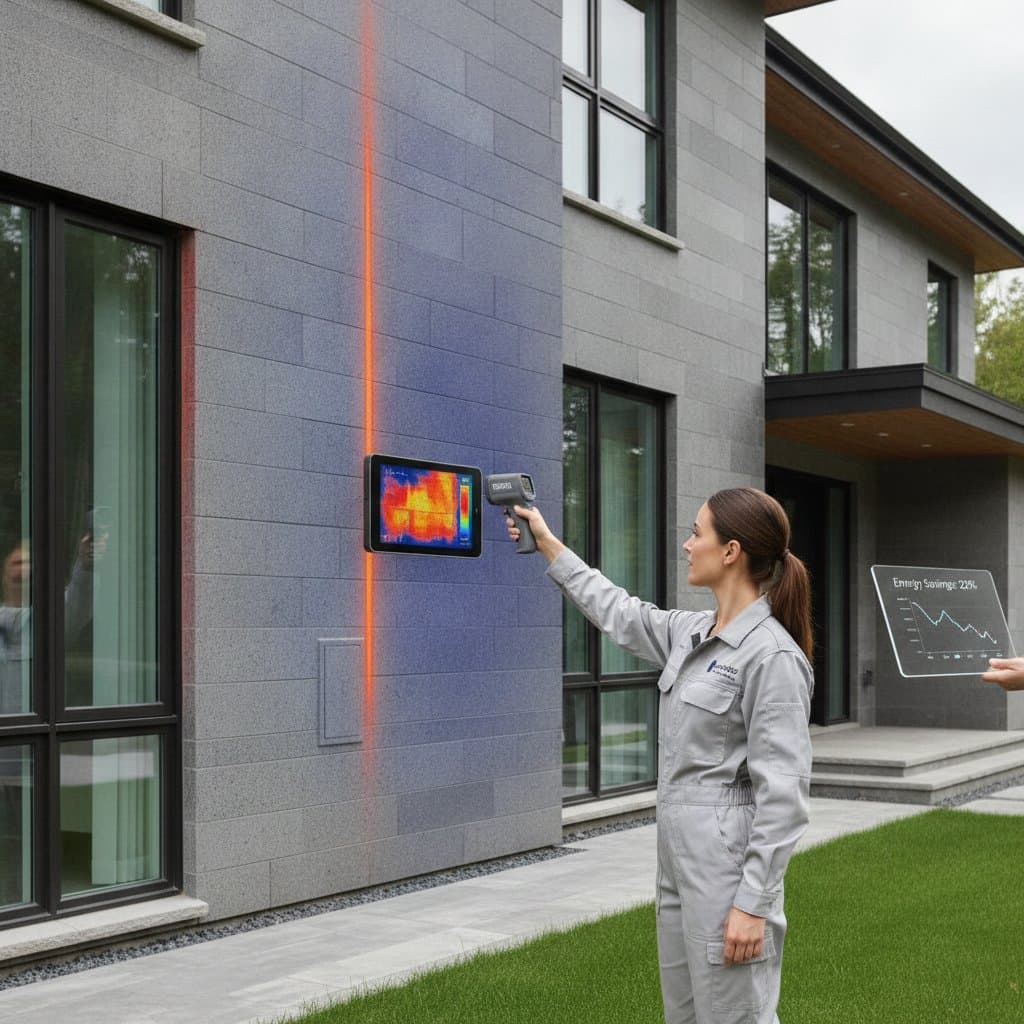
Begin with a professional energy audit to pinpoint high-solar-exposure areas. Use modeling tools to estimate savings potential. Obtain quotes from certified installers, evaluating film options, warranties, and smart integrations.
Post-installation, track usage via utility portals or smart meters. Differences appear in the initial billing period. Maintain films with recommended cleaning techniques to sustain performance and clarity.
This approach yields sustained efficiency, comfort, and cost benefits for years.