Key Points
- Gas bans accelerate the transition to all-electric homes and encourage homeowners to update energy systems ahead of regulatory requirements.
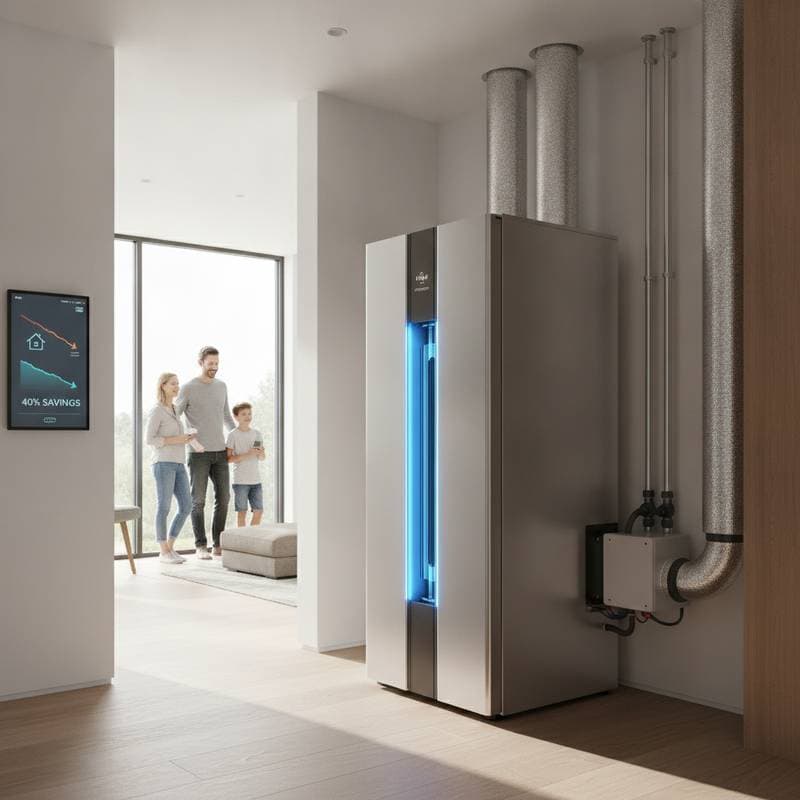
- Electrification reduces household energy costs by 20 to 40 percent through efficient equipment and renewable energy sources.
- Induction cooking, heat pumps, and electric water heaters surpass gas systems in efficiency, safety, and maintenance requirements.
- Early electrification upgrades enhance property value and improve long-term market desirability.
- Current planning supports effective budgeting and utility coordination before supply chain constraints intensify.
Understanding the Gas Ban Movement
Local governments and federal agencies establish stricter emissions standards, which compel builders and homeowners to abandon gas infrastructure. This change addresses pressing environmental and economic challenges.
Financial pressures mount for gas systems due to escalating maintenance and insurance expenses. Utility companies contend with deteriorating pipelines and increased liability, resulting in elevated service charges for customers. Electrification capitalizes on updated grid infrastructure and cost-effective renewable energy options.
Environmental impacts prove substantial. Replacing gas appliances with electric alternatives eliminates direct household emissions. As electricity grids incorporate greater shares of renewable sources, these benefits accumulate over time.
Practical advantages include enhanced resilience. Electric setups integrate seamlessly with solar panels, battery storage units, and smart home technologies. In areas prone to power fluctuations or severe weather, such adaptability proves invaluable.
Health and Comfort Advantages
Gas appliances release nitrogen dioxide, carbon monoxide, and additional pollutants that build up in indoor environments. Research connects these emissions to respiratory issues and chronic health risks. Electrification eliminates combustion sources within living areas.
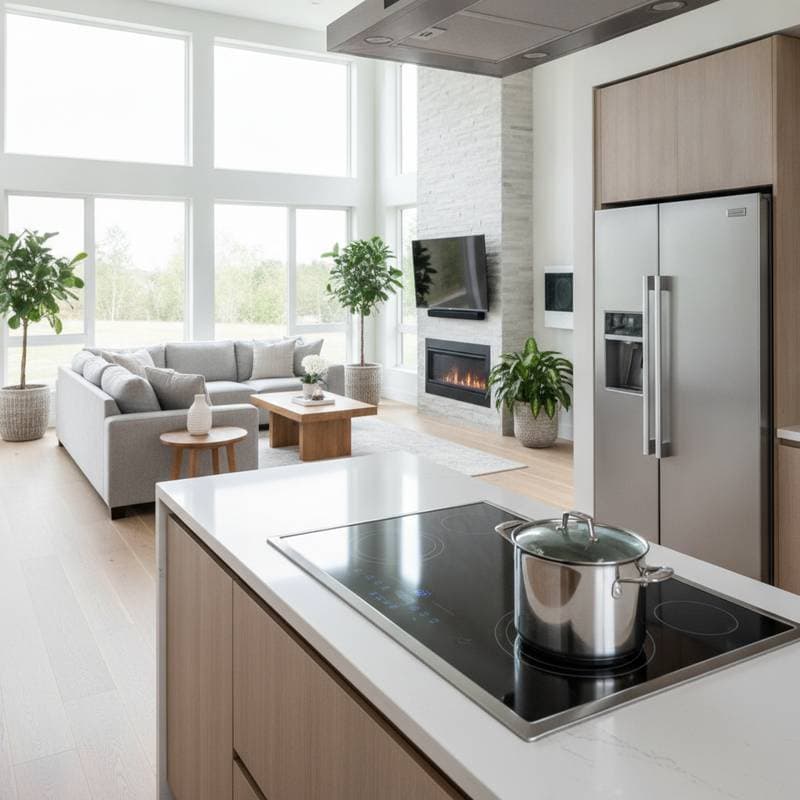
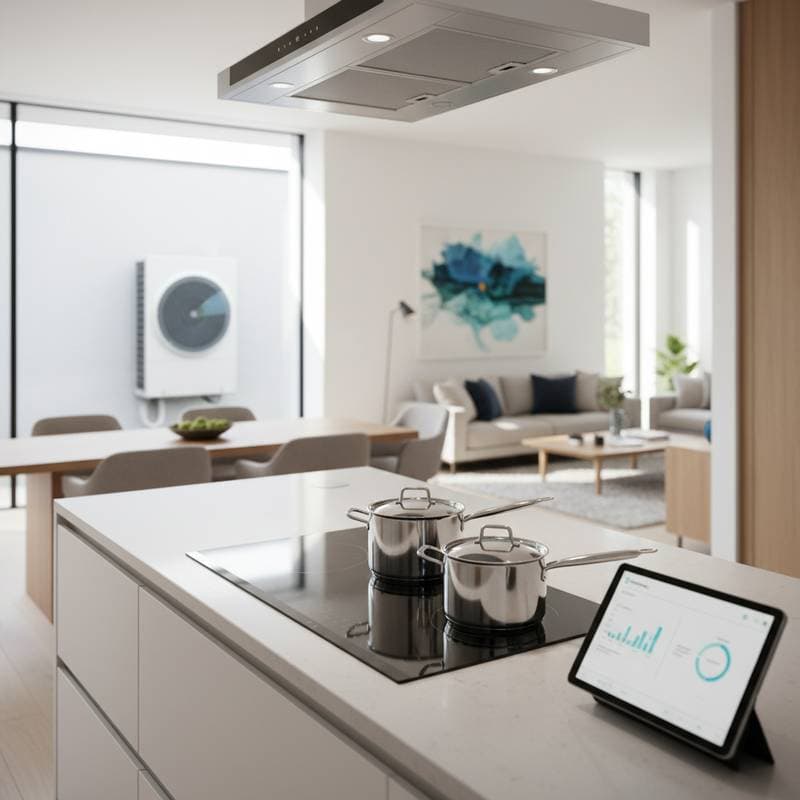
Induction cooking avoids open flames and excess heat loss. Cooking surfaces remain safe to touch, and indoor air quality improves markedly. Heat pumps deliver consistent temperatures without the dryness or inconsistencies common in gas furnaces.
Families with children, elderly residents, or individuals sensitive to air quality experience notable gains in comfort and health from these changes.
Strategic Planning for Electrification
Electrification succeeds through a structured, integrated strategy rather than piecemeal changes. Consider this sequence for implementation:
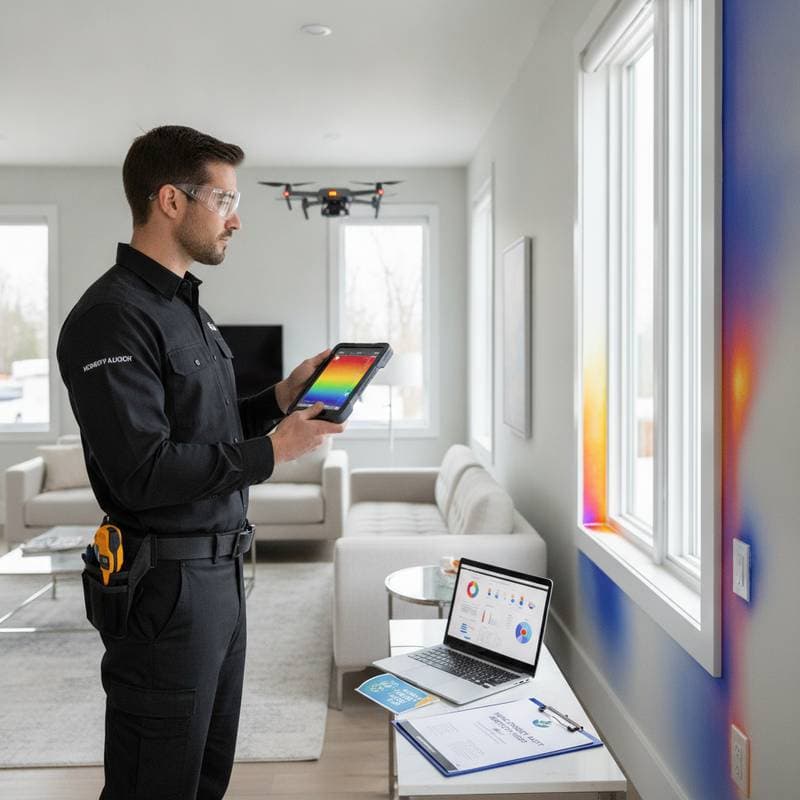
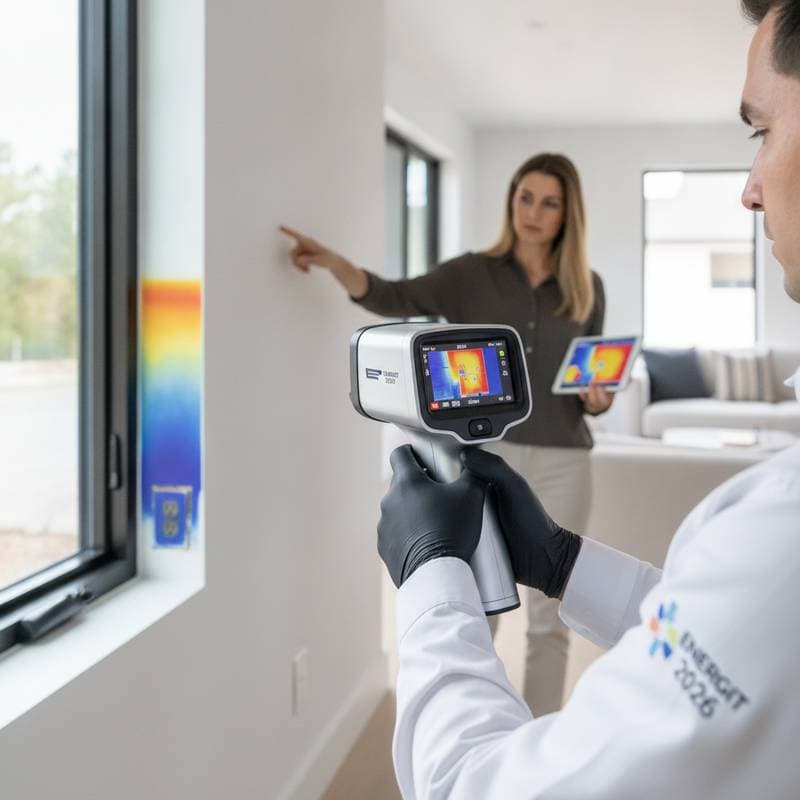
- Conduct an Energy Audit: Engage a certified professional to evaluate heat loss, appliance performance, and electrical capacity.
- Upgrade the Electrical Panel: Verify that the service panel accommodates increased demand. Homes built before 1980 often require expansion to 200 amps for multiple electric devices.
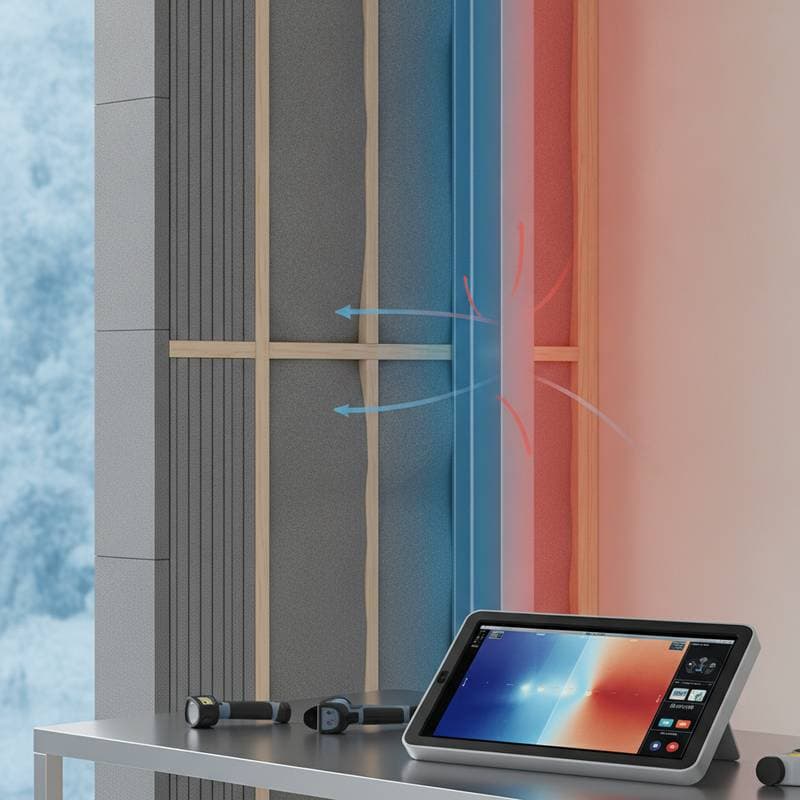
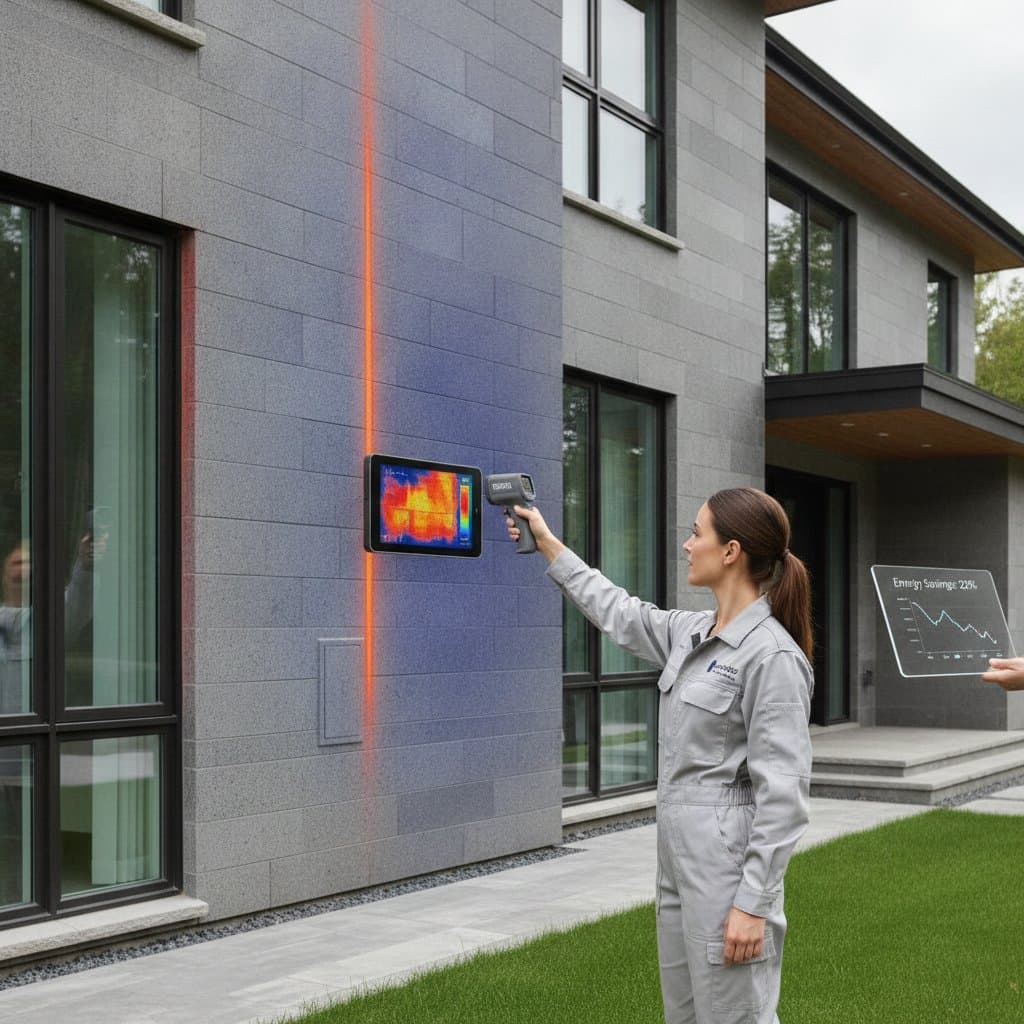
- Enhance Building Envelope: Improve insulation and seal air leaks to lower heating and cooling needs, enabling the use of compact, high-efficiency equipment.
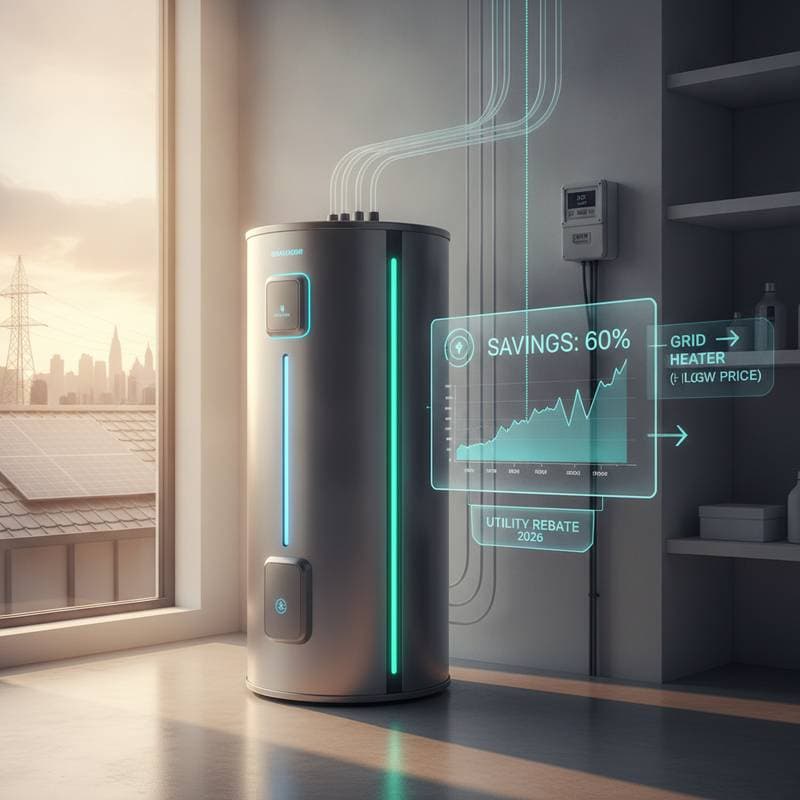
- Replace Appliances Sequentially: Target outdated gas units first. Swap furnaces, water heaters, and stoves at the end of their service life to distribute expenses.
- Incorporate Renewables: Explore rooftop solar installations or community solar programs to balance increased electricity consumption.
This methodical process facilitates collaboration with local experts, utility incentives, and funding resources while preserving home functionality.
Addressing Common Concerns
Do electric bills rise after switching?
Initial usage may increase slightly, yet overall energy expenses typically fall due to superior system efficiency. Integration with renewable sources can lead to substantial net savings.
Is existing wiring sufficient for new appliances?
Homes from earlier eras might necessitate panel enhancements. Consult a licensed electrician for a thorough evaluation and tailored recommendations.
Which cookware suits induction cooktops?
Stainless steel and cast iron items function well. For aluminum or copper, use magnetic adapters or select compatible alternatives.
Do heat pumps perform in cold regions?
Modern units designed for cold climates retain efficiency below freezing temperatures through innovative refrigerants and variable-speed technology.
How does electrification affect home resale?
Properties featuring all-electric systems and solar elements attract quicker sales and premium prices. Prospective buyers favor reduced utilities and superior indoor environments.
Broader Market Trends
Real estate experts observe that electrified residences garner heightened interest. Purchasers prioritize energy certifications and minimal operating costs. Developers acknowledge that gas installations introduce unnecessary expenses and limit future viability.
Utilities allocate significant resources to grid enhancements that accommodate electric heating and electric vehicle charging. Early adopters gain from enhanced reliability and pricing models that incentivize usage during off-peak hours.
On a larger scale, electrification establishes a lasting standard for durable, efficient residences.
Steps to Electrify Effectively
Transition begins with targeted choices, such as installing an induction cooktop in place of a gas stove or converting a furnace to a heat pump. Each action amplifies savings and ecological gains.
Homeowners who proceed promptly secure advantages in comfort, cost reduction, and regulatory alignment as gas restrictions proliferate. Proactive strategies, including incentive utilization and expert guidance, ensure seamless changes without financial strain.
All-electric homes operate quietly, maintain cleanliness, and achieve peak efficiency. They embody an era where livability aligns with sustainability. From kitchen updates to comprehensive overhauls, electrification delivers enduring value and enhanced daily life.