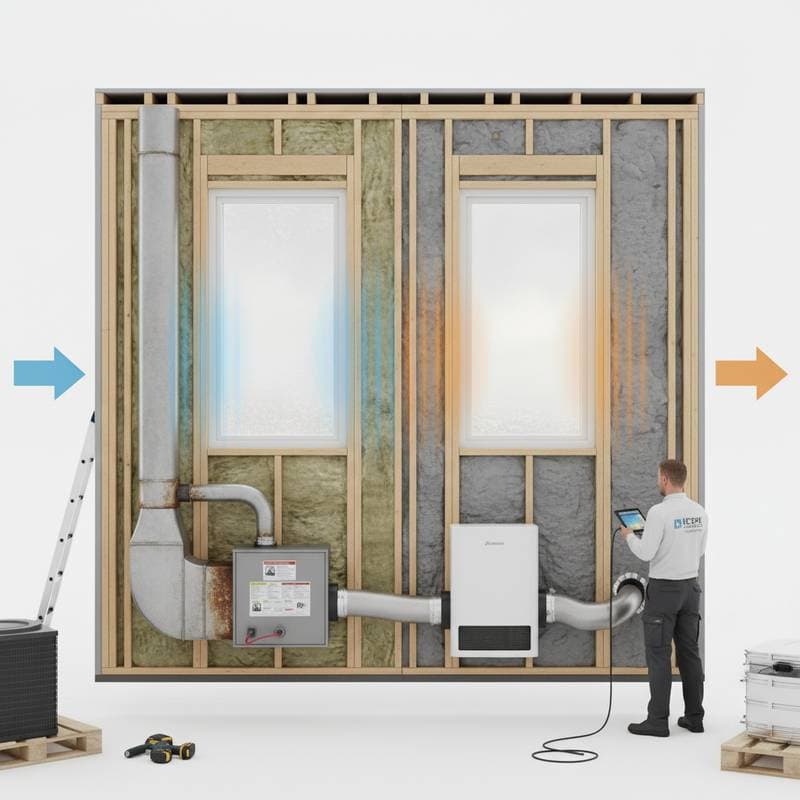
Key Principles of Thermal Envelope Upgrades
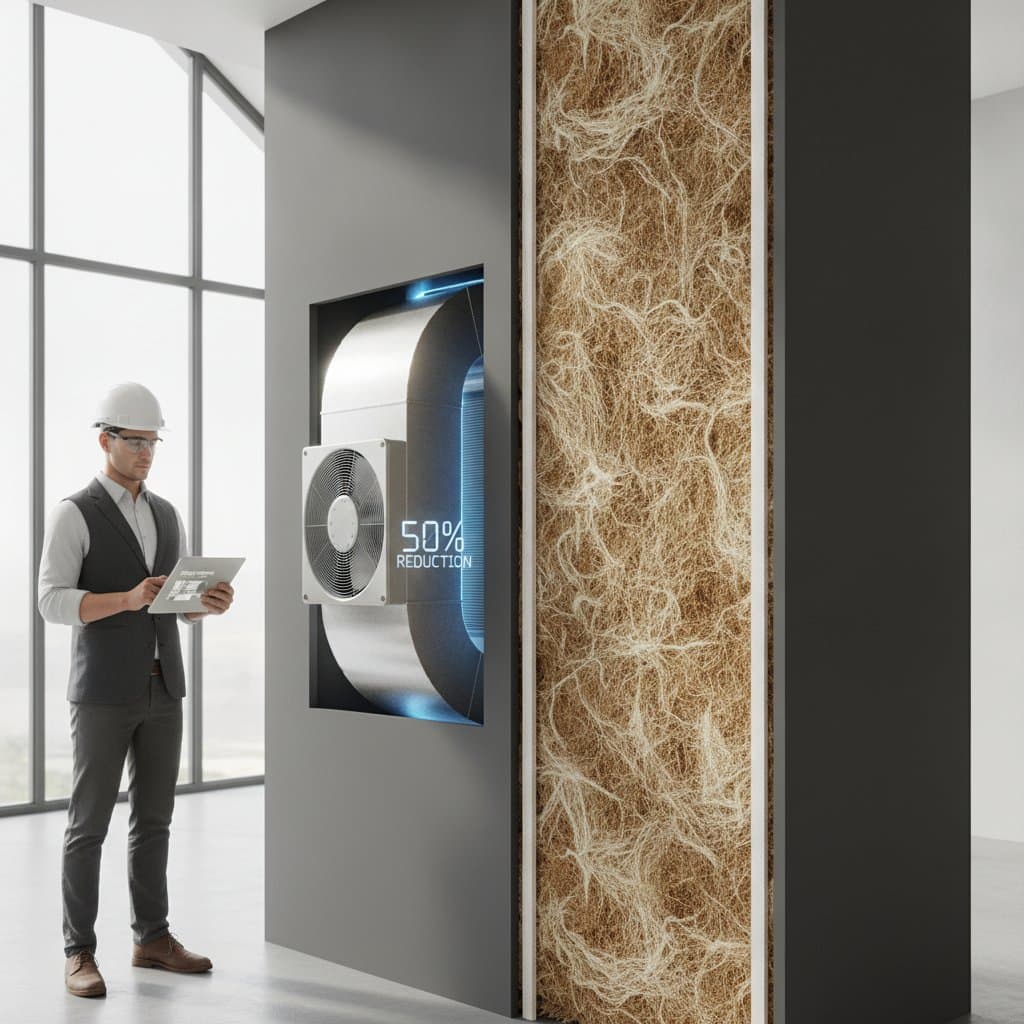
Strategic enhancements to a home's thermal envelope can lower HVAC energy use by up to 50 percent, resulting in significant reductions in operating expenses. These upgrades combine better insulation, enhanced airtightness, and superior window performance to provide immediate improvements in comfort alongside sustained financial advantages. The optimal strategy varies based on local climate, home structure, and available budget, yet every residence gains from improved thermal performance. Prioritizing the sequence of these upgrades, particularly when integrated with efficient HVAC equipment and ongoing energy tracking, amplifies the return on investment.
Financial and Environmental Impacts
Reducing the HVAC load stands out as one of the most rewarding investments in home improvement. Utility bills represent ongoing costs, and each unit of energy conserved accumulates savings over years. Homeowners who invest thoughtfully in insulation and air sealing typically recover their expenses within five to eight years, influenced by regional energy prices and selected materials.
On the environmental front, these upgrades yield broader advantages. Heating and cooling account for a substantial share of home energy consumption, contributing to greenhouse gas emissions. A properly sealed structure requires less energy for climate control, easing the burden on power grids and decreasing overall carbon output. Achieving sustainability through such measures proves practical, stemming directly from sound design and quality execution.
Calculating the Value of Thermal Isolation
Enhancing a home's thermal envelope generally requires 3 to 8 percent of the total budget for new construction or extensive renovations, varying with material selections and regional labor costs. In return, operational savings can range from 40 to 60 percent across the building's lifespan. This balance positions envelope upgrades as a dual-purpose investment that boosts both daily livability and market appeal.
Imagine a household facing annual HVAC costs of $3,000. A 50 percent cut saves $1,500 yearly. For an upgrade investment of $15,000 to $20,000, the point of financial recovery arrives within 10 years, followed by annual net gains.
Achieving Air Sealing and Vapor Control
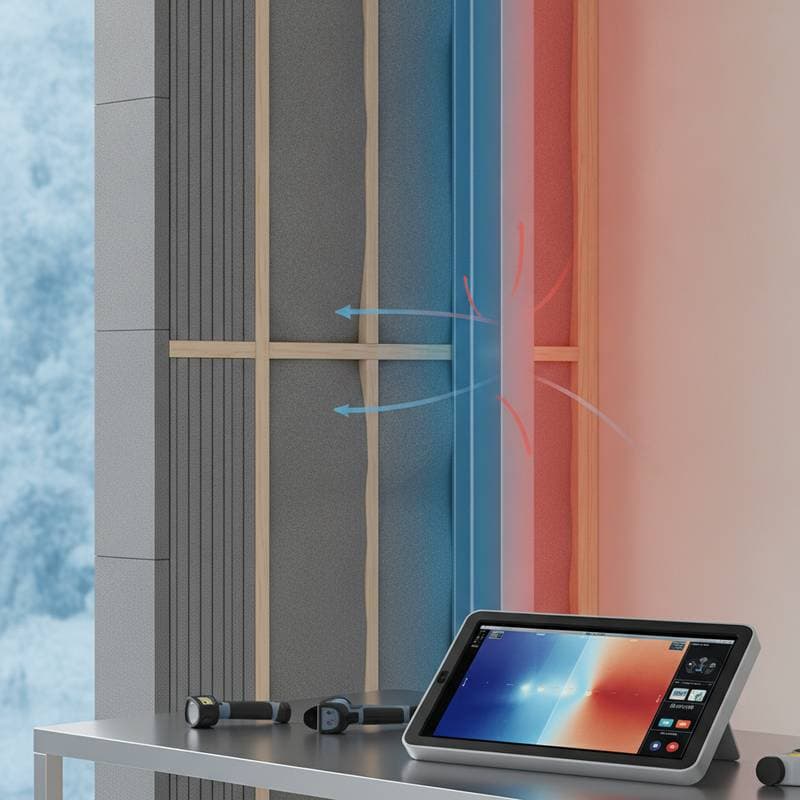
Insulation performs optimally only when paired with airtight construction. Small gaps at electrical outlets, pipe penetrations, and structural joints can cause 20 to 30 percent of heat or cool air loss. Effective air sealing employs caulks, foam gaskets, and durable membranes to establish a robust pressure barrier, allowing insulation to retain its effectiveness.
Managing vapor flow prevents long-term issues. In cooler regions, incorrect vapor barriers may cause moisture buildup, fostering mold growth or structural decay. Experts recommend vapor-permeable materials that permit drying while preserving insulation integrity. Tailoring these elements to specific weather patterns and building methods underscores the importance of consulting professionals during the planning phase.
Combining with HVAC System Enhancements
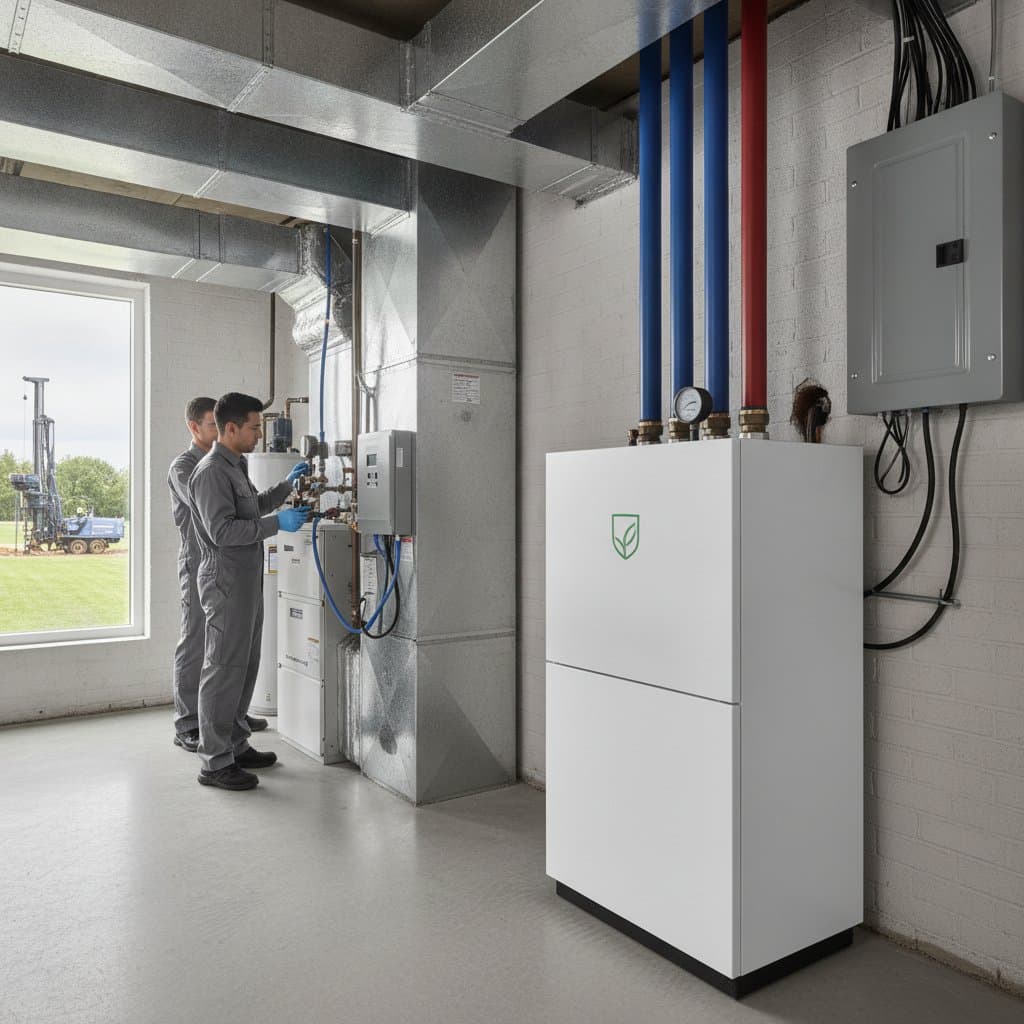
Envelope improvements lighten the demand on heating and cooling equipment. Post-upgrade, many homes support HVAC units 20 to 40 percent smaller in capacity. This adjustment lowers initial equipment expenses and prolongs system durability by minimizing operational strain and frequent on-off cycles.
The strongest results emerge from these integrated steps:
- Right-sizing equipment: Base selections on updated load assessments that reflect the improved envelope, avoiding reliance on prior oversized calculations.
- Implementing zoning: Use multi-zone controls or intelligent vents to maintain even temperatures in targeted areas.
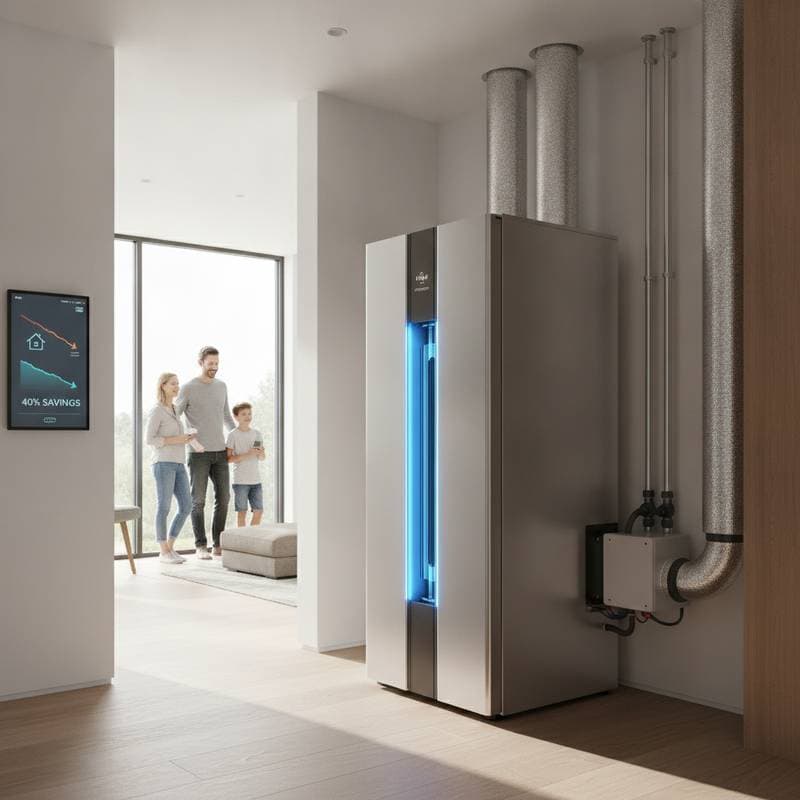
- Adding heat recovery ventilation: Introduce fresh outdoor air while recapturing energy from exhaust, preserving indoor conditions.
- Incorporating variable-speed technology: Equip compressors and fans to modulate output, ensuring consistent comfort with minimal energy waste.
Together, these passive and active measures can reduce yearly heating and cooling bills by half, optimizing both user experience and economic outcomes.
Adapting to Regional Climates
Effective thermal strategies adjust to geographic differences, though core concepts apply everywhere. Colder areas emphasize heat retention via elevated insulation ratings and meticulous sealing. Hot, humid zones prioritize blocking solar heat and regulating moisture to prevent indoor buildup.
In temperate regions, hybrid solutions with radiant barriers and balanced insulation levels offer efficient performance. Factors like prevailing building regulations, material availability, and skilled labor availability shape project costs and effectiveness. Engaging local experts ensures customized approaches that comply with standards and avoid excess spending.
Exploring Funding and Support Options
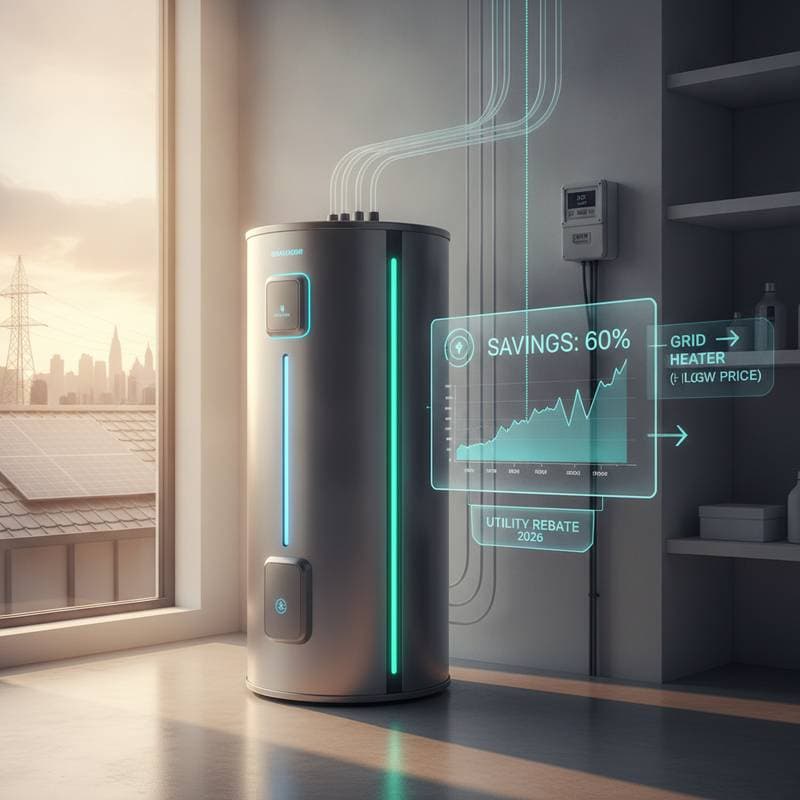
Upfront costs for envelope and HVAC upgrades may appear daunting, yet various financing tools ease the transition. Options include home equity loans, eco-friendly mortgages, and incentives from government programs providing favorable rates for efficiency projects. Utility providers frequently issue rebates tied to documented energy savings or performance benchmarks.
For comprehensive endeavors, consider performance contracts or energy service agreements that link payments to realized efficiencies. These arrangements promote transparency and guarantee that benefits match expectations. Confirm qualification details with municipal offices or accredited energy advisors prior to proceeding.
Frequently Asked Questions
How do I determine if my home requires thermal envelope improvements?
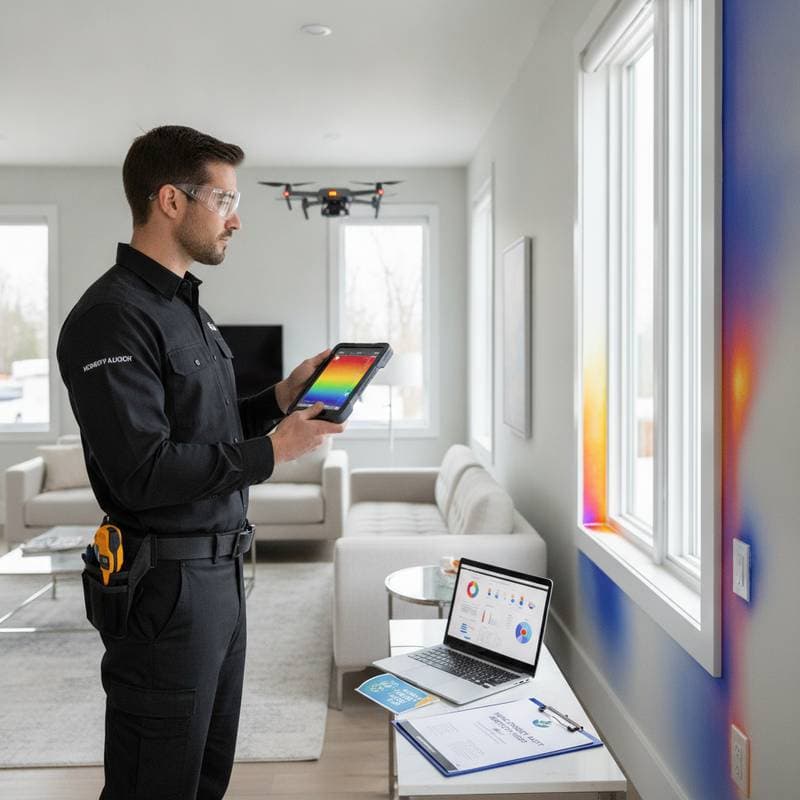
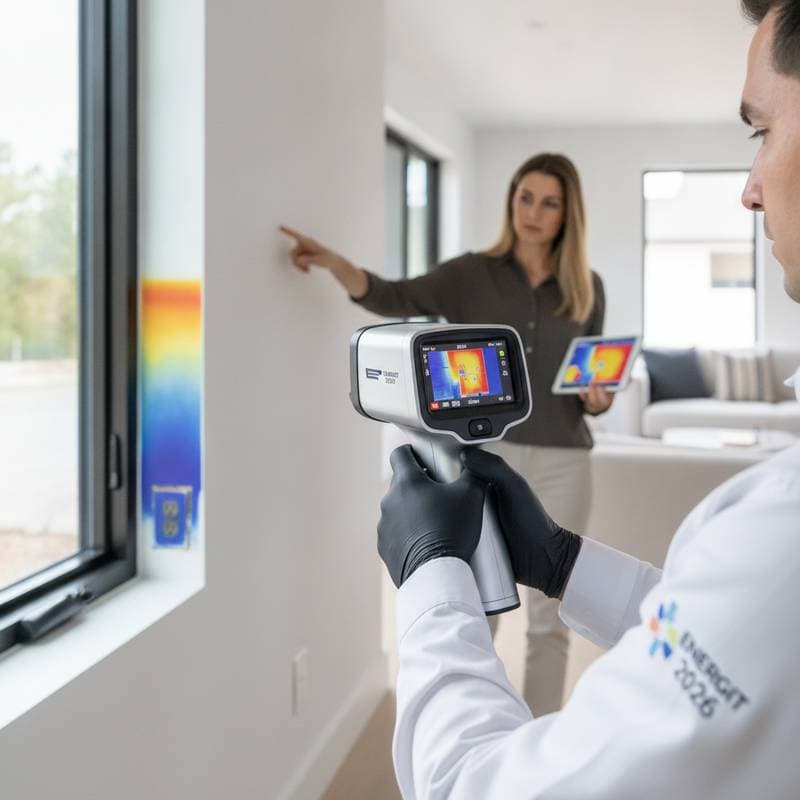
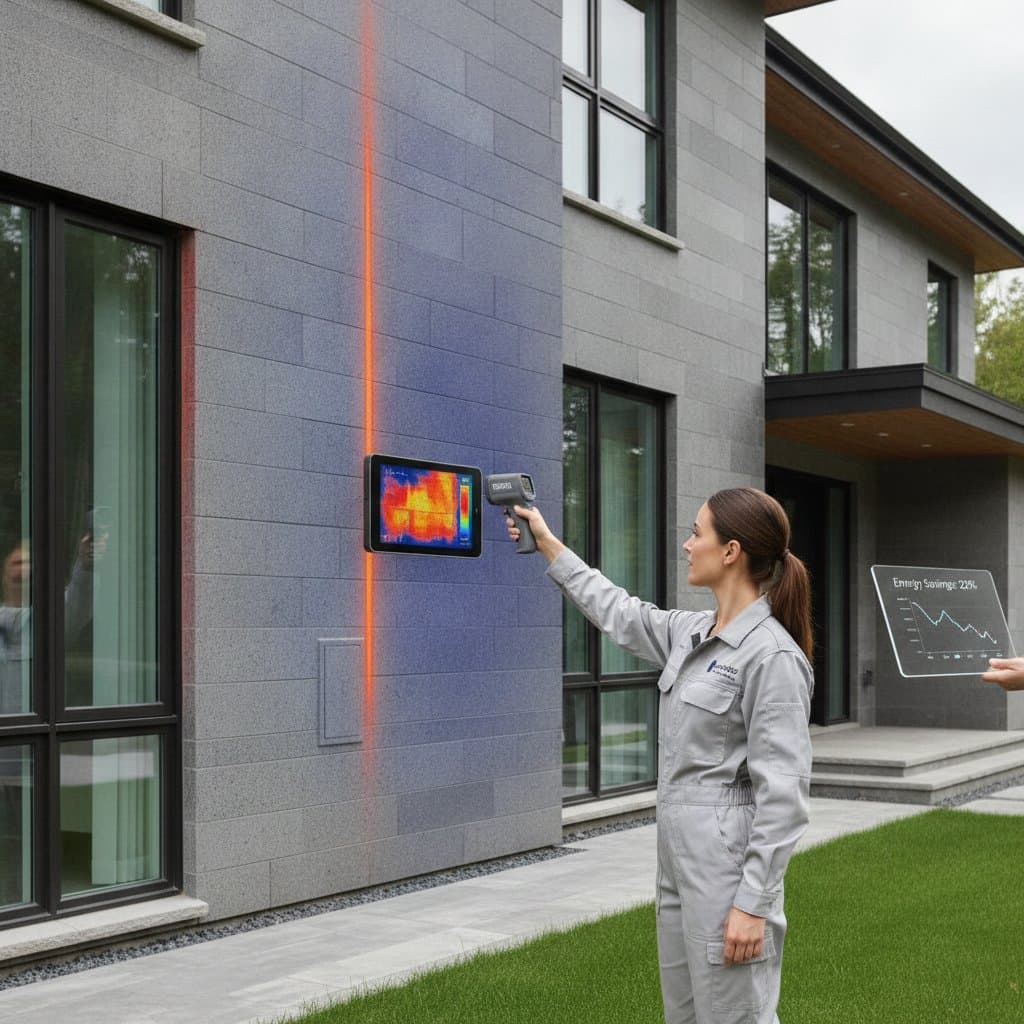
Signs include inconsistent room temperatures, noticeable drafts, or elevated utility statements. A professional energy audit delivers precise insights through diagnostic testing.
Must all thermal upgrades involve hired professionals?
Basic air sealing around windows or outlets suits DIY efforts with common tools. However, attic insulation, wall cavities, or window replacements necessitate expert handling for safety, adherence to codes, and preserved warranties.
Do insulation enhancements render existing HVAC systems unnecessary?
Systems remain functional but may operate inefficiently if oversized for the new conditions. Plan for a smaller replacement during routine maintenance cycles to capture full efficiencies.
Which insulation suits retrofits in older homes?
Blown-in cellulose fills attics and walls with minimal disruption, while spray foam seals irregular spaces effectively. Pair selections with appropriate moisture barriers and airflow plans to avoid complications.
Do thermal upgrades enhance property value upon sale?
Absolutely. Prospective buyers value reduced utility demands and superior comfort. Backed by energy audit reports or efficiency certifications, these features strengthen listing appeal.
Steps to Implement Your Thermal Envelope Upgrade
Start with a comprehensive energy audit to identify priority areas like attic insulation or window inefficiencies. Select materials suited to your climate, such as rigid foam boards for walls or low-emissivity glass for better solar control. Sequence the work by addressing air sealing first, followed by insulation, to build a layered defense against energy loss.
Integrate HVAC adjustments early, consulting a certified technician for load recalculations. Track progress with smart meters to quantify savings and refine habits. These targeted actions not only cut costs but also create a more resilient, comfortable home for years ahead.