Key Points
- New home electrification credits cover a significant portion of costs for appliance and system upgrades.
- Transitioning to electric systems reduces energy bills, enhances indoor air quality, and increases property value.
- Incentives depend on household income, project scope, and equipment type, which requires careful planning to maximize savings.
- A panel upgrade frequently enables eligibility for multiple credits simultaneously, amplifying financial returns.
- Pairing rebates with efficiency upgrades yields long-term reductions in energy and maintenance expenses.
Why Electrification Matters Now
Electrification involves replacing fossil fuel appliances with electric options that operate on renewable energy sources. This transition decreases household emissions, enhances safety, and typically lowers lifetime operating costs. For instance, gas stoves release nitrogen dioxide, which contributes to indoor air pollution, whereas induction cooktops heat more quickly, clean with greater ease, and eliminate exposure to combustion byproducts.
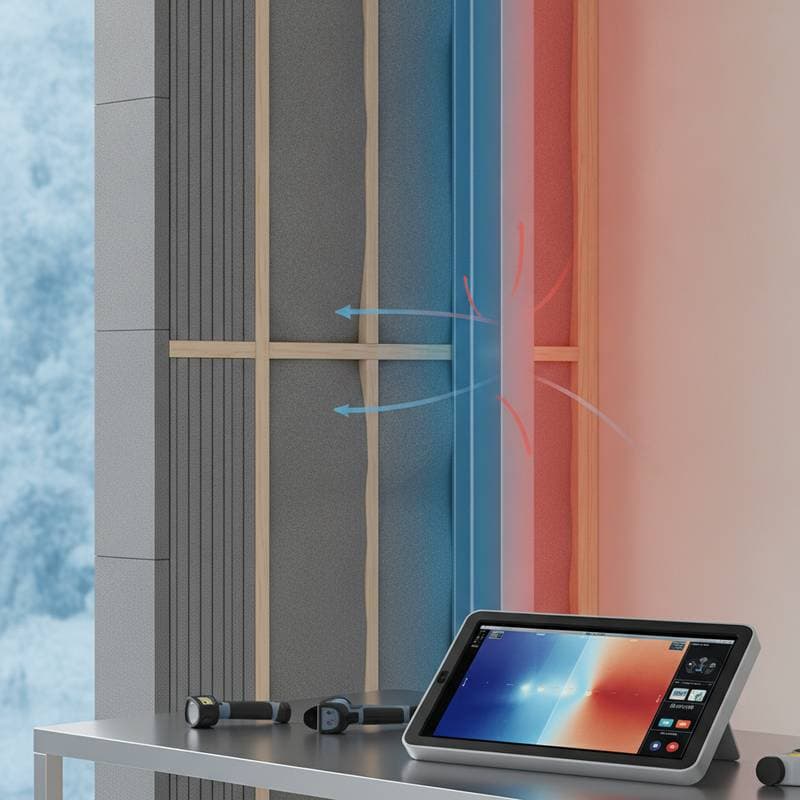
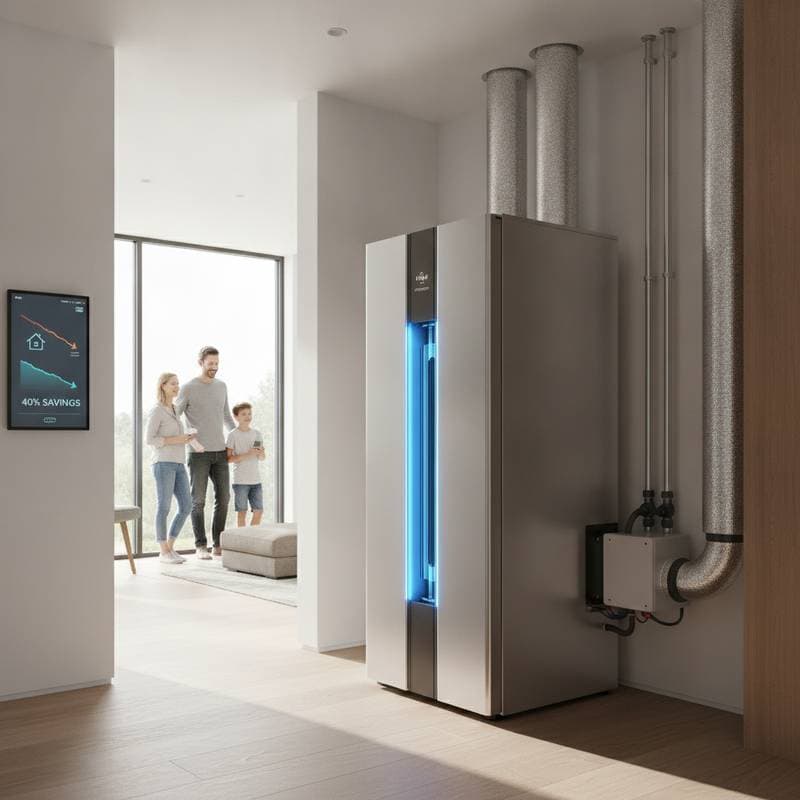
Financial benefits provide strong motivation. Electric systems, supported by cleaner power grids, prove less expensive to run over time. Heat pump technology transfers heat rather than generating it, delivering three to four units of energy output for each unit consumed. When combined with electrification credits, the period required to recover initial investments shortens considerably.
Cost Breakdown and ROI Analysis
Numbers often drive decisions in home improvements. Electrification credits apply to various upgrades, from individual appliances to comprehensive system changes. Specific amounts vary based on household income, project details, and additional regional programs.
Typical Upgrade Categories
- Induction Cooktops: These range from 1,000 to 3,000 dollars, with rebates covering 30 to 50 percent of the price. Certain programs provide point-of-sale discounts to minimize immediate expenses.
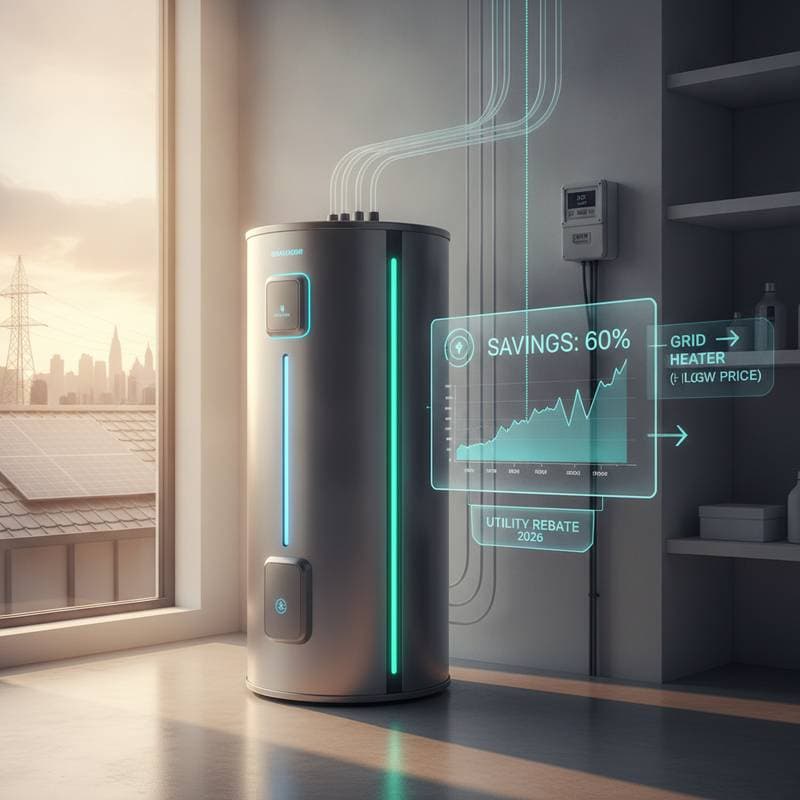
- Heat Pump Water Heaters: Installation costs fall between 1,800 and 3,500 dollars. Credits offset up to 1,750 dollars, enabling payback in three to five years.
- Heat Pump HVAC Systems: Prices average 8,000 to 18,000 dollars, influenced by home size and efficiency ratings. Rebates reach several thousand dollars, especially for models suited to cold climates.
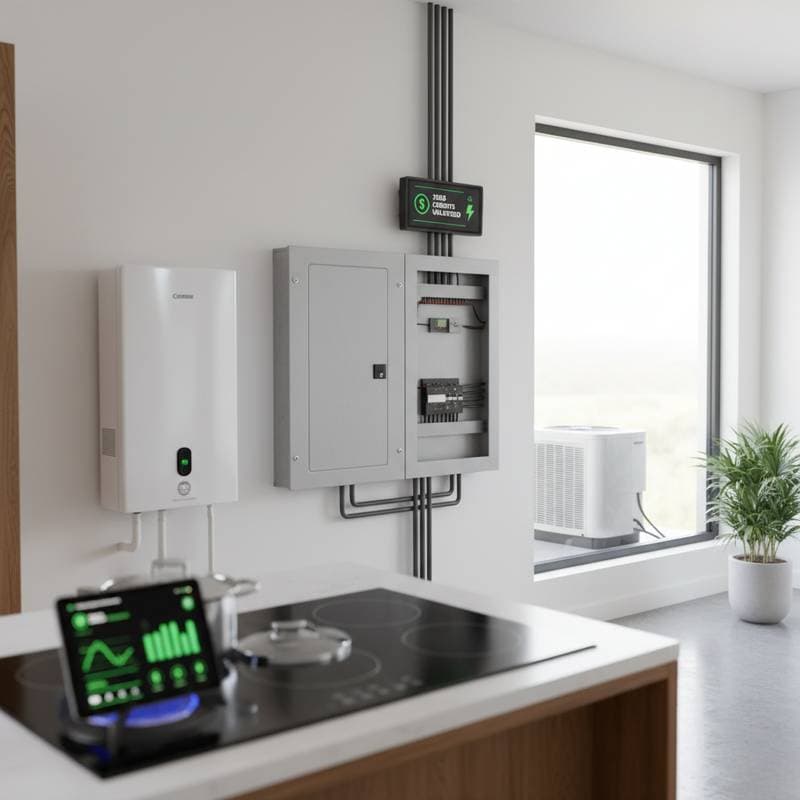
- Electric Panel Upgrades: These cost 2,000 to 4,000 dollars. Credits reduce expenses by up to 600 dollars or higher, and the upgrade qualifies the home for additional appliance incentives.
- Wiring Improvements: Dedicated circuits for new appliances cost 200 to 1,000 dollars each, with partial coverage through installation rebates.
Long-Term Savings
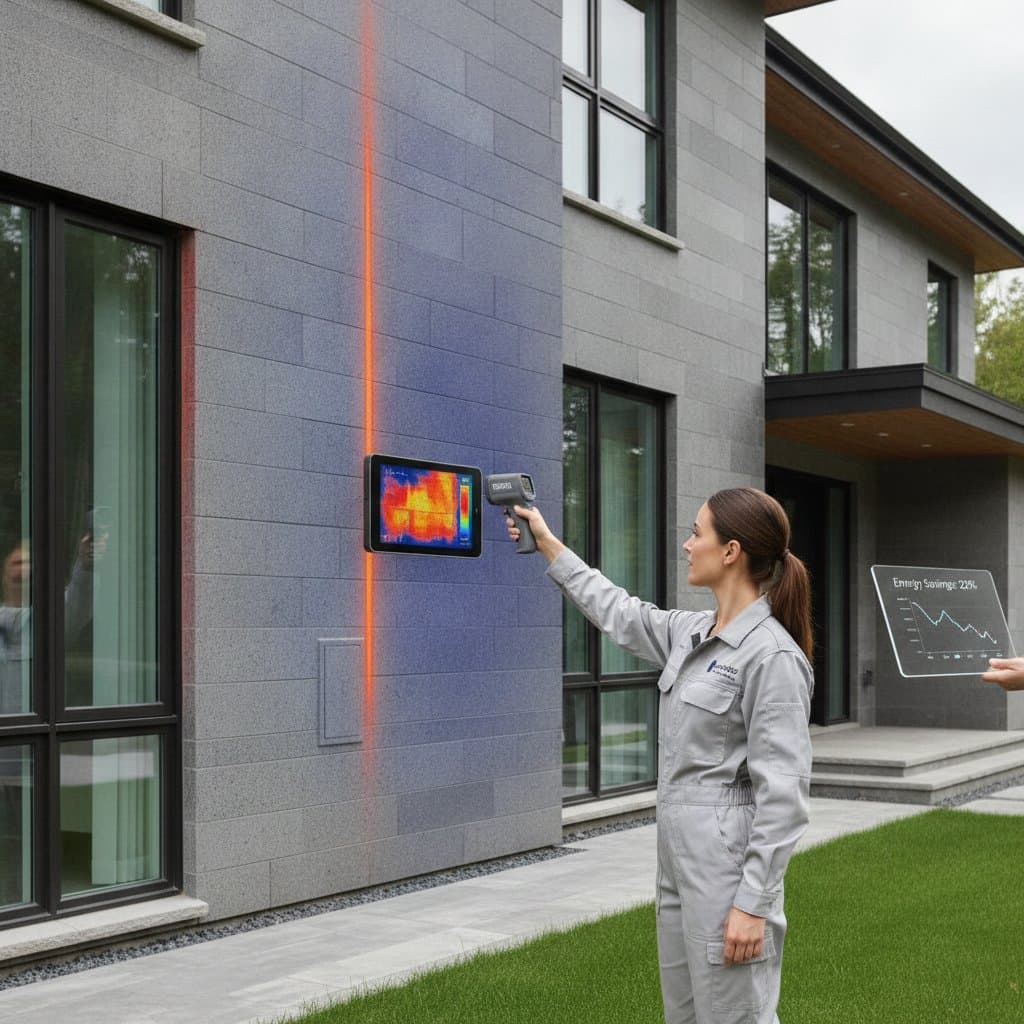
After installation, electric systems cut annual utility expenses by 10 to 40 percent, depending on fuel costs and efficiency. Over 10 years, homeowners recover most or all initial costs via energy savings. Rebates strengthen this financial outcome further.
Factors Influencing the Project
Homes and budgets differ widely. Key variables affect costs and eligibility, helping avoid unexpected issues.
- Electrical Capacity: Residences with 100-amp service often need panel upgrades to support additional electric appliances.
- Building Age and Condition: Outdated wiring or poor insulation raises installation challenges.
- Climate Zone: Required efficiency ratings differ by location. Cold areas favor heat pumps designed for low temperatures, while milder regions suit standard units.
- Contractor Expertise: Select professionals experienced in rebate processes to secure all available credits.
- Timing: Rebate funds follow first-come, first-served rules, so prompt applications prove essential.
Expert Validation and Actionable Takeaways
Experts stress that effective electrification relies on strategic planning and order of operations. Begin with a panel upgrade to establish capacity for subsequent enhancements. Incorporate smart thermostats and controls for monitoring energy use, allowing adjustments that optimize consumption and savings.
Follow these steps to maximize advantages:
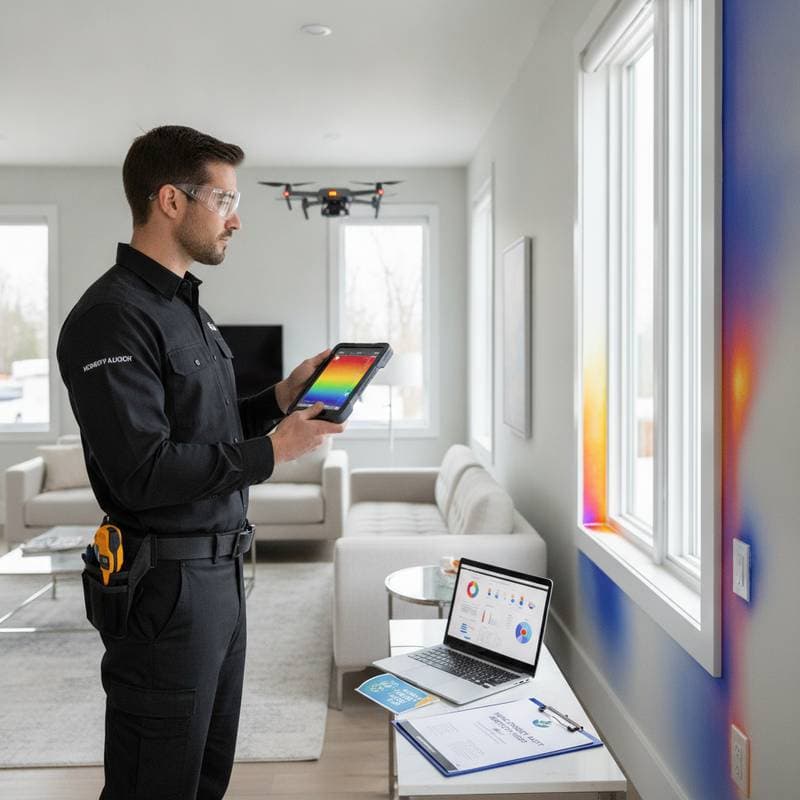
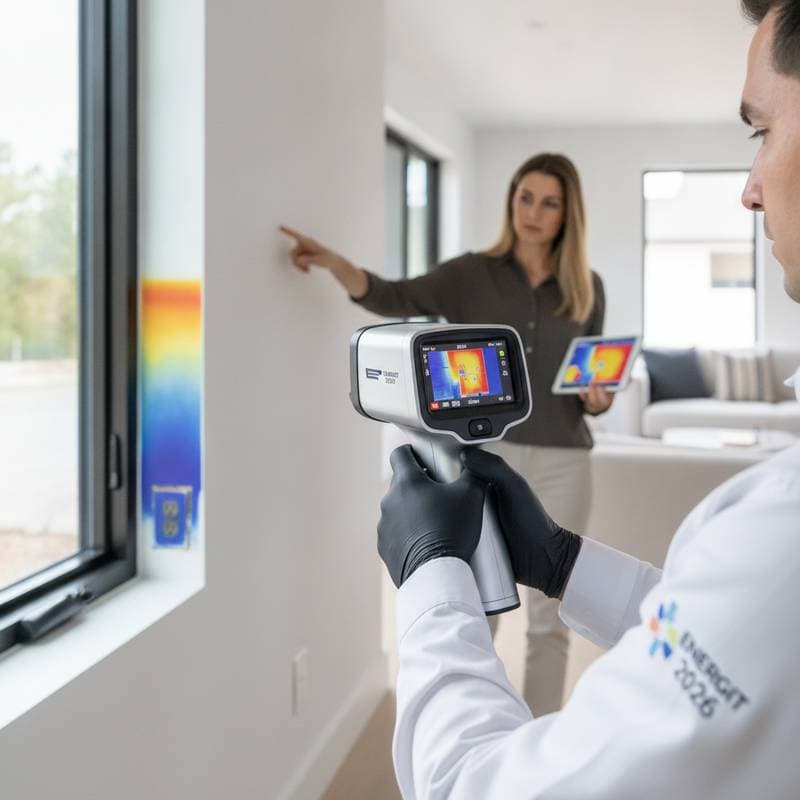
- Conduct an energy audit to pinpoint inefficiencies and rank upgrades by impact.
- Bundle projects, such as panel work with appliance installs, to lower overall labor fees.
- Engage certified contractors, as rebate programs mandate qualified professionals.
- Monitor application deadlines, which usually fall within a defined window post-installation.
- Review program updates regularly, since rules change over time.
Frequently Asked Questions
Can renters benefit from electrification credits?
Yes, under certain conditions. Renters qualify for rebates on portable induction cooktops or plug-in devices, although major changes need landlord approval. Owners access building-wide incentives that enhance tenant living standards and cut operational costs.
Is a full panel upgrade always necessary?
No. Capacity varies by home. An electrician assesses load based on current and future appliances. Upgrading preempts capacity issues if the system approaches limits.
Do electric systems work in cold climates?
Yes. Contemporary cold-climate heat pumps maintain efficiency in sub-freezing conditions through advanced compressors and refrigerants. Optional backup resistance heating addresses extreme scenarios.
What if my local electricity rates are high?
Electric systems remain competitive due to superior efficiency. Heat pumps produce multiple heat units per electricity unit, countering rate variations. Integration with solar panels or community renewables mitigates utility fluctuations.
How do I verify product eligibility for rebates?
Check manufacturer websites for qualifying model numbers. ENERGY STAR certification serves as a strong indicator. Confirm specifics prior to buying to ensure incentive access.
What happens if I sell my home after upgrading?
Upgrades boost resale value and appeal to efficiency-focused buyers. Lower bills and all-electric convenience attract modern purchasers.
Steps to Electrify Your Home
Electrifying a residence proceeds in stages, favoring deliberate preparation. Strengthen the electrical foundation first, then add appliances as funds and incentives permit. Approach it as reshaping energy use, circuit by circuit.
Consider electrification an investment in finances and daily life. Improved air quality, reduced noise, and precise energy management elevate comfort and assurance. With credits and enduring savings, the focus shifts from expense to potential.
Outline priorities, obtain estimates, and confirm qualifications. Retain records of purchases and installations, then observe declining utility statements. Each upgrade, from a cooktop to a system replacement, advances toward a sustainable, efficient home.