Key Points
- Geothermal HVAC systems reduce cooling costs by up to 65 percent and improve indoor comfort levels.
- These systems rely on the earth's stable underground temperatures for efficient heating and cooling operations.
- Although initial installation expenses are elevated, the long-term energy savings and environmental advantages justify the investment.
The Earth's Steady Thermal Resource
Imagine entering your home on a sweltering summer day to find the interior air refreshingly cool and evenly tempered. This outcome stems from an innovative system buried beneath the surface. Homeowners often face escalating energy bills during peak heat periods, yet the ground underfoot offers a reliable, renewable source of thermal stability that addresses these challenges effectively.
Challenges with Conventional Cooling Systems
Traditional air conditioners must contend with variable outdoor temperatures, which compels their compressors to operate at higher intensities during intense heat. This increased workload elevates energy consumption significantly. In regions with hot climates, cooling requirements can represent almost 50 percent of a household's total energy use, highlighting the need for a more dependable alternative.
Principles of Geothermal HVAC Operation
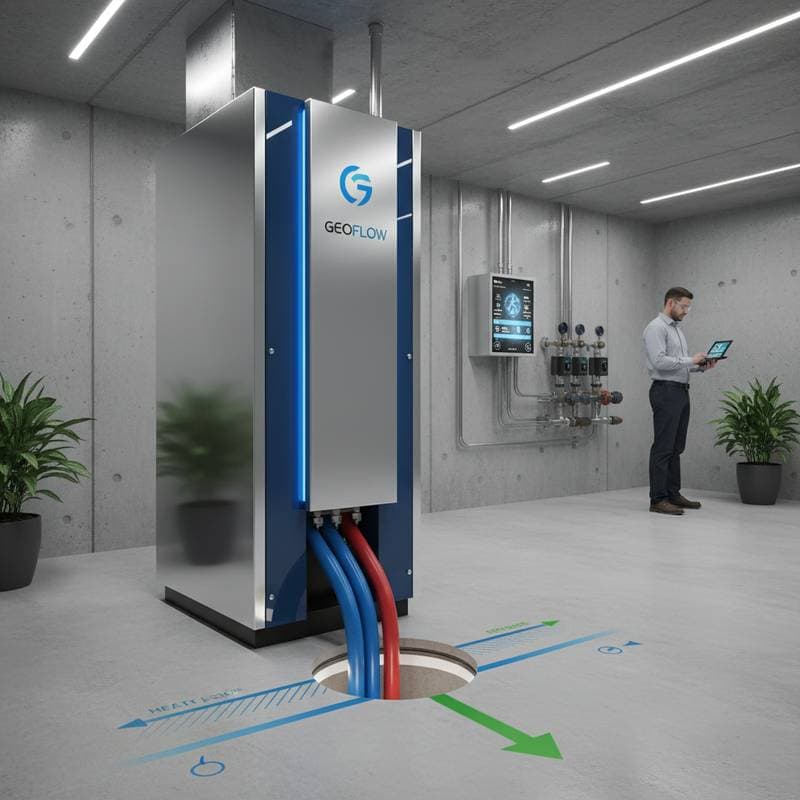
A geothermal heat pump extracts thermal energy from the ground, where temperatures remain constant at approximately 50 to 60 degrees Fahrenheit year-round. During summer, the system absorbs excess heat from indoors and dissipates it into the earth via an underground loop of piping, then distributes cooler air throughout the home. The process inverts for winter heating, drawing warmth from the ground to the interior.
This approach demands substantially less electricity compared to standard HVAC units because it avoids the inefficiencies caused by external weather variations. Geothermal systems integrate seamlessly with a property's overall energy framework, providing consistent performance across seasons without the fluctuations common in air-source alternatives.
Installation Process for Geothermal Systems
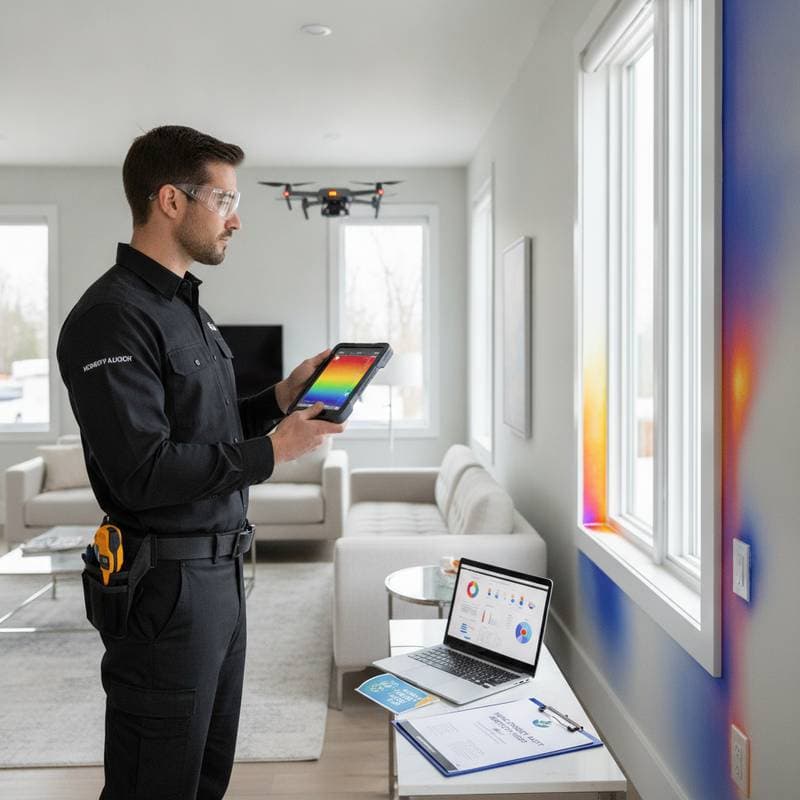
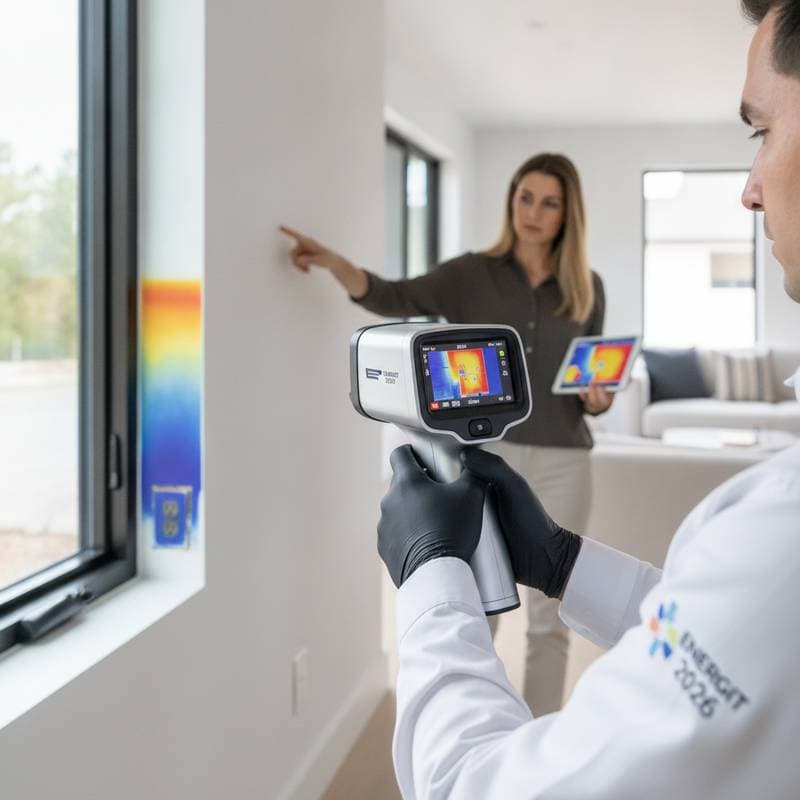
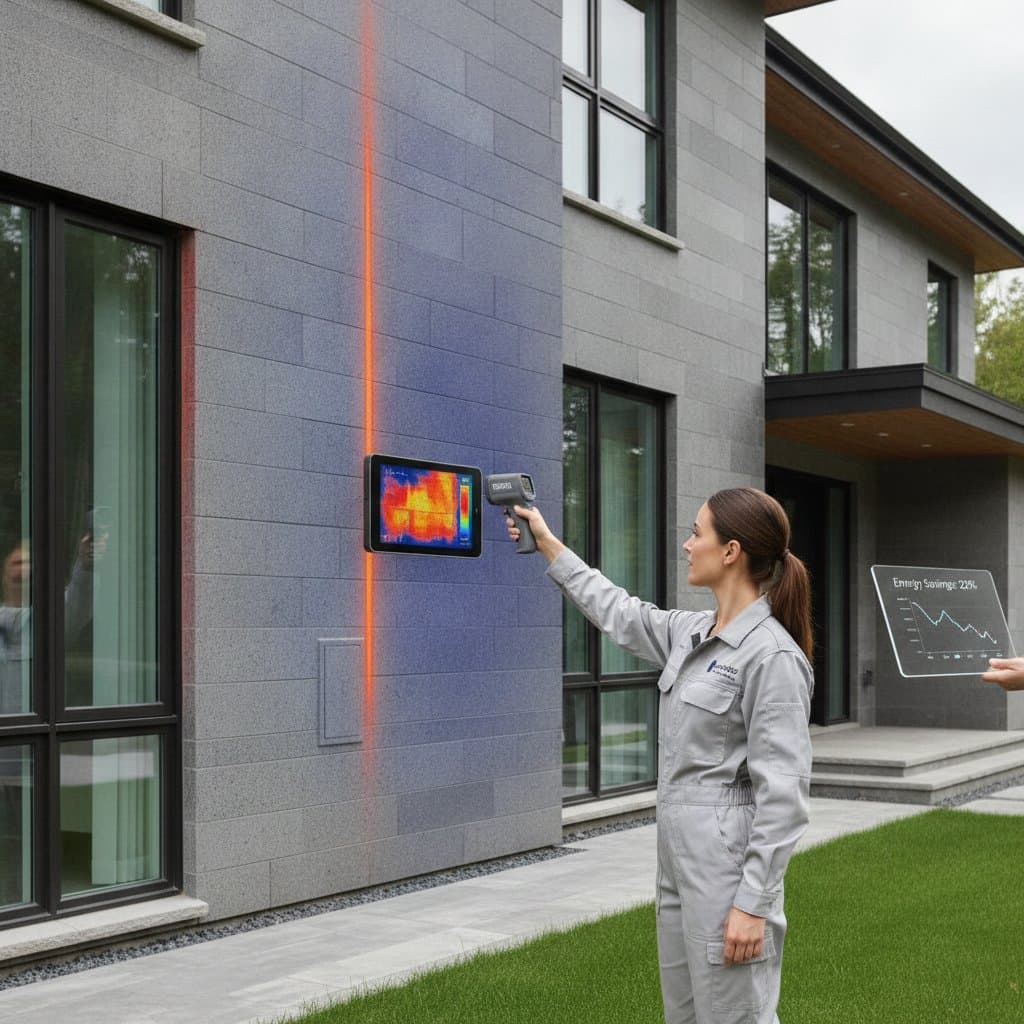
- Site Assessment: Professionals evaluate soil composition, land availability, and groundwater presence to determine feasibility.
- Design Planning: Experts select the appropriate loop layout, such as horizontal fields for larger areas or vertical boreholes for limited spaces, based on site geology.
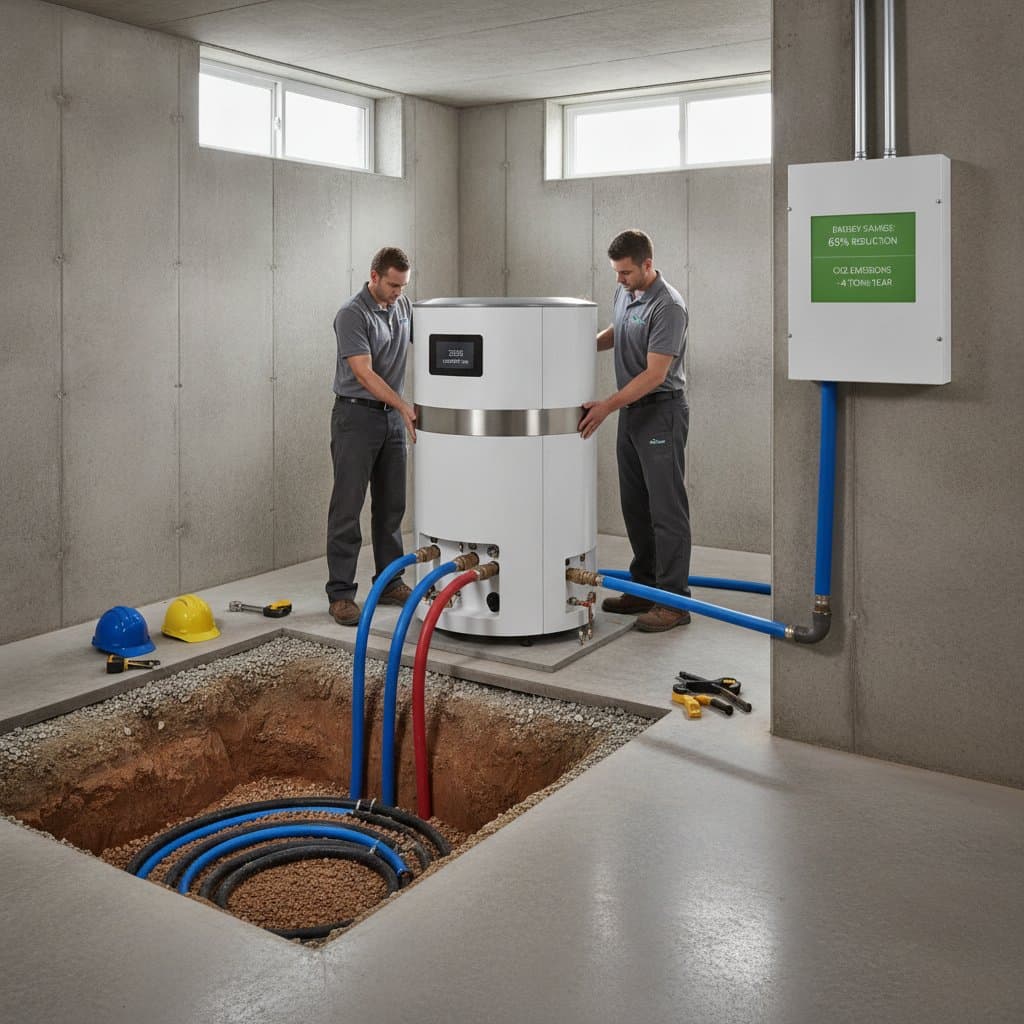
- Excavation and Loop Placement: Specialized equipment installs the piping network underground to facilitate heat exchange.
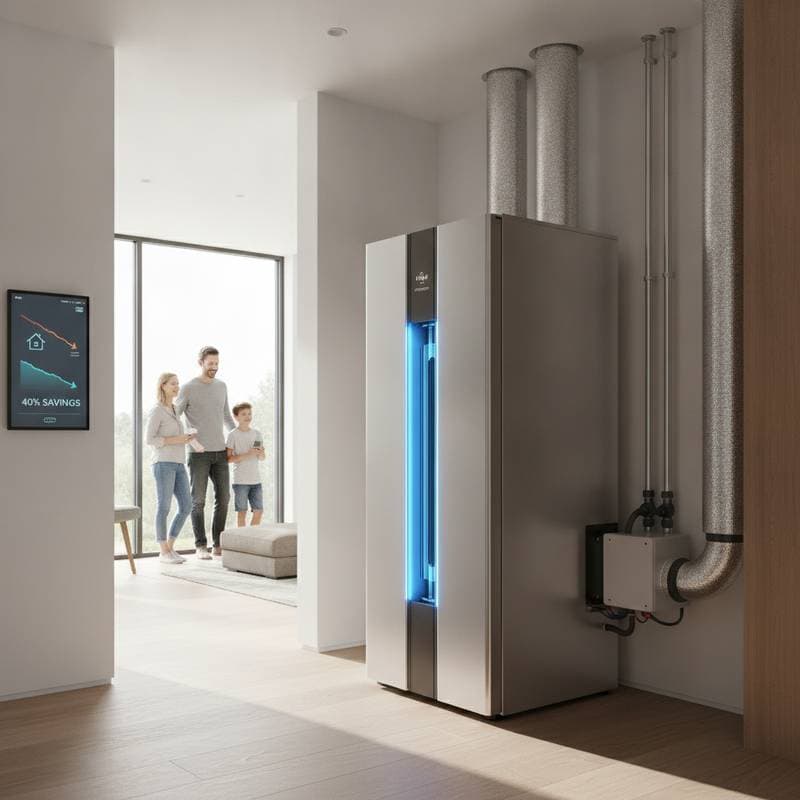
- Indoor Component Integration: The heat pump unit connects to existing ductwork, enabling the distribution of conditioned air.
- System Calibration: Technicians test and adjust the setup to optimize efficiency and ensure balanced comfort.
Strategies to Enhance System Performance
- Maintain clean air filters to support optimal airflow and prevent strain on components.
- Arrange biennial professional inspections to identify and address potential issues early.
- Integrate solar panels to achieve near-zero net energy consumption and amplify savings.
- Install programmable thermostats to minimize operation during low-occupancy periods.
Homeowners who adopt these practices report sustained efficiency and reduced upkeep expenses over time.
Financial Analysis and Return on Investment
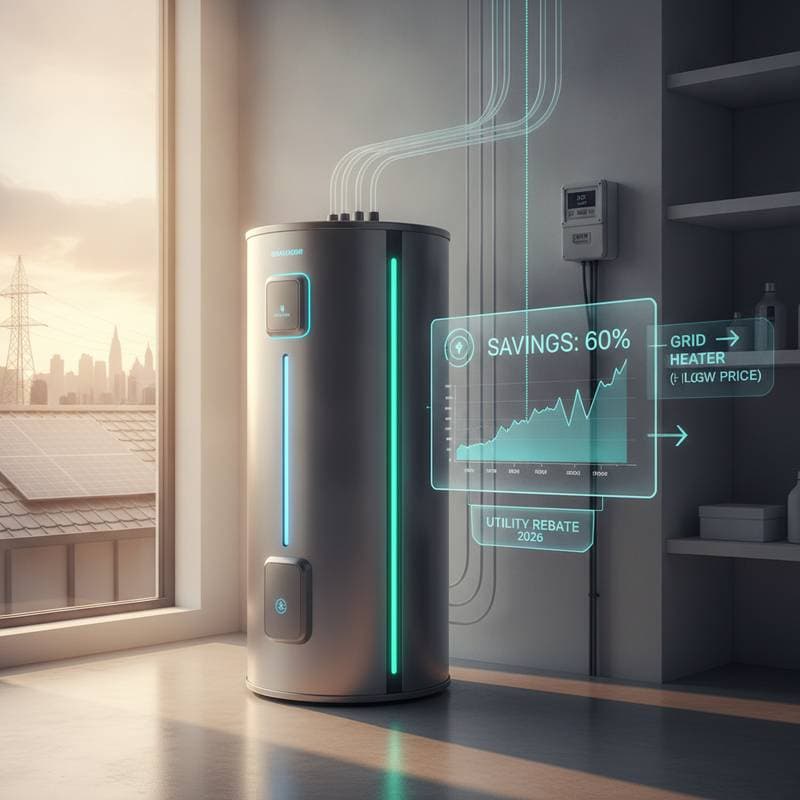
Initial costs for geothermal installation generally fall between $15,000 and $30,000, influenced by the loop configuration and site specifics. However, these systems achieve up to 65 percent savings on cooling and 40 percent on heating, leading to a payback period of five to eight years. Additional incentives, such as utility rebates and eligibility for green building certifications, accelerate the financial recovery.
Advancing Toward Geothermal Adoption
For those seeking to lower cooling expenses and enhance residential efficiency, geothermal HVAC presents a compelling option. Consult a certified specialist via our platform to obtain a detailed, obligation-free assessment. Proper implementation ensures a home that maintains ideal temperatures effortlessly, drawing on the inherent stability of the earth's thermal resources.
Frequently Asked Questions
How durable is a geothermal HVAC system?
Underground loops endure for more than 50 years, and indoor components function reliably for 20 to 25 years with routine maintenance.
Is geothermal suitable for properties with limited space?
Yes, vertical loop designs occupy little surface area, accommodating urban or compact sites effectively.