Geothermal Heat Pumps Becoming More Affordable
Key Points
- Geothermal heat pumps could soon cost about half of what they used to, lowering barriers for homeowners seeking clean, efficient heating and cooling.
- Rising energy costs make long term savings from geothermal systems more attractive than ever.
- New incentives, improved drilling methods, and streamlined installation processes are driving the price drop.
- Understanding upfront costs, system types, and payback periods helps homeowners make confident investment decisions.
The Shift Toward Affordable Geothermal Heating
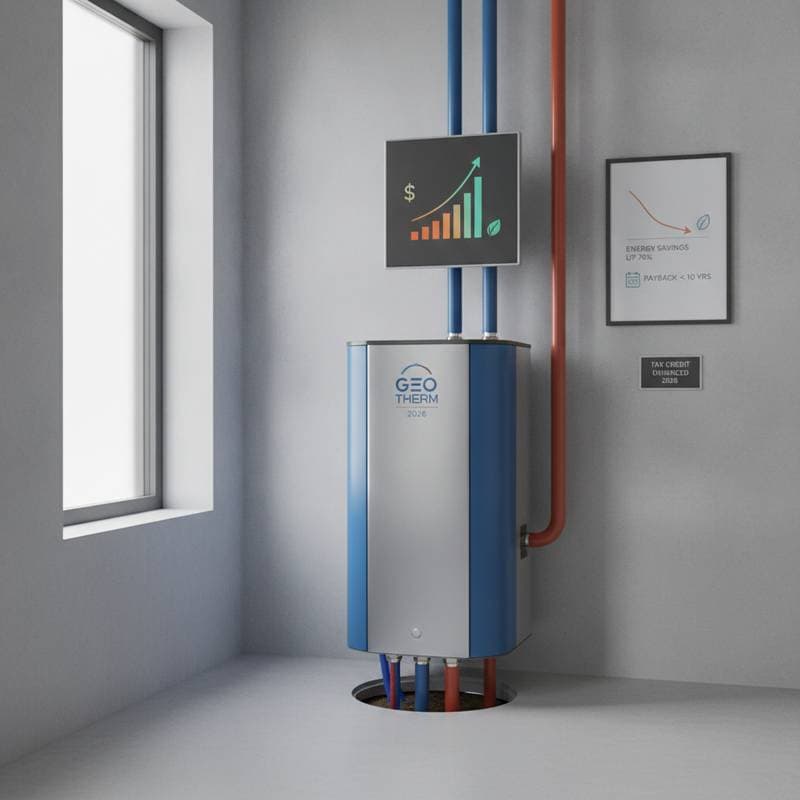
Homeowners can replace a furnace and air conditioner with a system that quietly draws on stable underground temperatures. Geothermal heat pumps transfer heat between a residence and the ground. In winter the system extracts warmth from the earth. In summer it rejects heat back into the ground. This approach avoids combustion and can reduce energy use by 40 to 70 percent compared with conventional equipment.
Why Costs Are Falling
Several developments are lowering prices.
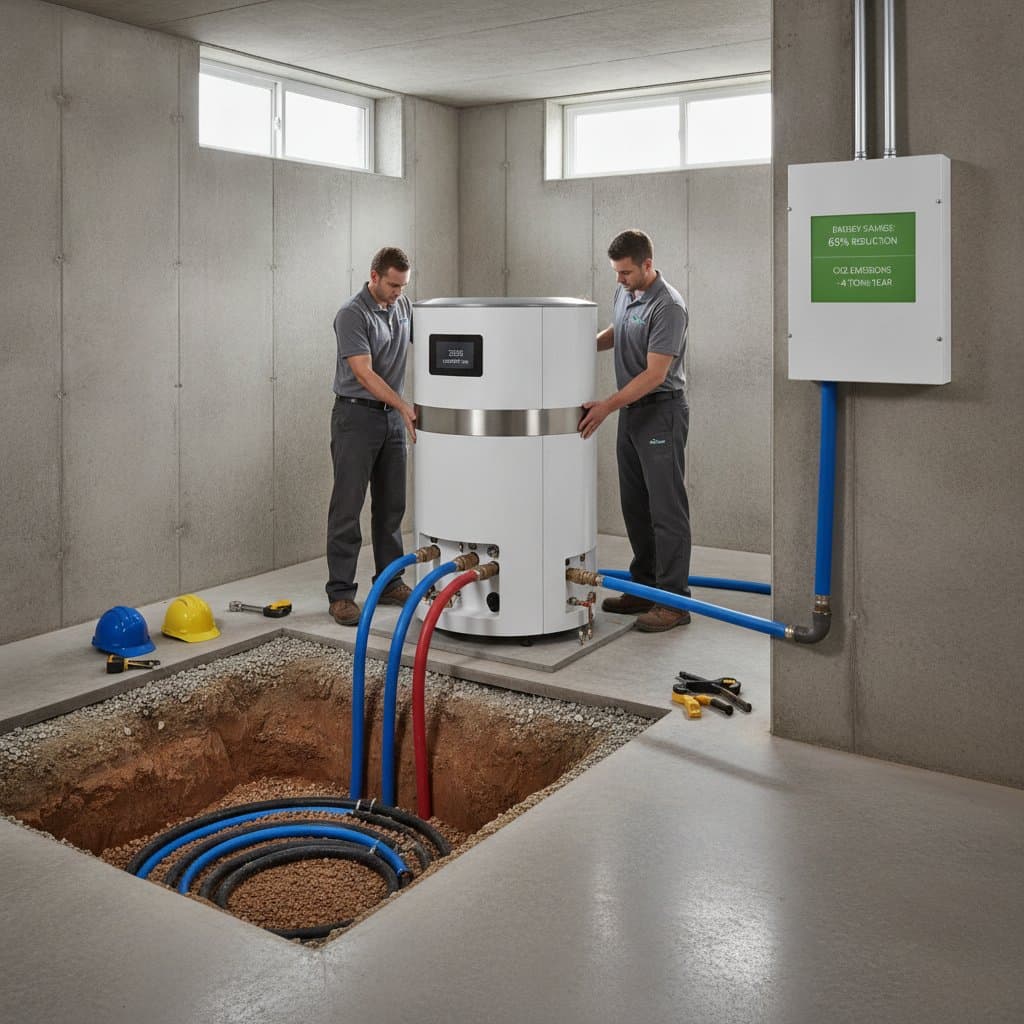
- New drilling rigs operate with fewer workers and less equipment time.
- Higher production volumes allow manufacturers to reduce unit costs.
- Expanded rebates and tax credits lower the net expense for buyers.
- Increased numbers of certified contractors create competitive bids.
These changes move geothermal systems from premium pricing into reach for a wider range of households.
Cost Breakdown and Return on Investment
Current installed prices for a typical residential system fall in the moderate to high five figure range. Projected reductions could bring many projects into the mid or low five figure range, depending on lot conditions and home size. Utility savings of 40 to 70 percent per year often recover the investment within five to ten years. Ground loops last more than fifty years while indoor units commonly exceed twenty years of service.
Planning Considerations
Property owners should evaluate several factors before proceeding.
- Soil type and available land determine whether horizontal or vertical loops are practical.
- Adequate insulation and air sealing improve overall performance.
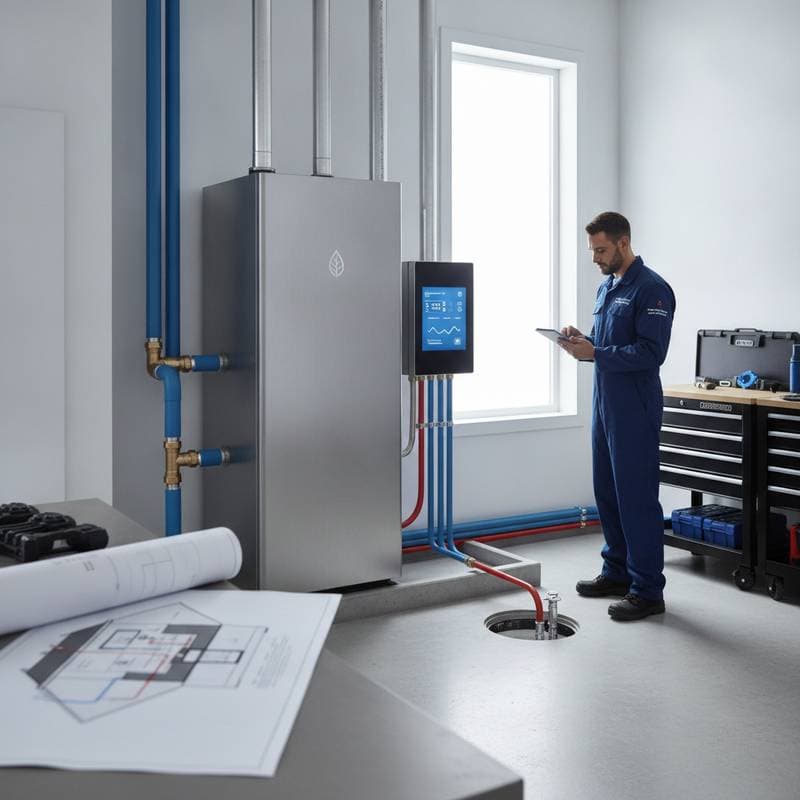
- Certified installers ensure compliance with local codes and proper sizing.
- Available rebates and financing options reduce initial outlays.
A site visit confirms the best loop configuration and equipment capacity.
Efficiency and Added Benefits
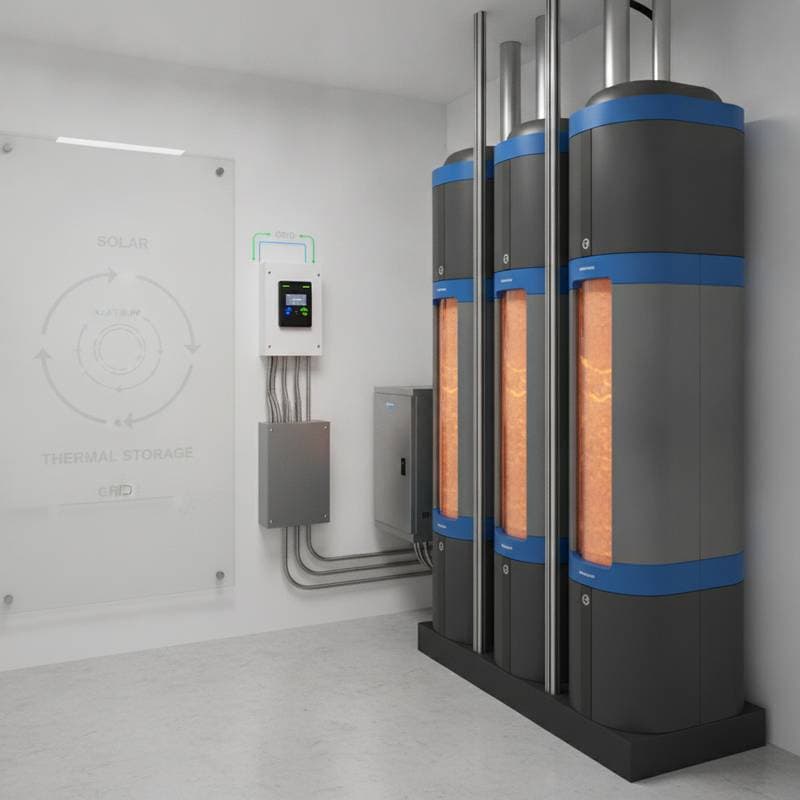
The systems move heat rather than generate it, which produces high efficiency ratios. Pairing geothermal equipment with on site solar generation can approach net zero energy use. Some units also supply domestic hot water, increasing annual savings.
Common Questions
Will most properties support a geothermal system?
Yes. Small lots can use vertical loops. A professional assessment identifies the suitable configuration.
Does the system provide both heating and cooling?
A single geothermal heat pump supplies both functions and maintains steady indoor temperatures throughout the year.
How much maintenance is required?
Annual filter changes and a brief inspection are normally sufficient. The buried piping remains sealed and requires no routine service.
Evaluating Geothermal Options for Your Home
Lower installation costs create a practical opportunity to reduce energy expenses and increase property value. Site evaluation, qualified contractors, and current incentives support a smooth transition to ground source heating and cooling.