Key Points
- Geothermal heat pumps draw on stable underground temperatures to provide efficient heating and cooling.
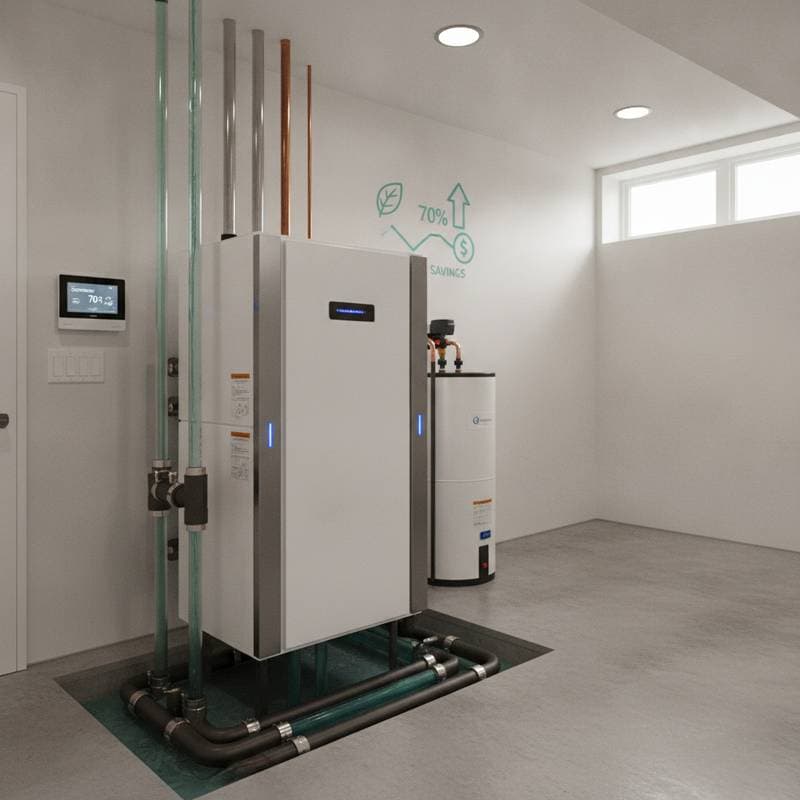
- These systems reduce utility bills by 40 to 70 percent relative to conventional HVAC equipment.
- Upfront installation costs range higher, yet annual returns often exceed 10 percent through sustained energy reductions.
- Site assessment, soil analysis, and accurate system sizing determine long term performance.
- Homeowners gain steady comfort, lower emissions, and protection from fluctuating energy prices.
When the Ground Supplies Reliable Comfort
Homeowners notice a steady warmth on cold mornings that arrives without furnace noise or dry air. Geothermal heat pumps create this experience by exchanging heat with the earth through buried loops. The ground maintains a consistent temperature just below the surface, which allows the system to operate efficiently in every season.
How These Systems Deliver Efficiency
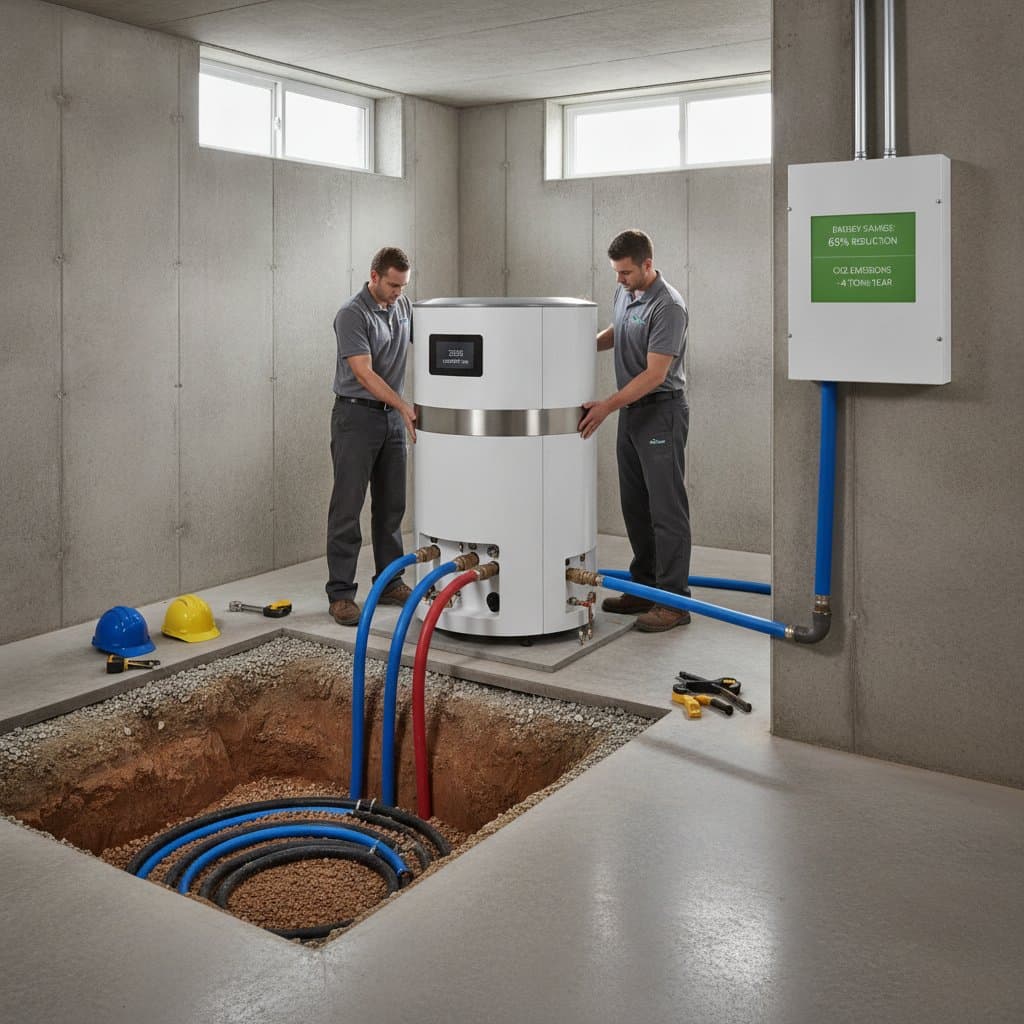
Unpredictable energy prices prompt many households to seek stable alternatives. A geothermal unit replaces both furnace and air conditioner by circulating fluid through underground pipes. This approach moves existing heat rather than generating it, which requires far less electricity than air source equipment.
Installation expenses typically fall between 15,000 and 40,000 dollars depending on home size and ground conditions. Energy savings usually recover that investment within eight to twelve years. After payback, owners benefit from decades of reduced operating costs and minimal upkeep. The same process cuts household carbon emissions by more than half compared with combustion based systems.
Planning Steps That Protect Performance
Several factors require attention before installation begins.
- Soil type, lot size, and groundwater presence guide the choice between horizontal and vertical loop layouts.
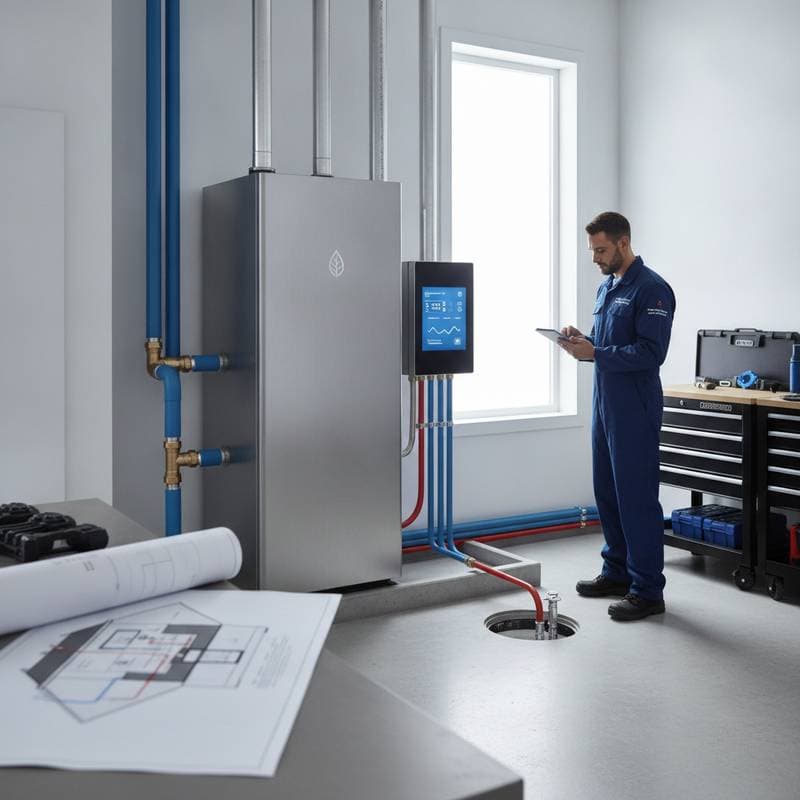
- A professional load calculation prevents oversizing or undersizing that would waste energy.
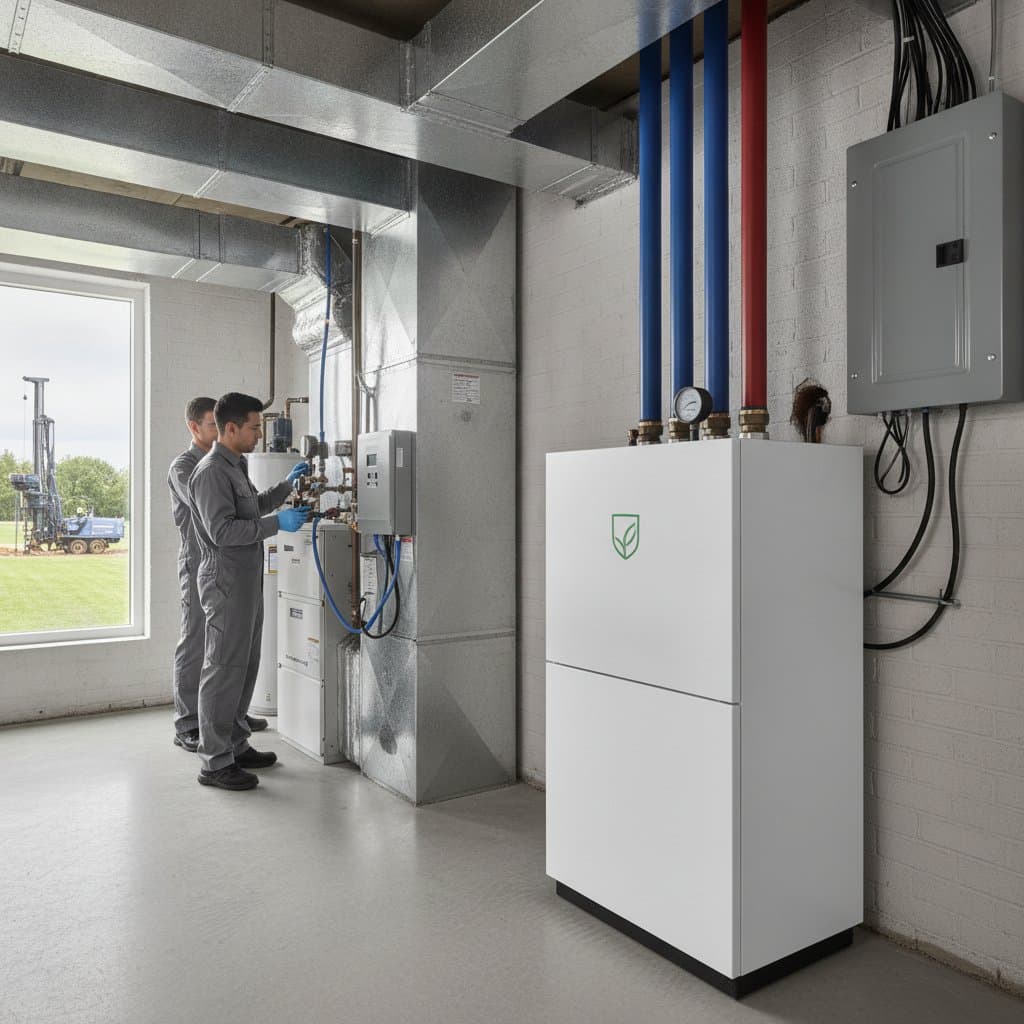
- Certified installers who follow IGSHPA standards handle design, drilling, and final testing.
- Existing ductwork or radiant piping often integrates directly, although older homes may need small adjustments.
Addressing these elements early prevents issues such as inadequate loop length or uneven airflow.
Cost Components and Long Term Returns
Project expenses divide into three primary categories. Ground loop installation accounts for 30 to 50 percent of the total. The heat pump unit represents 25 to 35 percent. Distribution piping, controls, and any duct modifications make up the remaining 20 to 30 percent.
Operating efficiency stands out as the main advantage. Each unit of electricity consumed yields three to five units of heating or cooling. Annual savings commonly reach 1,000 to 3,000 dollars versus propane or electric resistance systems. Over twenty years these reductions accumulate into substantial avoided costs while also raising resale value.
Pairing With Other Renewable Sources
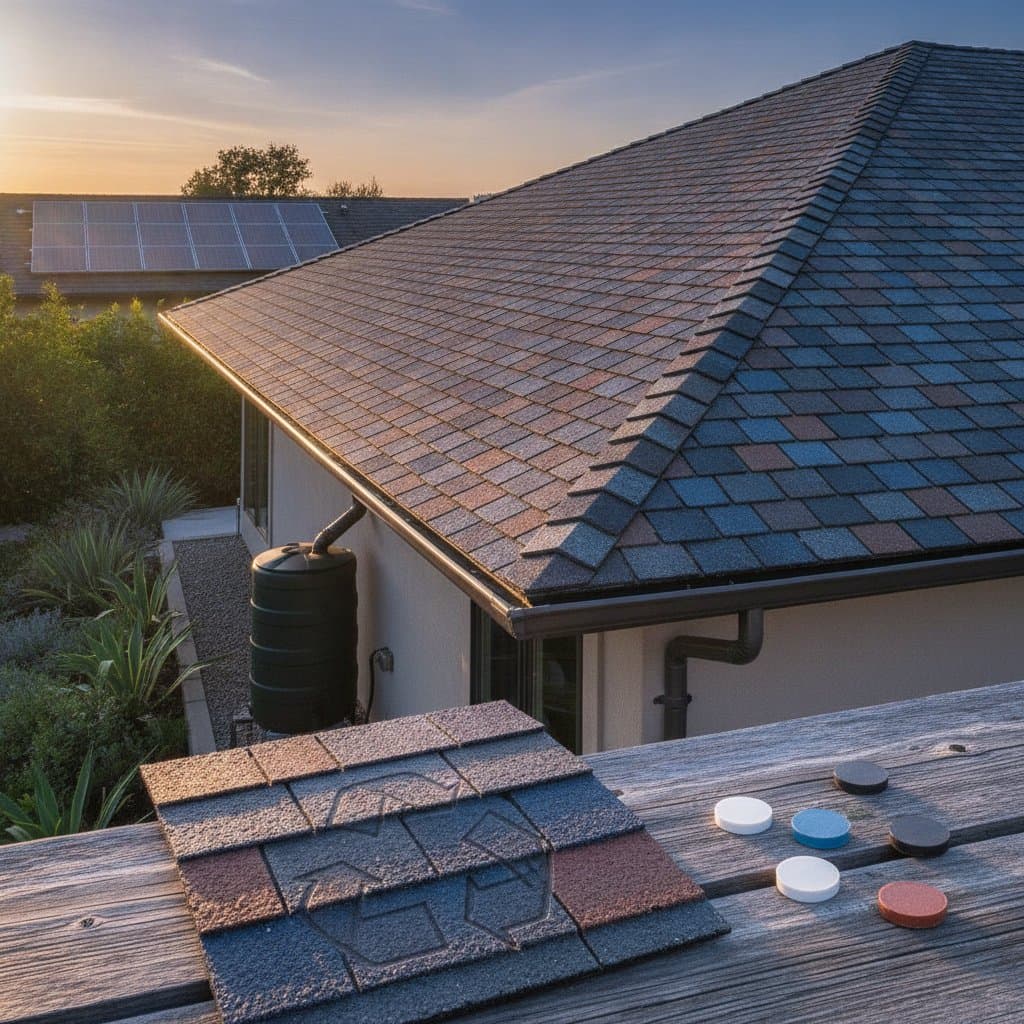
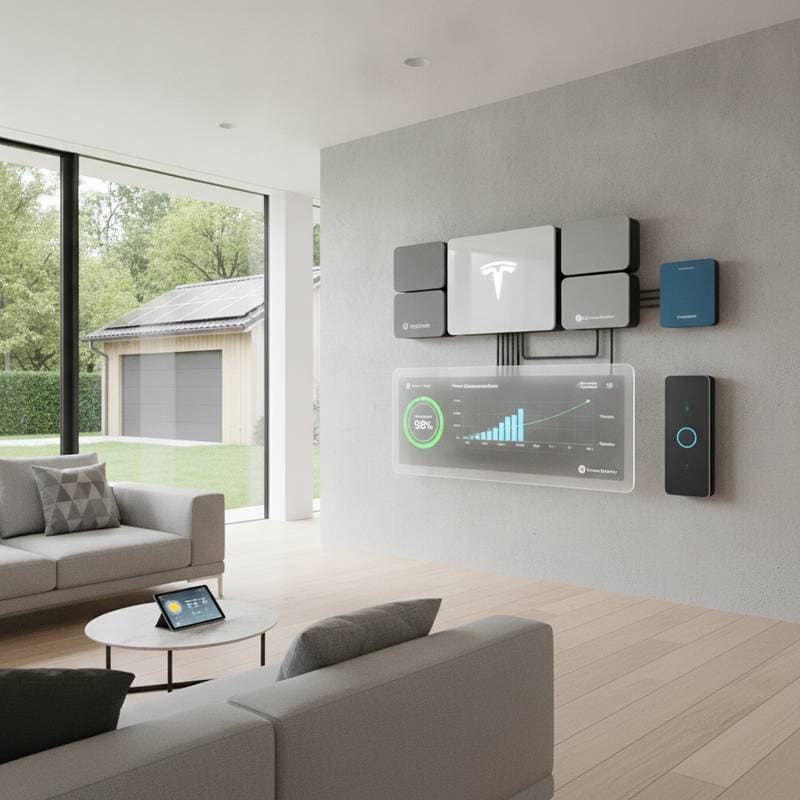
Geothermal equipment draws thermal energy stored in the ground, which remains stable regardless of outdoor extremes. Owners sometimes combine the system with rooftop solar panels to supply electricity for the circulation pumps. The pairing moves a home closer to net zero performance and further reduces both utility expenses and environmental impact.
Common Questions About Geothermal Systems
Do these systems operate in every climate?
Ground temperatures stay consistent below the frost line, so performance remains reliable in both hot and cold regions.
What maintenance do they require?
Annual professional inspections suffice. Buried loops last fifty years or longer, and indoor components often exceed twenty years of service.
Can older homes receive these systems?
Many existing properties accept geothermal equipment with modest duct or plumbing changes.
How much sound do they produce?
Indoor operation without an outdoor compressor makes these units among the quietest available.
Evaluating Site Conditions for Installation
A thorough property review identifies the best loop configuration and confirms that soil conductivity supports the required capacity. This step also reveals opportunities to integrate the new system with existing radiant floors or duct runs, which keeps the project timeline and budget predictable.