Why Geothermal Systems Matter Now
Traditional heating and cooling equipment generates temperature changes through combustion or electric resistance. Geothermal systems instead transfer heat by circulating fluid through pipes buried in the ground. Several feet below the surface the earth maintains a nearly constant temperature year round. This stable source allows the heat pump to move energy with far less electricity than conventional units require.
Homeowners gain protection from fuel price swings and enjoy steadier indoor temperatures. The same efficiency also lowers household emissions because less electricity is needed to maintain comfort.
Upfront Costs and Available Incentives
A complete residential geothermal installation usually falls between 20000 dollars and 40000 dollars. The amount depends on home size, loop configuration, and local labor rates. Federal tax credits now cover 30 percent of qualified expenses, which reduces the net investment for most projects.
How Project Dollars Are Typically Allocated
- Ground loop installation accounts for 35 to 50 percent of the total.
- Heat pump equipment represents 25 to 35 percent.
- Ductwork changes and controls add 10 to 20 percent.
- Permits, design work, and testing make up the remaining 5 to 10 percent.
Ground loops last 50 years or longer while the indoor heat pump commonly operates for at least 25 years. These service lives exceed those of most air source systems, which often require replacement after 15 to 20 years.
Energy Savings and Payback Timeline
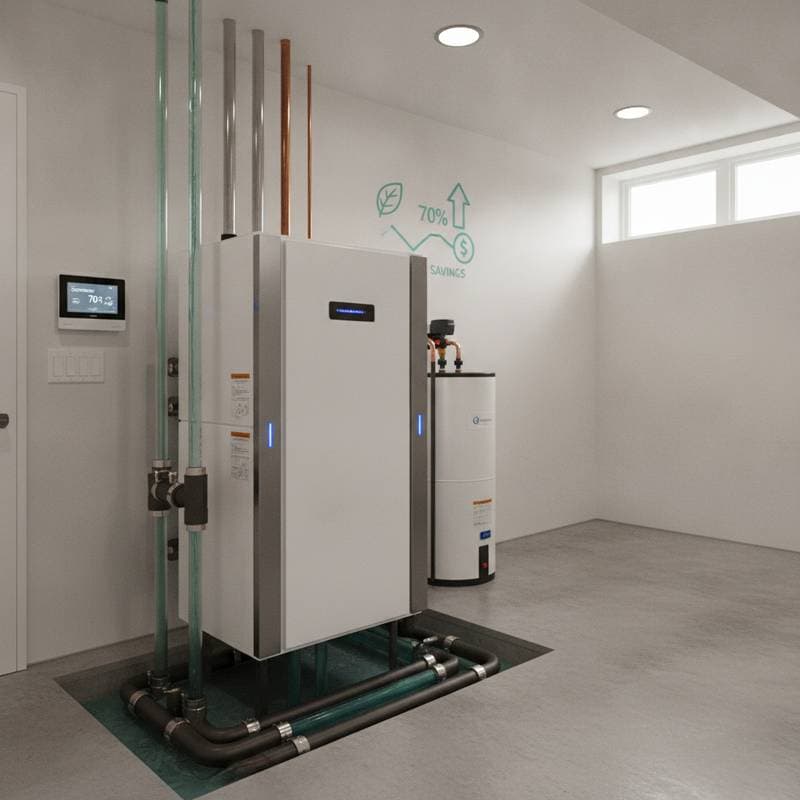
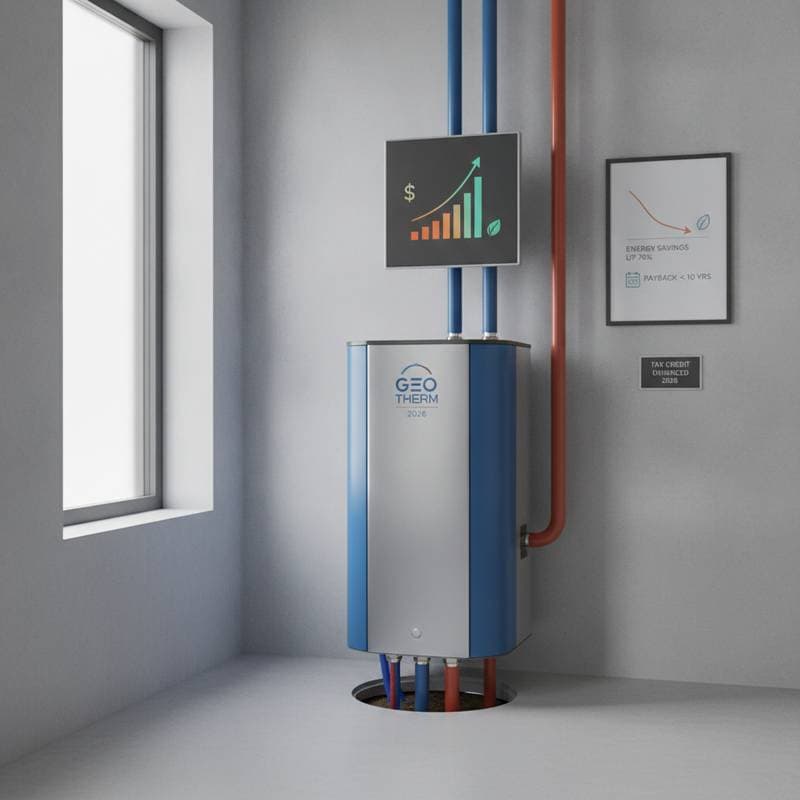
Most homeowners see annual utility reductions between several hundred and several thousand dollars. Payback usually occurs within 6 to 10 years when tax credits and energy savings are combined. After that point the system continues to deliver lower operating costs for decades.
Properties equipped with geothermal systems also tend to appraise higher because buyers value predictable energy expenses and modern mechanical equipment.
Performance Ratings and Environmental Impact
Geothermal units routinely achieve coefficient of performance values between 3.5 and 5.0. That rating means the system delivers three to five units of heat for every unit of electricity consumed. Conventional electric resistance heat produces only one unit of heat per unit of electricity.
Because the equipment moves heat rather than creates it, household carbon output drops by thousands of pounds each year. When the home uses renewable electricity the operational footprint approaches zero.
The buried loop contains no moving parts exposed to weather, so routine service is limited to filter changes, coil cleaning, and an annual performance inspection.
Common Questions About Geothermal HVAC
How do geothermal units differ from air source models?
Air source equipment exchanges heat with outdoor air that changes temperature throughout the year. Geothermal equipment exchanges heat with the ground, which keeps efficiency stable regardless of outdoor conditions.
Can an existing home be converted to geothermal?
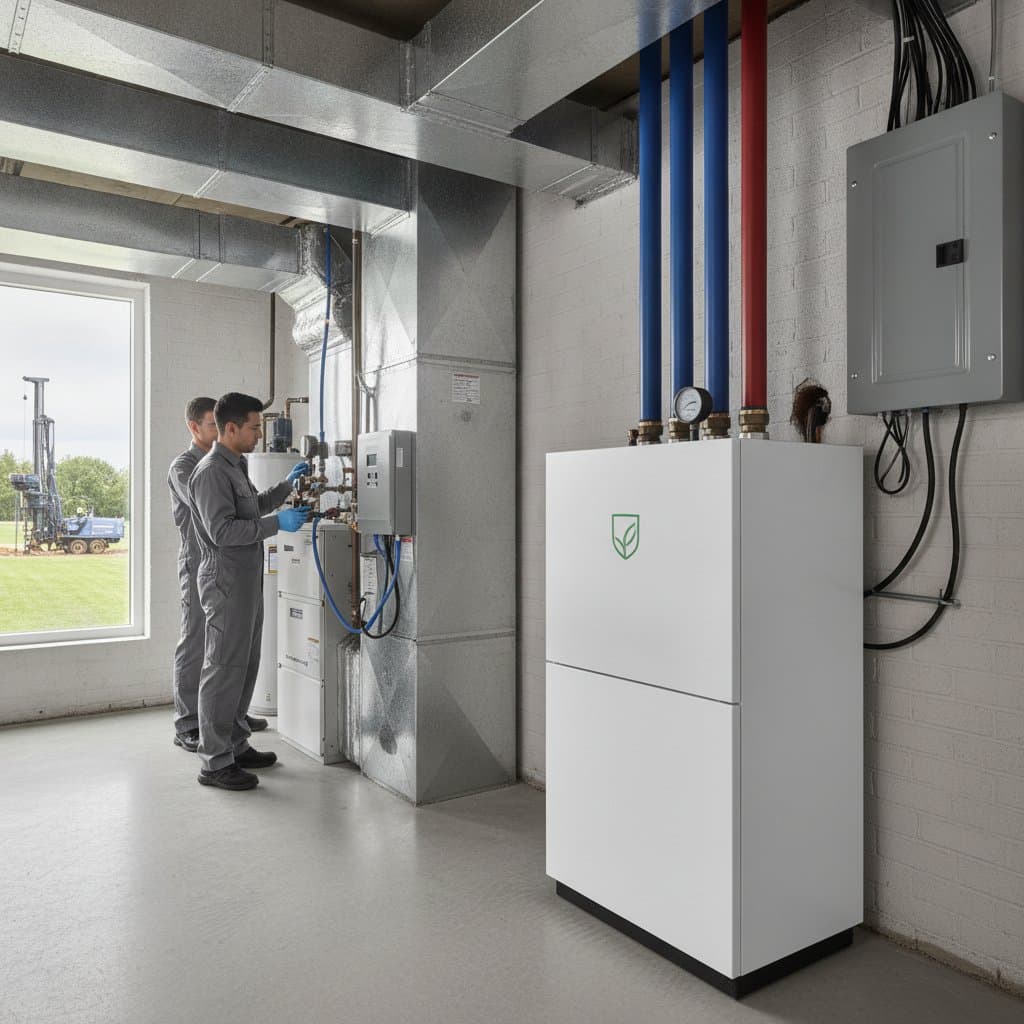
Yes. Many retrofits reuse existing ductwork. A qualified installer evaluates soil conditions, available space, and duct layout to determine the best loop design.
What maintenance is required?
Filter replacement, vent cleaning, and yearly professional checks are the main tasks. The underground loop needs no regular attention once it is installed correctly.
Does geothermal increase resale value?
Real estate agents report stronger buyer interest in homes that already have geothermal systems because of lower energy costs and longer equipment life.
Are financing programs available?
Green energy loans and energy efficient mortgages allow borrowers to include projected savings in qualification calculations. Some utilities also offer on bill financing that pairs with federal credits.
Is backup heat necessary?
In extreme cold a small supplemental heater may engage for short periods. Most systems meet the full heating load through geothermal operation for the majority of the season.
Planning Your Installation
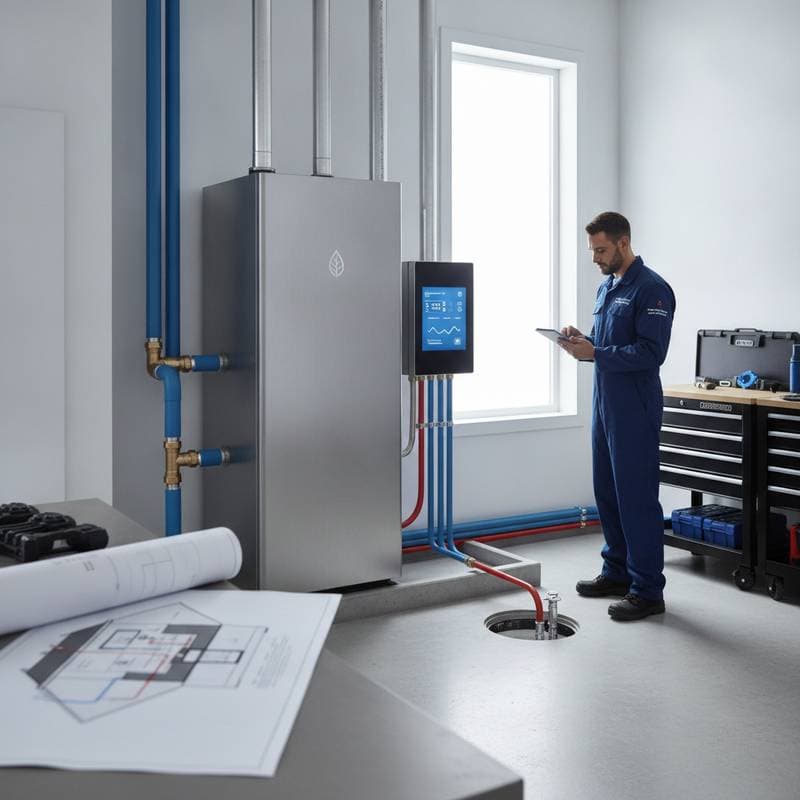
Begin with a site assessment from a certified installer who can model expected performance for your climate and soil type. Review incentive paperwork early so the tax credit can be applied at the time of purchase. After the system is running, monitor the first year of utility data to confirm the projected savings materialize.