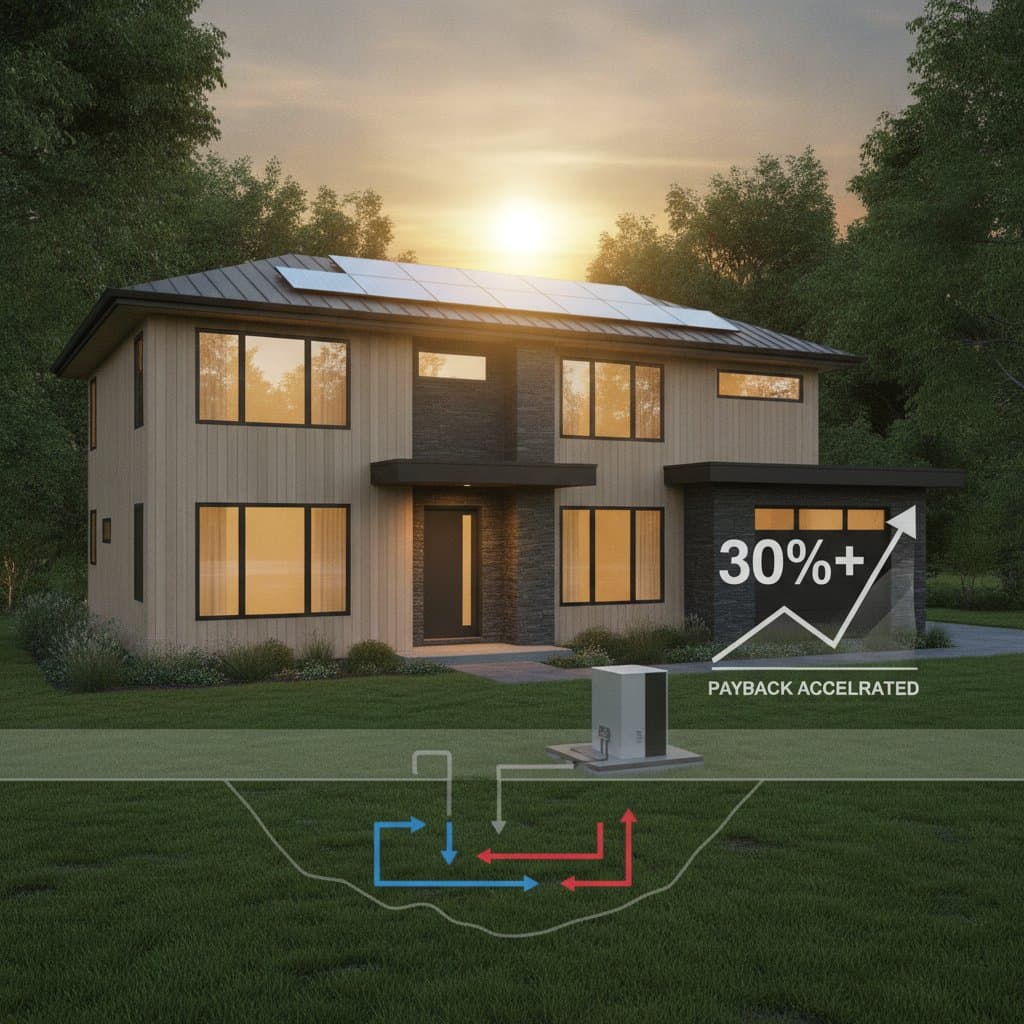
Why Geothermal Tax Credits Have Reached Record Levels
Governments have increased support for geothermal systems due to urgent environmental needs, proven technology, and clear economic benefits. These factors position geothermal heating and cooling as a strong choice for long term energy planning.
Main Advantages
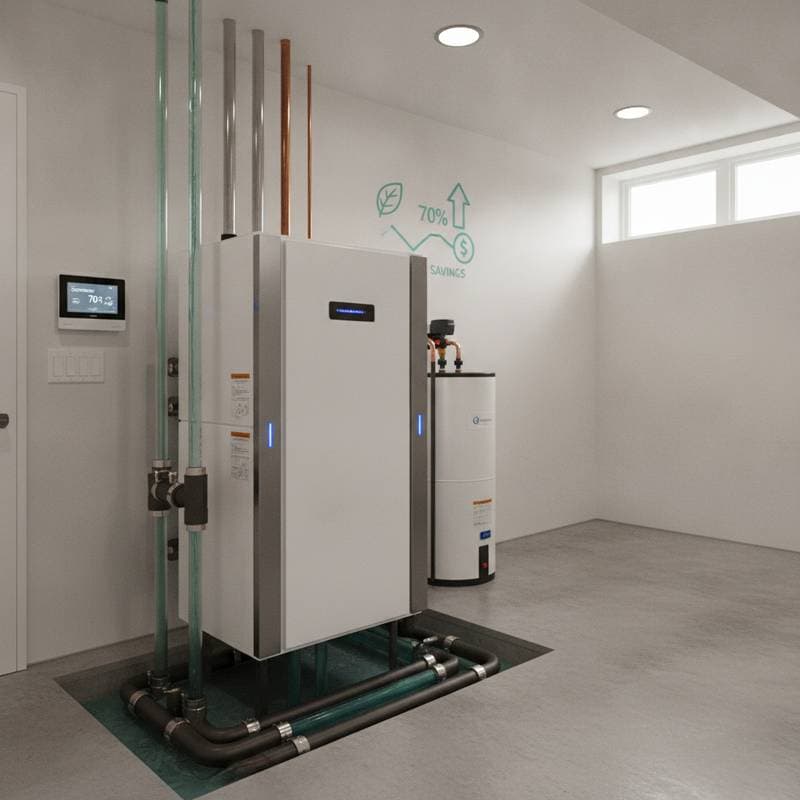
- Geothermal heat pumps reduce heating and cooling expenses by 40 to 70 percent compared with conventional equipment.
- Current tax credits cover up to 30 percent of qualifying installation costs for homes and businesses.
- Many property owners recover their investment within five to eight years based on local utility rates.
- Incentives apply to new construction as well as retrofits of existing structures.
- The policy shift supports steady renewable sources that ease pressure on the electric grid.
Drivers Behind the Increase in Credits
Earlier policies emphasized solar and wind while geothermal received less attention because of higher initial expenses and more involved installation. Recent performance data highlighted its advantages in reliability and resilience.
Four main factors explain the larger credits now offered.
- Energy security priorities encourage technologies that cut reliance on imported fuels and operate regardless of weather.
- Heating and cooling represent nearly half of household energy use, so incentives help meet emission reduction targets.
- Improvements in drilling methods, loop materials, and compressor technology have lowered costs by about 25 percent over past decades.
- The sector generates skilled jobs in design, installation, and service that strengthen regional economies.
Each completed residential installation avoids roughly nine metric tons of carbon dioxide per year.
Financial Returns After Incentives
A typical home system costs between 25,000 and 45,000 dollars before credits. After the 30 percent federal incentive and annual energy savings of 1,500 to 2,500 dollars, most owners see payback in under ten years.
Commercial projects often achieve even faster returns because of larger scale and access to combined federal and local programs.
Sample Returns by Project Size
| System Type | Cost After Credits | Yearly Savings | Payback Period |
|---|---|---|---|
| Residential 3 ton | 21,000 | 1,800 | 7 years |
| Mid size commercial | 85,000 | 12,000 | 7 years |
| Large institutional | 250,000 | 40,000 | 6 years |
Additional State and Utility Programs
Many areas layer extra rebates or low interest financing on top of federal credits. Utility rebates can range from several hundred to several thousand dollars. Property assessed clean energy loans allow repayment over twenty years or longer.
A homeowner facing a 35,000 dollar project might combine the federal credit with a 2,000 dollar utility rebate and a 1,500 dollar state incentive. The net outlay then falls near 21,000 dollars while savings begin at once.
Consult a certified installer early to identify every available program and complete required paperwork.
Site and Technical Factors
Geothermal systems suit most properties yet require evaluation of soil type, lot size, and groundwater conditions. Urban sites with tight access or rocky ground may need vertical loops and higher budgets.
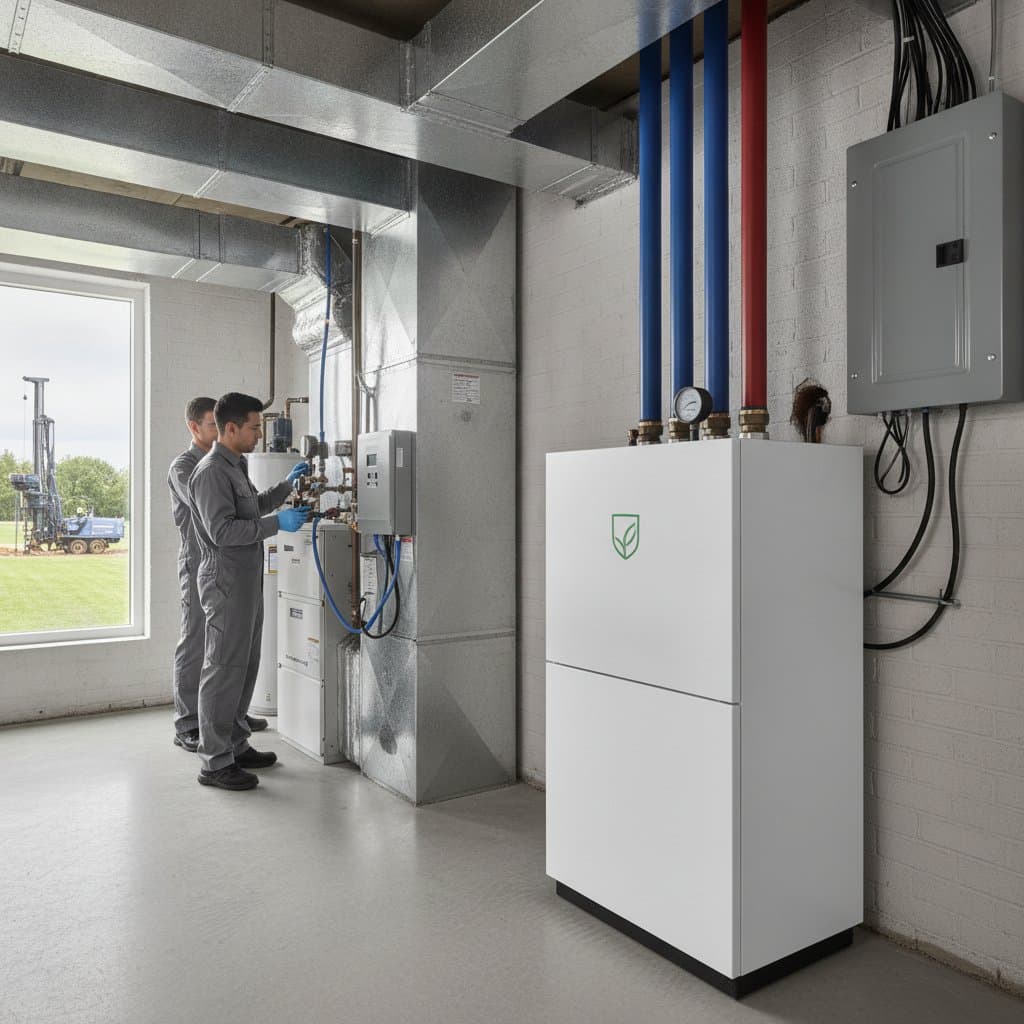
Certified contractors perform thermal conductivity tests to select the best loop layout. Horizontal loops work well on larger lots while vertical boreholes fit constrained spaces. Electrical panel capacity should also be checked before work begins.
Views from Energy Specialists
Analysts describe the current incentives as steady support that follows earlier success with solar. Consistent thermal output without seasonal swings makes geothermal a practical option for full building electrification.
Growing demand has prompted expanded training programs for installers, which helps control labor costs and keeps projects on schedule.
Planning Your Installation
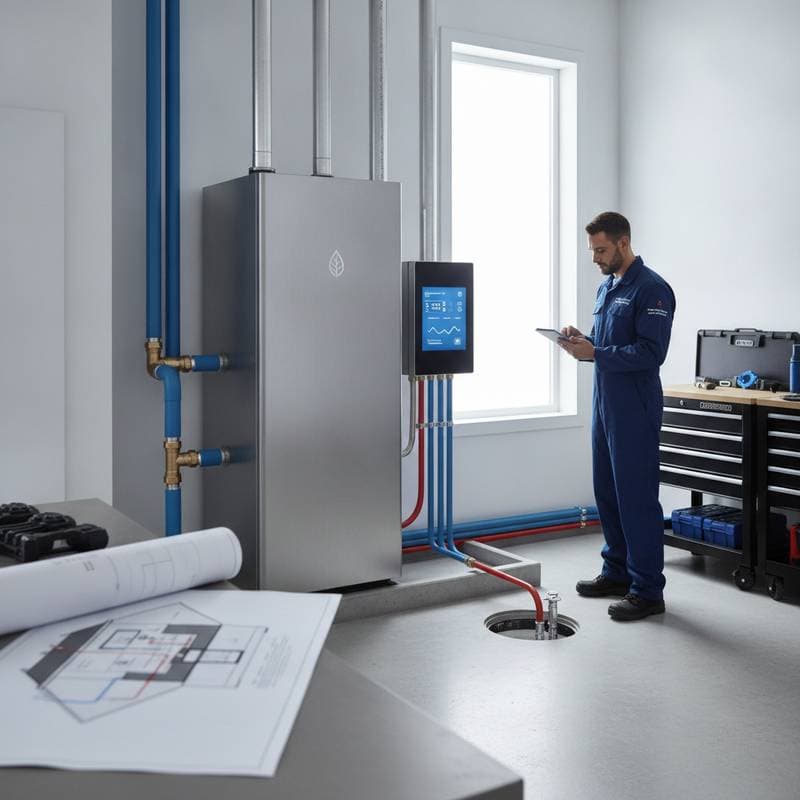
Begin with a site assessment from a qualified contractor who can model expected performance and outline total incentives. Confirm all permits and utility requirements in advance so the project proceeds without delay. Property owners who complete these steps gain reliable comfort and measurable reductions in operating costs.