Geothermal Systems Cut Home Energy Bills by 75%
Key Points
- Geothermal home heating and cooling systems rank among the most reliable sustainable options for homeowners.
- Advances in technology, financing, and policy support position geothermal as the next step in residential efficiency.
- Early adopters gain reduced energy costs, better indoor air quality, and durable performance that exceeds traditional HVAC systems.
- Local climate, soil type, and lot size determine installation approach and savings potential.
A Turning Point in Home Energy Efficiency
Homeowners often face rising energy bills and uneven indoor temperatures from aging equipment. Geothermal systems address these issues by drawing stable thermal energy from the ground. This approach delivers consistent warmth in winter and cooling in summer while using far less electricity than conventional units.
Industry experts identify ground source heat pumps as the upcoming standard for sustainable homes. Recent improvements in loop design, drilling methods, and smart controls now make these systems practical for suburban lots and smaller urban sites.
The Challenge of Outdated HVAC Equipment
Many homes still depend on fossil fuel furnaces or standard air conditioners that waste energy. These units struggle during temperature extremes and require frequent repairs. Air source heat pumps also lose capacity in severe cold or heat, which increases operating costs.
Heating and cooling typically represent nearly half of household energy use. A properly sized geothermal retrofit commonly lowers annual utility expenses by 40 to 60 percent after calibration to site conditions.
How Ground Source Systems Operate
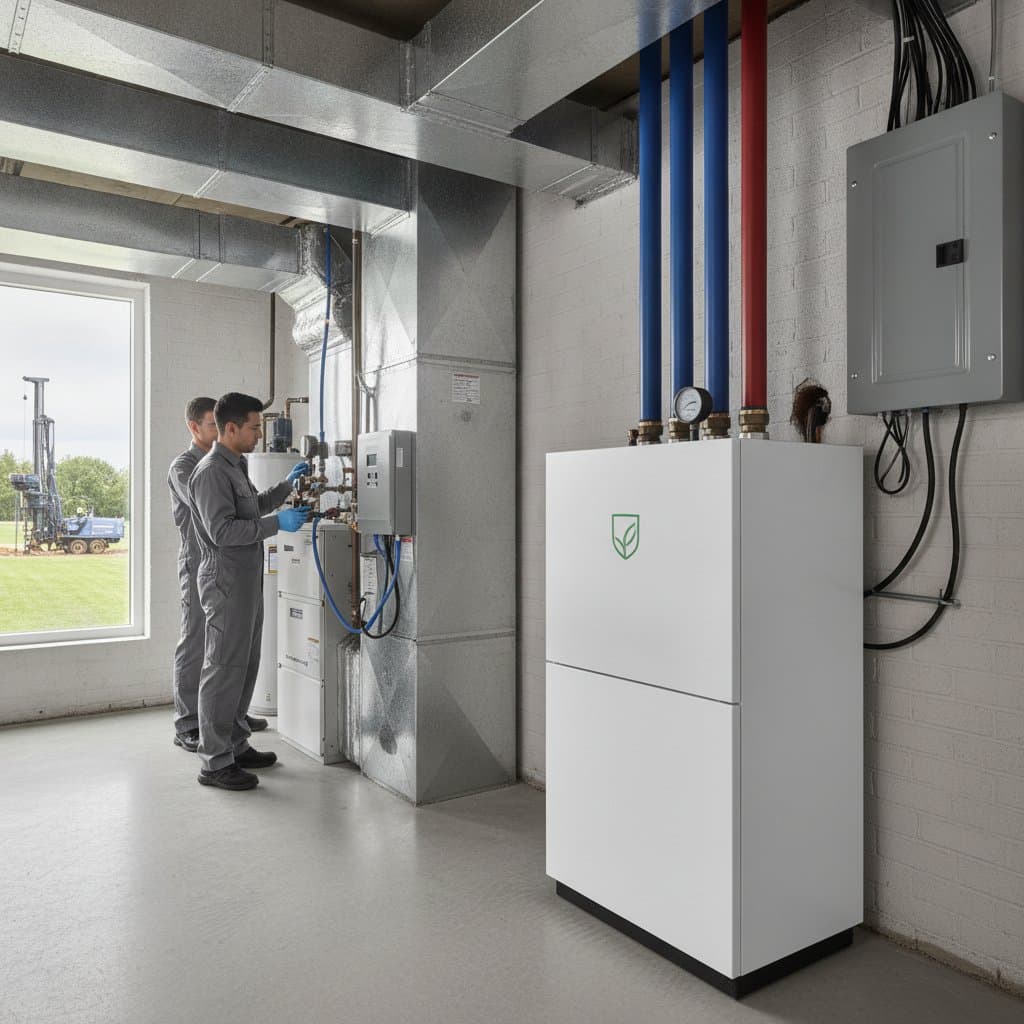
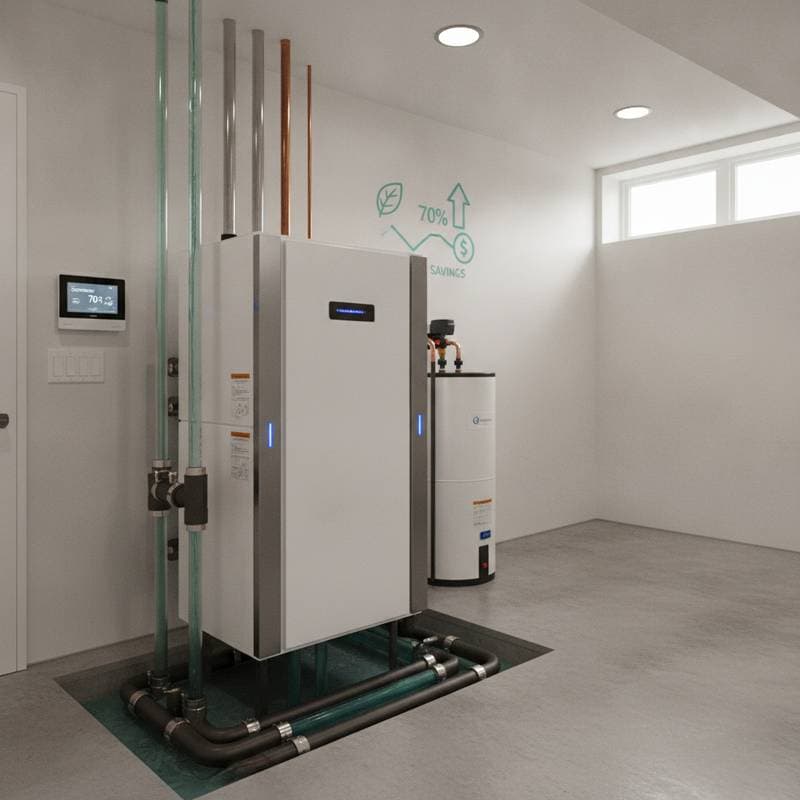
Geothermal units exchange heat with the earth through buried pipe loops. A water based fluid circulates to absorb or release thermal energy according to the season. The heat pump then moves that energy to ductwork or radiant floors.
The process follows four steps:
- Loop installation places pipes in the ground.
- Heat exchange occurs as fluid travels through stable soil temperatures.
- Distribution delivers conditioned air or water throughout the house.
- Controls adjust output with variable speed compressors and smart thermostats.
Vertical loops suit small lots. Horizontal loops work well on larger properties. Pond loops become an option near suitable water bodies.
Steps Before Installation
A professional energy audit identifies insulation gaps and air leaks first. Geothermal performance improves when the building envelope is tight.
Complete these tasks next:
- Test soil thermal conductivity to select loop depth and spacing.
- Review local rebates that may cover up to 30 percent of project costs.
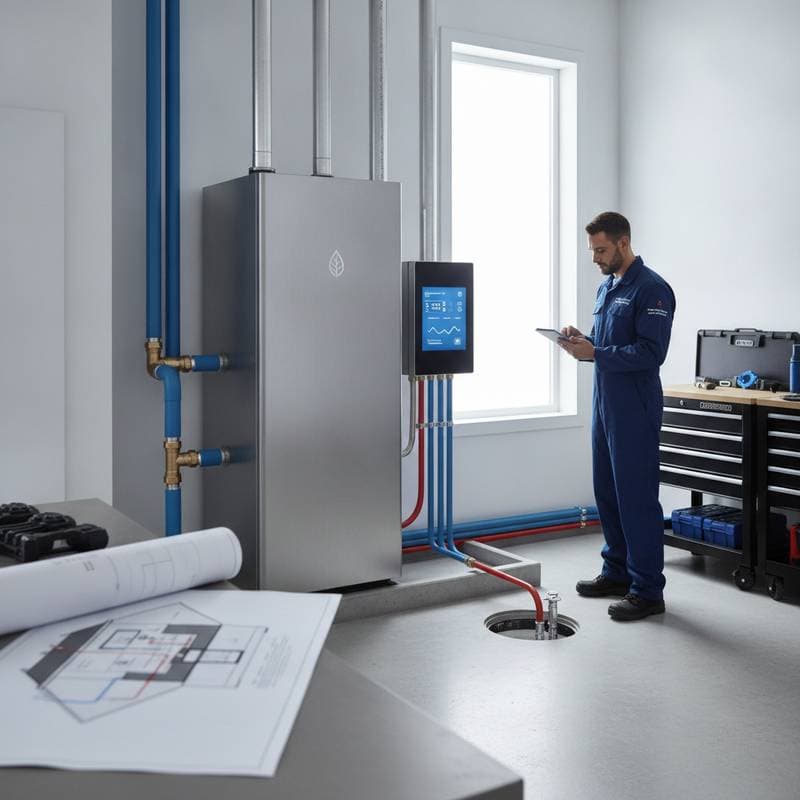
- Hire an installer certified by the International Ground Source Heat Pump Association.
- Add programmable thermostats and zone controls for precise operation.
Addressing Common Concerns
Retrofits succeed on existing homes because compact rigs fit tight spaces. Upfront costs range from 18,000 to 35,000 dollars, yet annual savings of 1,500 to 3,000 dollars plus incentives produce payback in five to ten years.
Buried loops last more than 50 years. Indoor units operate 20 to 25 years with basic service. The absence of outdoor equipment reduces noise and weather damage.
Environmental and Practical Benefits
These systems lower household emissions by 25 to 70 percent. They also reduce peak electricity demand during extreme weather. Sealed loops eliminate combustion gases and improve indoor air quality.
Installation usually requires one to two weeks. Existing ductwork often connects to the new unit. Energy efficient homes sell faster and at higher prices.
Matching Systems to Regional Conditions
Cold climates benefit from deep vertical loops below the frost line. Warm regions use shallower horizontal loops. Coastal sites can employ submerged pond loops for superior heat transfer.
Local installers understand soil profiles and permit rules that affect results. Their guidance ensures the design matches site conditions for long term efficiency.
Combining Geothermal With Other Upgrades
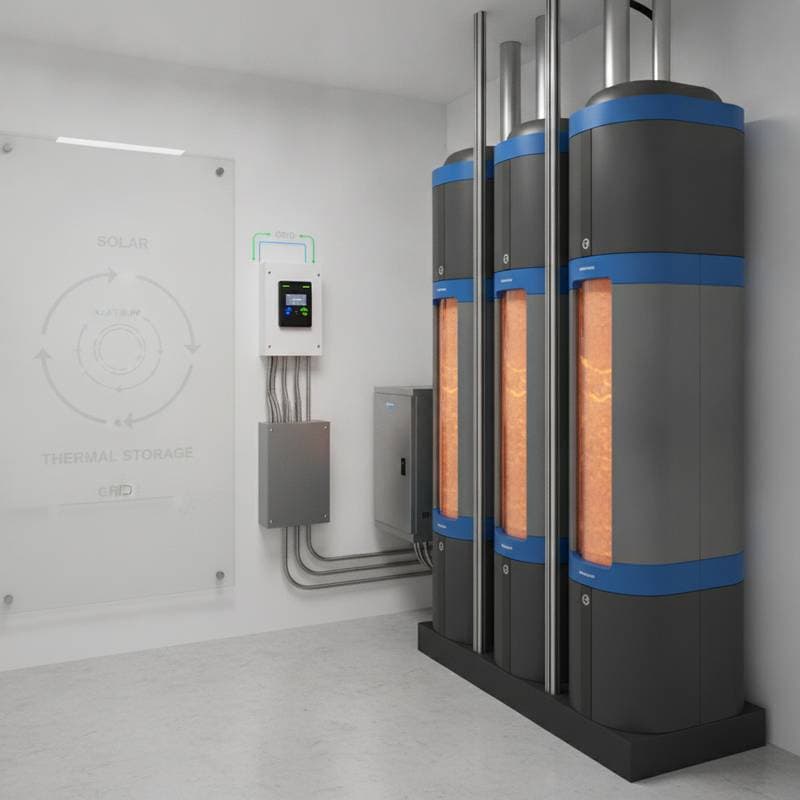
Solar panels can supply electricity to the heat pump and cut grid use. Rainwater collection protects loop fields. High performance windows and smart home controls further stabilize indoor temperatures.
Next Actions for Homeowners
Request proposals from experienced local contractors that compare loop types and payback estimates. Explore green energy loans that align payments with utility savings. Schedule inspections every two to three years to maintain peak performance.
Daily Comfort With Geothermal
Residents notice even floor warmth on cold mornings and steady cooling without outdoor noise in summer. Utility costs stay predictable. The system operates quietly and draws renewable energy from the ground year after year.