Key Points
- Next generation geothermal HVAC systems will reduce heating and cooling costs by up to 60 percent beginning in 2026.
- These units incorporate advanced heat pumps, optimized ground loops, and direct connections to renewable power sources.
- Early planning allows homeowners and builders to secure lower installation expenses along with greater comfort and reduced emissions.
- Site specific soil analysis and certified installation remain essential to realize full performance gains.
A Home That Draws Comfort from the Ground
Homeowners often face steep utility bills when conventional systems fight extreme outdoor temperatures. Geothermal technology offers a steadier approach by tapping the stable thermal mass beneath the surface. The latest designs add variable speed components and intelligent controls that lower both upfront costs and ongoing energy use.
This combination delivers measurable savings while maintaining even indoor temperatures year round.
Limits of Conventional Air Source Systems
Standard heating and cooling equipment must ramp up output whenever outdoor conditions swing far from indoor set points. Such extra effort accounts for nearly half of household energy consumption in many climates. Older geothermal options faced similar barriers in areas with dense clay soils or limited lot space, keeping adoption low until recent engineering changes.
Core Upgrades in the 2026 Systems
Several targeted advances address past constraints.
- Variable speed loop pumps now match flow rates to real time demand instead of running continuously at full capacity.
- Hybrid loop layouts combine horizontal and vertical piping in one installation, allowing adaptation to different soil types and property sizes.
- Integrated controls monitor weather forecasts, occupancy patterns, and utility rates to adjust output automatically.
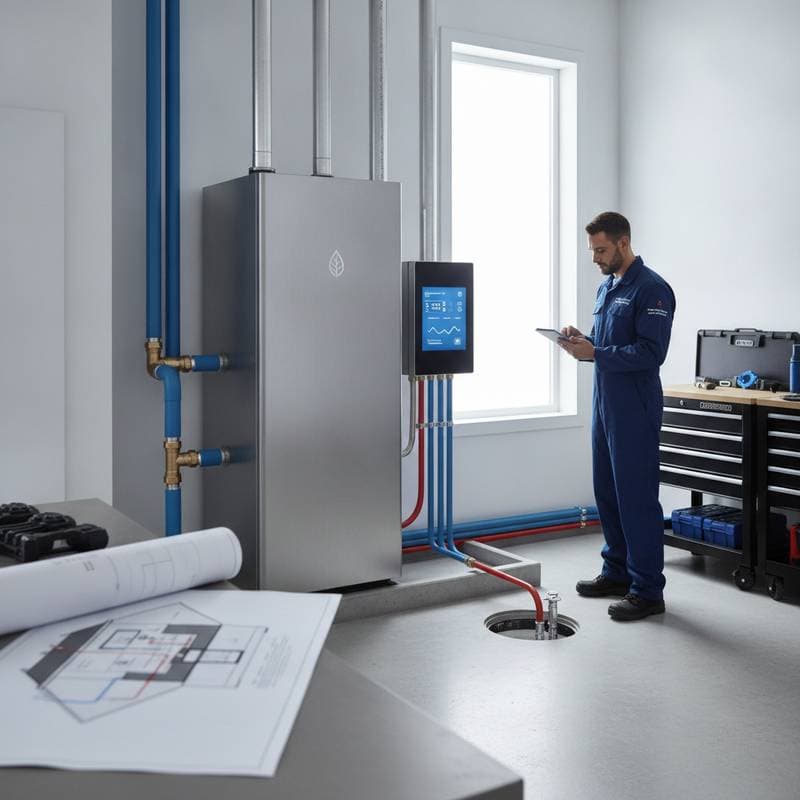
- Factory built modules shorten on site labor and simplify retrofits in existing homes.
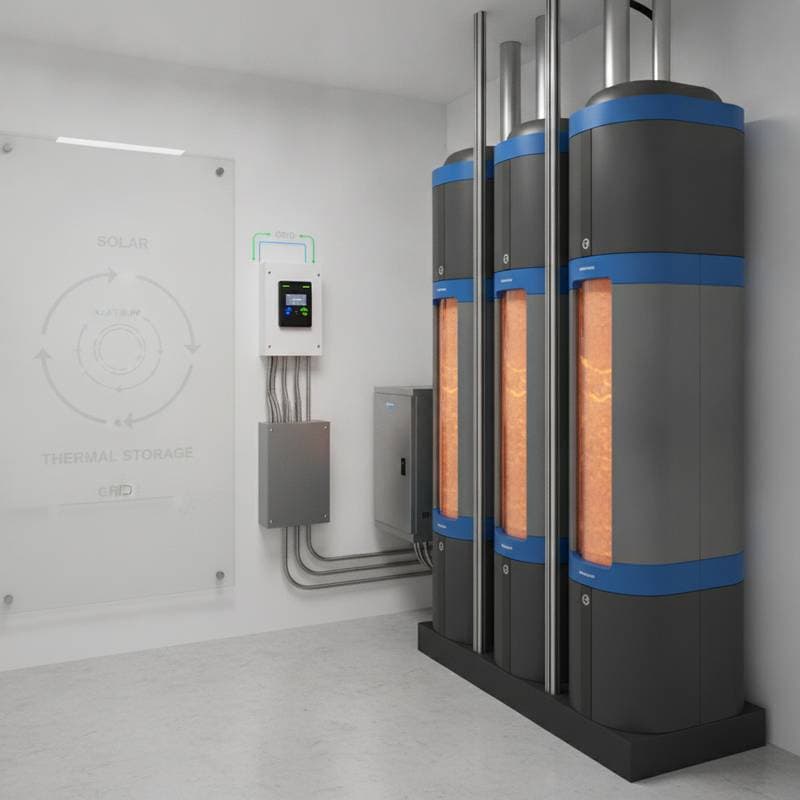
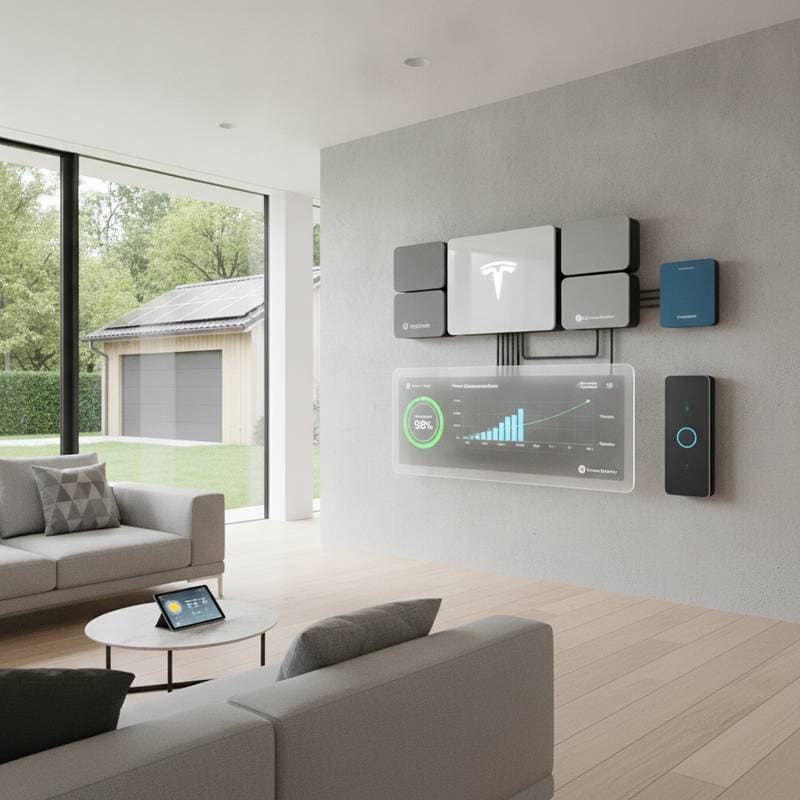
- Direct ports accept solar arrays or battery banks, creating a self contained renewable circuit.
Site Preparation Steps
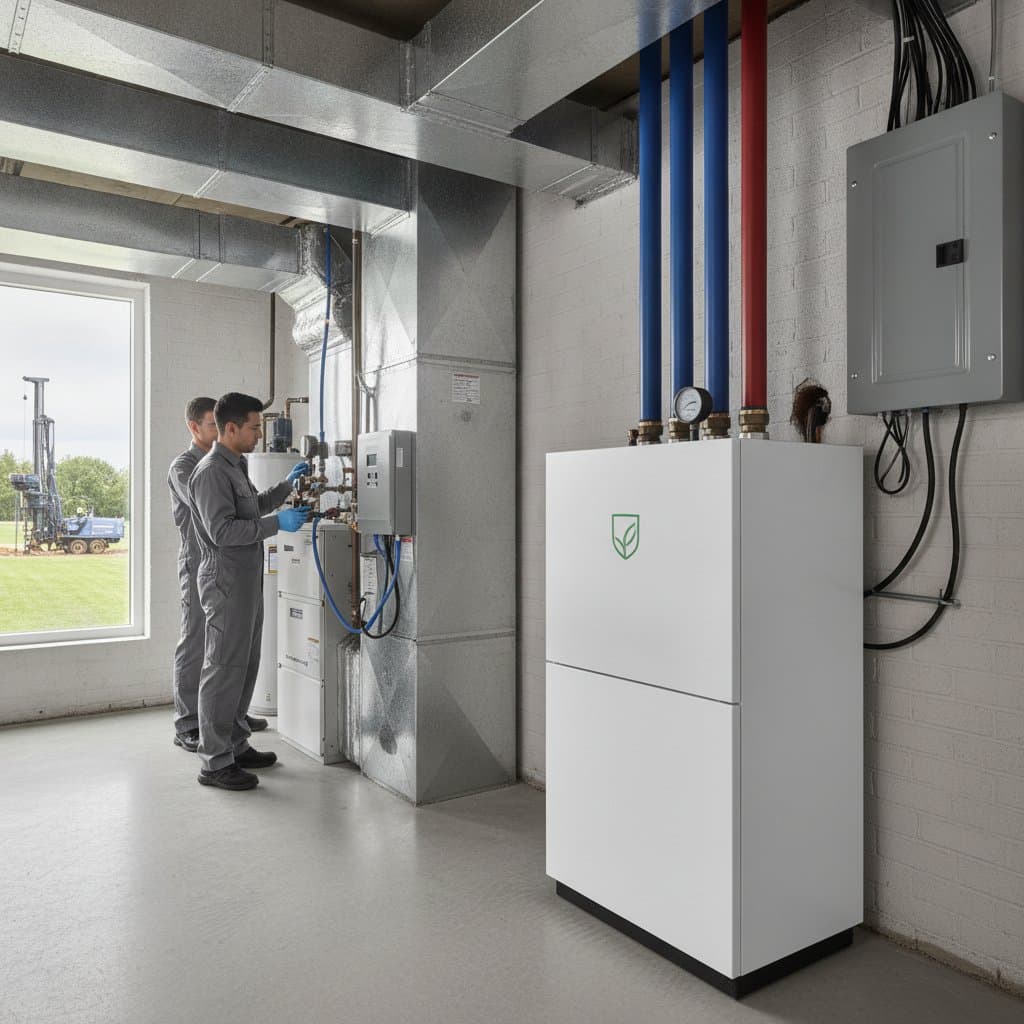
An energy audit identifies insulation gaps or duct leaks that would otherwise reduce system efficiency. Soil testing then determines whether horizontal trenches or vertical boreholes suit the property best. Certified installers size the loop field accurately and select the proper antifreeze mixture for long term reliability. Pairing the system with on site solar or storage protects against grid interruptions. Available rebates can cover 20 to 40 percent of initial expenses in many regions.
Investment Outlook and Upkeep
Residential installations currently range from 18,000 to 28,000 dollars. Modular components are projected to trim that figure by as much as 25 percent. Average energy reductions of 60 percent produce payback within five to seven years for most households. Filter changes and an annual loop check constitute routine maintenance. Piping lasts beyond 50 years while the indoor unit typically exceeds 20 years of service.
Broader Community Advantages
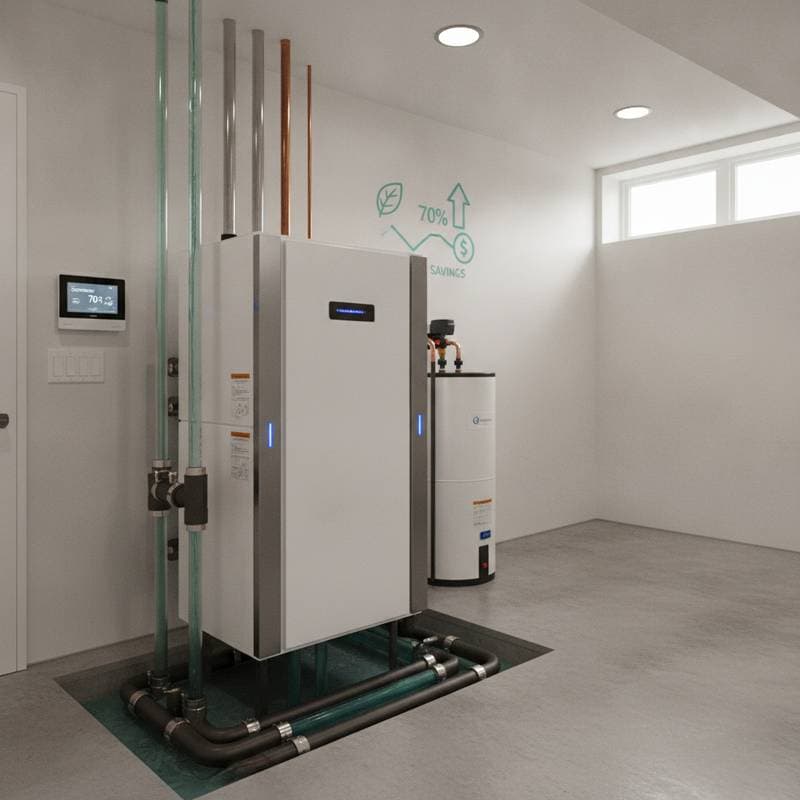
Widespread use lowers regional emissions by up to 70 percent compared with fossil fuel equipment. Shared loop fields serving multiple homes further decrease per residence costs and improve grid stability during peak periods.
Planning Your Installation
Schedule a site evaluation with a qualified geothermal contractor to review soil conditions, loop placement, and financing options before 2026. Early coordination positions properties to adopt the technology at peak cost advantage.