Key Points
- Geothermal HVAC systems leverage stable underground temperatures to provide heating and cooling with up to 60 percent greater efficiency than conventional air-source alternatives.
- Initial installation expenses range from 30 to 50 percent higher than traditional systems, yet most owners recoup costs within five to ten years via substantial energy bill reductions.
- Federal tax credits, state rebates, and green certification initiatives accelerate adoption in both residential and commercial sectors.
- Advances in drilling techniques and compact loop configurations enable feasible installations on urban lots with constrained space.
- Users consistently note enhanced indoor comfort, near-silent performance, and reduced upkeep requirements relative to standard HVAC setups.
The Underground Shift in Climate Control
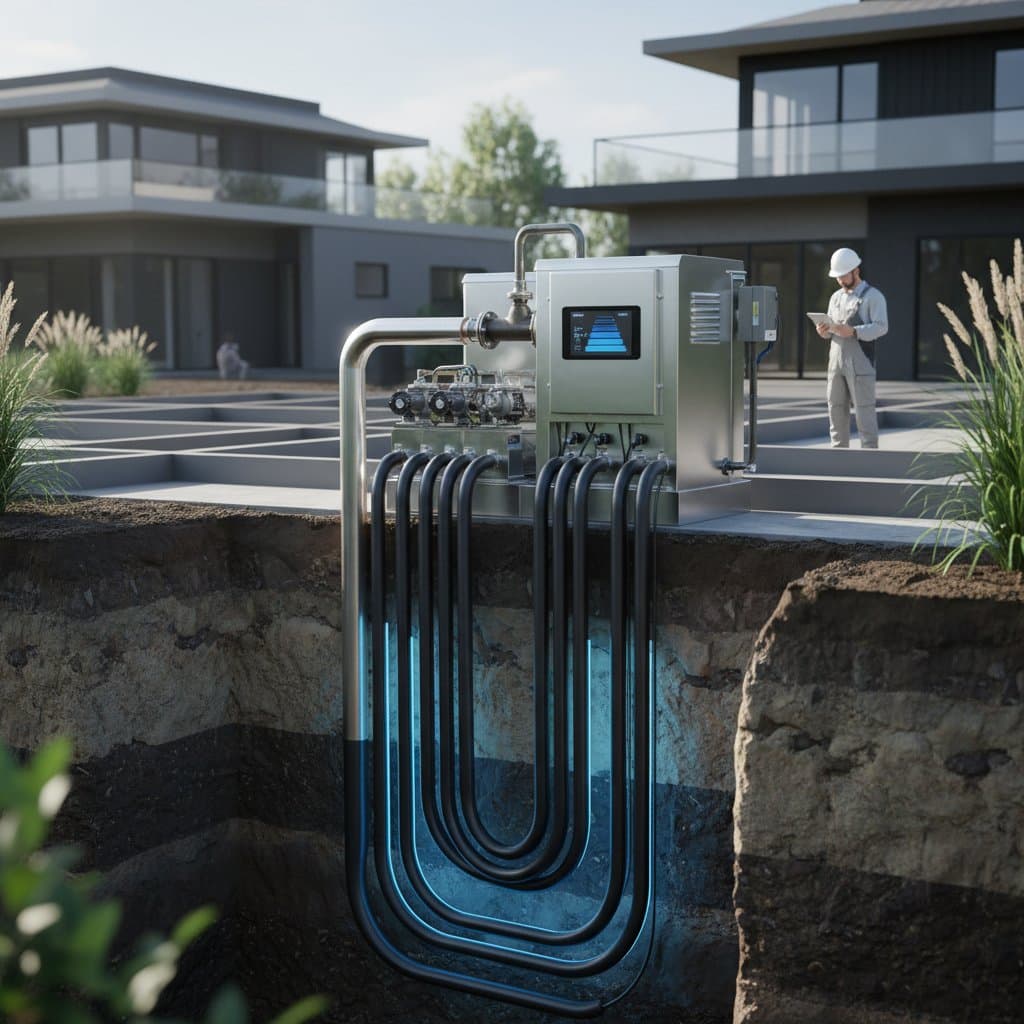
Picture entering a residence that maintains ideal coolness throughout the summer, free from the noise of compressors or surges in utility expenses. Under the surface of the yard or parking area lies a concealed array of pipes that facilitate heat transfer between the structure and the earth's consistent thermal profile. This setup forms the core of geothermal HVAC technology, which emerges as a leading option for eco-friendly temperature management.
Escalating energy prices and heightened focus on sustainability prompt property owners, builders, and corporate decision-makers to explore subsurface solutions. As demands for effective, renewable climate regulation increase, geothermal installations transition from specialized applications to widespread implementations in modern construction.
Principles of Geothermal Operation
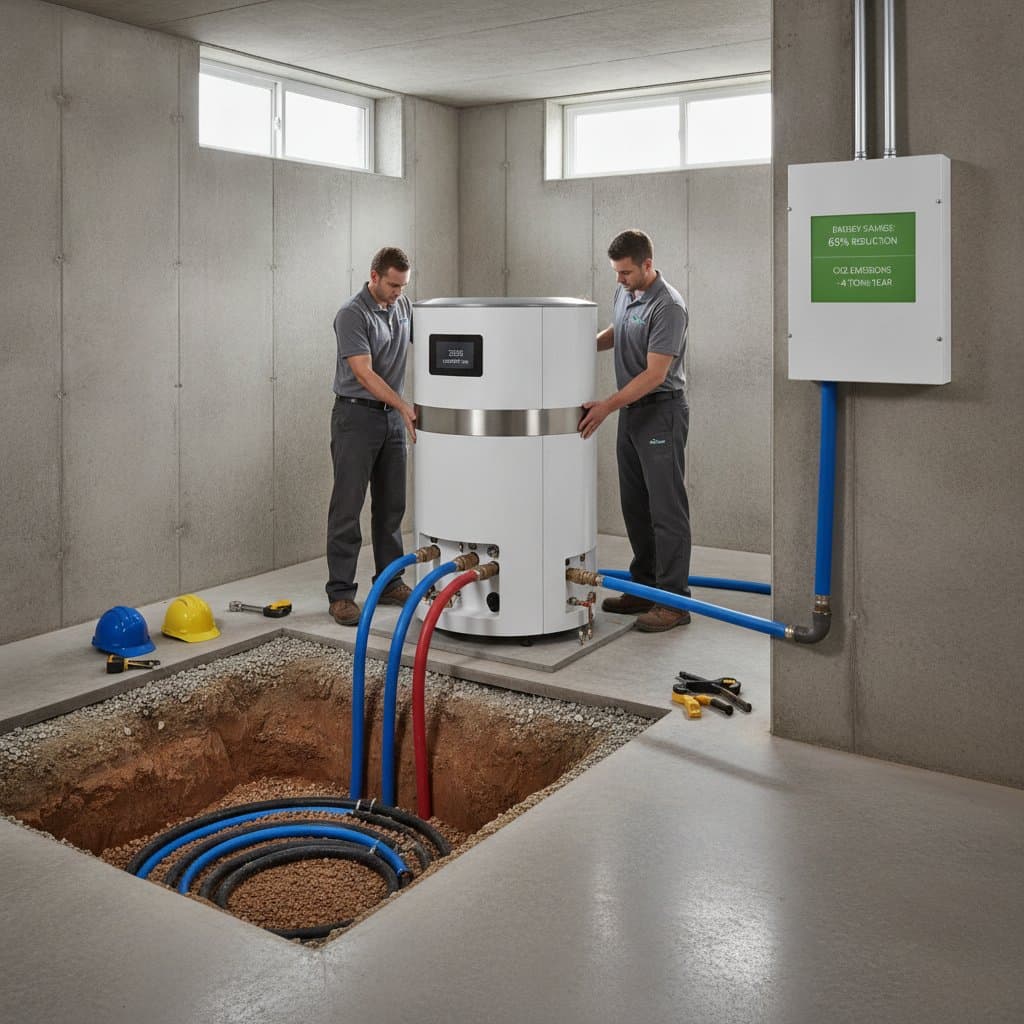
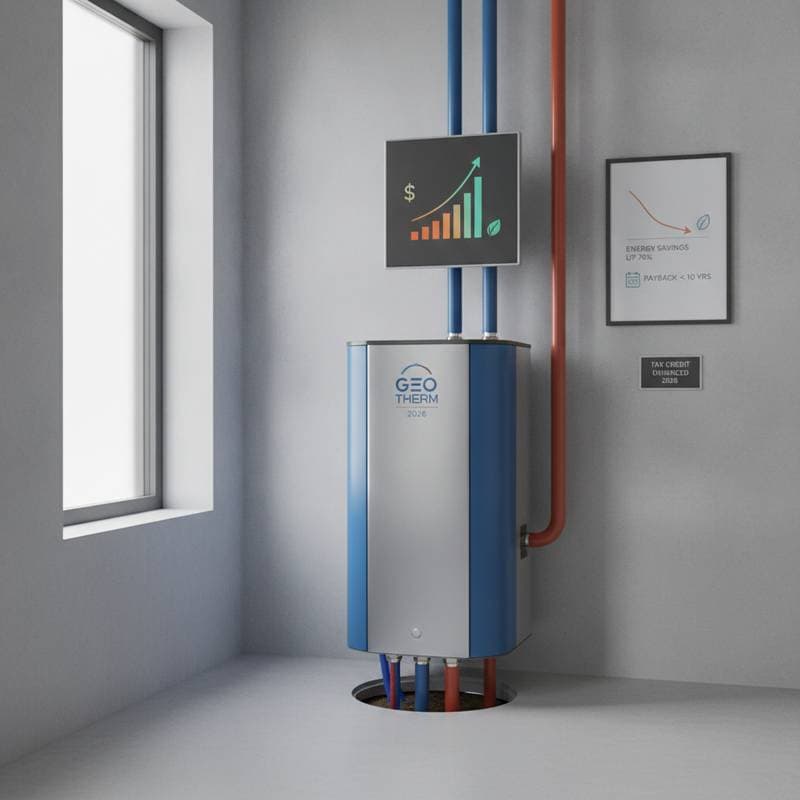
Geothermal systems, also known as ground-source heat pumps, operate on a fundamental thermodynamic concept. Subsurface temperatures, mere feet below ground level, exhibit minimal variation across seasons. A fluid circulates through embedded pipes, enabling a heat pump to expel excess heat from the interior to the earth during summer and retrieve stored warmth for heating in winter.
This closed-loop process minimizes the power needed for temperature regulation. By utilizing the earth's unchanging thermal conditions rather than variable ambient air, the system achieves superior reliability and performance.
Efficiency Comparisons
| System Type | Typical Energy Efficiency Ratio (EER) | Expected Energy Savings |
|---|---|---|
| Air-Source Heat Pump | 13 to 16 | Baseline |
| High-Efficiency Central AC | 18 to 22 | 10% to 20% savings |
| Geothermal Heat Pump | 25 to 45 | 40% to 60% savings |
Data from the U.S. Environmental Protection Agency indicates that geothermal configurations can diminish energy use by up to two-thirds relative to conventional HVAC. In an average household, such reductions yield yearly savings of several hundred to more than one thousand dollars on utilities.
Financial Considerations for Geothermal Adoption
A primary concern for prospective adopters involves upfront expenditures. Geothermal setups necessitate excavation or boring for ground loops, elevating initial outlays. Residential projects typically cost between fifteen thousand and thirty thousand dollars, influenced by site dimensions and geological factors.
However, ongoing financial benefits alter the equation. Decreased utility payments, paired with low maintenance demands, generate robust investment returns. Owners frequently offset expenses within ten years, while ground components endure over fifty years.
Available incentives enhance viability. Tax deductions, rebates, and support from programs like those endorsed by the International Ground Source Heat Pump Association can lower total costs by 20 to 30 percent.
The Urgency of Enhanced Cooling Performance
Cooling accounts for a significant portion of energy consumption in homes and commercial facilities. With urban regions facing intensified heat waves and extended warm periods, pressure on power networks intensifies. Geothermal solutions alleviate peak loads by delivering steady output with reduced reliance on grid electricity during critical times.
Developers seeking LEED or similar certifications gain key credits through geothermal integration. These systems curb greenhouse gas outputs, trim running expenses, and elevate user satisfaction.
Addressing Deployment Obstacles
Historically, geothermal technology suited expansive rural sites. Current innovations challenge this view. Advanced boring equipment accommodates vertical loops in modest urban plots, involving just a handful of narrow wells. Horizontal configurations fit areas with ample land, and water-body loops harness nearby ponds or lakes for thermal transfer where feasible.
Experienced installers provide comprehensive services that mesh geothermal units with current ventilation or underfloor heating. Projects generally conclude in under two weeks, with negligible impact on routines.
Tangible Outcomes and User Advantages
Geothermal technology extends beyond metrics to deliver refined livability. It sustains uniform interior climates, avoiding the abrupt air flows of legacy systems. Subsurface placement of key elements ensures virtually soundless function.
Upkeep remains straightforward, confined to routine filter replacements and heat pump inspections. Ground loops demand no intervention and persist for decades. Building overseers value this dependability, particularly where interruptions hinder operations.
Dr. Maria Greene, a mechanical engineer focused on eco-conscious HVAC, describes geothermal as "one of the most established technologies for balancing comfort and performance." She emphasizes that benefits remain "measurable and reliable regardless of regional weather patterns."
Broader Ecological and Societal Effects
By diminishing fossil fuel dependency, geothermal HVAC advances decarbonization objectives. Individual installations avert multiple tons of carbon dioxide yearly. Setup environmental impacts prove modest, and operational phases generate no local pollutants.
District-scale geothermal networks, linking several structures to shared loops, amplify efficiencies. Such communal setups cut per-unit expenses and foster enduring energy security for residential clusters or institutional grounds.
Synergies with Other Renewables
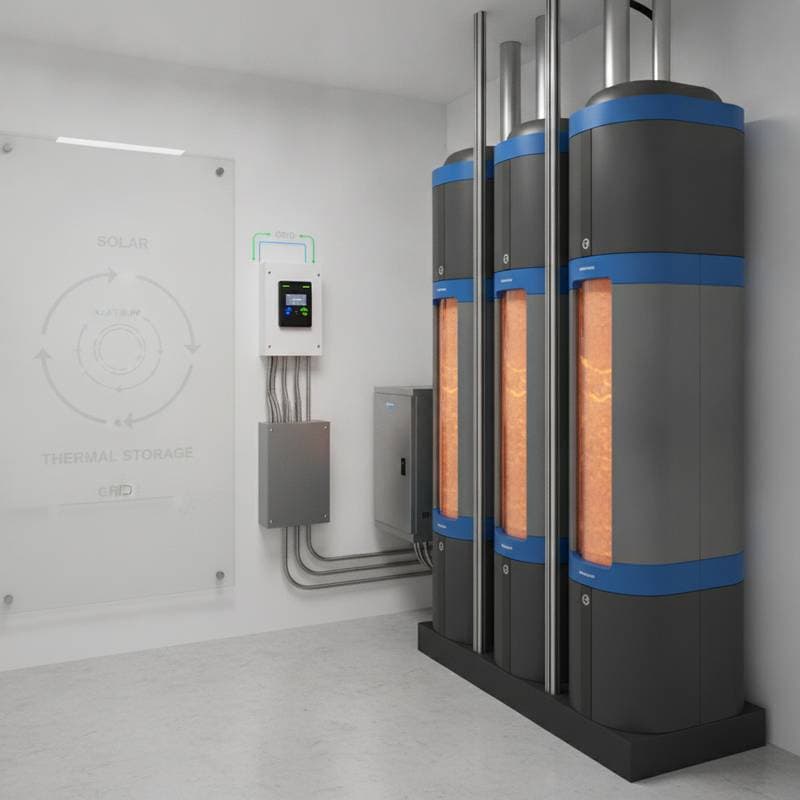
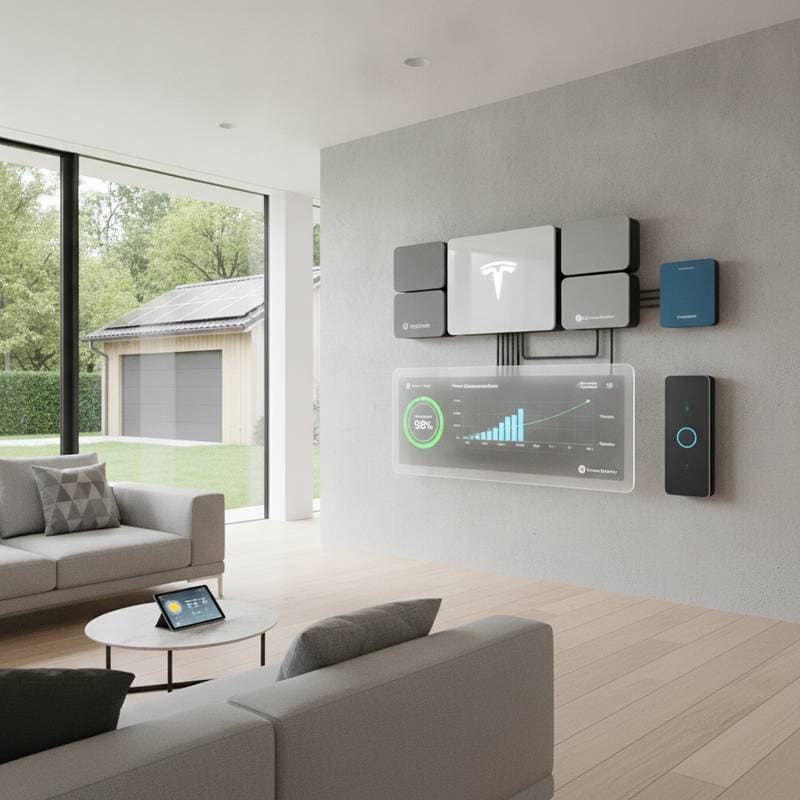
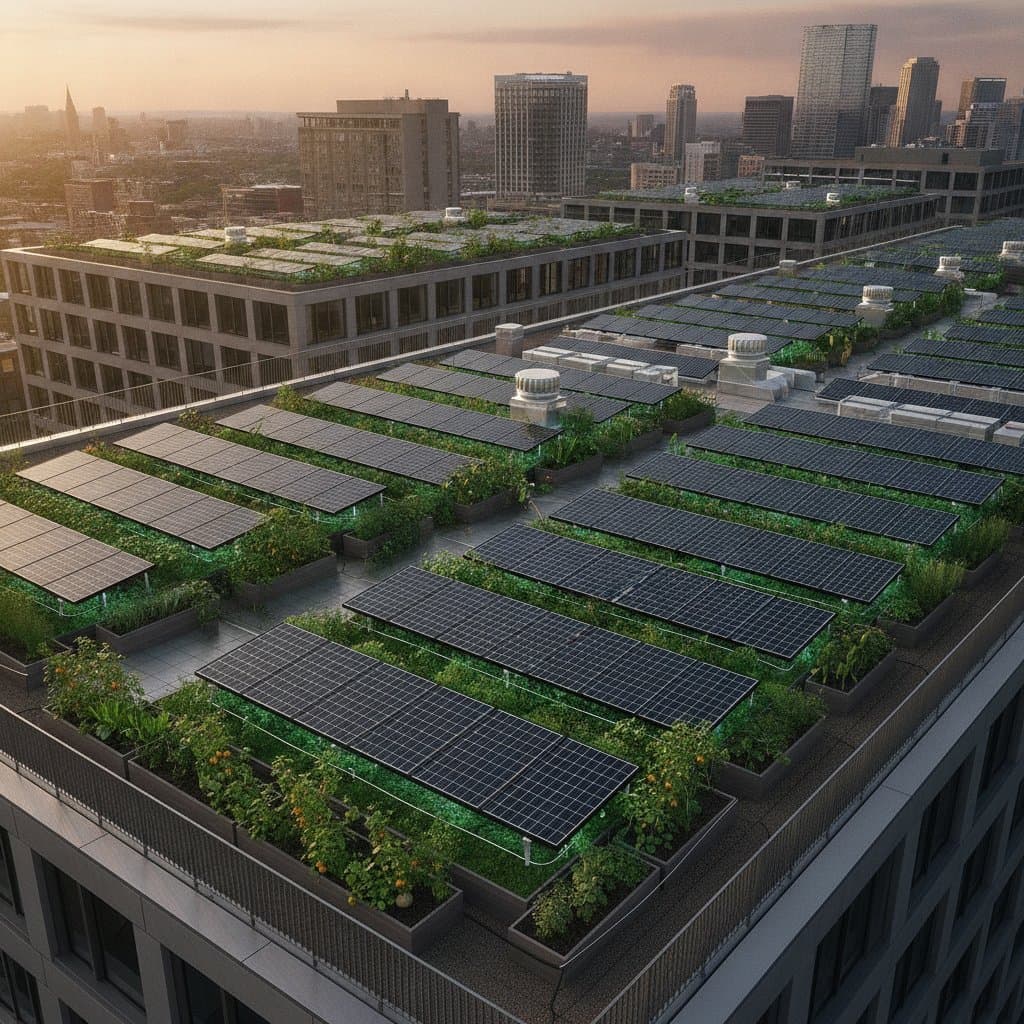
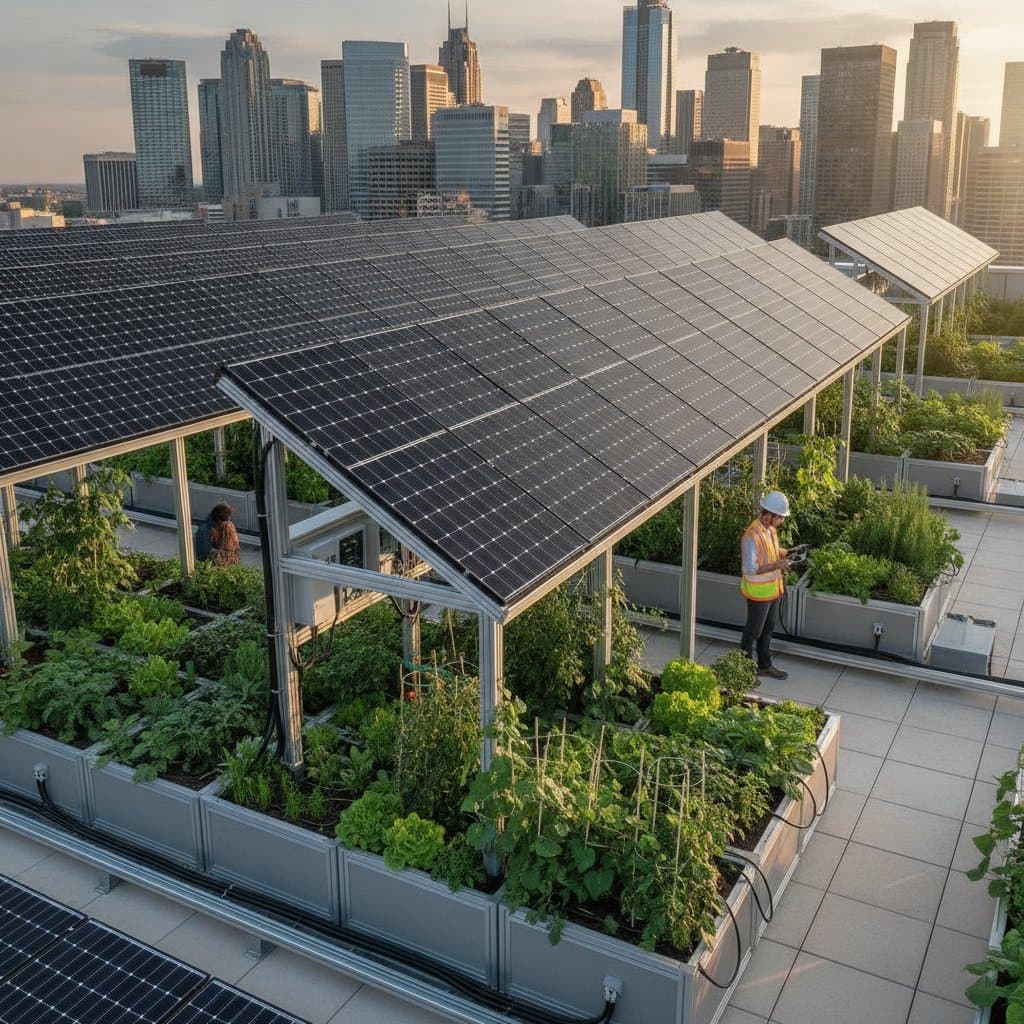
Combining geothermal with solar photovoltaic arrays or shared solar programs yields highly independent energy frameworks. Photovoltaic output powers the heat pump, while geothermal moderates consumption patterns. This combination evens daily loads, lessening grid dependence at peak intervals.
Analysts forecast that hybrid configurations will anchor future green architecture. Declining component prices will render zero-net-energy dwellings increasingly attainable through these pairings.
Steps to Implement Geothermal Solutions
Evaluate your property's suitability by consulting certified geothermal specialists for a site assessment. Review eligibility for incentives via federal and local resources to offset costs. Select a reputable installer experienced in your region's soil and climate conditions. Plan integration with existing infrastructure to minimize disruptions. Monitor post-installation performance to optimize efficiency and confirm long-term savings.