Key Points
- Geothermal HVAC systems utilize the earth's stable underground temperature to provide efficient heating and cooling for homes.
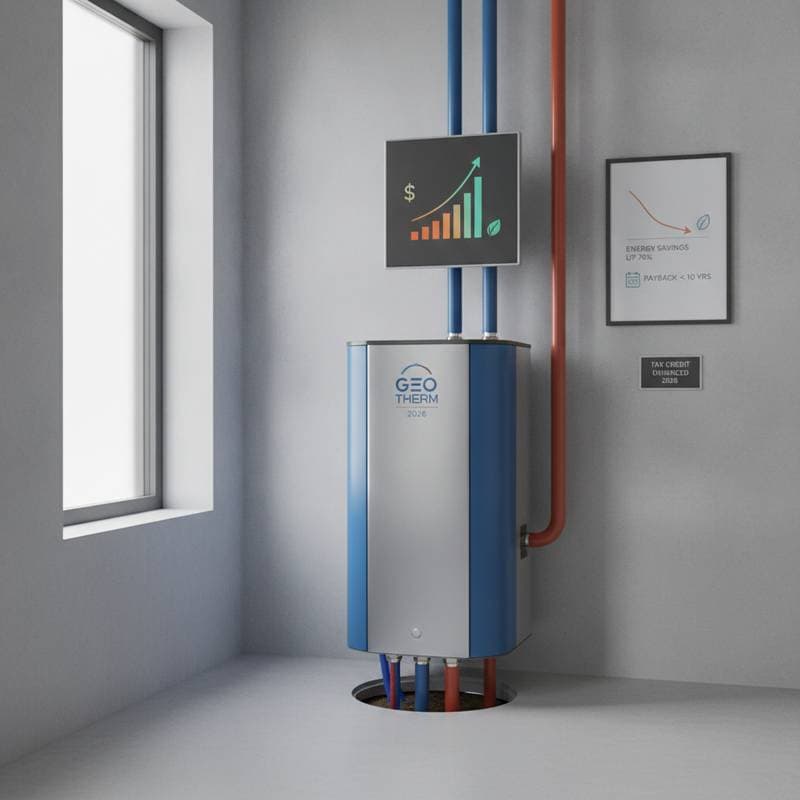
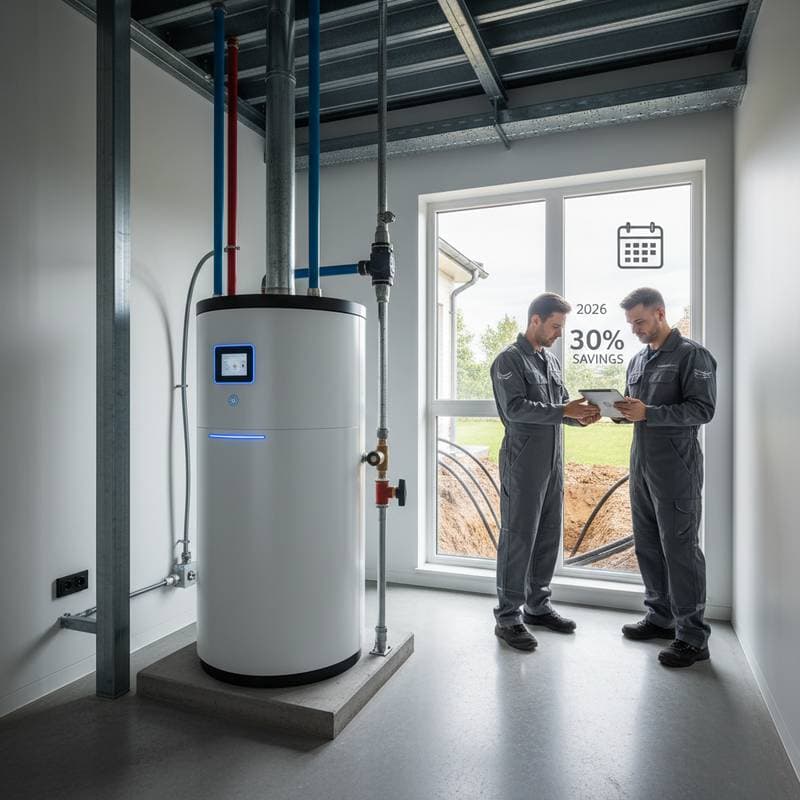
- Expanded tax credits in 2026 reduce initial installation expenses by up to 30 percent.
- Substantial long-term energy savings and minimal maintenance position ground-source heat pumps as a wise choice for sustainability-focused homeowners.
Why 2026 Tax Credits Make Geothermal HVAC Affordable
Imagine entering a home where comfort remains constant through every season. The air feels fresh, temperatures stay balanced, and utility bills arrive lower than expected. As a green building expert, I have witnessed numerous homeowners achieve this ideal by adopting geothermal heating and cooling systems. The primary obstacle has long been the substantial upfront investment, but the 2026 tax credits address this barrier directly.
Challenges with Traditional Systems
Conventional heating and cooling rely on fossil fuels or air-source heat pumps that perform inconsistently in humid summers or cold winters. This leads to fluctuating energy costs and regular repairs. Homeowners often express a desire to minimize their environmental impact, yet installation quotes for geothermal systems, typically between $18,000 and $30,000, prompt understandable caution. These new incentives aim to alleviate that financial strain and facilitate broader adoption.
Benefits of the 2026 Incentives
The forthcoming geothermal tax credits enable homeowners to deduct a portion of installation expenses directly from federal tax liabilities. Unlike deductions that merely adjust taxable income, credits provide a dollar-for-dollar reduction in taxes owed. Forward-thinking individuals can save several thousand dollars and enhance their home's overall efficiency. Based on extensive field experience, lowering the entry cost transforms geothermal into a highly economical renewable solution.
Fundamentals of Geothermal HVAC Operation
Geothermal systems, also known as ground-source heat pumps, exchange thermal energy between the home and the ground's consistent temperature. Air-source alternatives falter in severe weather conditions, but geothermal draws from the earth's reliable warmth during winter and coolness in summer. Consider it as accessing a perpetual energy source underfoot. Homeowners enjoy reliable climate control with potential energy reductions of 40 to 60 percent relative to standard systems.
Essential Preparation Steps for Installation
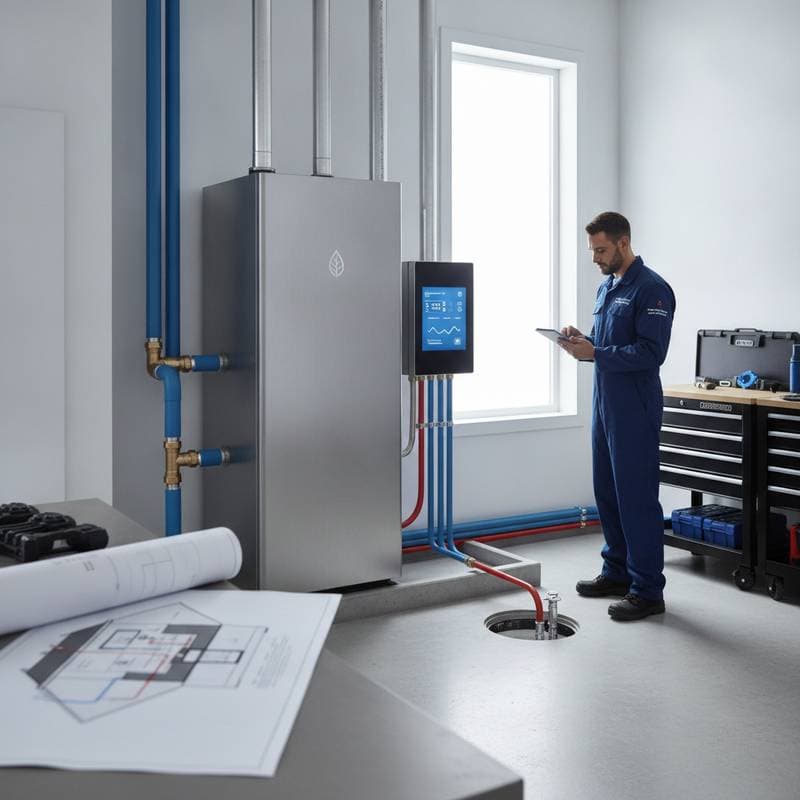
- Conduct a Site Evaluation: Engage a certified geothermal professional to assess soil composition, available land area, and current infrastructure.
- Evaluate Loop Configurations: Opt for vertical loops on compact properties or horizontal loops where ample space exists.
- Estimate Return on Investment: Systems generally recoup costs within seven to ten years via reduced energy expenses and available credits.
- Obtain Necessary Approvals: Secure local permits for drilling or excavation well in advance, as regulations vary by jurisdiction.
- Prepare Documentation for Credits: Collect detailed invoices, permits, and installer qualifications to support tax claims.
Installation Realities and Long-Term Value
The process typically spans one to two weeks, influenced by ground conditions and equipment scale. Although initial outlays exceed those for conventional HVAC, diminished operational costs and rare servicing yield impressive returns. Subsurface loops endure beyond 50 years, and indoor components function for 20 to 25 years. This single investment secures ongoing ecological advantages and monetary gains.
Next Steps for Geothermal Adoption
For those ready to transition to geothermal, the 2026 tax credits present an ideal opportunity. Consult a qualified specialist via our platform for custom system recommendations, regional rebate details, and tailored cost estimates. Through meticulous preparation, achieve a residence that operates efficiently, withstands environmental shifts, and harmonizes with sustainable principles.