Key Benefits of Geothermal HVAC Systems
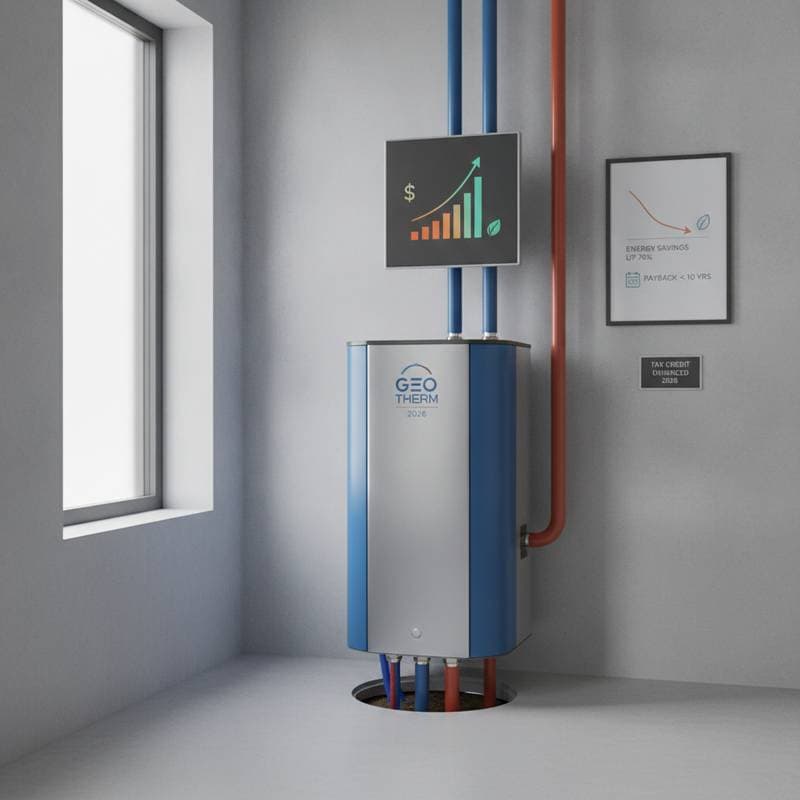
Homeowners who install geothermal HVAC systems achieve energy bill reductions of up to 60 percent when compared to conventional heating and cooling methods. These systems maintain efficiency across seasons by drawing on the earth's constant underground temperature. Federal and state incentives offset up to 30 percent of installation expenses, which shortens the return on investment period.
Proper system design requires attention to sizing, soil conditions, and professional installation to maximize performance. Maintenance expenses remain lower over time than those for traditional systems. Indoor components last 25 years or more, while ground loops endure up to 50 years with minimal intervention.
Geothermal technology supports environmental goals by minimizing fossil fuel dependence. Homeowners experience steadier indoor temperatures and reduced humidity, which elevates overall living quality. Many setups integrate hot water production, amplifying energy utilization.
How Geothermal HVAC Systems Operate
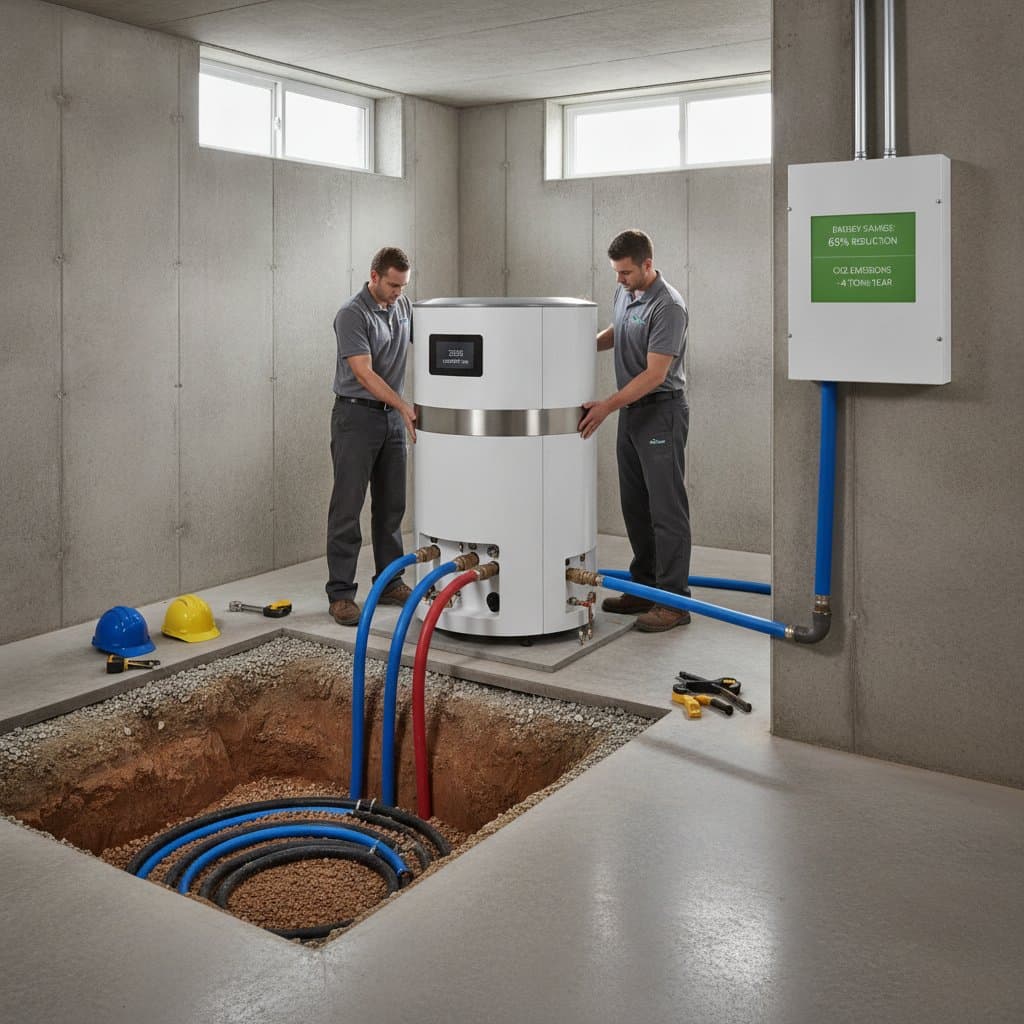
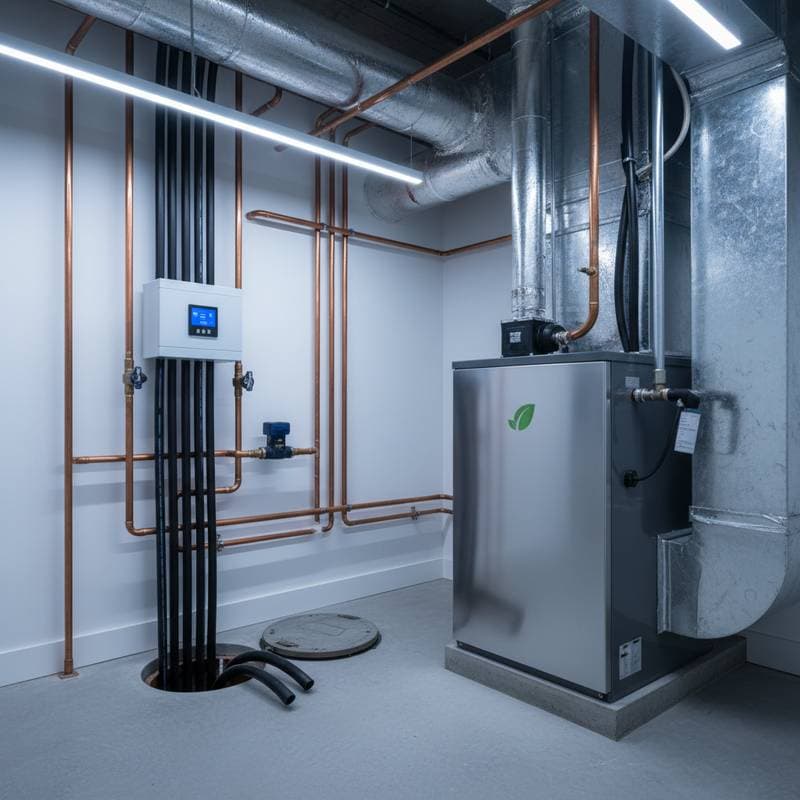
The foundation of a geothermal HVAC system lies in the ground-source heat pump, which moves a water-based fluid through underground piping loops. Installers configure these loops horizontally for larger properties or vertically for limited spaces, based on soil type and site layout. In winter, the fluid extracts warmth from the ground and delivers it inside the home. During summer, the system extracts excess heat from indoors and releases it into the earth.
This process demands only a small electrical input to facilitate heat transfer, rather than producing heat directly. Underground temperatures hold steady between 45 and 75 degrees Fahrenheit in most regions, which ensures consistent efficiency regardless of outdoor weather extremes. As a result, systems operate reliably year after year with fewer energy peaks and valleys.
Homeowners benefit from this stability through lower utility fluctuations and enhanced air quality. The design eliminates the need for noisy outdoor units common in standard air conditioners. Over time, these advantages compound into substantial household savings and improved daily comfort.
Essential Components
| Component | Function | Expected Lifespan |
|---|---|---|
| Ground Loop | Exchanges heat with the earth via buried piping | Up to 50 years |
| Heat Pump Unit | Processes and circulates heat for heating, cooling, or hot water needs | 20 to 25 years |
| Ductwork | Distributes conditioned air throughout the living spaces | 20 years or longer |
Each element plays a vital role in system performance. Regular inspections preserve these lifespans and prevent efficiency losses.
Environmental and Comfort Benefits
Geothermal systems advance sustainability by generating no direct emissions and avoiding combustion entirely. They serve as a viable alternative for reducing fossil fuel consumption in residential settings. The technology aligns with broader efforts to lower household carbon footprints without sacrificing functionality.
From a comfort perspective, these systems maintain even temperatures and control humidity effectively. Quiet operation avoids the disturbances associated with traditional HVAC equipment. Integration with hot water systems captures excess energy, which provides an additional layer of efficiency for daily needs.
Impact on Carbon Emissions
According to Department of Energy studies, switching from a standard furnace and air conditioner to geothermal reduces annual greenhouse gas emissions by approximately two metric tons for a typical household. This savings accumulates over the system's lifespan, equivalent to the environmental impact of removing multiple cars from roadways. Such reductions position geothermal as a forward-thinking choice for eco-conscious homeowners.
Best Practices for Installation
Engage a certified professional for a comprehensive site assessment, which includes soil conductivity tests and heat load calculations. These evaluations reveal the ground's capacity to absorb or release heat and guide the optimal loop field size. Factors like property size and local geology influence whether horizontal or vertical loops suit the site best.
During the installation phase, coordinate with utility locators to avoid underground lines. Pressure-test all loops prior to backfilling trenches or boreholes, and apply proper grouting materials to seal the system. These steps safeguard long-term integrity and efficiency.
Post-installation, schedule annual maintenance to monitor fluid levels, replace air filters, and calibrate thermostats. Address any unusual noises or performance dips promptly to sustain peak operation. With diligent care, the system delivers uninterrupted benefits for decades.
- Contact multiple certified installers for detailed quotes.
- Request inclusion of soil test results in proposals.
- Review incentive eligibility through federal and local programs.
- Plan for minimal disruption during the installation timeline.
Steps to Adopt Geothermal HVAC
Adopting a geothermal HVAC system represents a strategic upgrade that combines financial prudence with environmental responsibility. Begin the process by gathering estimates from qualified professionals who specialize in ground-source technology. Insist on analyses that incorporate site-specific data, such as soil reports and energy usage projections.
Evaluate total costs against projected savings, factoring in available rebates that can cover a significant portion of upfront expenses. Consider financing options if needed, as the long-term payback often justifies the initial investment. Once operational, the system runs seamlessly, stabilizing energy expenses and enhancing home efficiency.
This approach not only cuts operational costs but also future-proofs the residence against rising utility rates. Homeowners gain peace of mind from a durable, low-impact solution. By harnessing underground thermal energy, the setup transforms a basic utility into a cornerstone of sustainable living.