Geothermal Heat Pumps: The Intelligent HVAC Choice for 2026
Homeowners seeking reliable comfort often consider new air conditioners or furnaces. Yet the most effective solution may lie underground. Geothermal heat pumps utilize the earth's stable temperatures to heat and cool homes with high efficiency, minimal noise, and environmental benefits. These systems represent a forward-looking approach to HVAC that prioritizes long-term performance.
Essential Benefits
Geothermal heat pumps offer several advantages that set them apart from conventional options.
- Superior Energy Efficiency: These systems lower heating and cooling energy use by as much as 50 percent relative to traditional HVAC setups.
- Extended Durability: The ground loop components endure for 50 years or more, while above-ground parts last 20 to 25 years.
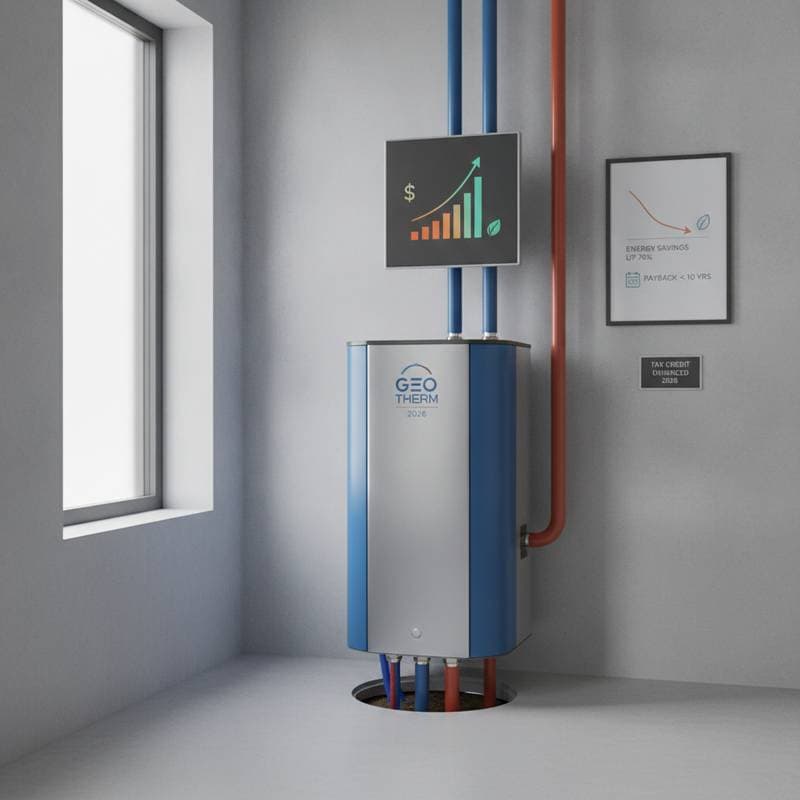
- Substantial Savings: Initial installation expenses exceed those of standard systems, but owners typically recover costs in five to ten years via reduced utility payments.
- Ecological Impact: Geothermal technology cuts greenhouse gas emissions by up to 70 percent and draws on renewable earth energy.
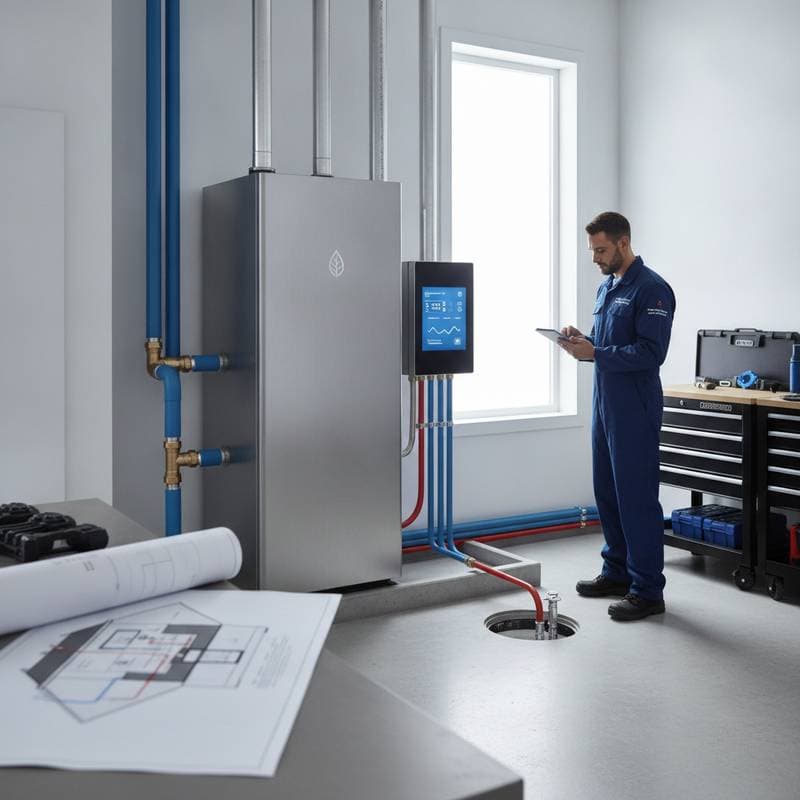
- Quiet Operation and Easy Maintenance: Lacking an outdoor unit and with limited moving parts, these systems run silently and demand little servicing.
Geothermal Heat Pumps Versus Conventional Systems
Geothermal heat pumps excel in efficiency, expense management, and sustainability when compared to air-source heat pumps or gas furnaces paired with central air conditioning. The table below highlights key differences.
| Feature | Geothermal Heat Pump | Air-Source Heat Pump | Gas Furnace or Central AC |
|---|---|---|---|
| Efficiency (COP) | 3.5 to 5.0 | 2.5 to 3.5 | 0.8 to 0.95 |
| Energy Source | Renewable ground heat | Outdoor air | Natural gas or electricity |
| Operating Cost Savings | Up to 50 percent lower | 20 to 30 percent lower | Baseline |
| System Lifespan | 20 to 25 years for equipment, 50+ years for ground loop | 10 to 15 years | 10 to 20 years |
| Noise Level | Very quiet | Moderate | Moderate |
| Carbon Emissions | Minimal | Moderate | High |
This comparison underscores geothermal's edge in delivering more output per energy input, thanks to its elevated coefficient of performance. Homeowners aiming to minimize expenses and environmental harm find these metrics particularly persuasive.
System Configurations: Closed-Loop and Open-Loop Options
Choosing the appropriate design ensures optimal results over decades. Geothermal installations primarily feature closed-loop or open-loop setups.
- Closed-Loop Systems
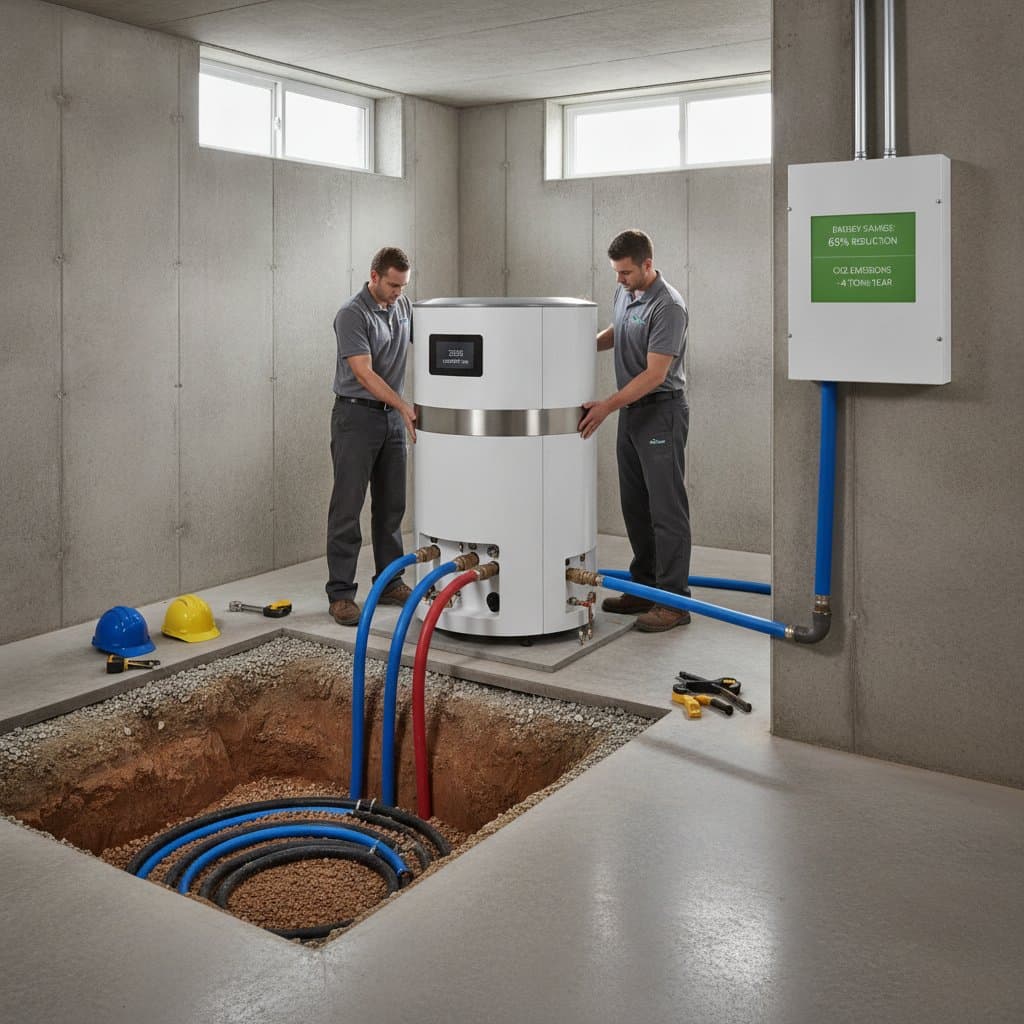
Fluid moves through sealed pipes buried in the ground, a pond, or a trench. Configurations include:
- Horizontal loops, suited to spacious lots with accessible soil.
- Vertical loops, effective on compact properties or rocky sites where drilling reaches deeper layers.
- Pond loops, viable near bodies of water that allow submerged piping.
- Open-Loop Systems
These draw groundwater from wells or ponds for heat exchange before returning it. Efficiency shines here, provided water supply remains steady and meets regulatory standards for quality and usage.
Closed-loop designs prevail in homes for their robustness and reduced need for ongoing care.
Advantages for Environment and Daily Comfort
Geothermal heat pumps support sustainability while enhancing living conditions. They harness the earth's constant thermal energy, slashing reliance on fossil fuels and easing pressure on power networks during high-demand periods.
Owners experience consistent indoor climates without temperature swings. Air circulates evenly and softly, eliminating drafts. The lack of external components ensures operation remains virtually silent, ideal for peaceful home environments.
Emerging Developments in Geothermal Systems
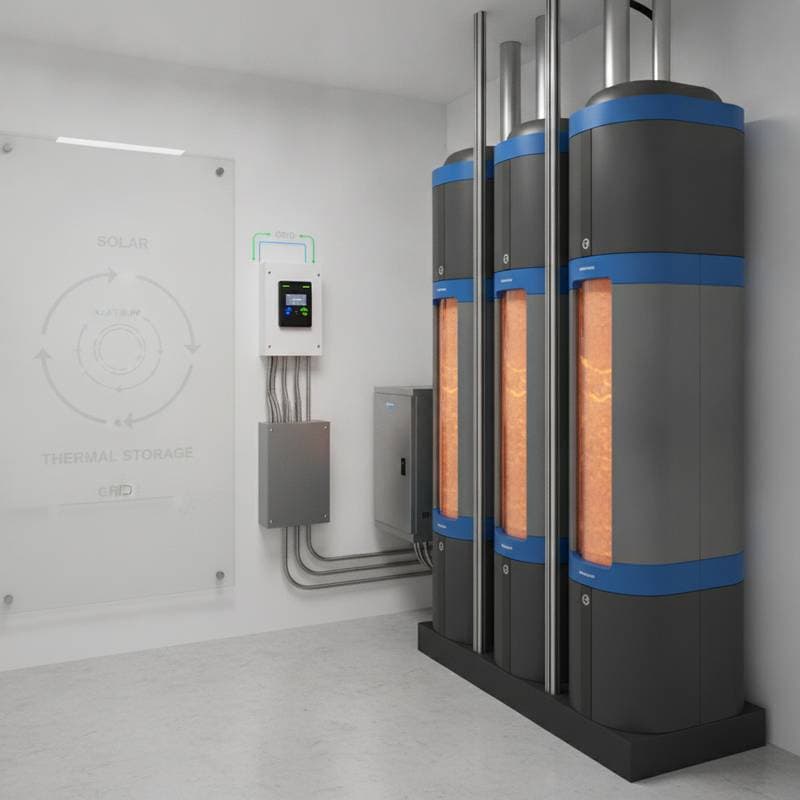
Advancements are broadening geothermal's reach. Hybrid models integrate ground loops with solar arrays to minimize external power needs. Variable-speed units adjust output dynamically, optimizing energy across varying conditions.
Integrated smart controls enable remote monitoring and adjustments via mobile devices. As incentives for renewables increase and installer expertise grows, geothermal shifts from specialty to standard practice. Projections indicate wider adoption by 2026, driven by policy support and technological refinements.
Steps to Install a Geothermal System
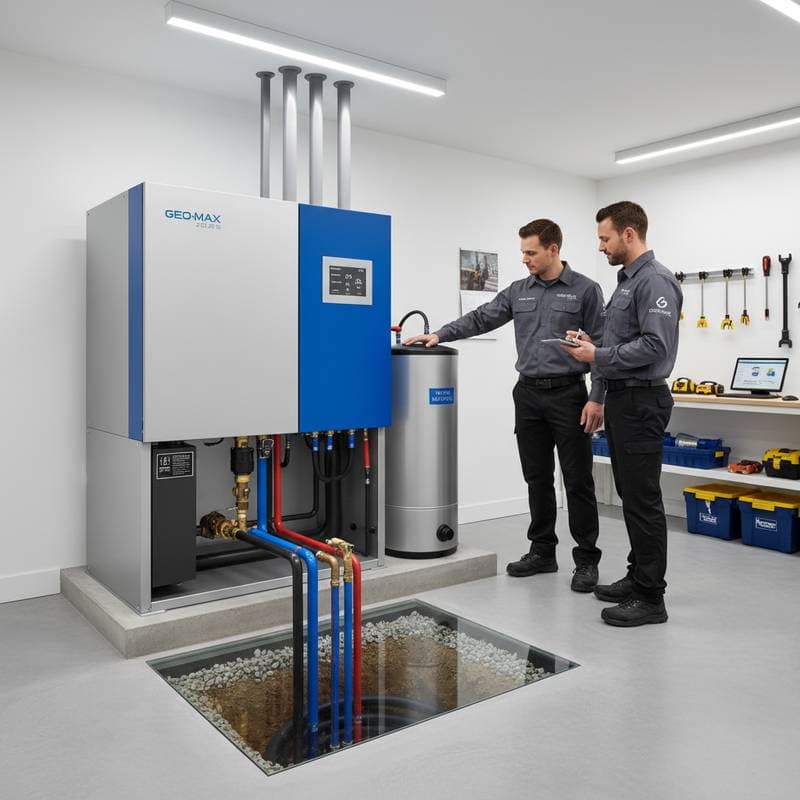
Begin by evaluating your site's suitability through a professional assessment. A qualified installer will calculate heating demands, test soil conditions, and propose loop layouts.
Gather quotes that detail expenses, timelines, and projected returns based on local energy rates. Factor in available rebates to offset upfront investments. With careful planning, this upgrade delivers enduring efficiency and comfort.