Geothermal Energy Leads 2026 Green Investments
Investors and homeowners seeking sustainable energy solutions increasingly turn to the steady heat stored in the earth. Geothermal systems harness this reliable resource to provide heating and cooling, transitioning from specialized applications to widespread adoption. These systems offer compelling financial returns alongside profound environmental advantages, reshaping approaches to energy management in buildings.
Essential Advantages
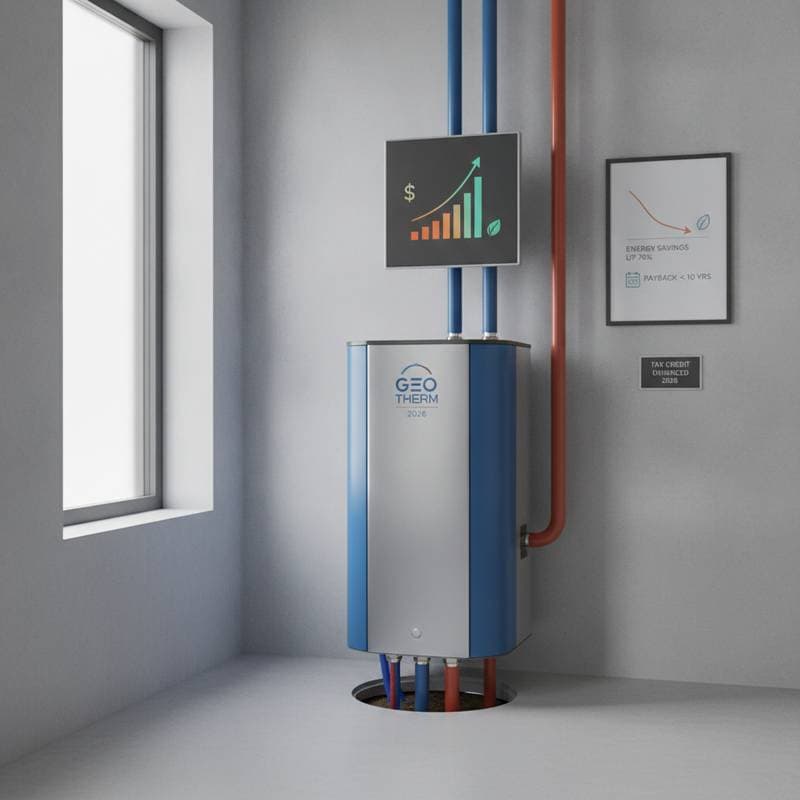
- Geothermal installations deliver average energy savings of 40 to 70 percent on heating and up to 50 percent on cooling compared to conventional methods.
- Owners realize an annual return on investment of 8 to 12 percent after recovering initial expenses.
- Operations produce carbon emissions up to 75 percent lower than those from standard heating, ventilation, and air conditioning setups.
- Ground loop components endure beyond 50 years, with heat pumps functioning effectively for 25 years or longer.
- Expanding government rebates, tax credits, and financing options accelerate uptake in homes and commercial properties.
Geothermal Surpasses Other Renewable Technologies
Discussions on clean energy frequently highlight solar installations, yet geothermal systems excel in key performance metrics, particularly for enduring value. This edge becomes evident when evaluating reliability, efficiency, and overall economics.
Reliable Energy Output
Solar arrays generate power only during daylight hours, while wind systems require consistent breezes. Geothermal draws from the earth's stable thermal energy, delivering uninterrupted performance through all weather conditions and seasons. Such dependability ensures steady energy production, appealing to investors who prioritize predictable financial outcomes and to users needing consistent comfort.
Exceptional Efficiency Levels
Geothermal heat pumps achieve a coefficient of performance above 4.0, where each unit of electricity transfers more than four units of thermal energy. Air-source heat pumps typically reach only 2.5, and gas or oil furnaces fall below 0.9. This superior ratio minimizes electricity use and eases pressure on power networks, promoting broader energy conservation.
Extended Durability and Minimal Upkeep
Solar panels degrade after 20 to 25 years, necessitating replacements. Geothermal ground loops, buried deep underground, resist wear and last over 50 years with little intervention. The above-ground heat pump demands simple tasks like filter changes every few months and annual inspections, resulting in ownership costs far below those of alternative renewables over decades.
Attractive Funding Support
Federal, state, and local programs now provide rebates covering 30 percent of installation costs, alongside tax deductions that further offset expenses. Utility companies offer low-interest loans tailored for geothermal projects, often reducing effective upfront investments by 20 to 40 percent. Commercial entities benefit from tax strategies that accelerate depreciation, enhancing liquidity and hastening profitability.
Environmental and Community Impacts
Geothermal adoption extends benefits beyond individual savings to broader ecological and societal gains. The U.S. Environmental Protection Agency recognizes these systems as among the cleanest and most efficient for building climate control.
Lowering Carbon Outputs
By tapping earth's natural warmth, geothermal replaces fossil fuel dependence, enabling homes to reduce emissions by up to 70 percent when shifting from oil or gas heating. A typical household avoids several metric tons of carbon dioxide annually, aligning personal choices with global efforts to curb climate change.
Enhancing Energy Network Resilience
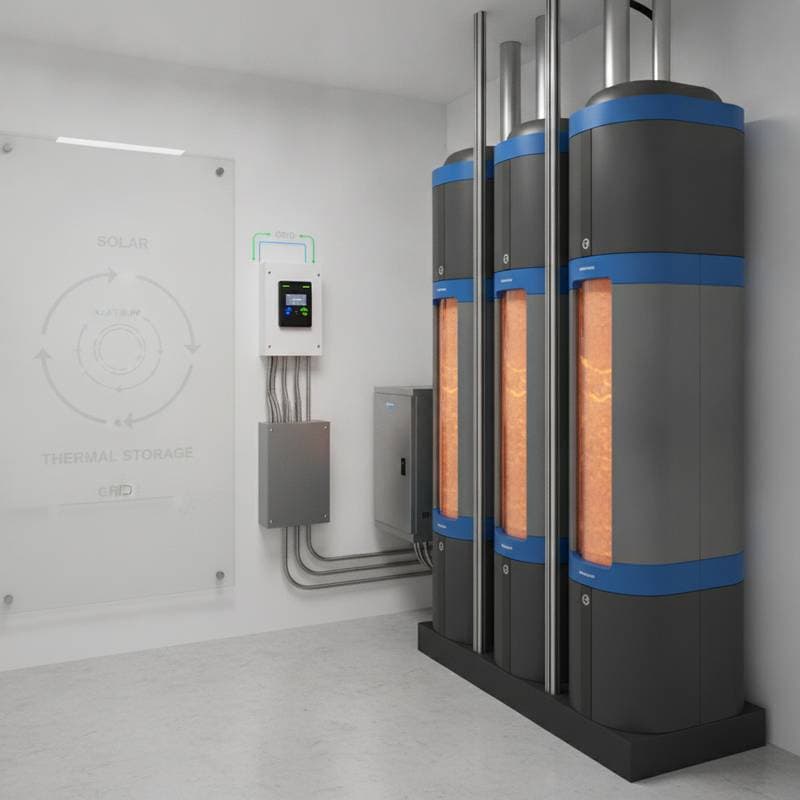
Geothermal provides baseload support, operating 24 hours daily without fluctuations. This consistent draw helps utilities manage peak demands, decreasing reliance on costly peaker plants or infrastructure expansions. Widespread implementation smooths overall energy consumption patterns, fostering a more robust and adaptable grid.
Boosting Employment Opportunities
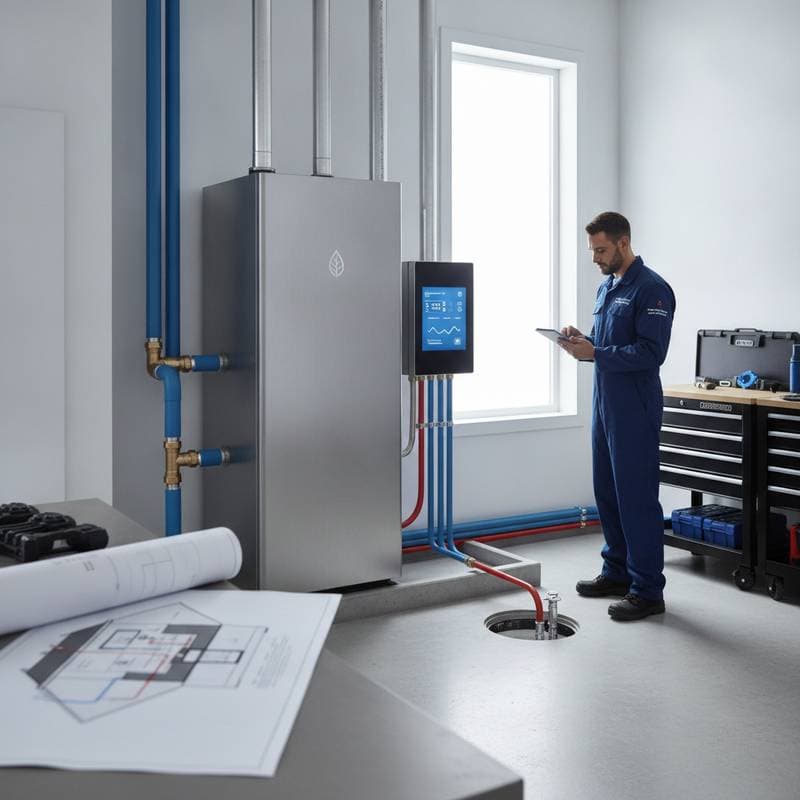
Projects demand skilled technicians for drilling, system integration, and ongoing service, creating jobs in installation and operations. Vocational programs now train workers in geothermal specifics, from site assessments to system optimization. Regions investing in this sector experience economic uplift through sustained local hiring and supply chain development.
Side-by-Side Analysis of Renewables
Geothermal's projected dominance in green investments stems from its balanced strengths across multiple dimensions. The following table contrasts it with peers, underscoring advantages in consistency and cost-effectiveness.
| Technology | Reliability | Efficiency | Maintenance | Lifespan | Typical ROI |
|---|---|---|---|---|---|
| Geothermal | Constant | High (300-500%) | Low | 25-50 years | 8-12% |
| Solar PV | Variable | Moderate (15-20%) | Moderate | 20-25 years | 6-10% |
| Wind | Weather-dependent | Moderate | High | 20 years | 5-9% |
| Biomass | Fuel-dependent | Moderate | High | 15 years | 4-7% |
Geothermal's profile reveals superior uptime and thermal transfer rates, making it a foundational element in diversified renewable strategies. It integrates seamlessly with solar or wind to address their intermittency.
Practical Steps for Geothermal Adoption
Homeowners and business leaders can start by assessing site suitability through soil tests and energy audits, often available at low cost from certified professionals. Next, explore incentive programs via energy department websites to calculate net expenses. Partnering with experienced installers ensures optimal system sizing, maximizing savings from day one. Over time, these investments secure lower utility payments, reduced environmental impact, and enhanced property value, paving the way for a more sustainable future.