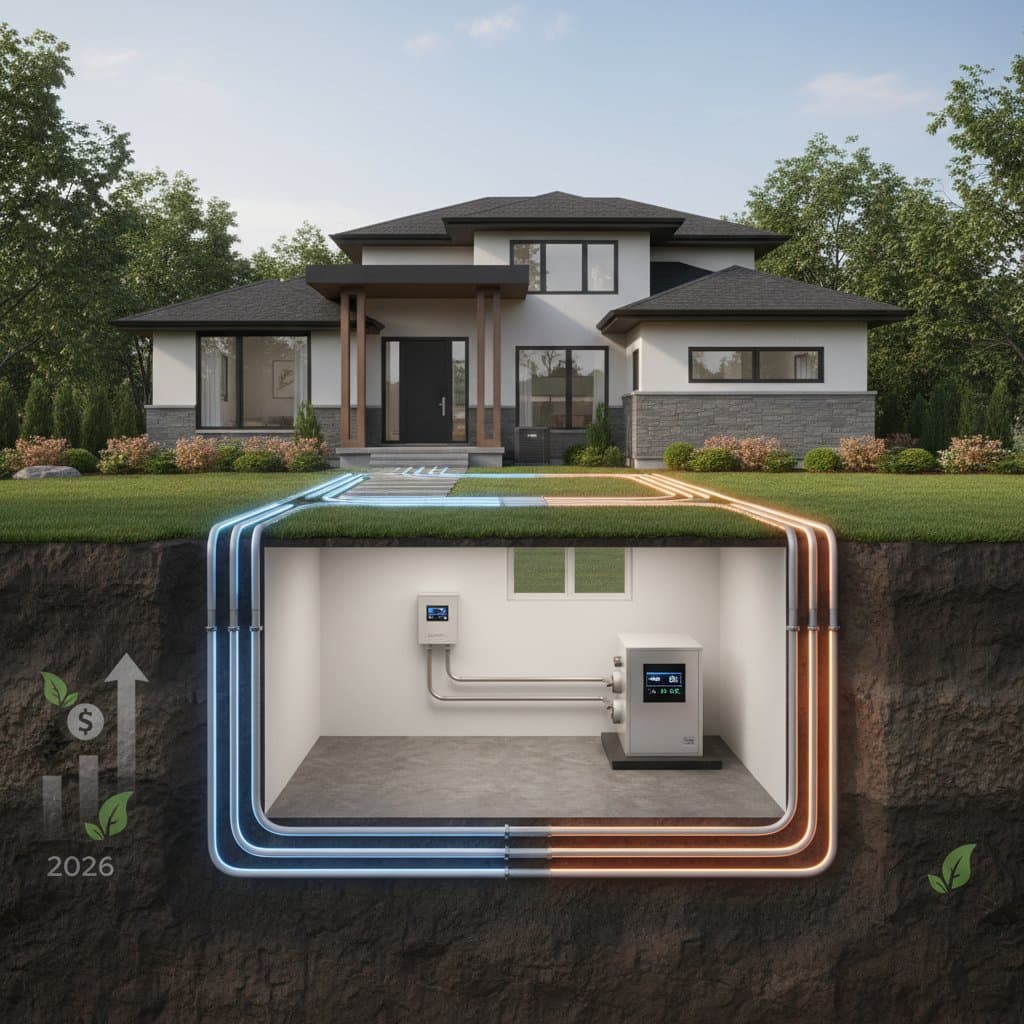
Key Benefits of Geothermal Heat Pumps
- These systems leverage consistent underground temperatures for efficient heating and cooling.
- Homeowners typically achieve energy savings of 30 to 60 percent on heating and cooling expenses.
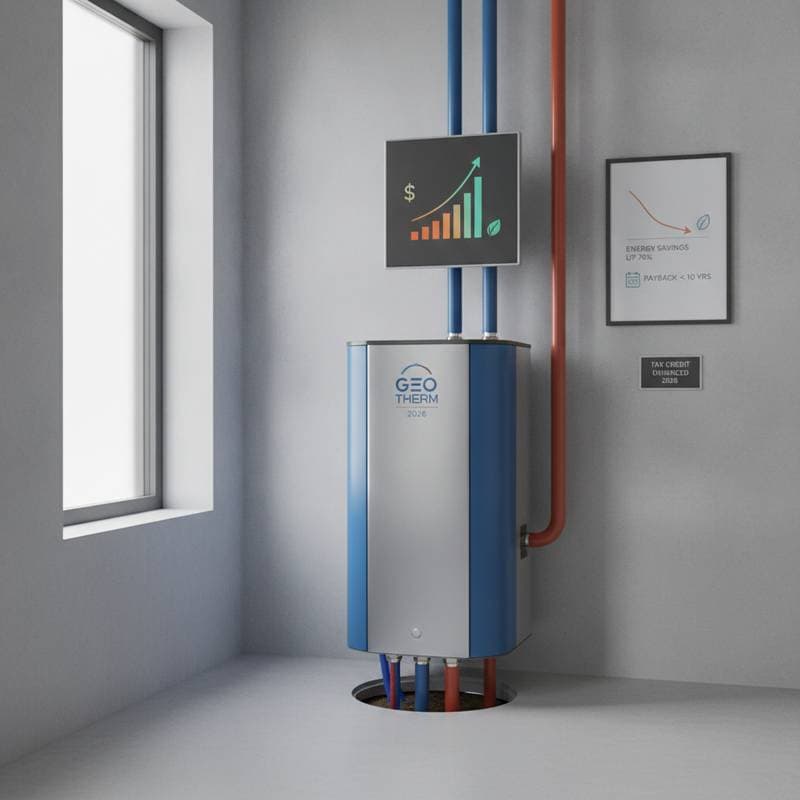
- Initial costs exceed those of traditional systems, yet payback occurs within five to ten years via reduced utility bills and available incentives.
- Ground-source heat pumps elevate property value, minimize maintenance needs, and promote energy independence.
- Optimal performance demands thorough site assessment, precise design, and installation by qualified experts.
The Growing Importance of Geothermal Technology
Homeowners recognize that sustainable choices enhance both environmental responsibility and financial security. Energy prices tend to rise over time, making efficient systems essential for budget protection. Geothermal heat pumps offer a reliable solution that balances cost savings with reduced environmental impact.
Financially, these systems can halve heating and cooling costs relative to standard furnaces and air conditioners. Savings accumulate year after year, particularly amid increasing energy rates. On the environmental side, they eliminate on-site fossil fuel combustion, thereby reducing carbon emissions significantly.
Analyzing Costs, Returns, and Enduring Value
Upfront Investment
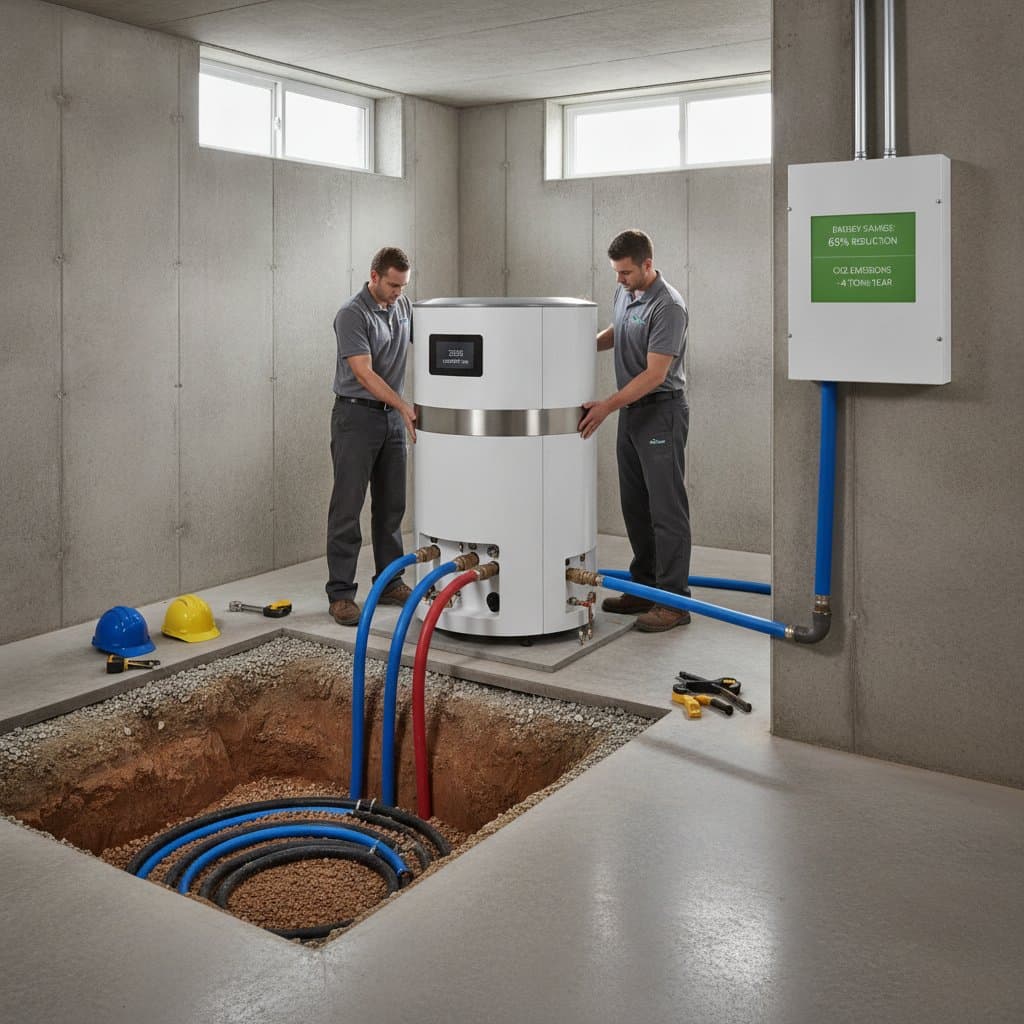
Installation for a typical home costs between $18,000 and $35,000, covering ground loop excavation, equipment, and labor. This figure surpasses conventional system prices, but consider it an investment in future stability rather than an immediate outlay.
Annual Operating Savings
Savings depend on location, climate, and system configuration, yet most users report 30 to 60 percent lower heating and cooling bills. For an average yearly energy spend of $2,500, this equates to $750 to $1,500 in annual reductions. Within ten years, cumulative savings often surpass the initial cost, yielding positive returns alongside continued efficiency.
Available Incentives and Funding Options
Federal, state, and utility programs provide rebates, tax credits, or low-interest loans that cover 20 to 40 percent of expenses. Home equity lines or specialized energy loans enable payments over time, with system-generated savings offsetting much of the monthly obligation.
Boost to Property Value
Homes with energy-efficient features command premium prices in the market. A geothermal system demonstrates reliability, ongoing cost reductions, and eco-friendly design. Real estate professionals value such upgrades, especially in areas with strong demand for sustainable properties.
Environmental Advantages and Health Improvements
Lower Greenhouse Gas Output
Geothermal systems avoid fossil fuel burning, sharply decreasing direct emissions. Their high efficiency minimizes indirect energy consumption from the grid. When integrated with solar power, operational emissions approach zero.
Enhanced Indoor Air Quality
Without combustion, these systems produce no carbon monoxide or nitrogen oxides. Superior humidity management discourages mold growth and allergen accumulation. This results in healthier indoor environments and greater occupant well-being.
Efficient Resource Use
The technology requires little water and eliminates needs for fuel storage or deliveries. Buried components shield against weather damage, prolonging lifespan and cutting replacement waste.
Steps to Implement a Geothermal System
Selecting a Qualified Installer
Choose contractors certified in geothermal technology, with expertise in mechanical systems and ground loop engineering. Verify affiliations with industry associations and manufacturer certifications. Review references from projects involving comparable soil types.
System Design and Regulatory Approval
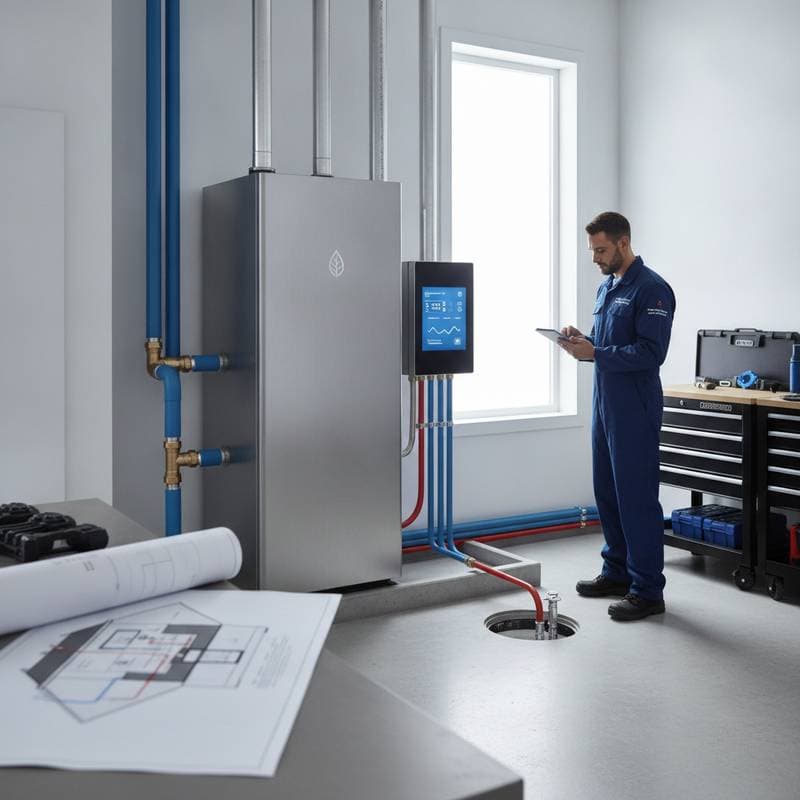
Accurate sizing prevents inefficiency; conduct a detailed load analysis considering insulation, windows, and home layout. Permits often require adherence to local regulations on excavation depth and loop configuration.
Compatibility with Current Infrastructure
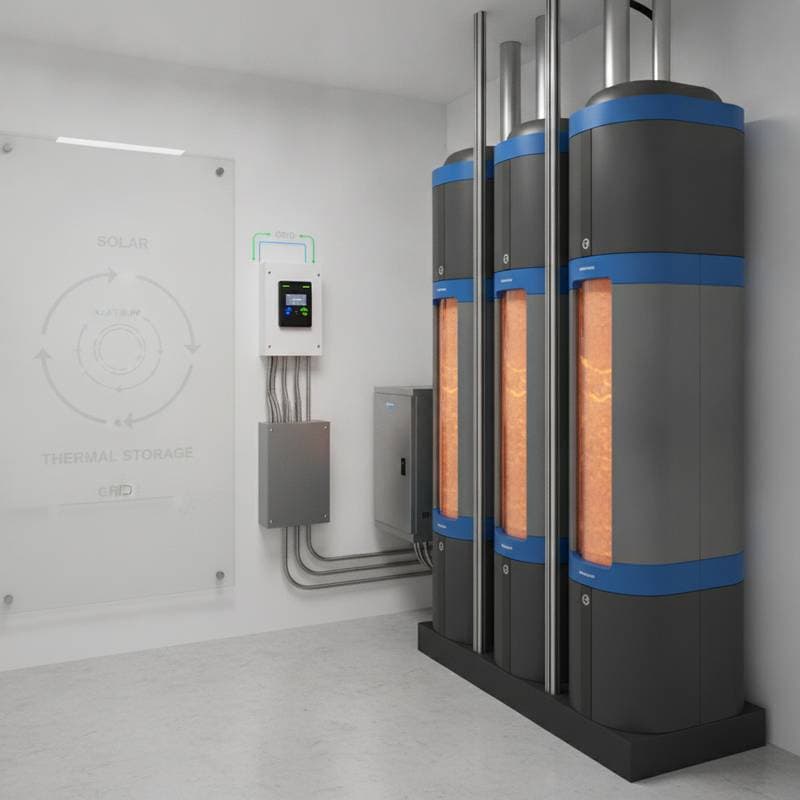
Many setups utilize existing ducts, though evaluations may reveal needs for insulation improvements. Radiant floor systems pair effectively with water-based geothermal units. Pairing with solar arrays or programmable thermostats maximizes energy gains.
Future Trends and Reliability Factors
Rising energy costs and stricter efficiency standards position geothermal systems as a strategic home improvement. New constructions increasingly feature this technology to appeal to discerning buyers.
These systems excel in resilience; during outages or extreme weather, integration with generators or batteries sustains operation. Freedom from fuel dependencies improves safety and dependability.
Steps to Launch Your Geothermal Upgrade
Start with a comprehensive energy audit to assess your home's current efficiency. Solicit bids from multiple contractors, evaluating total costs, estimated savings, and projected payback timelines. Require detailed energy simulations to forecast performance.
Secure funding by layering rebates with favorable loan terms from utilities or lenders. Opt for service contracts to maintain peak efficiency over time.