Geothermal HVAC: Achieving Substantial Energy Savings
Geothermal heating, ventilation, and air conditioning systems represent a sophisticated approach to climate control. These systems utilize the stable temperatures found beneath the earth's surface to regulate indoor environments efficiently. Homeowners increasingly adopt this technology for its potential to reduce energy expenses significantly.
Traditional HVAC systems rely on fossil fuels or electricity to heat or cool air, often leading to high operational costs. In contrast, geothermal systems transfer heat to or from the ground, minimizing energy consumption. This method proves particularly effective in regions with variable climates, where conventional units struggle to maintain efficiency.
Understanding Geothermal HVAC Technology
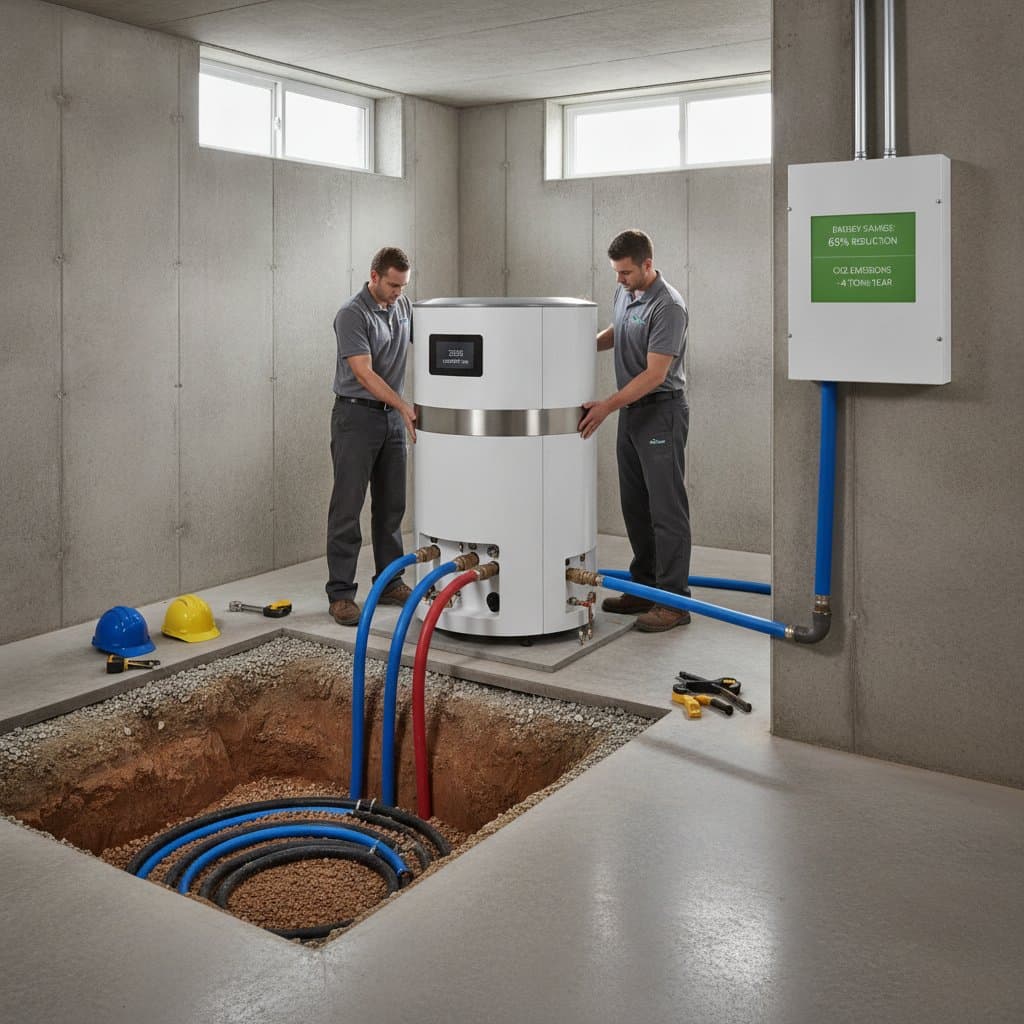
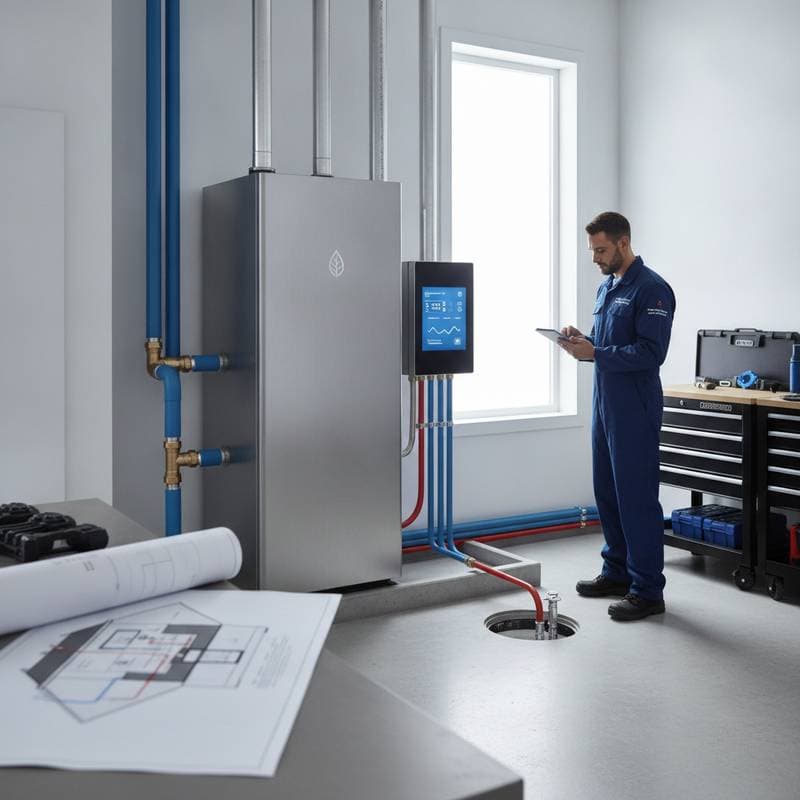
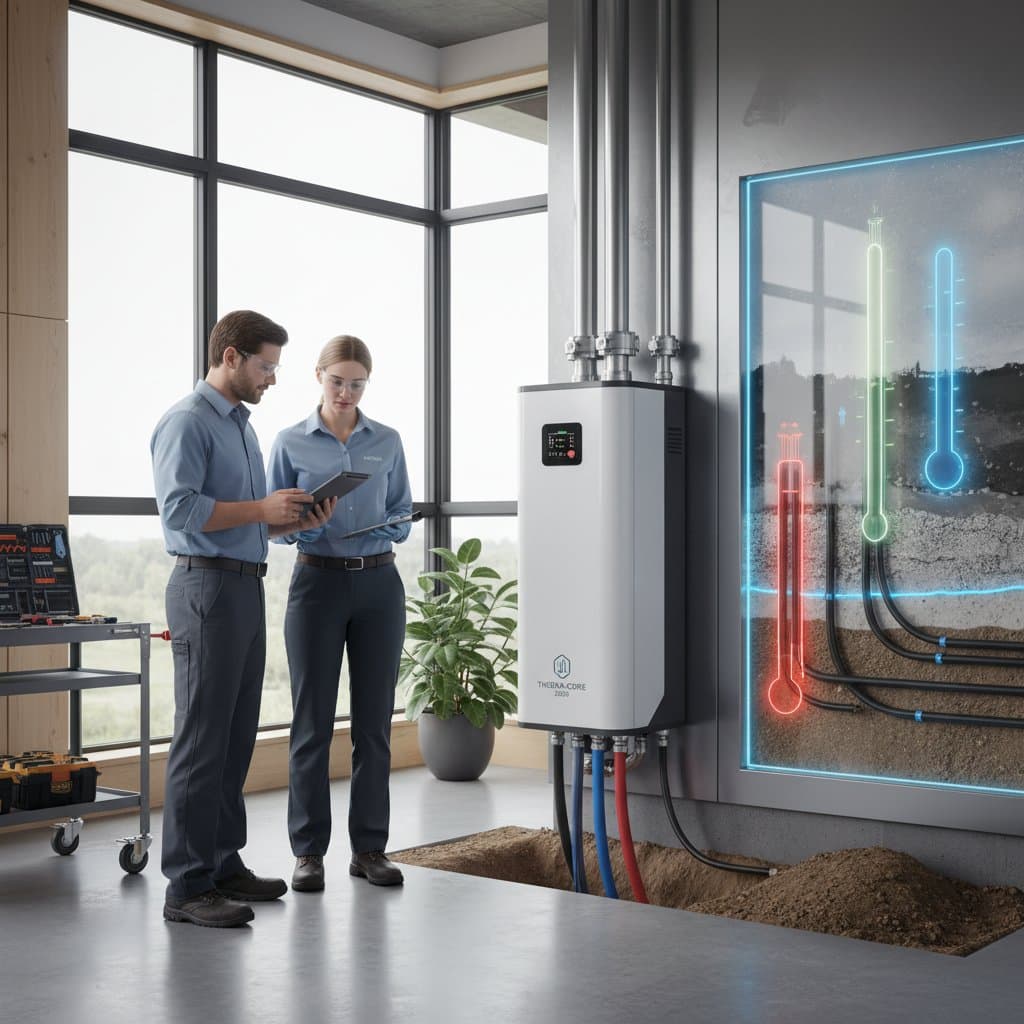
Geothermal HVAC operates on the principle of heat exchange with the earth. The system includes a ground loop, which circulates fluid through pipes buried underground, and a heat pump located indoors. During winter, the pump extracts heat from the ground and distributes it throughout the home; in summer, it reverses the process to dissipate excess heat.
The earth's subsurface maintains a consistent temperature, typically between 45 and 75 degrees Fahrenheit, depending on location. This stability allows geothermal systems to achieve efficiencies up to 400 percent, far surpassing the 90 percent maximum of standard air-source heat pumps. Engineers design these systems to integrate seamlessly with existing ductwork, ensuring minimal disruption during installation.
Key components include:
- Ground loops: Horizontal, vertical, or pond configurations, selected based on available land and soil conditions.
- Heat pump unit: Compresses and circulates refrigerant to facilitate heat transfer.
- Desuperheater: Optional feature that provides domestic hot water, further enhancing overall efficiency.
Quantifying Energy Bill Reductions
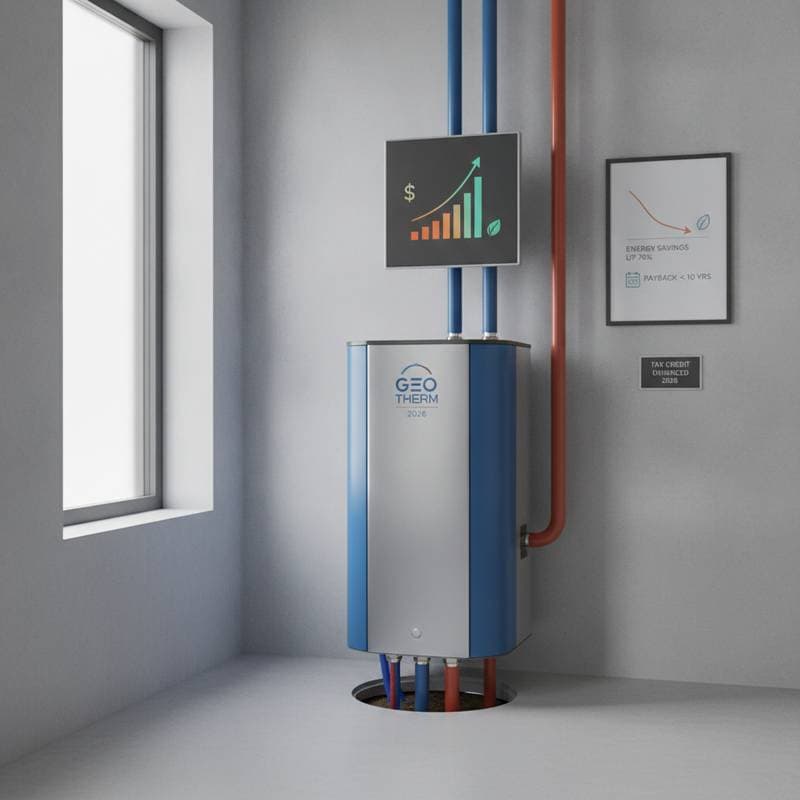
Projections indicate that geothermal HVAC systems can lower annual energy bills by up to $2,000 by 2026, driven by rising utility rates and technological advancements. Current data from energy audits show average savings of 30 to 70 percent compared to conventional systems. For a typical household consuming 12,000 kilowatt-hours annually for heating and cooling, this translates to substantial financial relief.
Factors influencing savings include home size, local climate, and system capacity. In colder regions, the consistent ground temperature prevents the efficiency drops common in air-source systems during extreme weather. Over a system's 25-year lifespan, cumulative savings often exceed $50,000, offsetting initial investments.
Environmental benefits extend beyond cost reductions. These systems produce no on-site emissions, contributing to lower carbon footprints. Utility companies in many areas offer rebates, amplifying the economic advantages.
Essential Design and Installation Considerations
Proper design forms the foundation of a high-performing geothermal system. Begin with a comprehensive site assessment to evaluate soil composition, moisture levels, and thermal conductivity. Sandy soils, for instance, conduct heat more effectively than clay, influencing loop length requirements.
Consult certified professionals to determine the optimal loop configuration:
- Horizontal loops: Ideal for properties with ample yard space; trenches extend 4 to 6 feet deep.
- Vertical loops: Suitable for limited land; boreholes reach 150 to 400 feet.
- Pond or lake loops: Leverage water bodies for heat exchange, if geographically feasible.
Sizing the heat pump accurately prevents over- or under-capacity issues. Oversized units cycle inefficiently, while undersized ones strain to meet demands. Incorporate zoning controls to direct conditioned air precisely, enhancing comfort in multi-room homes.
Installation demands precision to avoid compromising system integrity. Licensed contractors drill loops with specialized equipment and pressure-test them for leaks. Post-installation, conduct performance tests to verify efficiency ratings, typically measured in coefficients of performance (COP).
Maximizing Long-Term Value and Comfort
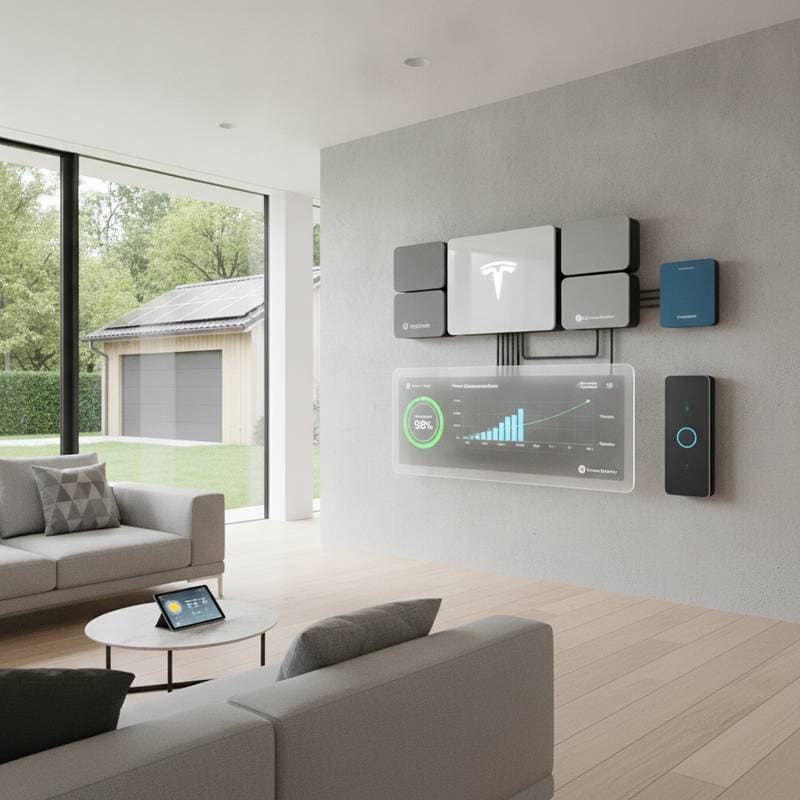
Geothermal systems elevate home value through enhanced energy efficiency and sustainability features. Appraisers recognize the durability of these installations, with ground loops warrantied for 50 years. Integration with smart thermostats allows remote monitoring, optimizing performance based on occupancy patterns.
Maintenance remains straightforward, involving annual filter changes and periodic fluid checks. Unlike traditional systems prone to refrigerant leaks or compressor failures, geothermal units experience fewer breakdowns, reducing repair costs over time.
Homeowners report consistent indoor temperatures and improved air quality, as these systems often pair with advanced filtration. The quiet operation eliminates the noise associated with outdoor units, fostering a serene living environment.
Investing in Sustainable Home Comfort
Adopting geothermal HVAC positions homeowners for financial security amid fluctuating energy prices. The combination of immediate bill reductions and enduring reliability makes this technology a prudent choice. Evaluate your property's potential through professional consultation to unlock these benefits tailored to your needs.