Key Points
- Recycled plastic lumber redefines decking with superior durability and sustainability.
- Homeowners value its no-maintenance design and extended lifespan that surpasses traditional wood.
- Builders value its uniformity, structural strength, and resistance to environmental damage and pests.
- Long-term cost savings emerge from minimal upkeep, no refinishing, and immunity to decay.
- Selecting recycled plastic lumber diverts waste from landfills and advances a circular economy.
The Emergence of Recycled Plastic Lumber
As a green building professional, I have observed numerous homeowners contend with deck boards that warp, fade, or crack within a few seasons. Many invest in pressure-treated wood expecting durability, yet encounter discoloration and splintering. Imagine a deck where boards remain smooth, colors stay vibrant, and the structure holds firm across humid summers and freezing winters. Recycled plastic lumber provides precisely that experience.
In sustainability-oriented communities, this material emerges as the top choice over conventional decking options. It aligns with contemporary environmental objectives while addressing regional climate challenges. Builders and homeowners recognize it as more than an eco-friendly option. It represents a sensible enhancement that conserves time, reduces expenses, and eliminates aggravation.
Challenges with Traditional Wood Decking
Natural wood offers aesthetic appeal, but it carries concealed expenses. Moisture fosters rot and mildew growth. Insects penetrate surfaces undetected. Despite diligent sealing, sunlight exposure dulls colors and compromises fibers. Research from green building organizations indicates that untreated wood decks may forfeit up to 50 percent of structural integrity within ten years in humid or coastal areas.
Maintenance accumulates rapidly. Yearly staining or sealing demands hundreds of dollars and significant labor. Homeowners often grapple with environmental issues tied to chemical treatments in preserved lumber. This pattern of fixes, replacements, and ecological trade-offs proves unsustainable for most.
Advantages of Recycled Plastic Lumber
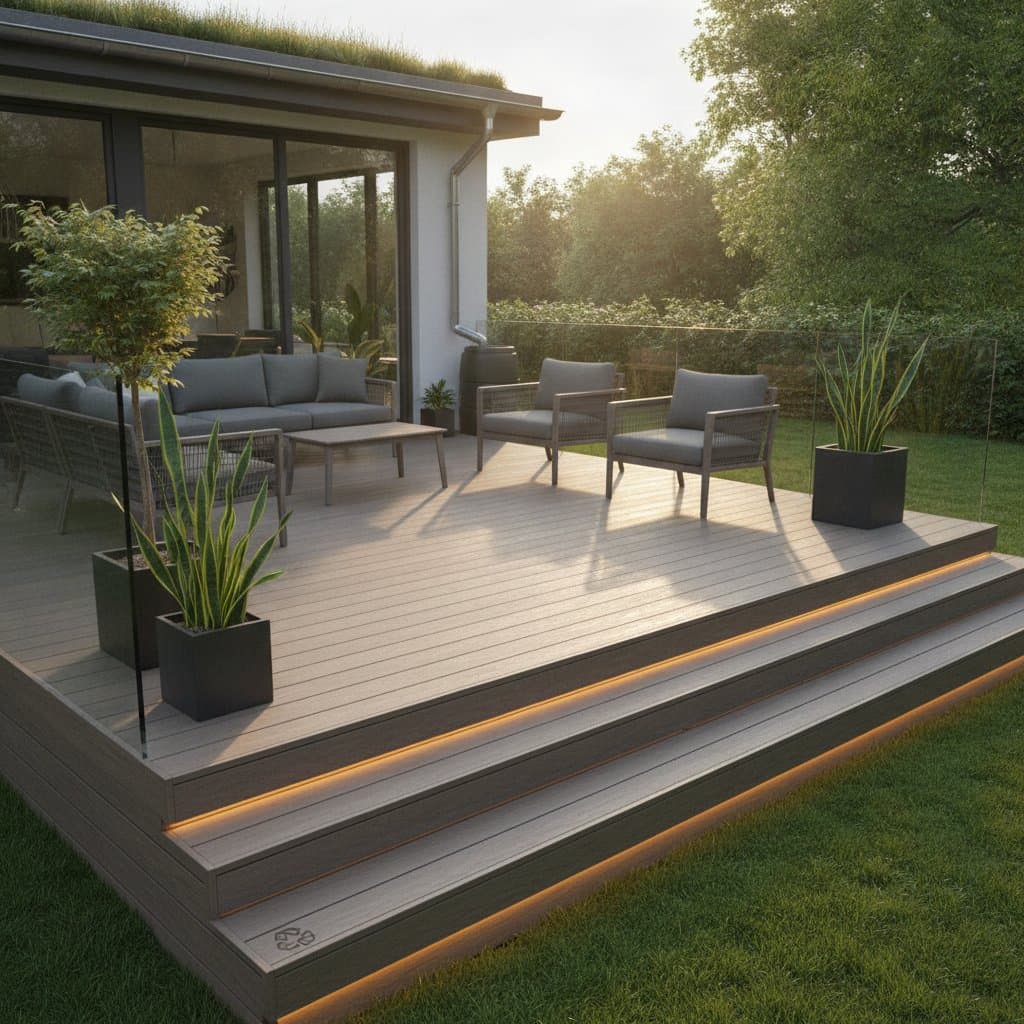
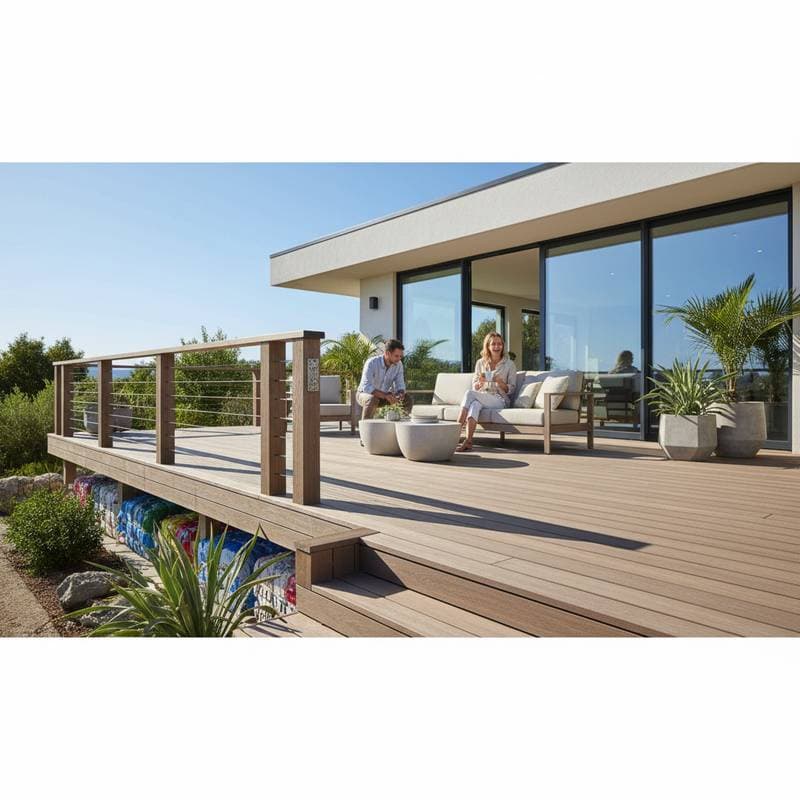
Recycled plastic lumber addresses these issues effectively. Produced from recovered plastics such as milk jugs, detergent containers, and packaging films, it converts consumer waste into a resilient building material. This substance endures weathering, moisture, and pests while mimicking wood's appearance through advanced composite engineering for prolonged service.
From extensive field experience, I have witnessed decks constructed with recycled plastic lumber maintain their condition after prolonged exposure to rain, heat, and cold. The material repels water absorption, avoiding swelling or cracking. It also counters ultraviolet rays, preserving color consistency across seasons.
Builders favor its consistency. Boards exhibit uniform dimensions and density, facilitating swift installation and minimizing on-site waste. Such attributes lead to decreased labor expenses and tidier work areas.
Strategies to Enhance Deck Sustainability
1. Select Appropriate Material Composition
Recycled plastic lumber appears in two primary types:
- High-Density Polyethylene (HDPE): Suited for home decks owing to its pliability and refined surface.
- Composite Blends (Plastic Combined with Wood Fiber): Provides a wood-resembling texture alongside greater rigidity.
In regions with extreme temperature shifts, pure HDPE excels as it accommodates expansion and contraction uniformly, preventing fractures.
2. Design Adequate Structural Support
Plastic lumber exceeds wood in weight. Verify that framing accommodates this additional load. As a green building specialist, I advise consulting a local structural engineer or qualified deck installer familiar with area codes. Optimal joist spacing averts sagging and ensures a flat surface.
3. Employ Secure Fastening Methods
Conventional nails may loosen gradually. Opt for stainless steel screws or concealed fasteners to achieve a polished look and enduring hold. Eco-focused builders increasingly choose hidden clips that permit natural board movement while securing attachments.
4. Incorporate Ventilation and Drainage
Although recycled plastic lumber repels moisture, underlying framing requires airflow. Install narrow gaps between boards and sufficient sub-deck drainage. These measures keep the framework dry and prolong the overall deck's durability.
5. Integrate Energy-Efficient Lighting
Boost eco-performance with low-voltage solar or LED options. These choices lower energy consumption and foster an inviting evening ambiance. Contemporary systems integrate seamlessly with recycled plastic lumber, allowing surface installation without surface harm.
Essential Factors for Deck Construction
Initial Costs and Long-Term Value
Recycled plastic lumber incurs 30 to 50 percent higher upfront costs than pressure-treated pine. However, it delivers rapid returns. Expect negligible maintenance over decades. Absence of staining, sealing, or board replacements yields substantial savings. A standard deck using this material avoids $500 to $1,000 in wood-related upkeep every few years.
Ecological Impacts
Opting for recycled plastic lumber averts thousands of plastic items from landfills. A 500-square-foot deck repurposes approximately 150,000 bags or bottles. This selection bolsters a circular economy, transforming waste into a viable resource.
Standards and Certifications
Most recycled plastic lumber products comply with or surpass national codes for strength and fire safety. For LEED or comparable green certifications, it qualifies for points in recycled content and low upkeep. Confirm that selected brands supply proof of recycled proportions and safety validations.
Durability and Upkeep
Consider the actual maintenance demands. Beyond periodic cleaning to clear debris or pollen, recycled plastic lumber needs little attention. It avoids splintering, rotting, or mold accumulation. A simple soap-and-water wash revives its appearance following intense use.
Case Studies in Lasting Deck Performance
A client in a coastal area endured frequent repairs from saline air damage. We rebuilt using recycled HDPE lumber and stainless steel fasteners. After five years, the deck retains its original solidity, with no warping, mildew, or color loss. This reliability instills confidence and ongoing contentment.
A builder in a mountainous zone reported comparable success amid heavy snow and freeze-thaw conditions that ruin standard decking. Recycled plastic lumber eradicated cracking and shifting problems. The deck preserved its form throughout varying weather.
Advancing Your Deck Project Sustainably
Success depends on materials that harmonize environmental efficacy with usability. Recycled plastic lumber achieves this equilibrium. It enables an attractive outdoor area with scant maintenance, while upholding eco-principles.
For a deck renovation or construction, contact a certified green building specialist via our platform for a complimentary assessment. Professionals assist with material choices, tailored designs, and code adherence. Gain expert guidance and support a more sustainable community.
Embracing recycled plastic lumber elevates your property and drives broader adoption of intelligent, earth-friendly construction. When you tread on that firm, persistent deck surface, it symbolizes advancement, accountability, and intentional craftsmanship.
Frequently Asked Questions
Q: How long does a recycled plastic lumber deck endure?
A: With correct installation and framing, these decks persist 25 to 50 years. They resist decay, fading, and pests far superior to wood, which typically needs replacement after 10 to 15 years.