Hydrogen Boilers: Seamless Replacement for Gas Heating
Hydrogen boilers represent a promising shift in residential heating technology. These systems burn hydrogen as fuel instead of natural gas, producing water vapor as the primary byproduct rather than carbon dioxide. This innovation allows homeowners to transition to cleaner energy without extensive modifications to their current setups.
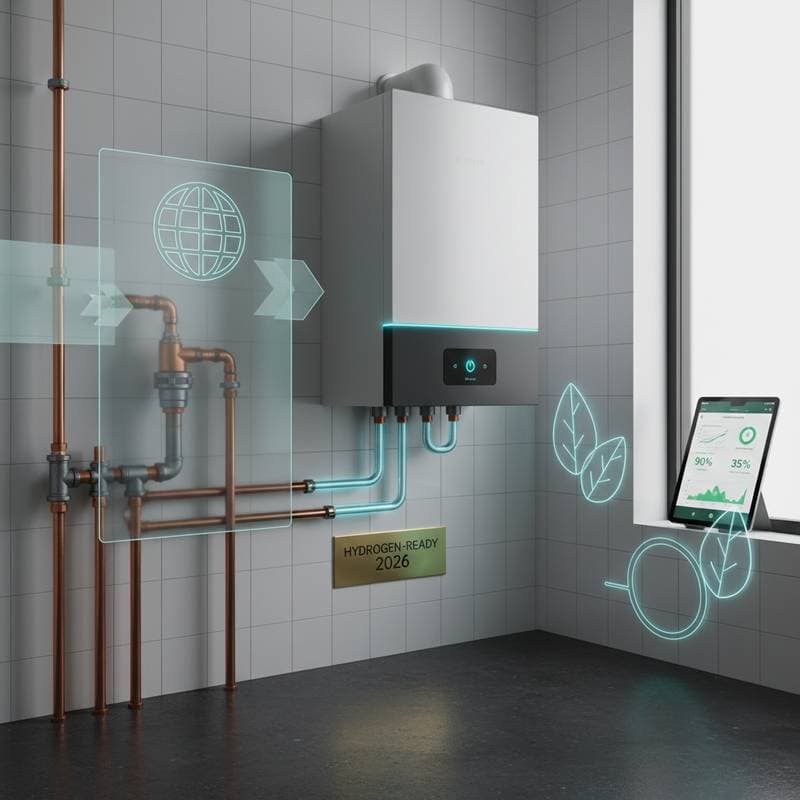
The appeal lies in their compatibility with existing pipework and radiators designed for gas. Manufacturers design hydrogen boilers to fit standard boiler spaces, minimizing disruption during installation. As global efforts accelerate toward net-zero emissions, these devices position households at the forefront of sustainable living.
Understanding Hydrogen Boilers
Hydrogen boilers operate on principles similar to traditional gas boilers, but they utilize hydrogen gas, which combusts cleanly. The process involves mixing hydrogen with oxygen from the air, generating heat for hot water and space heating. Unlike fossil fuel alternatives, this method eliminates harmful emissions at the point of use.
Development focuses on pure hydrogen models and blended options that work with existing natural gas supplies transitioning to hydrogen mixtures. Research indicates that by 2026, widespread adoption could occur in regions with supportive infrastructure. Homeowners benefit from this evolution through reduced reliance on imported fuels and enhanced energy security.
Key advantages include zero carbon emissions during operation, assuming green hydrogen production from renewable sources. Efficiency ratings often match or exceed those of gas boilers, with some models achieving over 90 percent thermal efficiency. This efficiency translates to potential savings on energy bills as hydrogen prices stabilize.
Compatibility and Installation Ease
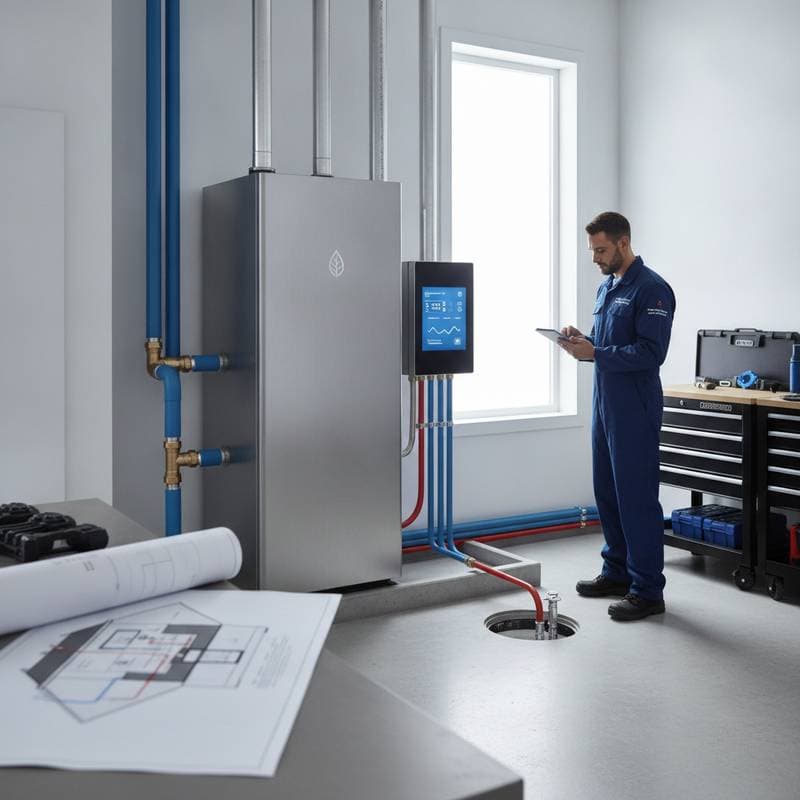
One major benefit is the lack of need for full system retrofits. Existing gas boilers can often be replaced with hydrogen-compatible units using the same flue systems and controls. Technicians perform swaps in a single day, avoiding the weeks-long disruptions associated with comprehensive renovations.
Hydrogen-ready boilers, already available from leading manufacturers, feature adjustable burners that handle both natural gas and hydrogen blends. These models require minimal adjustments, such as updating seals or valves, to prepare for full hydrogen use. Building regulations in many countries now encourage such installations through streamlined approvals.
To assess suitability, homeowners consult certified installers who evaluate pipe materials and pressure requirements. Most standard copper or steel pipes withstand hydrogen, though inspections ensure long-term integrity. This straightforward approach makes the upgrade accessible for properties built in the last few decades.
Environmental and Economic Benefits
Switching to hydrogen boilers significantly lowers a household's carbon footprint. Traditional gas heating contributes to about 15 percent of home emissions in developed nations; hydrogen eliminates this share entirely. As production scales, the environmental impact of hydrogen generation decreases, particularly with electrolysis powered by solar or wind energy.
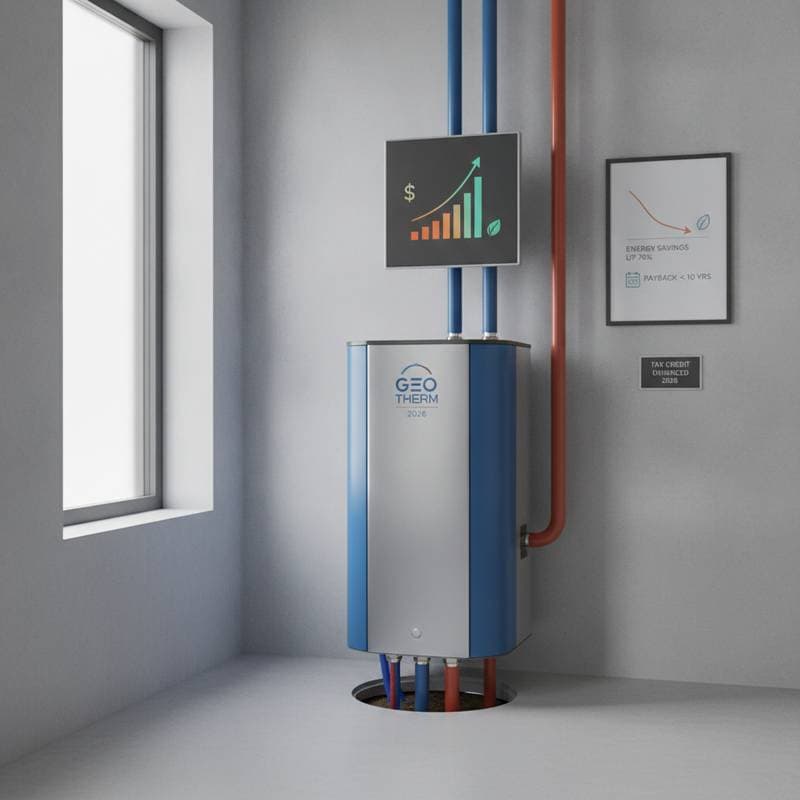
Economically, initial costs range from comparable to slightly higher than gas boiler replacements, around $5,000 to $8,000 depending on model and location. Government incentives, such as tax credits or grants, offset these expenses in participating regions. Over time, lower fuel costs and maintenance needs yield returns, with payback periods estimated at 5 to 7 years.
Broader societal gains include reduced air pollution and decreased dependence on volatile gas markets. Communities investing in hydrogen networks experience job creation in green technology sectors. Homeowners contribute to these advancements while securing predictable heating expenses.
Steps to Adopt Hydrogen Heating
Homeowners begin by researching local hydrogen infrastructure plans, available through utility providers or government portals. Identify regions targeting 20 percent hydrogen blends by 2025, which many boilers handle without modification. This preparation aligns upgrades with upcoming supply changes.
Next, select a certified hydrogen boiler from reputable brands offering warranties of 10 years or more. Prioritize models with smart controls for optimal efficiency and remote monitoring. Consult professionals for site assessments to confirm compatibility and estimate costs.
Installation follows standard procedures: shut off gas supply, remove the old unit, and connect the new boiler. Post-installation, test the system for leaks and performance. Annual servicing maintains reliability, similar to gas boiler routines.
- Review local incentives and timelines.
- Choose a compatible model.
- Schedule professional installation.
- Monitor infrastructure developments for full hydrogen transition.
Preparing for a Hydrogen-Powered Future
Adopting hydrogen boilers future-proofs homes against regulatory shifts toward low-carbon heating. As bans on new gas installations emerge in various countries, early adopters avoid rushed upgrades and benefit from premium property values. This strategic move supports personal sustainability while contributing to global climate goals.
The technology matures rapidly, with pilot programs demonstrating reliable performance in real homes. Homeowners gain peace of mind knowing their heating systems evolve with energy trends. Embrace this change to enjoy cleaner, more efficient warmth for years ahead.