Geothermal Cooling: A Superior Alternative to Traditional HVAC Systems
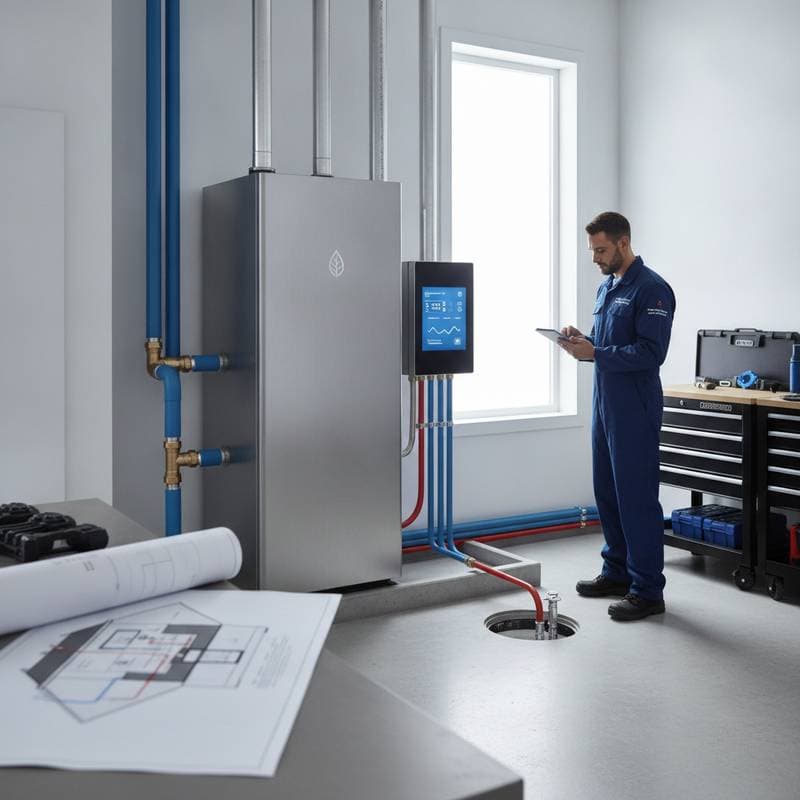
Intense summer heat often strains air conditioning units, resulting in elevated energy bills and equipment wear. Geothermal cooling presents a more effective solution. These systems leverage the constant underground temperature to provide consistent, dependable comfort, free from the noise, emissions, and upkeep expenses associated with conventional HVAC setups.
Essential Advantages
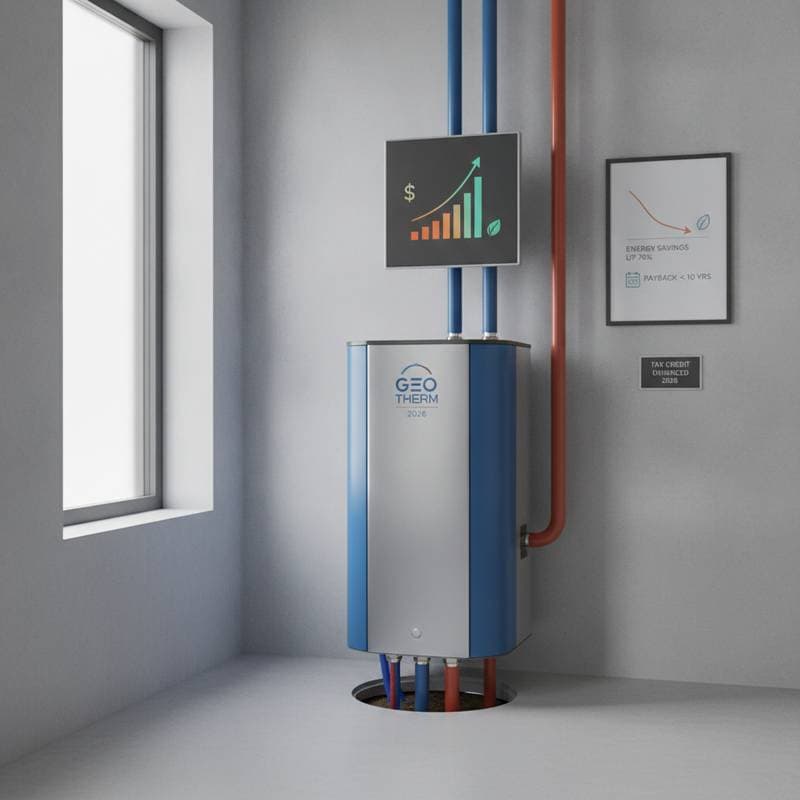
- Superior Energy Efficiency: Geothermal cooling systems achieve reductions in energy use of up to 70 percent relative to standard HVAC systems.
- Substantial Cost Reductions: Initial installation expenses exceed those of traditional options, yet property owners recoup the investment in five to ten years via decreased operational costs.
- Positive Environmental Effects: Systems draw on renewable thermal energy from the ground, which diminishes greenhouse gas emissions and dependence on fossil fuels.
- Extended Durability: Underground loops endure beyond 50 years, with indoor units typically lasting over 20 years.
- Silent Performance: Absence of an outdoor condenser ensures operation that approaches complete silence, enhancing comfort and preserving neighborhood appearance.
Direct Comparison: Geothermal Cooling Versus Traditional HVAC
A side-by-side evaluation clarifies the suitability of geothermal cooling for specific needs, particularly when contrasted with standard air conditioning.
| Feature | Geothermal Cooling | Traditional HVAC |
|---|---|---|
| Energy Efficiency | 300 percent to 500 percent efficiency rating | 80 percent to 95 percent efficiency rating |
| Operating Cost | Up to 70 percent lower | Elevated due to reliance on electricity or fuel |
| Noise Level | Nearly silent | Prominent noise from outdoor compressor |
| Maintenance Needs | Minimal | Frequent attention to filters, refrigerants, and coils |
| System Lifespan | Ground loop exceeds 50 years; unit over 20 years | Averages 10 to 15 years |
| Environmental Impact | Harnesses renewable ground energy | Depends on fossil fuels or grid electricity |
These metrics highlight clear advantages. Data from the U.S. Department of Energy indicates that geothermal systems lower household heating and cooling expenses by 25 to 50 percent. Federal tax credits and local rebates further bolster the economic viability over time.
Environmental Advantages and Long-Term Sustainability
Geothermal coolings environmental credentials provide compelling reasons for adoption. The technology transfers heat rather than producing it, which leads to significant cuts in carbon emissions.
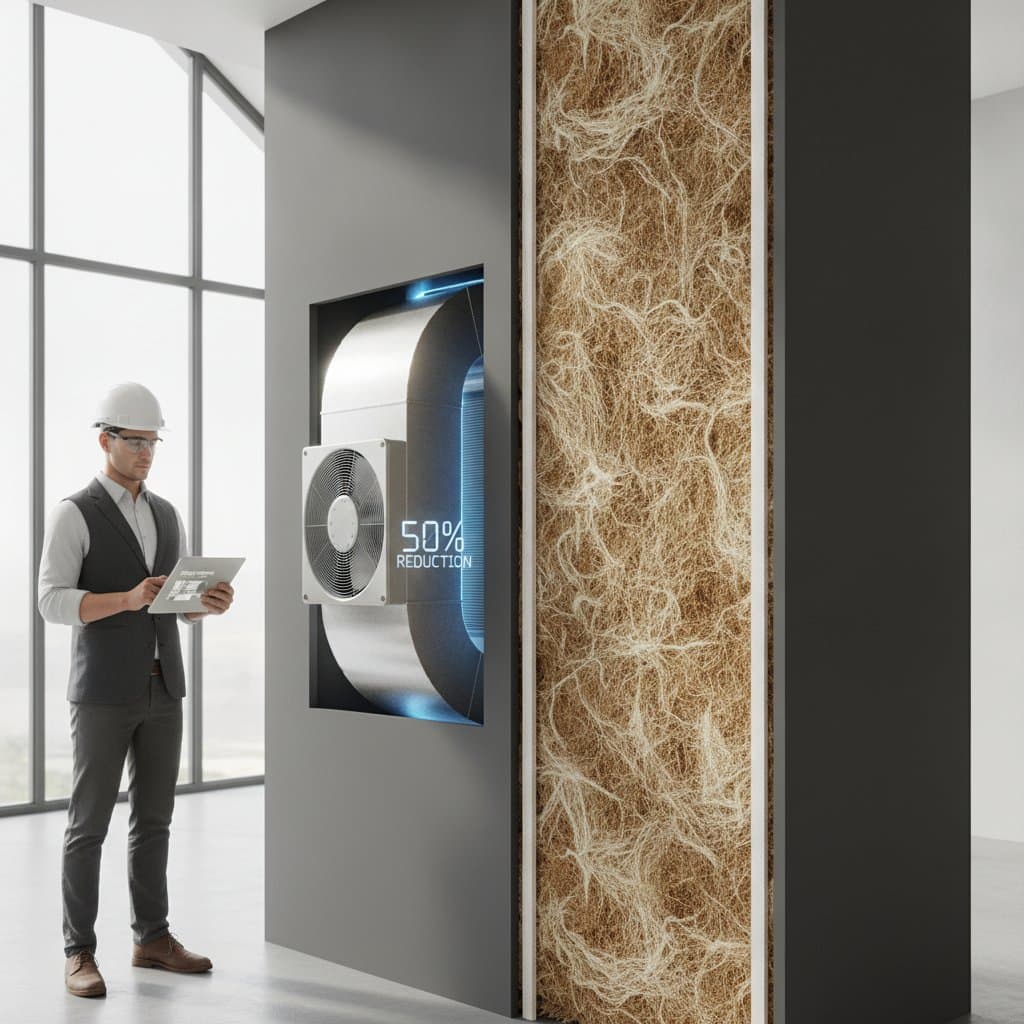
According to the Environmental Protection Agency, these systems generate up to 50 percent fewer emissions than conventional HVAC units. Such decreases prove particularly valuable in areas where power production depends on coal or natural gas.
Lowering Grid Strain
Geothermal systems tap into the earths stable thermal profile, easing pressure on electrical networks during high-demand seasons. This approach aids in avoiding power outages and supports more stable community energy pricing.
Compact Site Impact
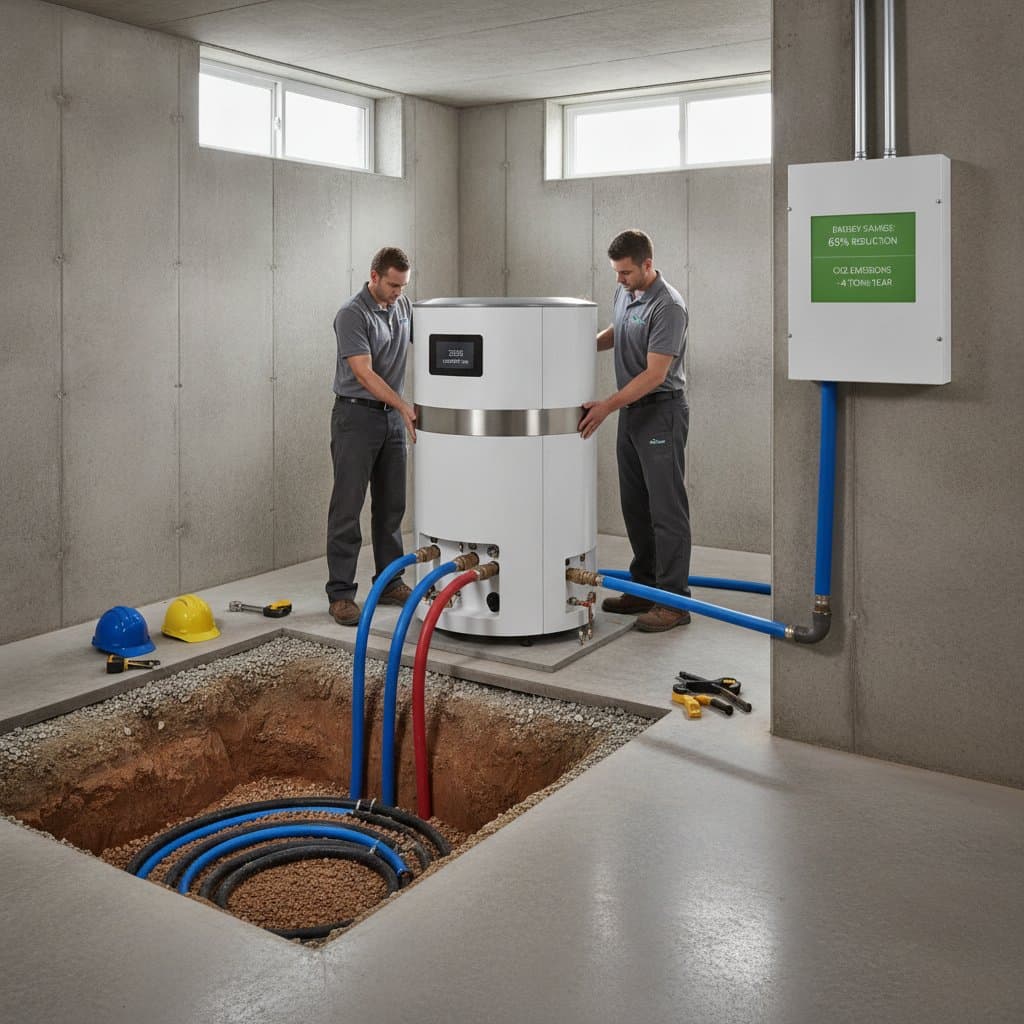
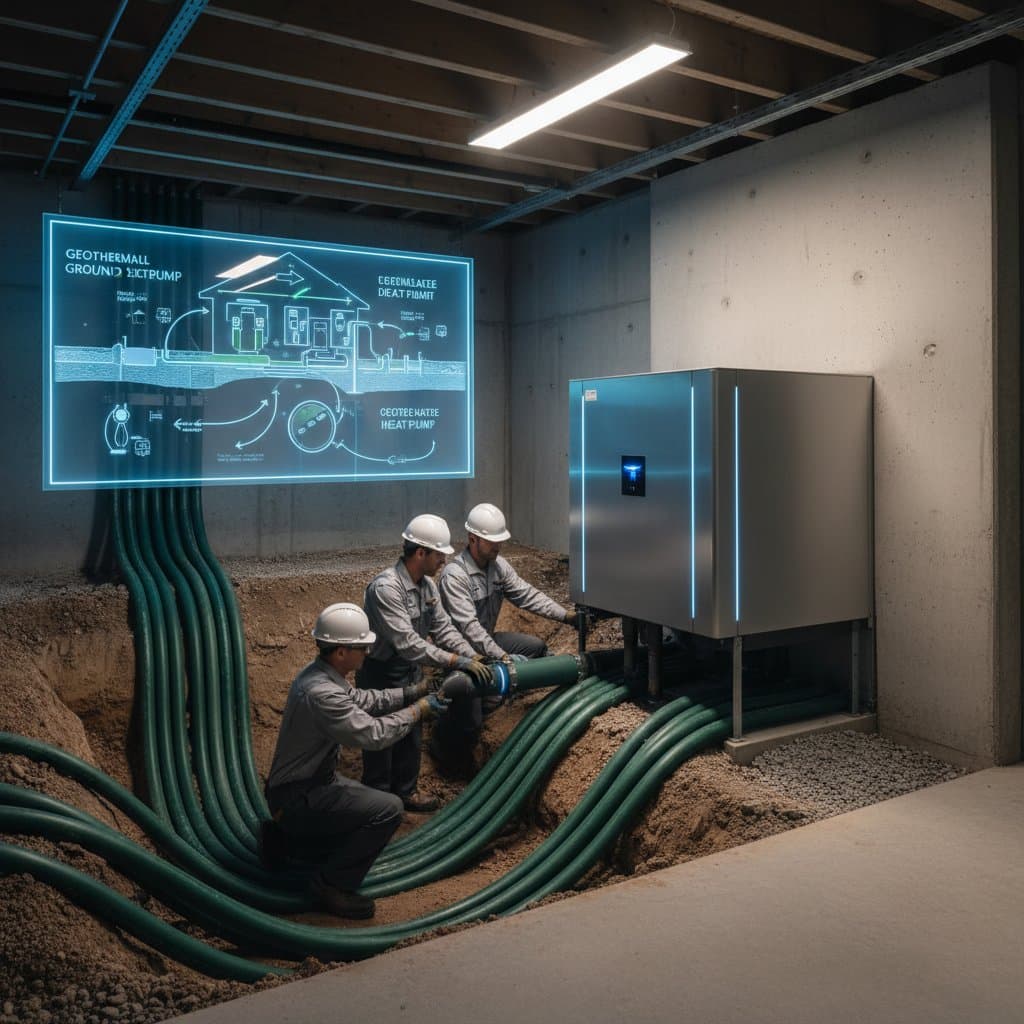
Post-installation, the buried loops cause negligible disruption to the surroundings. They demand no surface area, suiting both city lots and countryside estates. Without external fans or compressors, systems also avoid contributing to auditory pollution.
Real-World Implementations Across Property Types
Geothermal cooling extends beyond high-end or expansive installations; it adapts to diverse settings effectively.
Applications in Residences
Homeowners enjoy uniform indoor climates alongside trimmed utility statements. These systems handle both heating and cooling duties, eliminating the necessity for separate apparatuses.
Adoption in Commercial and Public Facilities
Educational institutions, corporate offices, and medical centers increasingly integrate geothermal solutions to address substantial energy requirements. Operators value the consistent expenses and enhanced indoor air standards from closed-loop designs.
Benefits for Farming and Manufacturing
Farm operations employ geothermal systems to maintain optimal conditions in greenhouses or animal enclosures. Manufacturing sites apply them for precise process cooling, which trims expenses and aligns with ecological objectives.
Addressing Frequent Doubts and Myths
Proven merits notwithstanding, geothermal cooling encounters persistent misunderstandings.
- Misconception 1: Limited to Hot Regions. Performance remains strong across climates, as operations depend on subsurface stability rather than ambient air.
- Misconception 2: Major Landscape Alteration. Skilled technicians limit site interference, allowing vegetation and terrain to restore rapidly after loop burial.
- Misconception 3: Challenging Repairs. Subsurface elements seldom require intervention due to their robustness; routine care focuses on accessible indoor parts.
- Misconception 4: Prohibitive Expense. Upfront costs surpass alternatives, but cumulative savings surpass the outlay within a decade.
Dispelling these notions empowers property owners to assess compatibility accurately.
Steps to Transition to Geothermal Cooling
Adopting geothermal cooling elevates comfort, promotes ecological responsibility, and enhances fiscal prudence. Start by arranging an on-site evaluation with a qualified geothermal specialist. The professional will analyze soil composition, site configuration, and usage patterns to customize a fitting system.
Request comprehensive estimates covering excavation, hardware, and setup fees. Contrast these figures with existing energy outlays to project return on investment. Integrating geothermal with enhancements like superior insulation or automated temperature controls accelerates financial recovery.
Installation yields immediate gains in hushed functionality, consistent climates, and reduced invoices. Over the longer term, this choice invests in planetary health and elevates asset worth. With energy sectors pivoting to sustainable sources, ground-based thermal solutions gain increasing prominence.
For those pursuing a dependable, low-effort substitute for standard HVAC, geothermal cooling emerges as the optimal path to enduring comfort and environmental harmony.