Key Points
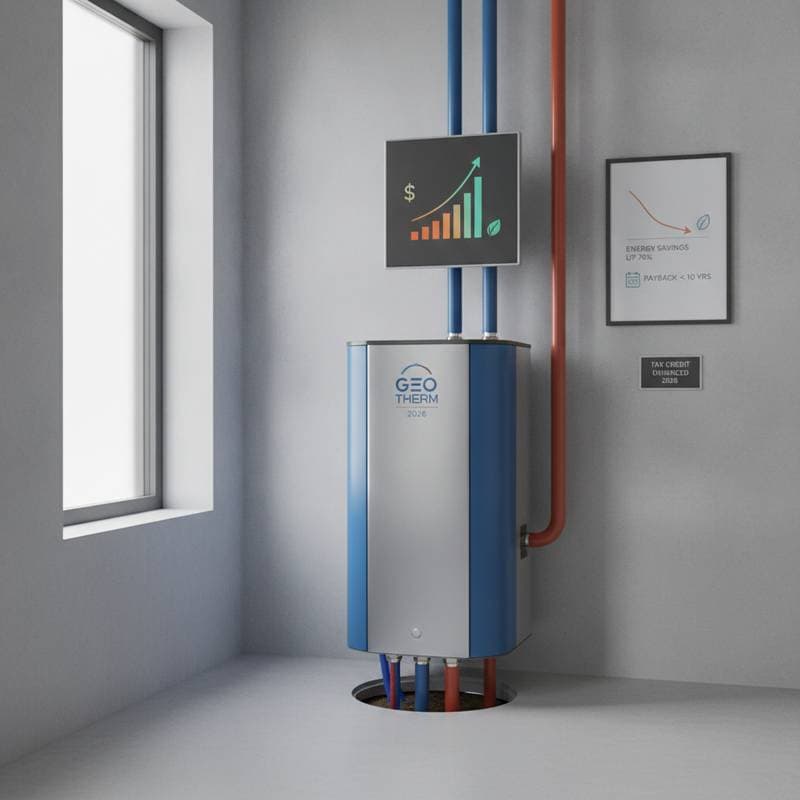
- Geothermal HVAC systems can cut heating and cooling costs by up to 70 percent compared to traditional units.
- Although installation costs are higher, the payback period often falls within 5 to 10 years.
- Ground-source systems deliver reliable comfort across all seasons with minimal maintenance.
- Homeowners can qualify for rebates, tax credits, and local incentives that reduce upfront expenses.
- Professional design and proper soil testing are essential to ensure maximum efficiency and durability.
The Smartest Home Upgrade for Energy Savings
Imagine entering a home where the air feels fresh and perfectly balanced, neither too cold in winter nor too humid in summer. Beneath the floor, a quiet network of pipes circulates energy drawn from the steady temperature of the earth. As a green building expert, I have witnessed numerous homeowners reach that pivotal moment of realization upon discovering how geothermal heating and cooling systems transform comfort and efficiency. With rising energy costs and growing climate concerns, many individuals reconsider their dependence on fossil-fueled systems, positioning geothermal technology as the premier investment for long-term savings and sustainability.
Why Energy Inefficiency Hits Harder Than You Think
If you reside in a region with intense summers or harsh winters, your HVAC system probably accounts for the majority of household energy use. Research indicates that heating and cooling represent almost half of residential utility expenses. Aging systems squander energy via leaky ducts, inadequate insulation, or inefficient fuel burning. These shortcomings not only elevate bills but also generate excess carbon emissions. While some opt for temporary solutions such as programmable thermostats or duct cleaning, the true potential emerges from adopting a system that harnesses the consistent underground temperatures.
How Geothermal HVAC Systems Work
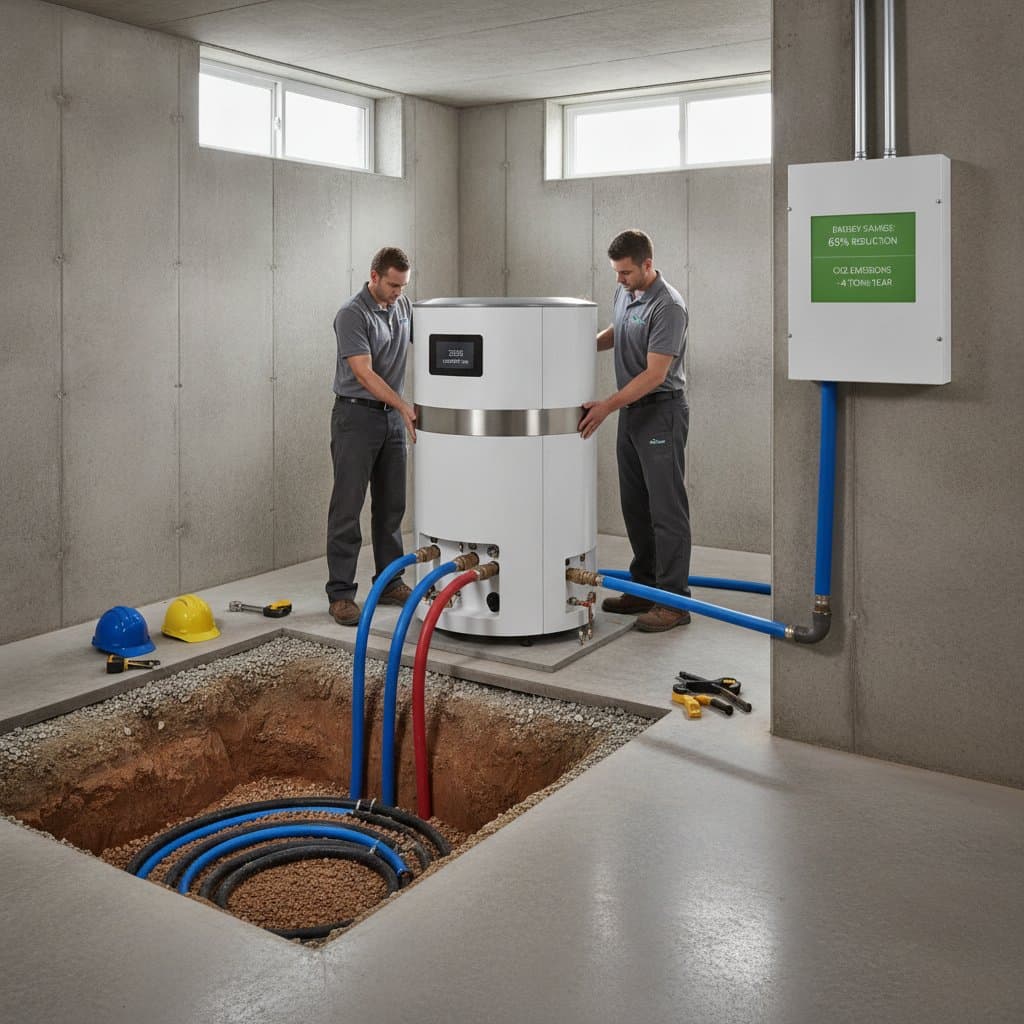
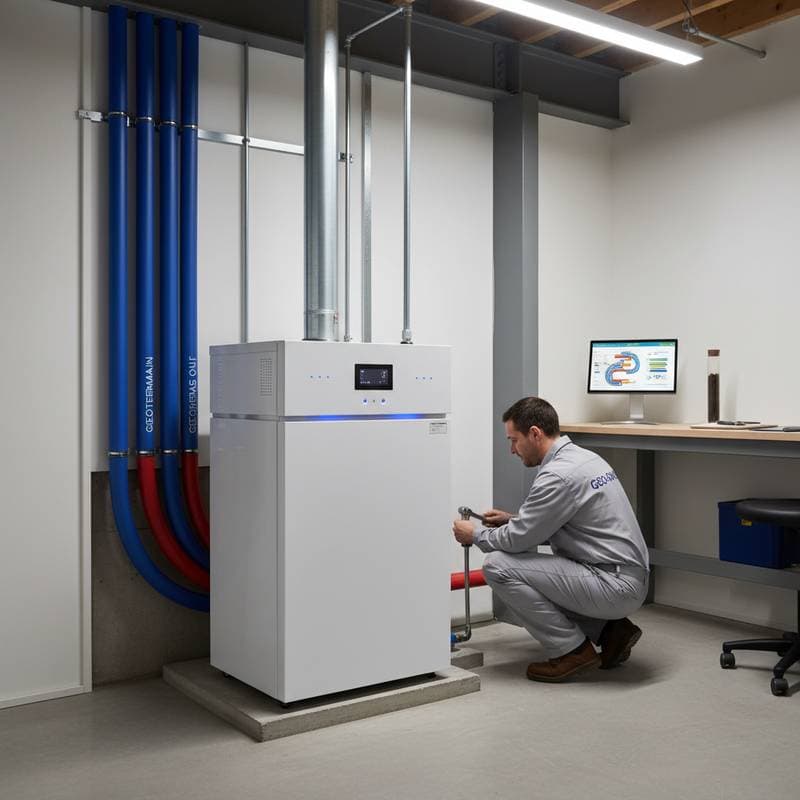
A geothermal or ground-source heat pump moves heat between the home and the earth through a buried loop of pipes containing a water-based fluid. In colder periods, the system extracts warmth from the ground and delivers it indoors. During warmer seasons, it reverses operation to discharge heat into the earth. Since the ground sustains a uniform temperature throughout the year, the system functions with exceptional efficiency, typically producing three to four units of energy output for each unit of electricity input.
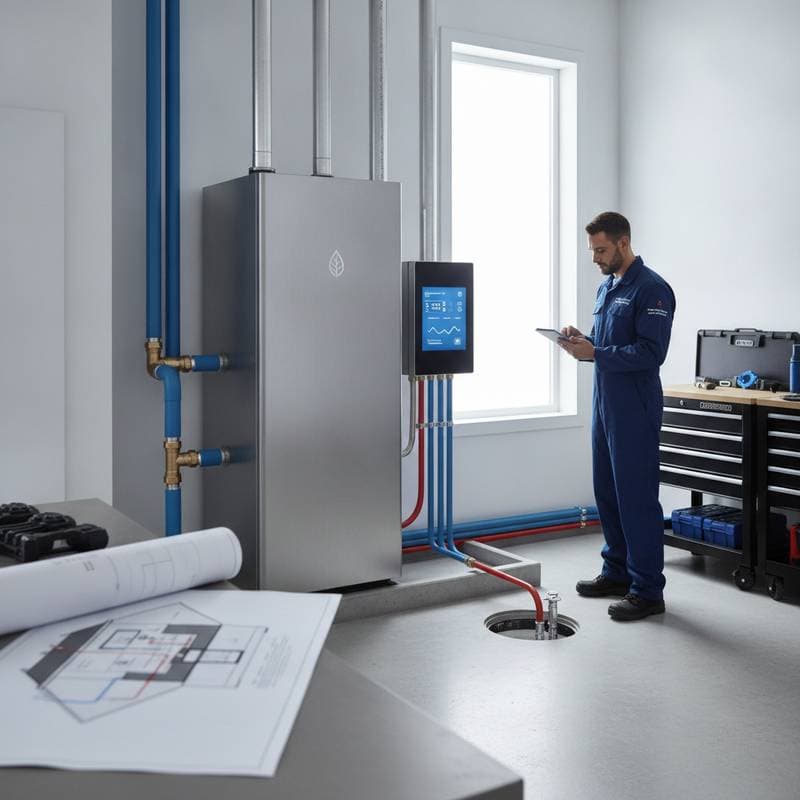
From extensive field experience, I observe that success hinges on meticulous design and installation. An appropriately sized loop field paired with a skilled contractor distinguishes moderate savings from substantial performance improvements.
Expert Strategies for Maximizing Geothermal Benefits
1. Start with a Comprehensive Energy Audit
Prior to geothermal installation, arrange a professional home energy audit. This process uncovers insulation deficiencies, air leaks, and ventilation issues that could compromise system effectiveness. Addressing these elements first enables the geothermal setup to perform at optimal levels.
2. Choose the Right Loop Configuration
Property characteristics determine the suitable loop type:
- Horizontal loops: Best for expansive yards offering sufficient space and moderate soil depth.
- Vertical loops: Appropriate for compact lots or rocky areas where drilling proves feasible.
- Pond or lake loops: Economical when a nearby water body exists.
Each option influences both installation expenses and ongoing efficiency. Engage a certified geothermal designer to assess soil composition, water table depth, and site availability.
3. Pair with Smart Controls and Renewable Power
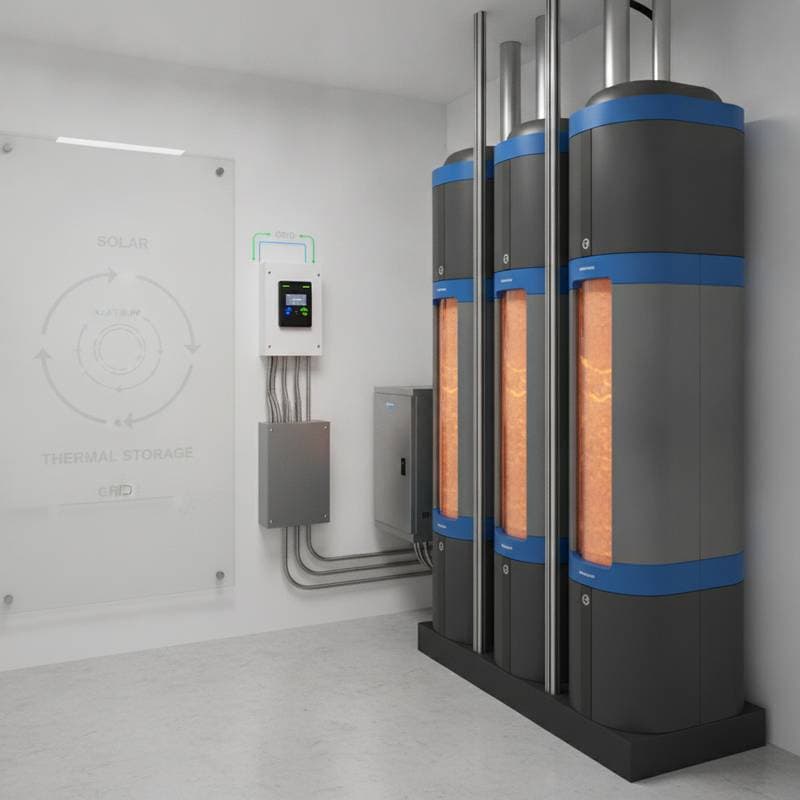
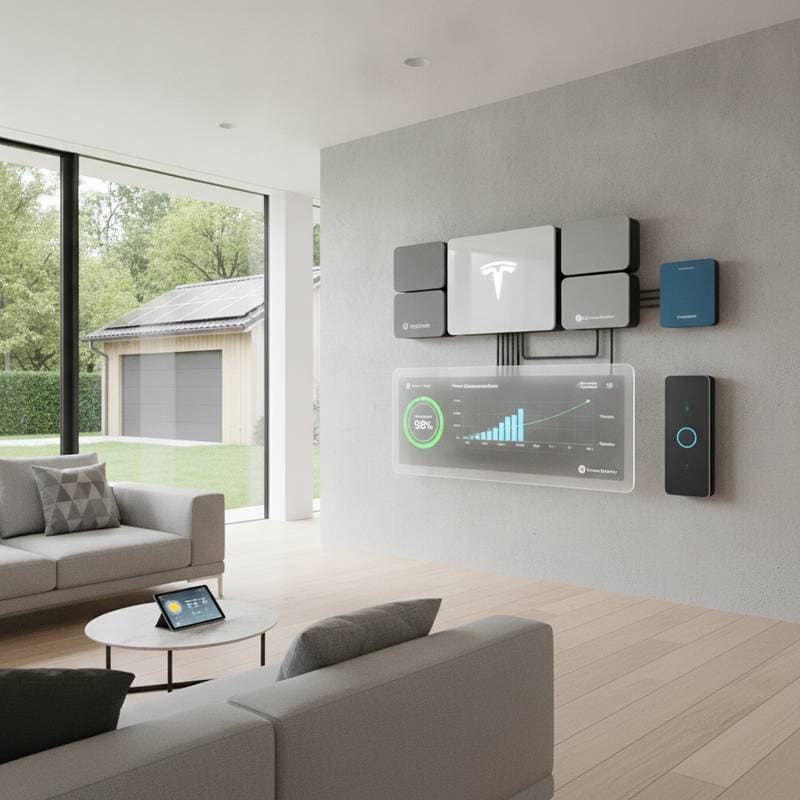
Integrate a smart thermostat to adjust temperatures precisely and enhance energy management. For greater sustainability, couple the geothermal system with rooftop solar panels. Such a combined approach approaches net-zero energy use for the home.
4. Follow Regular Maintenance Practices
Geothermal systems demand little routine care, yet scheduled inspections promote durability. Replace air filters every few months, monitor loop pressure yearly, and arrange expert servicing biennially or triennially. With proper upkeep, indoor components endure beyond two decades, while underground loops persist for over fifty years.
Realistic Cost and Savings Outlook
Expect installation expenses between $15,000 and $35,000, varying by property scale, loop design, and soil properties. Though initial outlay appears significant, savings up to 70 percent recoup costs in a few years. Numerous areas provide tax credits or rebates slashing upfront fees by thousands. Considering lower maintenance needs and extended service life, geothermal options surpass traditional HVAC in overall value.
As a green building expert, I advise viewing geothermal enhancements as strategic investments. They elevate property worth, secure energy expenses, and support community climate objectives.
Staying Compliant and Safe
Secure local permits for all geothermal projects. Confirm adherence to zoning limits, drilling codes, and groundwater safeguards. Select licensed contractors aligned with International Ground Source Heat Pump Association standards. Steer clear of amateur drilling or loop placement, which risks environmental damage or reduced system performance.
Making It Happen
Locate a reliable installer familiar with regional soil traits and your comfort priorities. Contact a qualified green building specialist through our platform for a complimentary quote. Inquire about soil analysis, load assessments, and financing possibilities.
Once operational, the geothermal system delivers consistent, renewable comfort that impacts not just indoor conditions but also monthly statements. This choice yields returns through enhanced living quality, environmental responsibility, and lasting assurance.
Frequently Asked Questions
Q: How long does a geothermal HVAC installation take?
A: Projects typically span two to four weeks, influenced by site specifics and drilling demands. Expansive systems or vertical loops extend timelines owing to greater soil penetration.