Understanding Grid-Interactive Homes
Grid-interactive homes integrate renewable energy sources with the utility grid to enable two-way energy flow. These systems allow households to generate, store, and distribute power dynamically. Homeowners gain control over their energy use while contributing to broader grid stability.
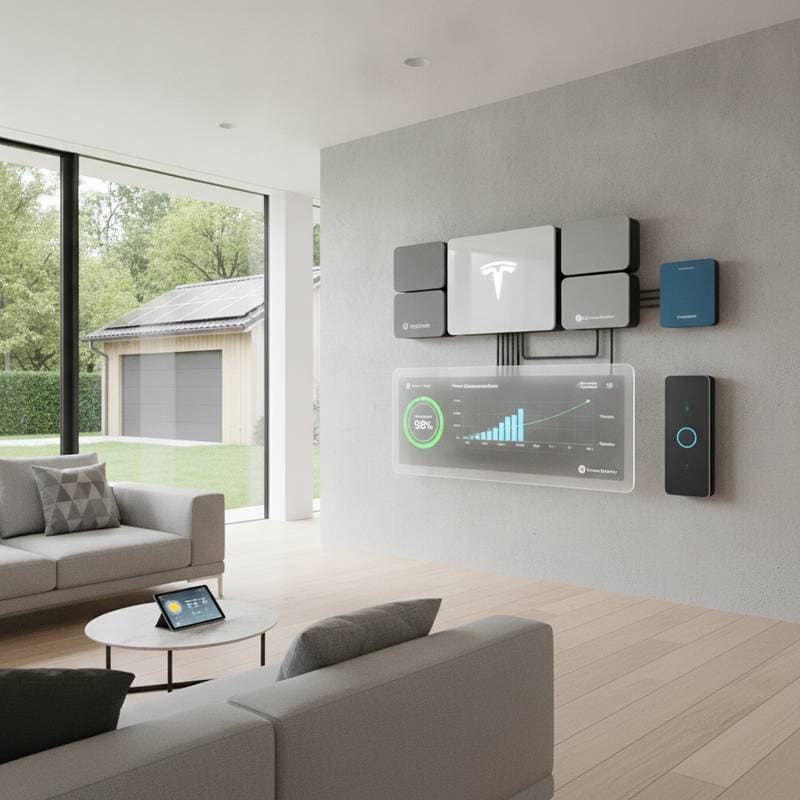
At the core of this setup lies solar photovoltaic panels that capture sunlight and convert it into electricity. Excess production charges home batteries for later use or peak-demand periods. Smart inverters manage the flow, ensuring seamless interaction with the grid.
This technology shifts homes from passive consumers to active producers. Utilities benefit from distributed energy resources that balance supply during high-demand times. For individuals, the result includes lower utility bills and potential revenue streams.
Key Benefits of Adopting Grid-Interactive Systems
One primary advantage involves cost savings through optimized energy management. During off-peak hours, stored solar power powers the home, avoiding expensive grid rates. Dynamic pricing models from utilities further amplify these savings.
Environmental impact stands out as another benefit. By maximizing solar utilization and minimizing fossil fuel reliance, these homes reduce carbon footprints. Communities see collective gains as more participants ease pressure on traditional power plants.
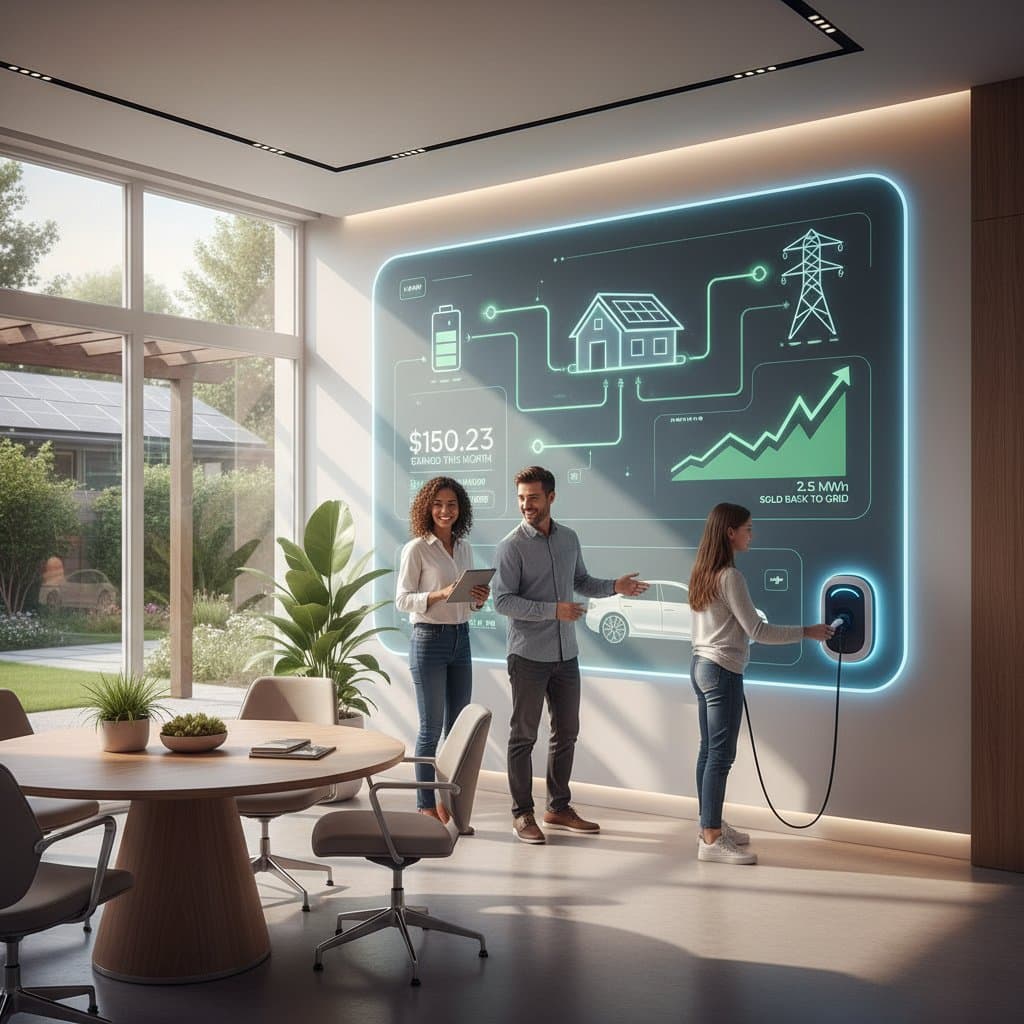
Financial opportunities emerge through energy sales. Programs like net metering credit excess power returned to the grid at retail rates. Advanced setups enable participation in demand-response initiatives, where utilities pay for load reduction during peaks.
Resilience enhances daily life with backup capabilities. Battery systems provide power during outages, maintaining essential functions. Integration with electric vehicles extends this reliability, turning transportation assets into energy reserves.
How Grid-Interactive Homes Operate
Solar panels form the foundation by generating direct current electricity from sunlight. Inverters convert this to alternating current compatible with home appliances and the grid. Monitoring software tracks production in real time.
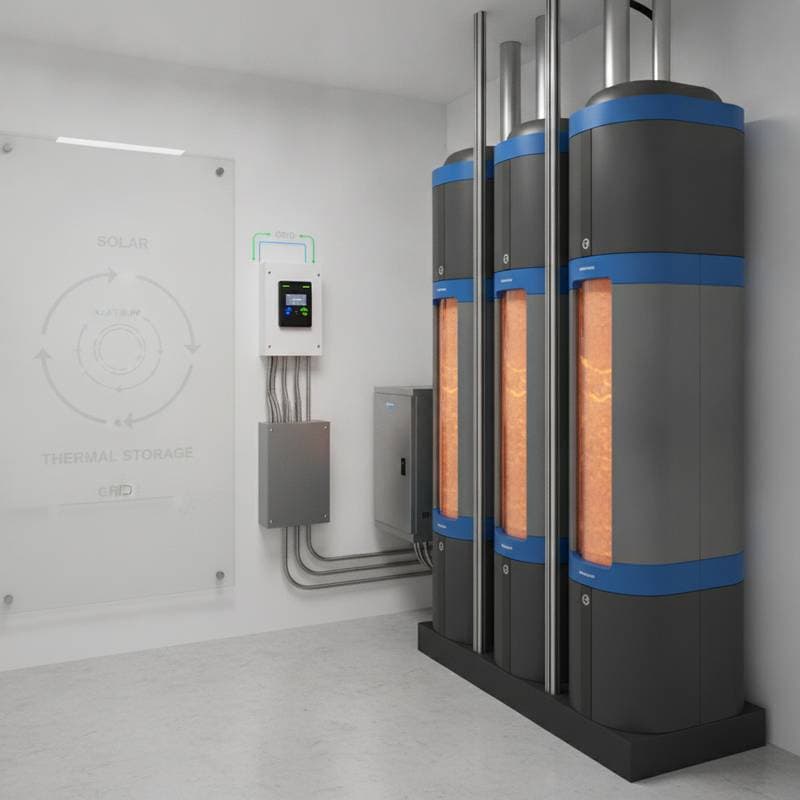
Battery storage captures surplus energy for evening or cloudy-day use. Lithium-ion units, common in residential setups, offer high efficiency and longevity. Capacity sizing depends on household needs, typically ranging from 10 to 20 kilowatt-hours.
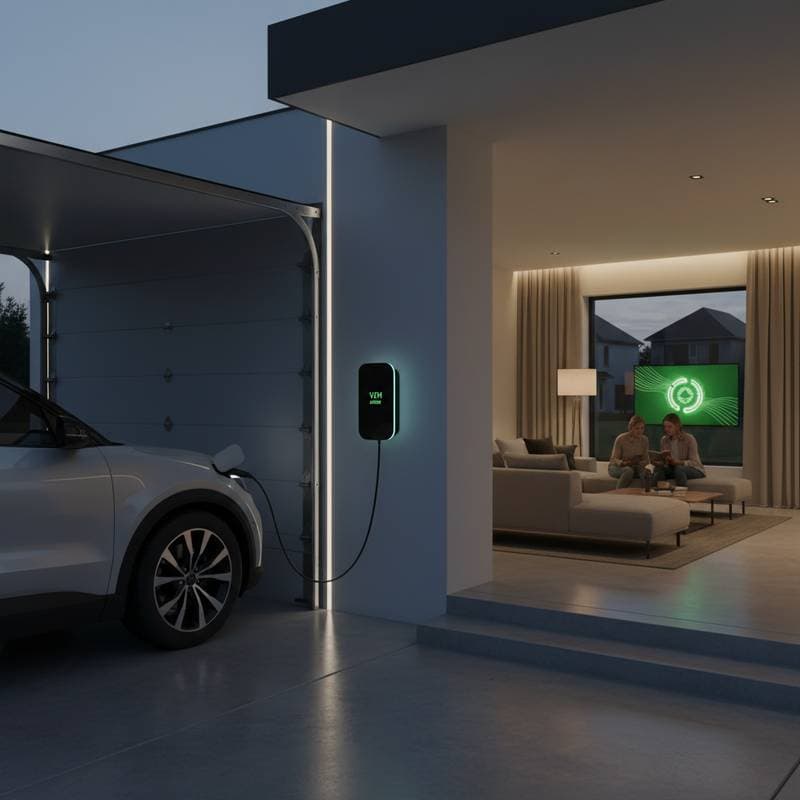
Vehicle-to-grid (V2G) technology connects electric vehicles to the system. EVs act as mobile batteries, discharging power back to the home or grid when beneficial. This bidirectional flow requires compatible chargers and utility approval.
Smart home platforms orchestrate all components. Applications allow users to set preferences, such as prioritizing bill reduction or income generation. Automation adjusts based on weather forecasts, energy prices, and grid signals.
Steps to Implement a Grid-Interactive Home
Evaluate your current setup to identify integration points. Assess roof space for solar panels and electrical panel capacity for upgrades. Consult local installers for site-specific feasibility studies.
Select compatible equipment tailored to your goals. Choose inverters certified for grid interaction by standards like UL 1741. Pair with batteries from reputable brands ensuring warranty coverage exceeds 10 years.
-
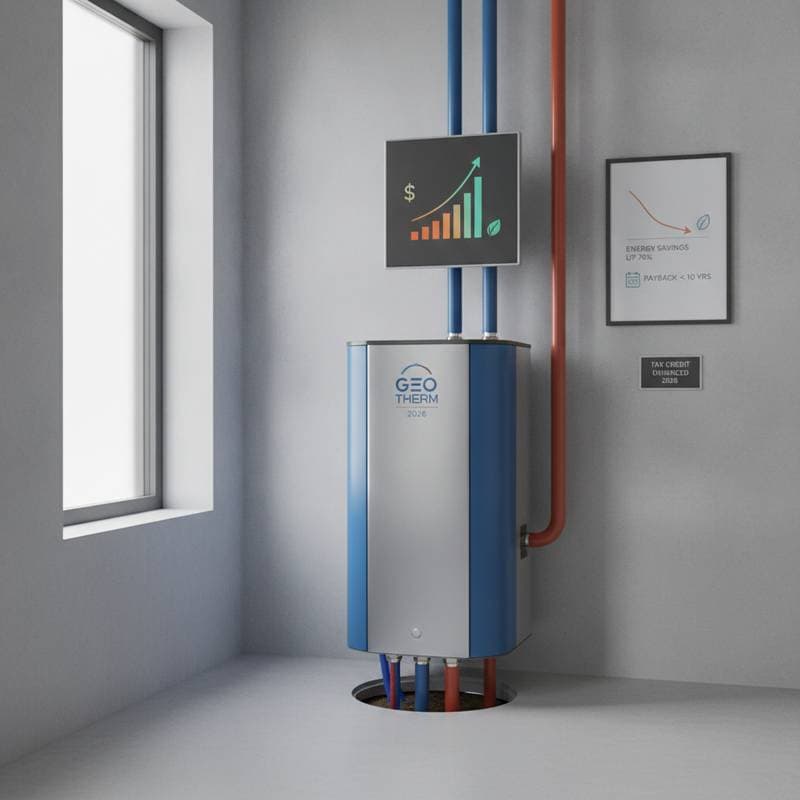
Research Local Incentives: Investigate rebates, tax credits, and net metering policies in your area. Federal programs often cover 30 percent of installation costs, while states offer additional solar renewable energy certificates.
-
Plan System Sizing: Calculate annual energy needs using utility bills. Aim for a solar array producing 100 to 150 percent of consumption to account for storage inefficiencies and sales opportunities.
-
Ensure Technology Compatibility: Verify that solar systems, batteries, and electric vehicles support V2G functionality. Check manufacturer specifications for interoperability standards like ISO 15118 for EV communication.
-
Navigate Permitting and Interconnection: Submit plans to local authorities for approvals. Utilities require interconnection agreements outlining safety protocols and metering upgrades. Expect a process lasting 4 to 8 weeks.
-
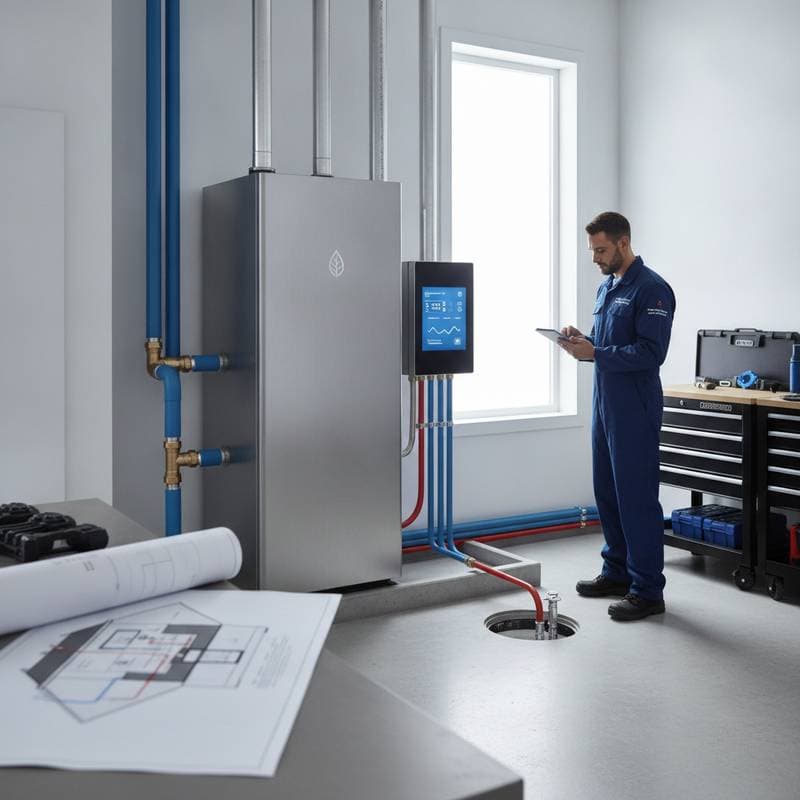
Install and Test: Hire certified professionals for deployment. Post-installation, conduct thorough testing to confirm bidirectional flow and software integration. Monitor performance for the first month to fine-tune settings.
Budget considerations include initial costs of $20,000 to $40,000 before incentives. Financing options like solar loans or leases make entry accessible. Payback periods typically range from 5 to 8 years through savings and earnings.
Addressing Common Challenges
Upfront investment poses a barrier for some households. Financing solutions and incentives mitigate this, but thorough cost-benefit analysis remains essential. Long-term returns justify the outlay for most.
Regulatory hurdles vary by region. Some areas lag in supportive policies, delaying adoption. Stay informed through utility updates and advocate for progressive energy laws locally.
Market fluctuations affect profitability. Energy buyback rates depend on regional supply and demand dynamics. Deploy smart software to predict and optimize export times, targeting high-value periods.
Maintenance ensures system longevity. Annual inspections check panel cleanliness and battery health. Software updates keep controls current with evolving grid standards.
Industry experts anticipate declining equipment costs as production scales. By 2026, prices could drop 20 to 30 percent, broadening access. Utilities plan to simplify interconnections, fostering wider participation.
Opportunities in the Evolving Energy Landscape
As adoption grows, grid-interactive homes influence utility strategies. Dynamic pricing becomes standard, rewarding flexible consumers. Aggregators emerge to pool small producers for wholesale market access.
Vehicle-to-grid integration accelerates with EV proliferation. By 2030, millions of compatible vehicles could stabilize grids nationwide. Homeowners tap into ancillary services, earning from frequency regulation.
Sustainability drives policy support. Governments prioritize renewables to meet climate goals, expanding incentives. Communities form microgrids, enhancing local resilience against disruptions.
Turning Your Home into an Energy Asset
Grid-interactive homes redefine energy roles for individuals. Generate power, store it wisely, and sell strategically to build financial security. This approach aligns personal benefits with planetary health.
Start small with solar and storage, then scale to V2G. Track progress through apps showing savings and earnings. Join the shift toward decentralized energy for a resilient future.
Your household holds untapped potential. Embrace these technologies to lower costs, earn income, and support clean energy transitions. The infrastructure exists; action unlocks the rewards.