Key Points
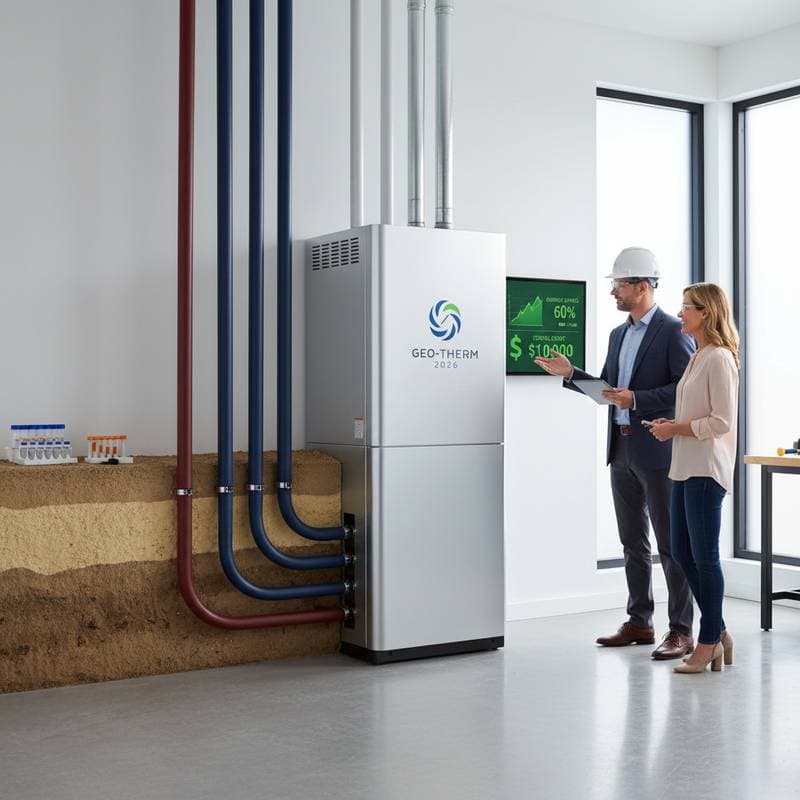
- Homeowners achieve reductions in heating and cooling costs of up to 60 percent through geothermal HVAC systems.
- Federal tax credits offset thousands of dollars in initial installation expenses, resulting in payback periods that surpass those of many solar installations.
- Thorough planning, including soil testing and precise system sizing, ensures optimal performance and maximizes return on investment.
- Geothermal systems endure for decades beyond traditional units, providing enduring environmental and financial benefits.
Rethinking Comfort: The Ground Beneath Your Feet
Imagine a residence where energy expenses decrease substantially, heating and cooling remain uniform, and the environmental impact diminishes over time. This scenario resembles an advanced vision, yet geothermal HVAC systems deliver it to numerous homeowners today.
The principle operates on a straightforward basis. Several feet underground, the earth sustains a constant temperature throughout the year. A geothermal heat pump utilizes this stability by extracting heat from the ground in winter and dispersing excess heat in summer. Rather than generating heat through fuel combustion, the system transfers heat, achieving superior efficiency. Consider it nature's inherent mechanism for maintaining equilibrium, independent of manual adjustments.
Why Geothermal Matters for Your Wallet and the Planet
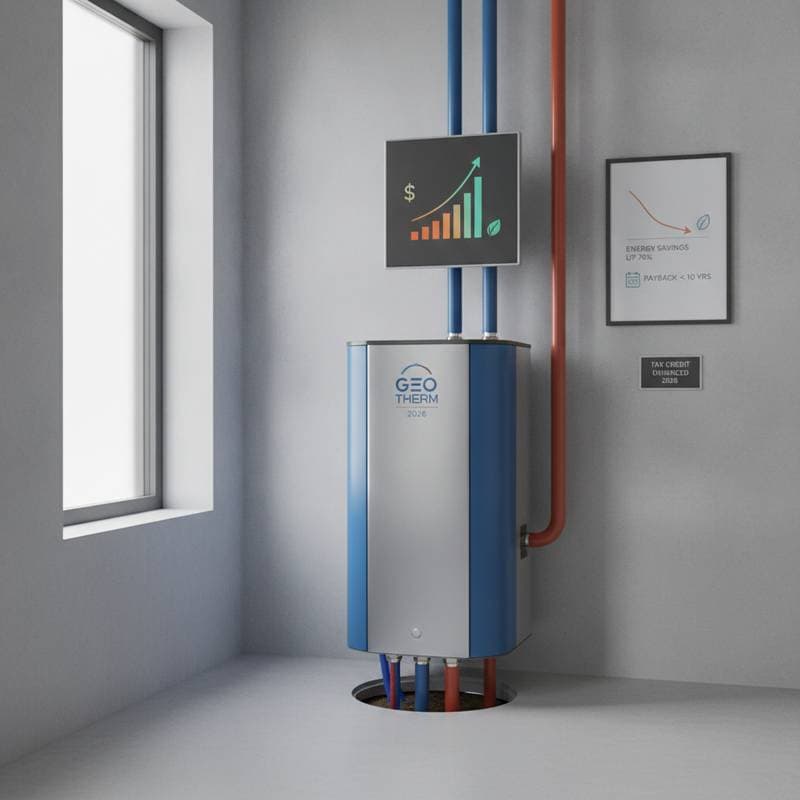
Rising energy prices burden households, with conventional HVAC systems accounting for almost half of total energy consumption. Geothermal alternatives reduce this burden by up to 60 percent. Although upfront installation demands a greater investment, federal incentives and sustained savings typically justify the expenditure.
Qualifying systems qualify for tax credits of up to $10,000. When paired with diminished monthly utilities and minimal upkeep, the return on investment materializes within five to ten years. Thereafter, benefits accumulate steadily.
Environmentally, these systems curtail carbon emissions significantly. They employ electricity for heat transfer rather than fossil fuels for production, eliminating on-site combustion. Across the system's operational life, this approach prevents the release of tens of thousands of pounds of emissions.
Key Considerations for Planning
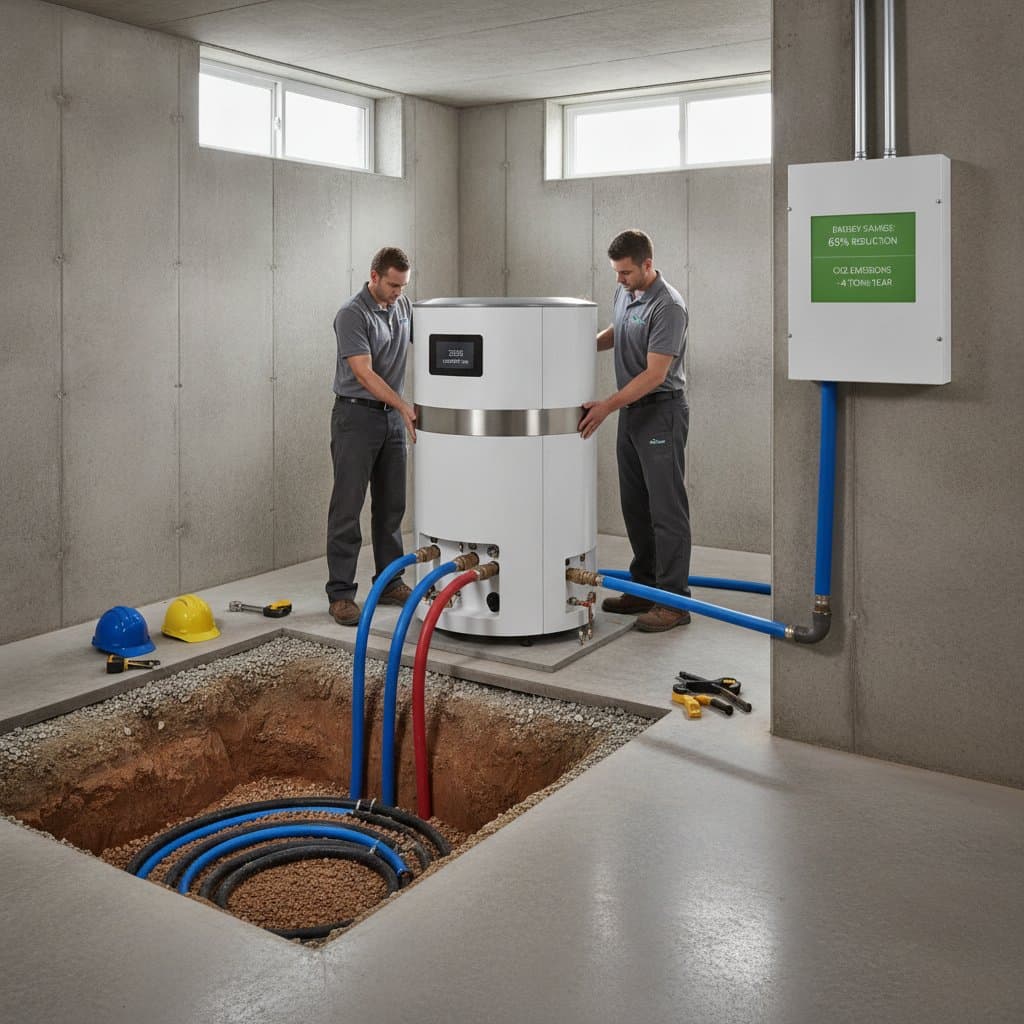
Geothermal HVAC installation demands meticulous preparation, encompassing design, soil evaluation, and collaboration among mechanical, electrical, and excavation specialists. Prior to proceeding, evaluate these elements:
-
Property Size and Soil Conditions:
Expansive properties with favorable soil enable horizontal loop configurations. Compact sites benefit from vertical loops bored into deeper earth layers. -
Existing Ductwork:
Numerous residences adapt current ducts with limited alterations. Legacy systems occasionally require adjustments to accommodate the subdued temperature variations from geothermal operation. -
Groundwater Availability:
Certain regions support open-loop designs that utilize well water directly, subject to local regulations. -
Installation Team Expertise:
Engage certified professionals versed in regional codes and International Ground Source Heat Pump Association standards. Accurate design and commissioning guarantee efficiency and reliability.
Cost Breakdown and ROI Analysis
Installation expenses for geothermal systems generally span $20,000 to $40,000, influenced by capacity, soil characteristics, and excavation demands. Horizontal loops prove more economical on spacious sites, whereas vertical options suit constrained areas despite higher drilling costs.
Such figures warrant scrutiny, yet financial projections reveal equilibrium. Examine the components:
- Energy Savings: Utility reductions of 40 to 60 percent relative to standard HVAC.
- Tax Credits: Coverage of up to 30 percent of costs, often surpassing $10,000.
- System Longevity: Subsurface loops endure 50 years or beyond, with heat pumps functioning effectively for 25 years minimum.
- Maintenance: Simplified components reduce failures and extend service cycles.
These elements position investment recovery prior to the system's halfway mark for most owners.
Design and Layout Insights
Geothermal configurations vary to align with site specifics:
- Horizontal Loops: Optimal for abundant land. Pipes extend through shallow trenches, minimizing costs in open areas.
- Vertical Loops: Suited to limited spaces or dense neighborhoods. Boreholes reach depths for temperature consistency without surface disruption.
- Pond or Lake Loops: Viable near water sources, offering economical and effective heat exchange.
- Open-Loop Systems: Rely on groundwater extraction, necessitating plentiful, uncontaminated supplies and permits.
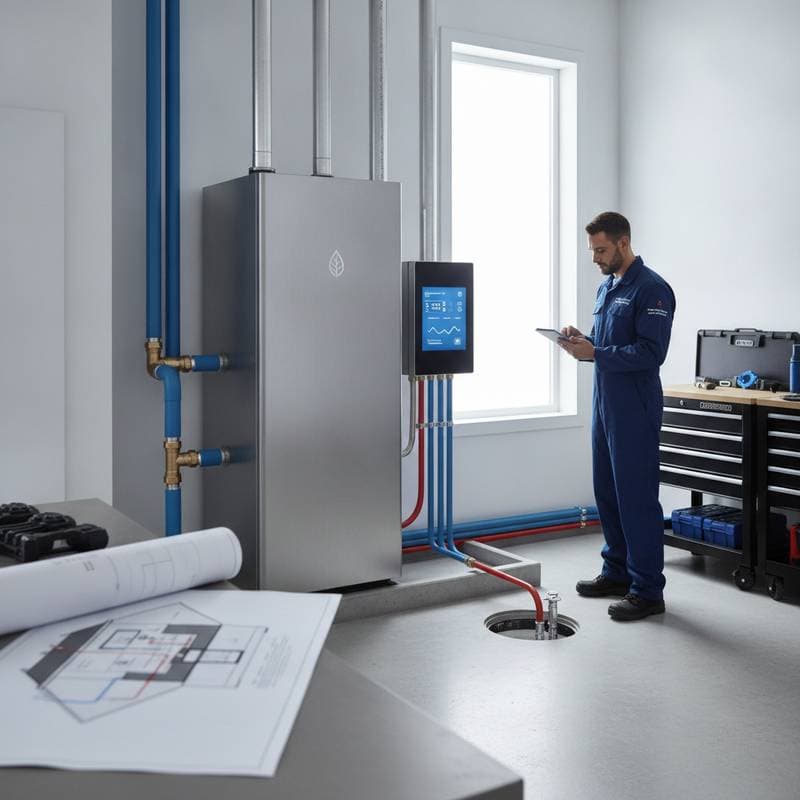
Design commences with load assessments tailored to the structure's thermal needs. Excess capacity squanders resources, while insufficient sizing compromises comfort. Experts apply modeling software and conductivity analyses to achieve precision.
Sustainable Features and Efficiency Gains
Geothermal technology extends beyond energy conservation, elevating indoor quality and ecological alignment:
- Consistent Temperatures: Mitigates uneven heating or cooling prevalent in air-based systems.
- Quieter Operation: Indoor or buried components suppress operational sounds.
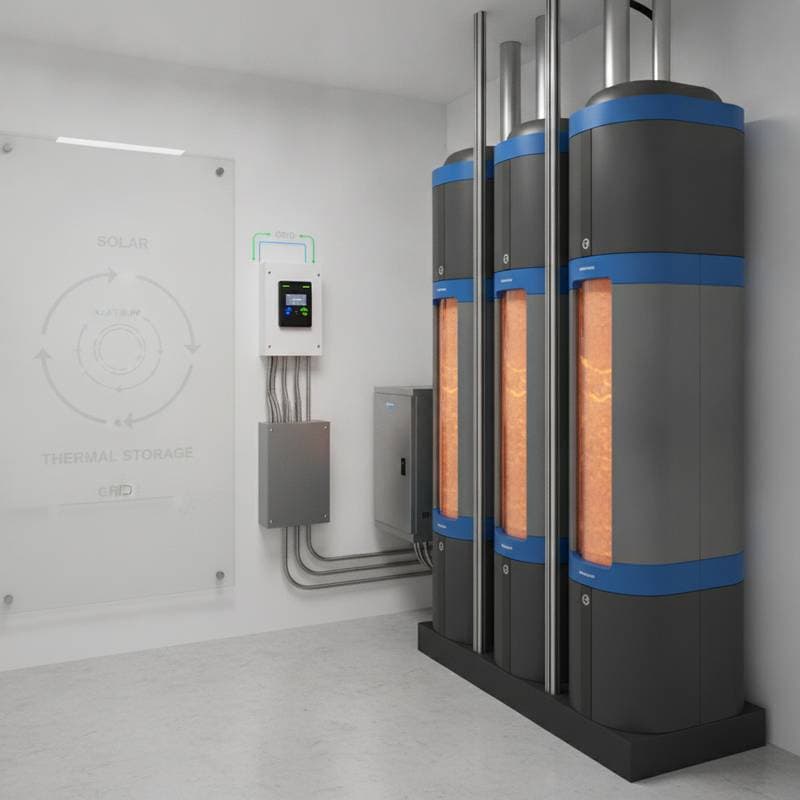
- Renewable Energy Integration: Complements solar arrays or storage solutions for approaching zero-energy outcomes.
- Improved Air Quality: Absence of burning processes eliminates monoxide risks and pollutants.
For those pursuing durability, geothermal represents a robust choice. It fosters energy autonomy and elevates real estate appeal amid growing emphasis on green features.
Frequently Asked Questions
How much land do I need for a geothermal system?
Horizontal setups demand a quarter to half acre, whereas vertical designs accommodate virtually any parcel.
Can I retrofit an existing home?
Yes, retrofitting applies to most properties. Primary hurdles involve duct modifications and indoor unit placement.
Will it work in colder climates?
Yes, performance remains strong below frost levels, where ground temperatures stabilize.
How often should the system be serviced?
Annual inspections suffice. Replace filters routinely and verify loop fluid pressure and composition.
Steps to Secure Your Geothermal Investment
Transitioning to geothermal begins with a professional energy audit to confirm suitability. Solicit bids from IGSHPA-accredited contractors, prioritizing those with proven local projects. Secure financing through incentives and explore rebates from utilities. Upon installation, monitor performance via smart thermostats to optimize savings. This pathway delivers decades of reliable, cost-effective comfort while advancing planetary sustainability.