Geothermal HVAC: Efficient Comfort and Substantial Savings by 2026
Summer temperatures strain traditional air conditioners, driving up energy expenses. Geothermal HVAC systems address this challenge by drawing on the earth's steady underground temperatures for heating and cooling. Homeowners who prioritize long-term efficiency find these systems provide a reliable path to reduced costs and enhanced comfort.
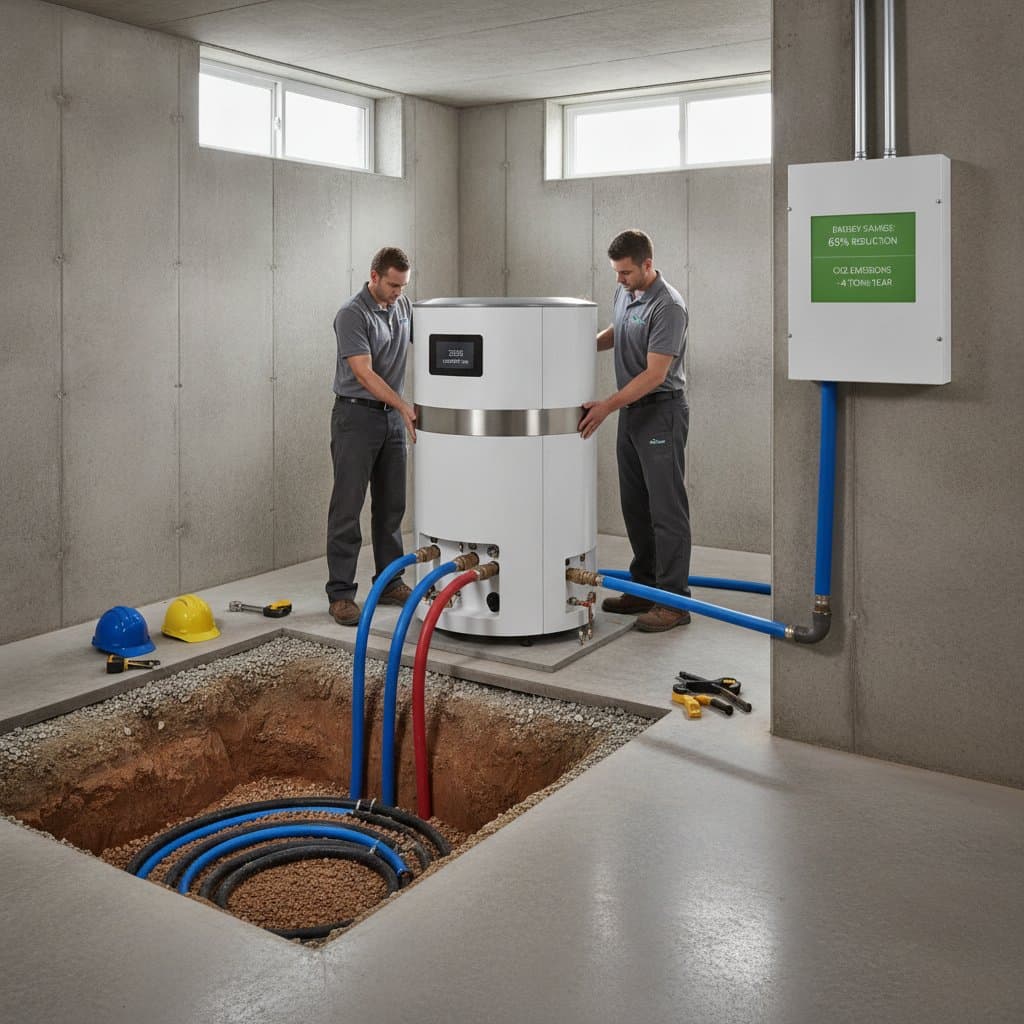
Geothermal technology operates through a network of underground loops filled with fluid that absorbs or releases heat from the ground. This process delivers consistent indoor temperatures without the noise or inefficiency of conventional units. As energy prices fluctuate, the appeal of this stable, low-maintenance solution grows for forward-thinking property owners.
Essential Benefits
Geothermal HVAC systems deliver measurable advantages over standard options. Consider these key aspects:
- Heating and cooling expenses decrease by up to 65 percent relative to traditional systems
- Residential installation expenses generally fall between $18,000 and $35,000
- Government and regional incentives cover 20 to 40 percent of upfront expenses
- Indoor components endure for 25 years on average, while underground loops last 50 years
- Property values rise by 5 to 10 percent following installation
These factors combine to create a compelling case for adoption, particularly as sustainability becomes a priority in residential planning.
Analyzing Expenses and Long-Term Returns
Initial investments in geothermal systems exceed those for standard furnaces or air conditioners. However, ongoing savings and durability often justify the expense. The following table compares options for a typical three- or four-bedroom home.
| System Type | Average Installation Cost | Estimated Annual Energy Cost | Typical Lifespan |
|---|---|---|---|
| Conventional HVAC (Furnace + AC) | $10,000 - $15,000 | $2,000 - $2,400 | 15 - 20 years |
| Geothermal HVAC | $18,000 - $35,000 | $700 - $1,000 | 25 - 50 years |
Payback occurs through lower utility payments, yielding an annual return of 8 to 12 percent even without assistance programs. Incentives such as tax credits shorten this timeline to under ten years in many cases. Across the system's life, cumulative savings can surpass $30,000, varying with local rates and consumption patterns.
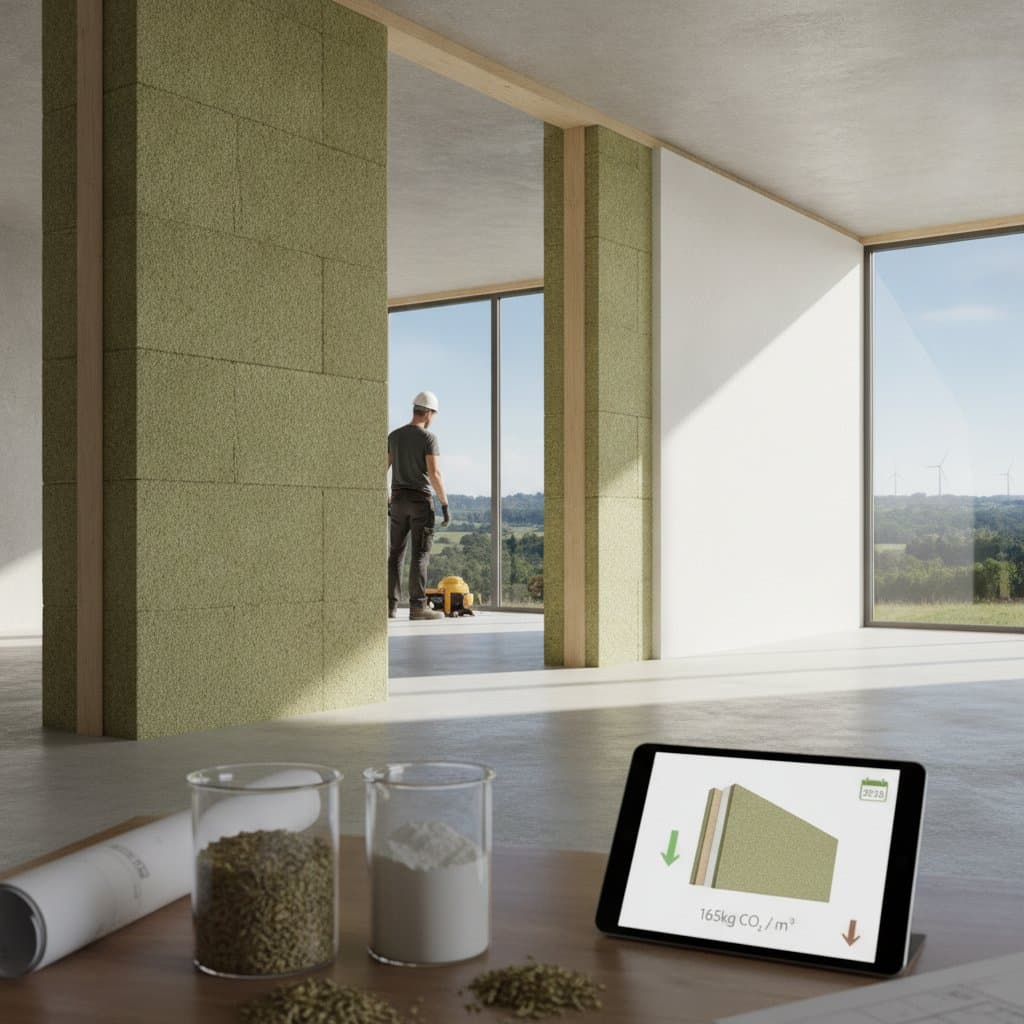
Homeowners in regions with high electricity costs realize faster benefits. For instance, pairing geothermal with improved insulation amplifies efficiency, potentially extending savings further. This approach transforms a significant outlay into a strategic asset for household budgets.
Planning Installation and Key Preparations
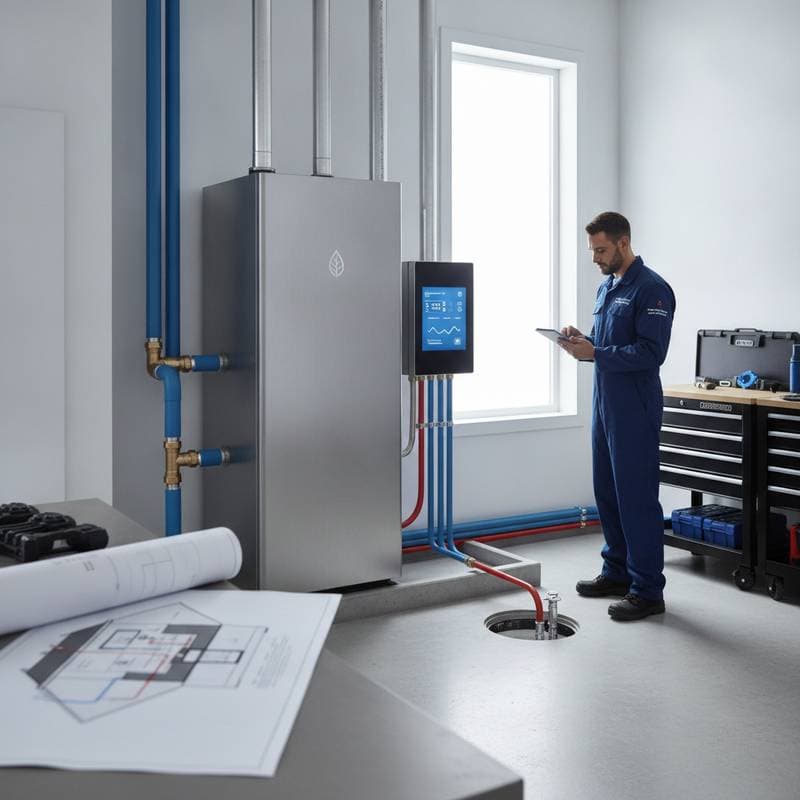
Professional assessment ensures geothermal systems suit specific properties. Experts examine insulation quality, existing ducts, and site conditions to recommend optimal configurations. Soil type and available space influence loop designs, with vertical options ideal for compact areas and horizontal layouts fitting larger yards.
Water-based loops offer another alternative for properties near ponds or lakes, minimizing excavation needs. These variations allow customization while maintaining performance standards.
To proceed effectively, homeowners follow these structured steps:
- Conduct a professional energy audit to pinpoint complementary improvements like sealing drafts or upgrading windows
- Obtain detailed quotes from installers accredited by organizations such as the International Ground Source Heat Pump Association
- Investigate available incentives via the Database of State Incentives for Renewables and Efficiency or similar resources
- Evaluate backup heating options for regions prone to power disruptions, as systems require electricity to circulate fluid
- Establish a maintenance schedule with certified technicians to preserve efficiency and warranty terms
Installation typically spans three to seven days, depending on loop complexity. Post-setup, residents notice steadier temperatures and reduced noise levels right away.
Emerging Trends and Professional Perspectives
Market forecasts indicate accelerating geothermal uptake as manufacturing efficiencies lower prices and policy support broadens. With grids shifting to renewables, these systems align seamlessly, enhancing their green credentials.
Dr. Elaine Carter, a renewable energy consultant, observes, "Geothermal stands out among home technologies for achieving significant carbon cuts alongside robust economic gains. Greater public knowledge will elevate it from specialty to standard."
Construction professionals increasingly incorporate geothermal during foundational work, cutting overall expenses by 10 to 20 percent. This integration signals broader acceptance in new builds and renovations alike.
Regional variations affect adoption rates. In colder climates, heating savings dominate, while warmer areas emphasize cooling efficiency. Utilities in progressive states offer additional rebates, accelerating the shift.
Steps to Adopt Geothermal for Your Home
Homeowners contemplating HVAC replacements or new constructions benefit from evaluating geothermal options early. Certified professionals can simulate savings using site-specific data, clarifying financial projections.
Implementation yields quieter environments, dependable performance, and alignment with eco-conscious living. Geothermal HVAC extends beyond mere utility reduction; it fosters enduring value through innovation rooted in natural resources. By 2026, this choice equips residences for a more efficient, resilient era.