Hemp Insulation: A Fire-Resistant Choice for Sustainable Homes
Homeowners envisioning an eco-friendly residence often focus on visible elements like solar panels or reclaimed wood accents. Insulation, however, plays a crucial yet understated role in enhancing energy efficiency, safety, and overall comfort. Hemp insulation emerges as a standout option, favored by architects and sustainability specialists for its superior thermal properties and inherent fire resistance.
This plant-based material reshapes construction practices by demonstrating that environmental responsibility aligns seamlessly with robust protection and longevity.
Reasons Builders Choose Hemp Insulation
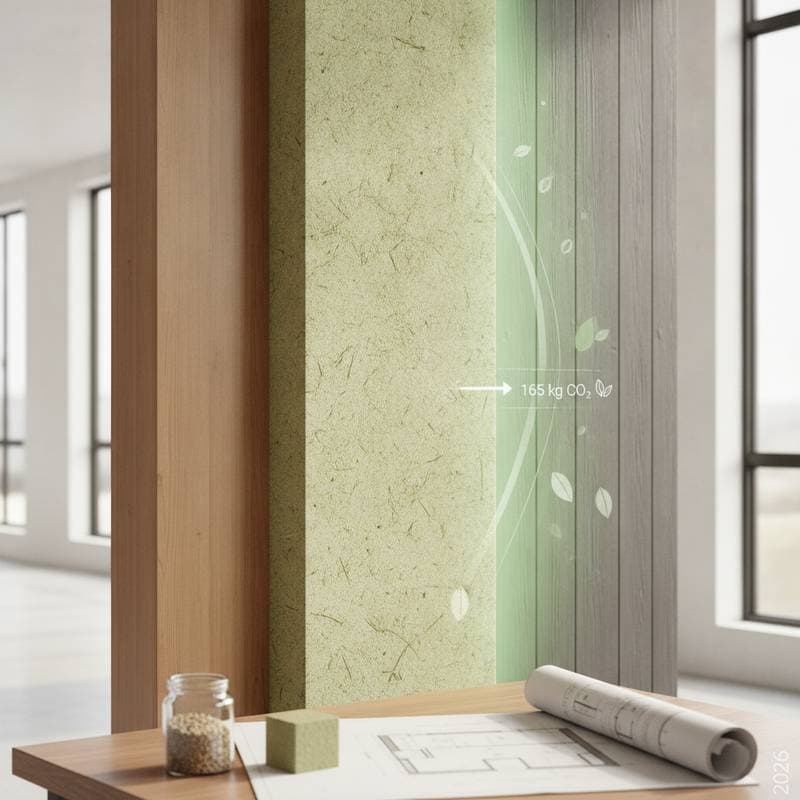
The building sector faces increasing demands to lower carbon emissions and eliminate harmful substances from residential spaces. Conventional options such as fiberglass and spray foam have prevailed for decades, yet they pose issues including substantial energy consumption during production, chemical emissions, and challenges in recycling. Hemp insulation counters these problems effectively while elevating fire safety standards.
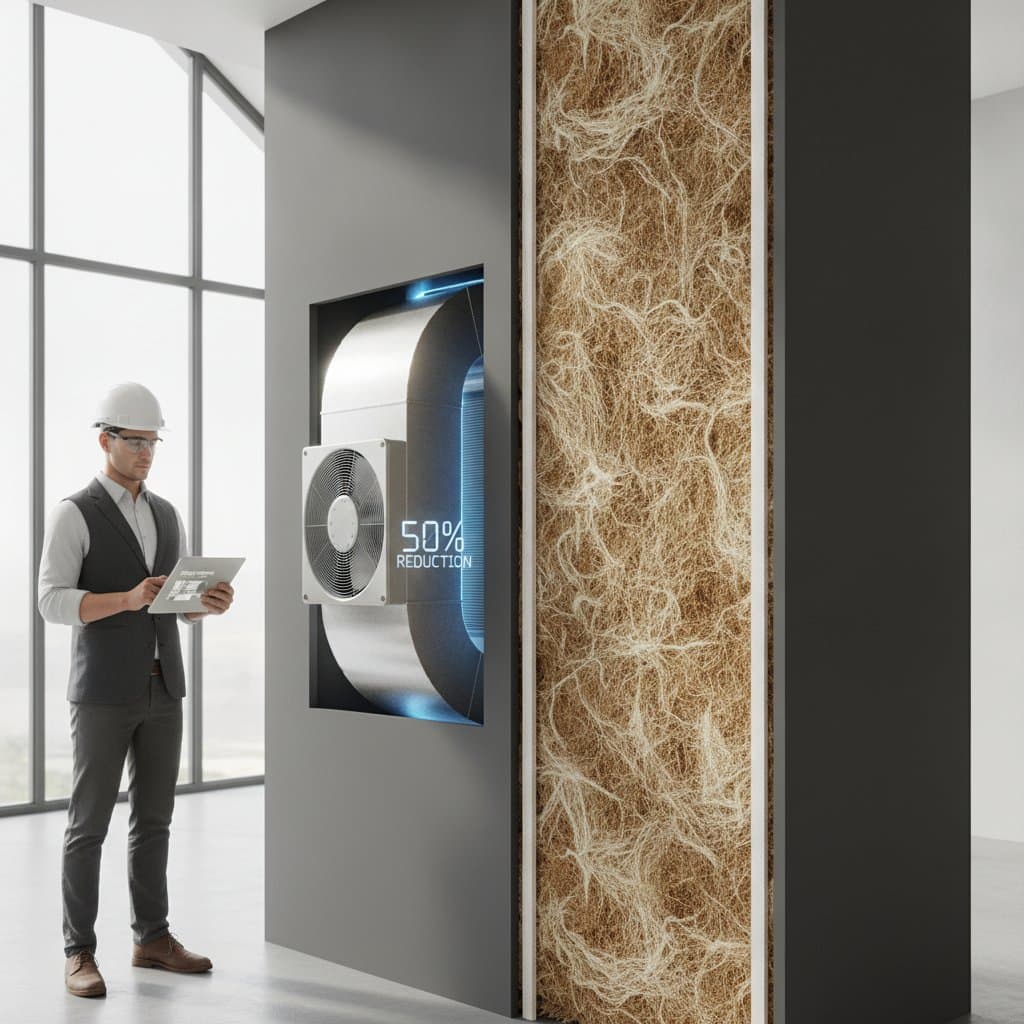
Professionals appreciate hemp for its ecological advantages and proven effectiveness. Data from the European Industrial Hemp Association indicates that hemp insulation can decrease energy consumption by as much as 20 percent relative to typical synthetic counterparts. Such efficiency yields cost savings for residents and fosters healthier indoor conditions.
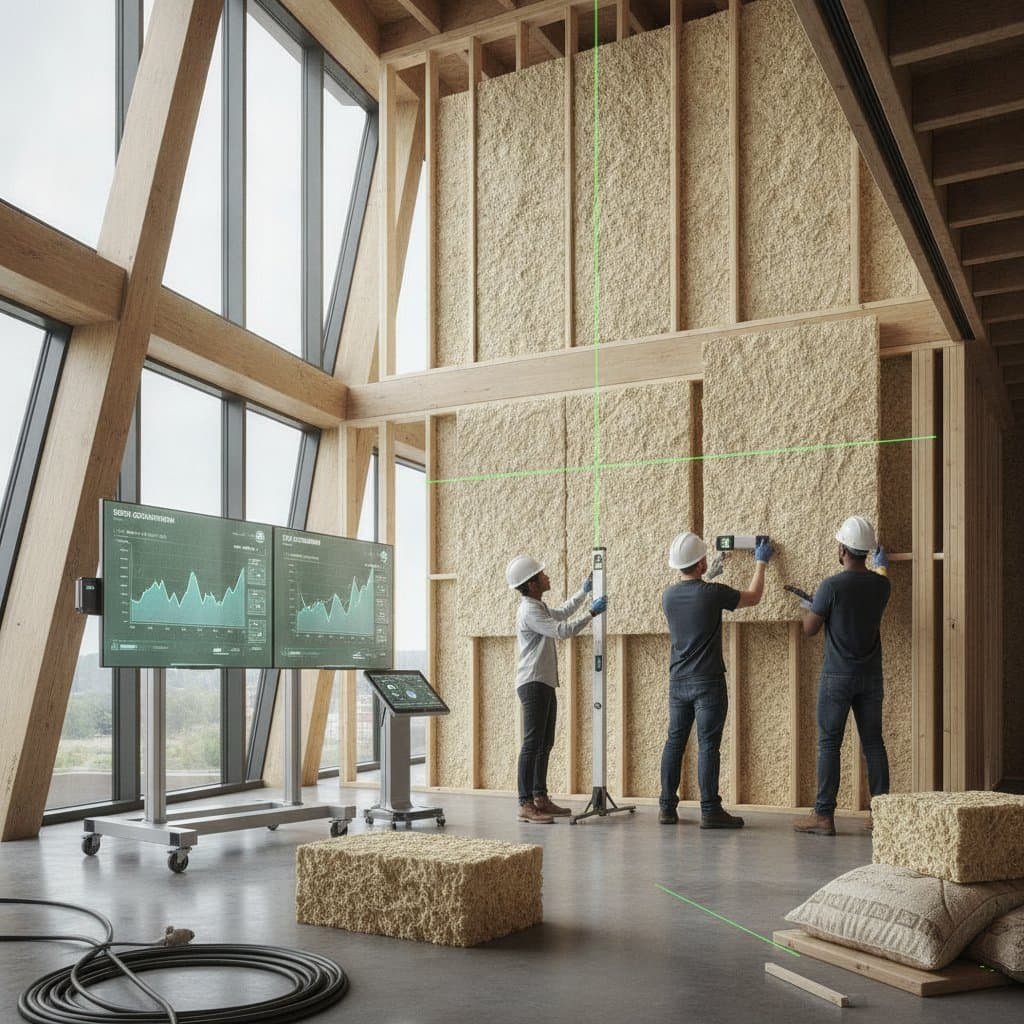
To select hemp insulation, builders assess factors like regional availability and supplier certifications. Reputable manufacturers provide detailed specifications on density and R-value to ensure compatibility with specific project needs. This preparation allows teams to integrate the material without disrupting timelines.
The Science Behind Hemp's Fire Resistance
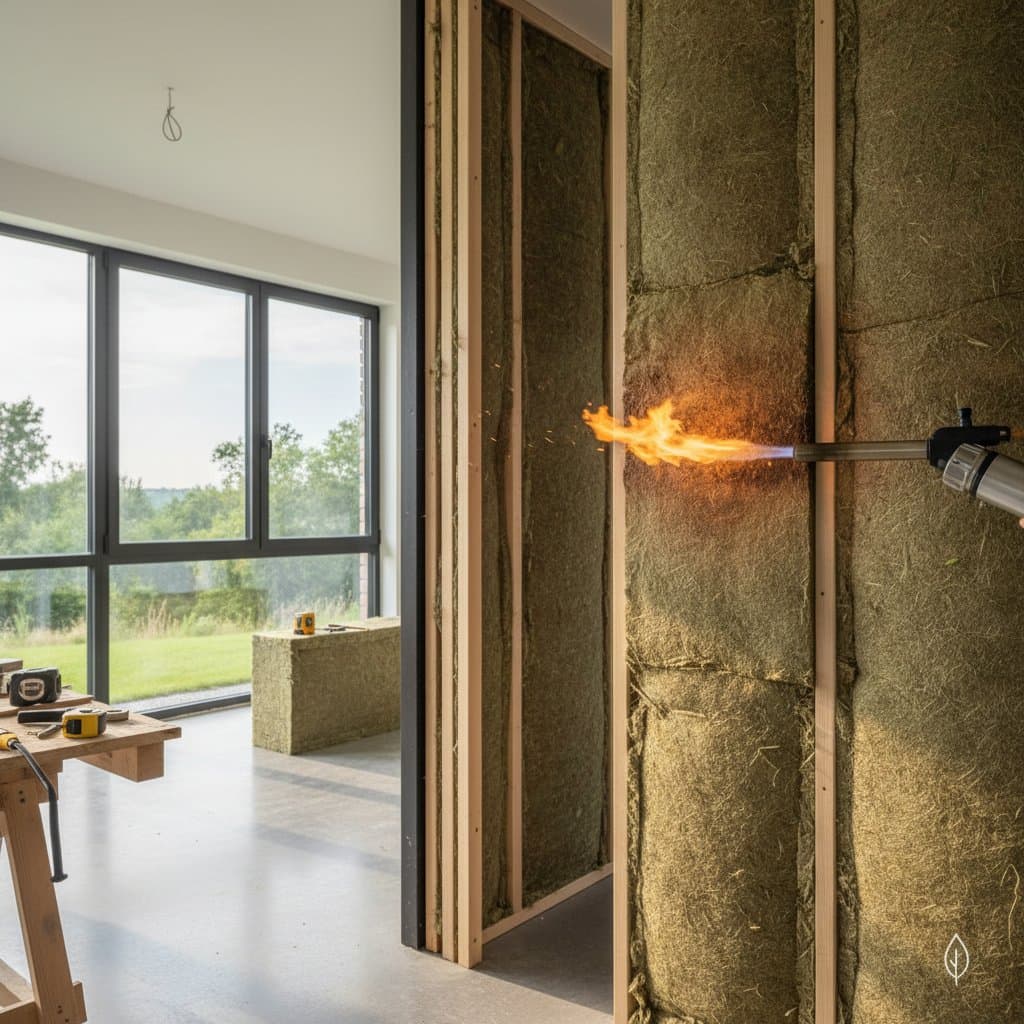
Natural insulations frequently struggle with fire performance, but hemp excels due to its composition. The fibers contain elevated levels of silica, which promotes carbonization upon heat exposure. This process creates a protective char layer that insulates inner layers and slows flame spread.
Testing in controlled environments reveals that untreated hemp withstands ignition for extended periods compared to numerous petroleum-derived products. Incorporating natural additives like lime or borate further enhances these qualities, meeting rigorous standards for both residential and commercial applications.
Dr. Elaine Porter, a researcher in building materials at the Sustainable Construction Institute, describes hemp's charring mechanism as one of the most dependable natural fire barriers among plant-derived options. She emphasizes its capacity to preserve structural stability during thermal stress, providing superior safety over synthetics that soften or release hazardous gases.
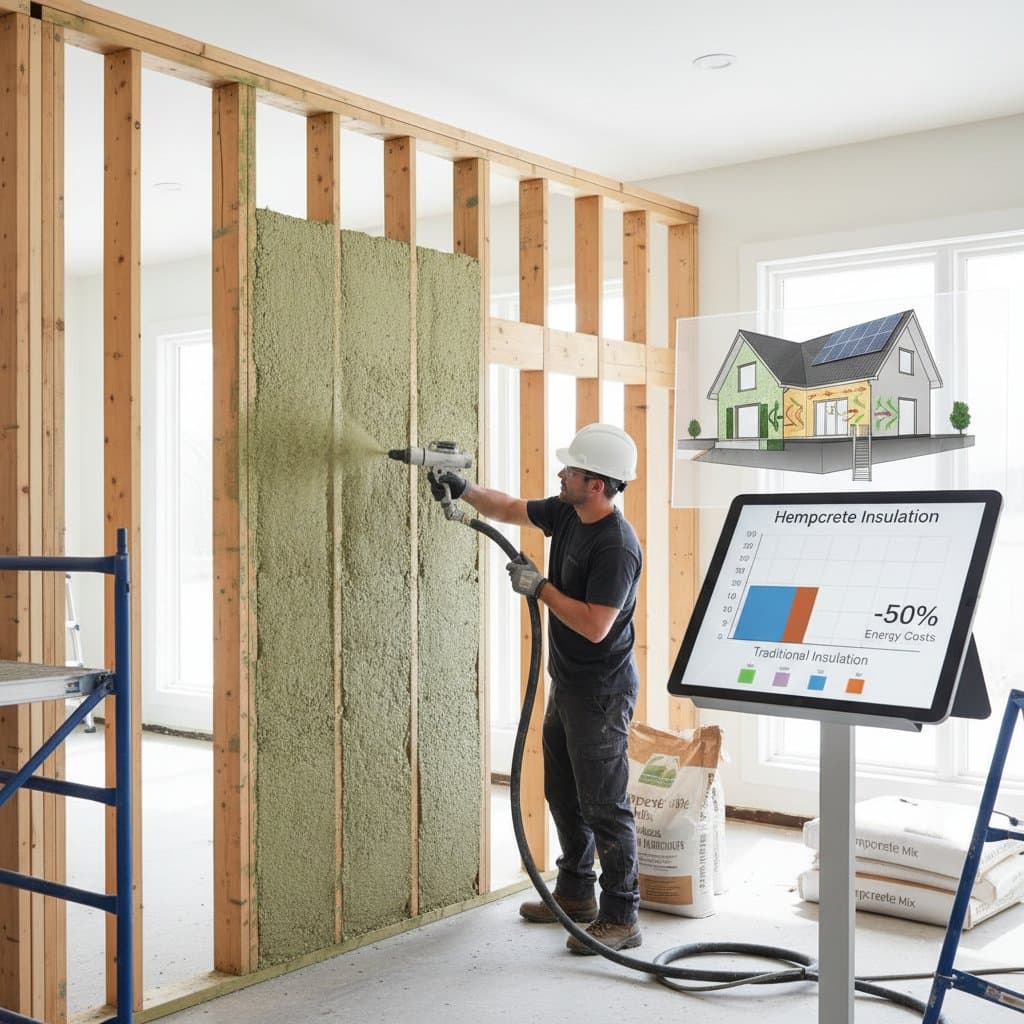
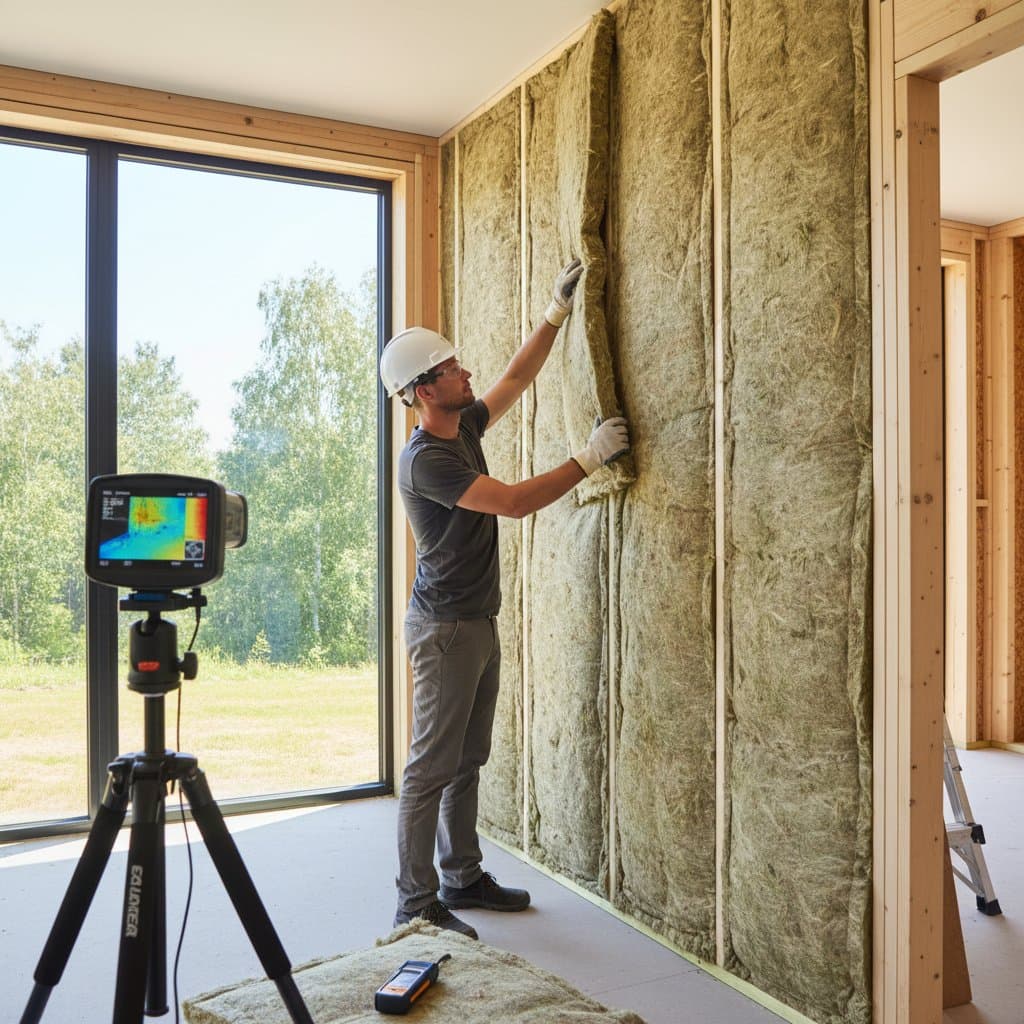
For optimal results, installers position hemp batts or loose-fill carefully, ensuring even coverage to maximize this protective effect. Homeowners benefit from peace of mind knowing their walls contribute actively to fire prevention.
How Hemp Stacks Up Against Alternatives
Hemp insulation holds its own when evaluated alongside established materials. The following table summarizes key attributes for informed comparisons.
| Material | R-Value (per inch) | Fire Resistance | Environmental Impact | Installation Safety |
|---|---|---|---|---|
| Hemp | 3.5 - 4.0 | Excellent (Class B) | Carbon negative, renewable | Safe to handle |
| Fiberglass | 2.9 - 3.8 | Moderate | Energy-intensive production | Requires protective gear |
| Mineral Wool | 3.3 - 4.2 | Excellent | Moderate embodied energy | Minimal irritation with care |
| Spray Foam | 6.0 - 7.0 | Poor (toxic fumes) | Petroleum-based | Professional installation only |
| Cellulose | 3.2 - 3.8 | Moderate | Recycled content | Potential settling issues |
Although spray foam achieves higher insulation per inch, its reliance on fossil fuels and safety risks position hemp as a preferable selection for environmentally aware projects. Mineral wool matches fire performance but falls short in renewability and carbon sequestration.
When deciding, calculate total R-value needs based on climate zone. For instance, in colder regions, combining hemp with air sealing techniques amplifies overall efficiency without added environmental costs.
Navigating Regulations and Standards
Regulatory frameworks traditionally prioritize familiar materials, yet hemp insulation complies with or surpasses essential criteria for thermal efficiency, moisture management, and fire ratings. Certifications validate its suitability for diverse applications, from single-family dwellings to larger structures.
Groups like the International Hemp Building Association collaborate with green building authorities to refine protocols for evaluation and documentation. These efforts enable builders to incorporate hemp confidently in fresh constructions or renovations.
Cities pursuing bold environmental goals offer rebates or pilot programs to promote adoption. As familiarity increases, local authorities streamline approval processes, reducing barriers for contractors new to bio-based solutions.
Before proceeding, consult jurisdiction-specific codes and obtain material safety data sheets from providers. This step confirms alignment with requirements like flame spread indices under standards such as ASTM E84.
Addressing Practical Hurdles
Hemp insulation delivers clear advantages, though certain limitations warrant consideration. Sourcing may vary by location, influencing pricing and lead times. Manufacturers address this by scaling operations in hemp-growing regions to stabilize supply chains.
Maintaining uniform fiber quality and managing humidity during production remains essential to consistent outcomes. In damp climates, pairing the material with appropriate vapor retarders prevents excess moisture buildup.
Builders transitioning from synthetic products require guidance on handling techniques, such as cutting batts precisely or blowing loose-fill evenly. Expanding workshops and online resources bridge this knowledge gap effectively.
Experts maintain that these initial barriers pale against hemp's enduring value. Widespread use will refine processes, lowering costs and enhancing accessibility over time.
Incorporating Hemp in Comprehensive Sustainable Design
Hemp insulation integrates smoothly within wider eco-building initiatives. Combining it with lime renders, salvaged lumber, or mineral paints amplifies its moisture-regulating properties and environmental gains.
Projects aiming for LEED accreditation or Passive House compliance gain points through hemp's minimal carbon footprint and air purification qualities. Builders highlight these features to attract clients valuing wellness and reduced utility bills.
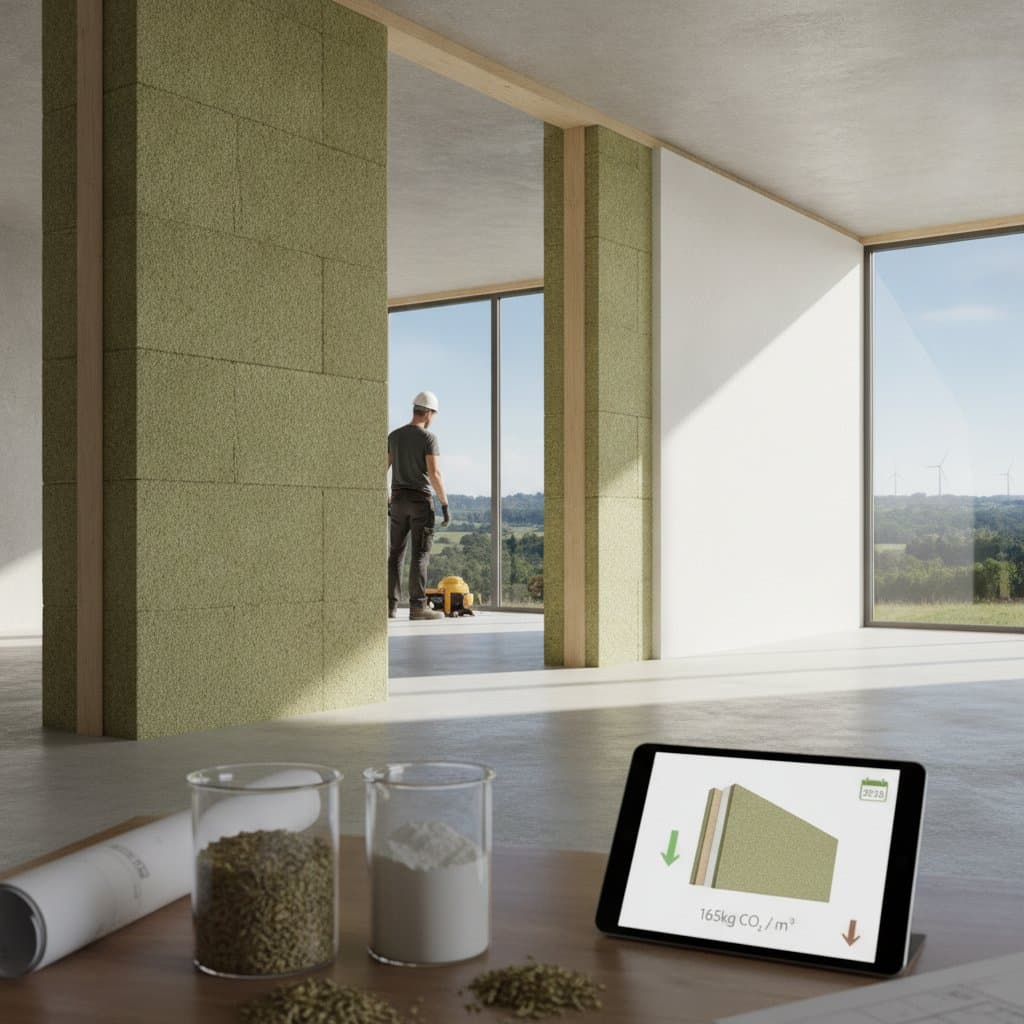
To implement, start by modeling energy performance with software tools that factor in hemp's attributes. This analysis guides material quantities and placement for maximum impact.
Steps to Adopt Hemp Insulation
For upcoming builds or upgrades, introduce hemp insulation during initial planning. Collaborate with designers experienced in bio-materials, solicit technical specs from vendors, and confirm adherence to area regulations.
Hemp insulation transcends passing trends; it exemplifies renewable innovation surpassing conventional choices in safeguarding occupants and ecosystems alike.
Opting for hemp fosters residences in harmony with natural cycles, delivering efficiency, durability, and lasting resilience.