Key Points
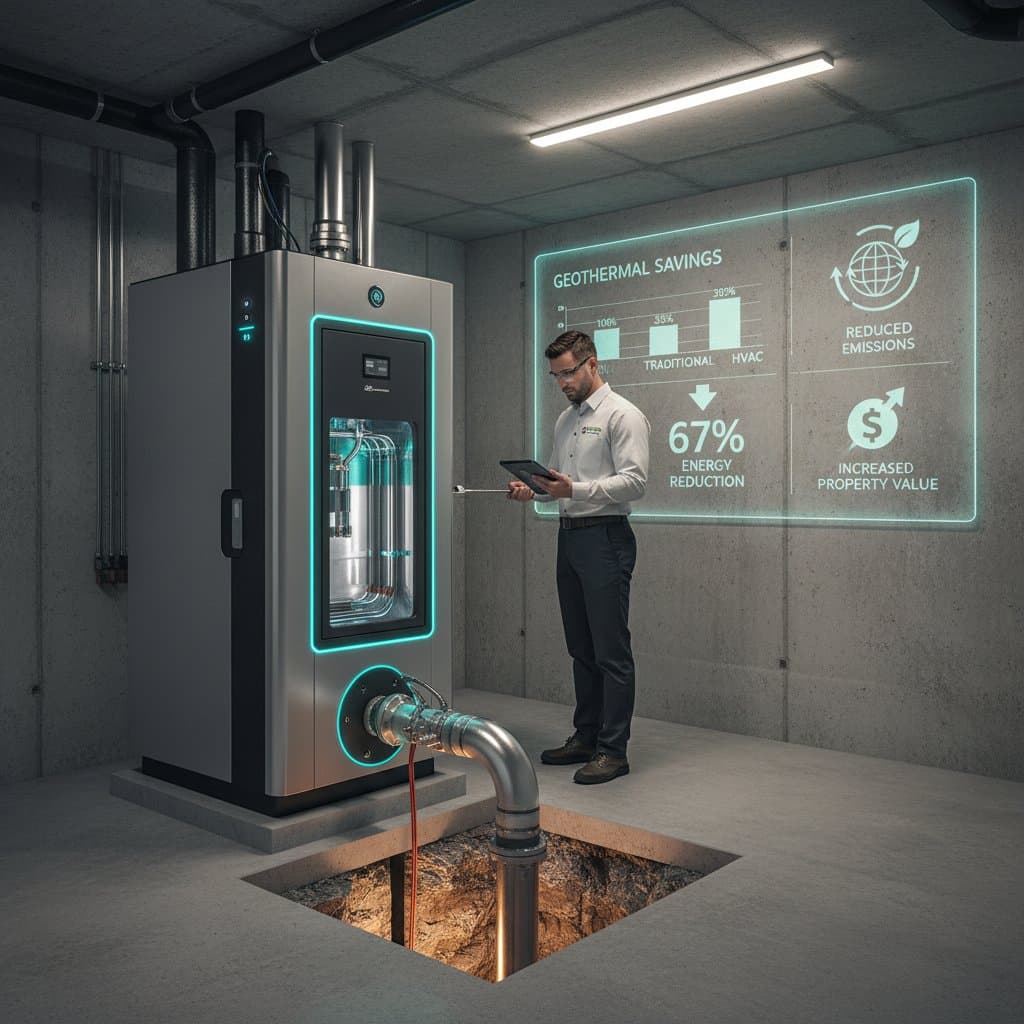
- Geothermal HVAC systems draw on consistent underground temperatures to heat and cool homes, achieving up to 66 percent lower energy use than traditional air-source systems.
- Initial installation expenses exceed those of conventional units, yet savings on utilities and available incentives typically recover costs in five to ten years.
- Optimal performance demands thorough site assessments, precise loop configurations, and installation by certified professionals.
- Benefits include silent operation, even indoor temperatures, and reduced environmental impact.
- These systems require little upkeep, with ground loops lasting over 50 years and indoor components enduring 20 to 25 years.
Understanding Geothermal Comfort
Imagine entering your home after a sweltering summer day to find perfectly balanced air without the drone of an outdoor unit. Temperatures remain steady throughout rooms, creating a natural feel rather than one imposed by machinery. Geothermal HVAC makes this reality possible by harnessing the earth's unchanging thermal energy.
Homeowners face growing pressures from escalating utility rates and sustainability demands. Conventional systems struggle with efficiency in extreme weather, leading to higher costs and uneven comfort. Geothermal technology addresses these issues by tapping into ground stability just below the surface.
Financial and Environmental Advantages
Geothermal HVAC, or ground-source heat pump systems, exchange heat with the earth at depths of four to six feet where temperatures hover around 55 degrees Fahrenheit year-round. This stability enables the system to move heat efficiently, avoiding the energy losses common in air-based units exposed to seasonal swings.
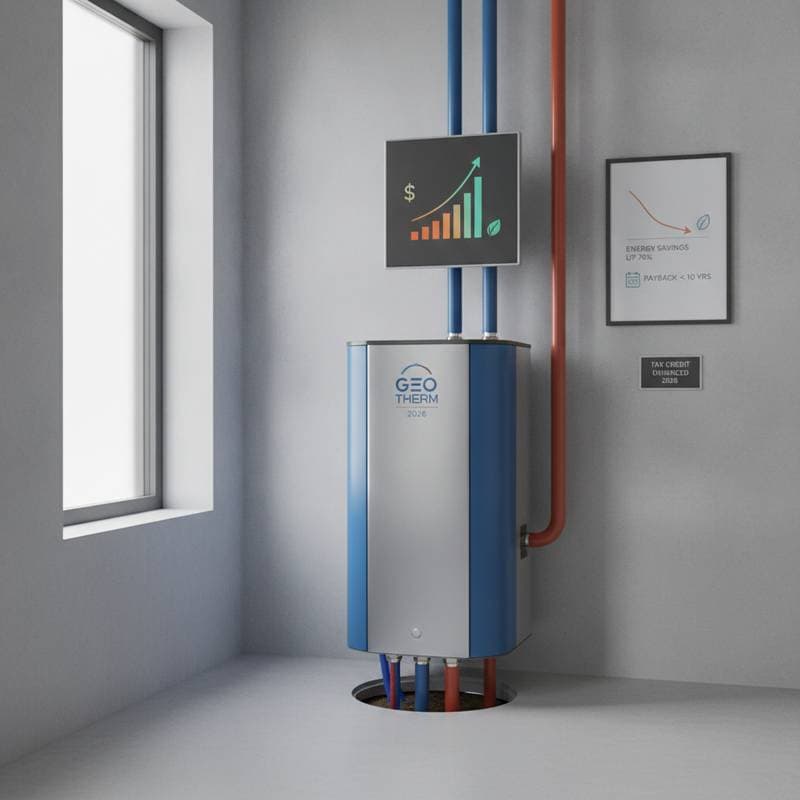
Financially, these systems cut heating and cooling expenses by 40 to 70 percent relative to gas furnaces or standard electric heat pumps. Although upfront costs range from $20,000 to $40,000 for a typical home, operational savings accumulate rapidly. Over 20 years, the total ownership cost often proves lower, especially with federal tax credits covering up to 30 percent of expenses.
On the environmental front, geothermal reduces carbon emissions by up to 70 percent compared to fossil fuel alternatives. It eliminates combustion byproducts and curbs electricity demand during peak hours. Additionally, the absence of outdoor compressors preserves neighborhood quiet and enhances curb appeal without visible equipment.
Essential Planning Factors
Selecting geothermal requires evaluating your property's unique attributes to ensure viability and efficiency.
- Site Evaluation: Analyze soil type, lot size, and water table. Sandy soils may need longer loops for heat transfer, while clay-rich ground excels in conductivity.
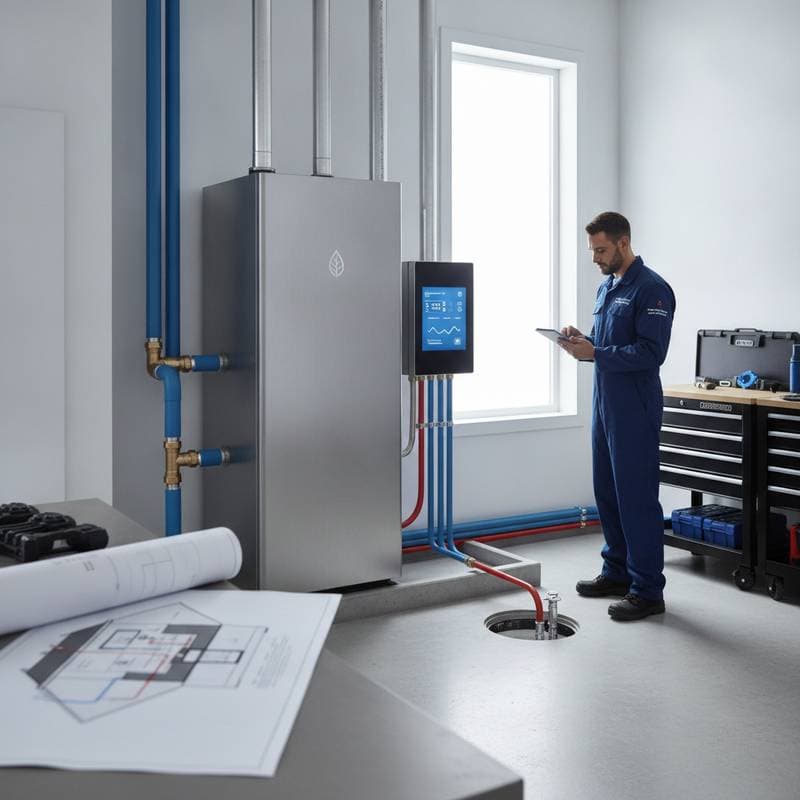
- Capacity Calculation: Conduct a Manual J load calculation to match system size to your home's thermal needs, factoring in insulation levels and window efficiency.
- Professional Selection: Choose installers certified by the International Ground Source Heat Pump Association (IGSHPA) to guarantee compliance with design standards.
- Funding Strategies: Explore home equity loans, production tax credits, or utility rebates that offset initial outlays and accelerate returns.
- Resale Impact: Document the system's energy performance ratings to appeal to eco-conscious buyers, potentially increasing property value by 5 to 10 percent.
Investment Analysis
Installation costs vary by home size and loop type, typically $15,000 to $25,000 per ton of capacity for a 3- to 5-ton residential unit. Vertical loops in limited spaces add drilling fees of $10 to $30 per foot, while horizontal setups suit larger yards at lower per-foot rates.
View the expense through a return-on-investment lens. Annual savings of $1,000 to $2,000 on bills, combined with minimal repairs averaging $100 yearly, yield payback in 6 to 12 years. Post-payback, the system generates net gains, bolstered by a 50-year loop warranty and enhanced home equity.
Compare this to traditional systems: air-source units cost $5,000 to $10,000 upfront but incur 50 percent higher operating expenses and last only 15 years. Geothermal's durability and efficiency tip the scales for long-term homeowners.
Loop Configurations and Home Integration
The ground loop forms the system's foundation, circulating fluid to absorb or release heat. Choose based on available space and geology.
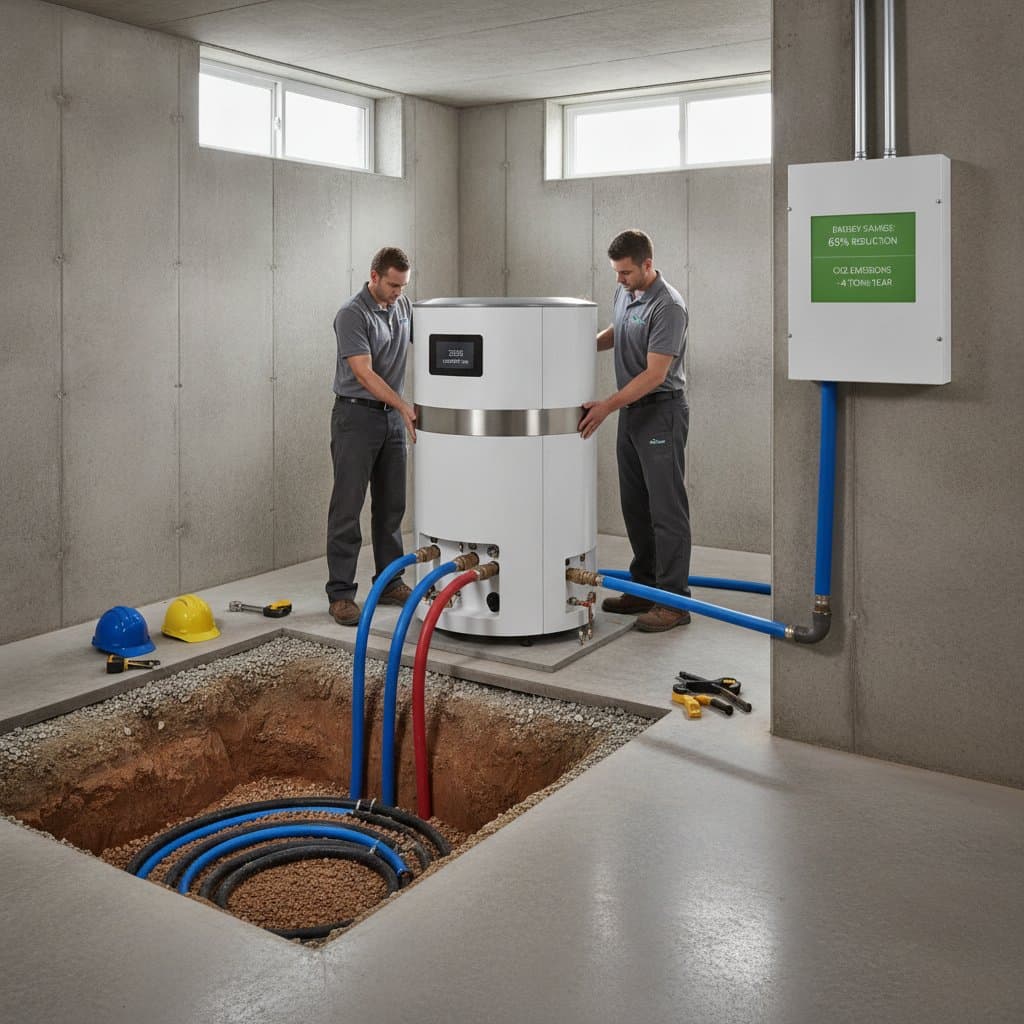
- Horizontal Loops: Lay pipes in shallow trenches for sites with 400 to 600 feet of open ground per ton; ideal for rural properties.
- Vertical Loops: Bore 150- to 400-foot wells for compact lots, suitable for urban or sloped terrain.
- Water-Body Loops: Submerge coils in ponds deeper than 8 feet, minimizing land disturbance if water temperatures stay above 40 degrees.
- Open Loops: Pump well water directly, viable only in areas with abundant, clean groundwater and regulatory approval.
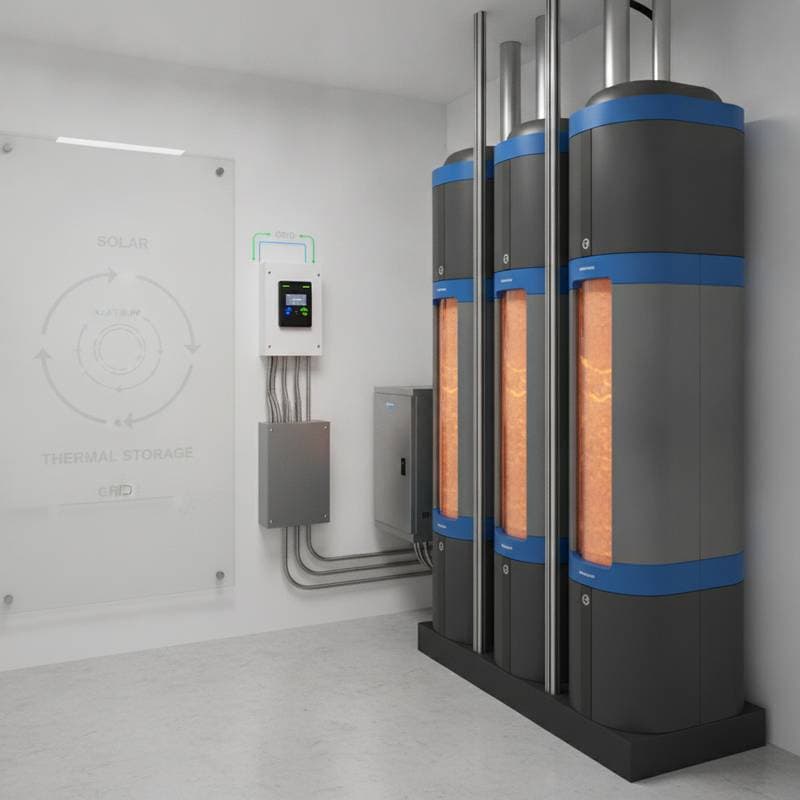
Indoors, integrate the heat pump with existing ducts or hydronic systems. Add variable-speed fans for zoned control, directing conditioned air precisely. Pairing with solar panels can offset electricity use, targeting net-zero energy consumption.
Performance Variables
Efficiency hinges on site-specific elements that a designer models using software like GLHEPRO.
- Geological Traits: Rocky soils demand specialized drilling but offer superior heat storage; consult a geotechnical report for precise planning.
- Regional Climate: In cold zones, desuperheater coils provide hot water as a backup, maintaining COP above 3.0 even at subzero temperatures.
- Building Efficiency: Seal air leaks and add R-19 wall insulation to shrink system size by 20 percent, cutting costs accordingly.
- Energy Pricing: In regions with rates over $0.15 per kilowatt-hour, savings compound faster; track local tariffs for ROI projections.
Efficiency and Sustainability Benefits
Geothermal stands out for its closed-loop design, which avoids open emissions and recycles heat naturally. The ground loop endures 50 to 100 years, while the heat pump operates for 25 years with routine care.
Efficiency metrics include a heating COP of 3.5 to 5.0, delivering 3.5 to 5 units of heat per unit of electricity. Cooling EER reaches 20 to 30, far surpassing air-source models at 14 to 18. These ratings translate to 50 to 70 percent less energy draw annually.
Health perks include stable humidity between 30 and 50 percent, curbing mold growth and allergens. Without gas combustion, indoor air stays free of carbon monoxide risks, promoting cleaner living.
Implementation Guidance
Experts from the Department of Energy endorse geothermal for its reliability in diverse climates. Post-installation, monitor performance via smart thermostats to optimize settings.
Follow these steps for success:
- Commission a blower-door test to baseline energy loss before installation.
- Simulate annual loads with tools like EnergyPlus for customized sizing.
- Coordinate with landscapers to replant native species over loop fields, preserving aesthetics.
- Maintain records of fluid levels and pressure tests, scheduling annual inspections.
Frequently Asked Questions
How does geothermal differ from air-source heat pumps?
Geothermal units interact with ground temperatures that vary little seasonally, yielding 30 to 50 percent better efficiency and steadier output than air-source models reliant on variable outdoor air.
Do these systems handle both heating and cooling?
Yes, a reversing valve switches modes seamlessly. Heat extraction from the ground warms interiors in winter; excess home heat dissipates underground in summer.
What maintenance is involved?
Change air filters quarterly and inspect coils annually. Ground loops need pressure checks every five years; overall, costs run 40 percent below those for traditional systems.
Is retrofitting possible in older homes?
Yes, many upgrades occur during furnace replacements. Address duct sealing or attic insulation first to maximize gains without full overhauls.
Does installation disrupt landscaping?
Trenches or boreholes temporarily affect yards, but crews backfill and seed promptly. Loops lie buried 4 to 6 feet deep, invisible and protected from surface activities.
How long does the process take?
Site preparation and loop installation span one to three weeks, followed by one week for indoor connections. Delays arise from permitting or soil conditions.
What incentives exist?
Federal Investment Tax Credits reimburse 30 percent through 2032; state rebates add $500 to $2,000 per ton. Verify eligibility via the Database of State Incentives for Renewables and Efficiency.
Realizing Long-Term Gains
Adopting geothermal HVAC positions your home for decades of reliable, cost-effective comfort. Savings extend beyond bills to include environmental stewardship and property enhancement. Consult local experts to tailor a system that aligns with your lifestyle and delivers enduring value.