Key Points
- Mycelium insulation, made from the root structure of fungi, is biodegradable and renewable.
- It rivals traditional insulation in thermal performance while drastically reducing carbon footprint.
- Homeowners can benefit from better indoor air quality, mold resistance, and long-term energy savings.
- The technology is still scaling, but early adopters are already seeing strong results in sustainable construction.
From Forest Floor to Living Room Walls
Picture pulling open your attic hatch and finding insulation that looks like something from a forest floor. Instead of pink fiberglass or rigid foam, you see a soft, spongy panel that once grew naturally using agricultural waste and fungal roots. It sounds like science fiction, but this is mycelium insulation, and it is quietly changing how we think about sustainable building materials.
Fungi have been nature’s recyclers for millions of years. They break down dead trees and fallen leaves, turning them into fertile soil. Now researchers and material scientists are borrowing that same biological process to grow building materials that work with the planet instead of against it.
Why It Matters for Homeowners
Every homeowner knows energy efficiency pays off. Whether it is lower heating bills or a more comfortable living space, good insulation is one of the smartest upgrades you can make. The problem is that traditional insulation materials like foam, mineral wool, or fiberglass come with environmental costs. They are energy-intensive to produce, difficult to recycle, and often contain chemicals that can off-gas over time.
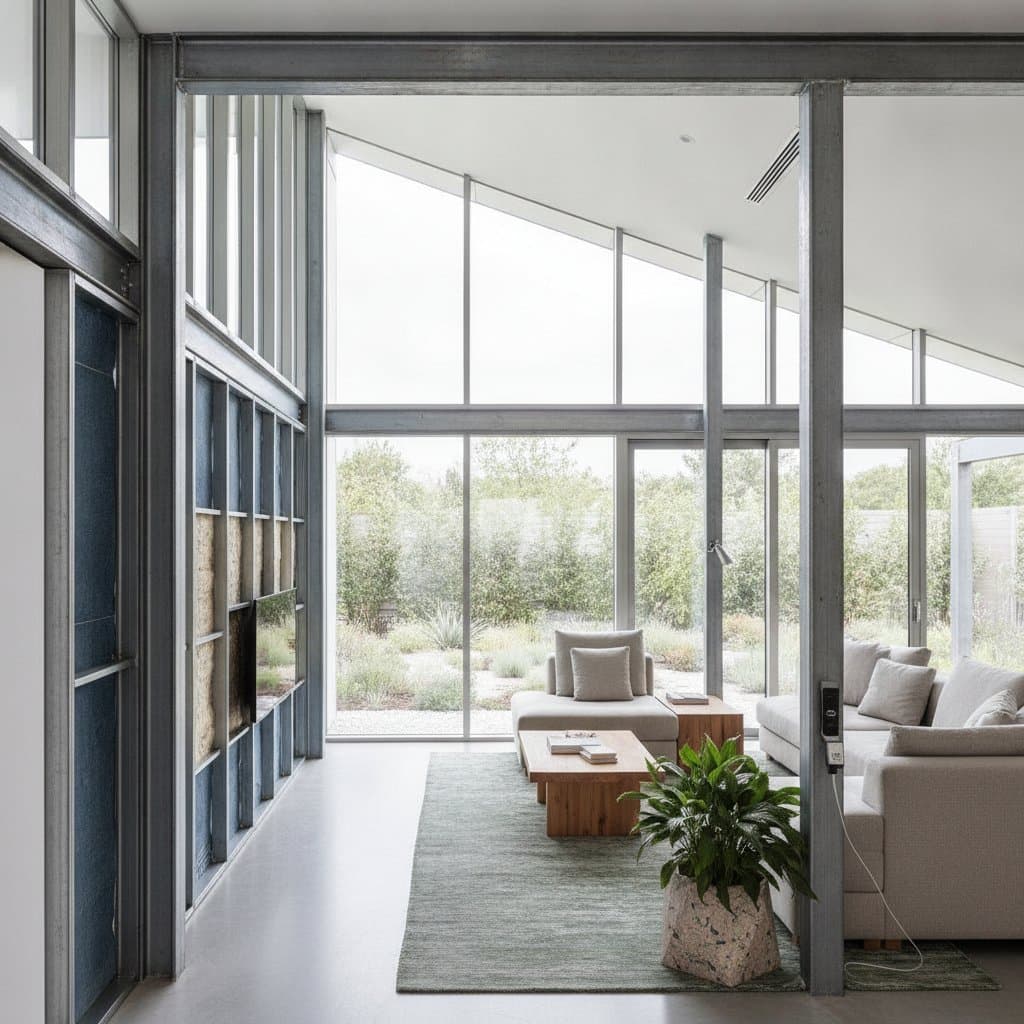
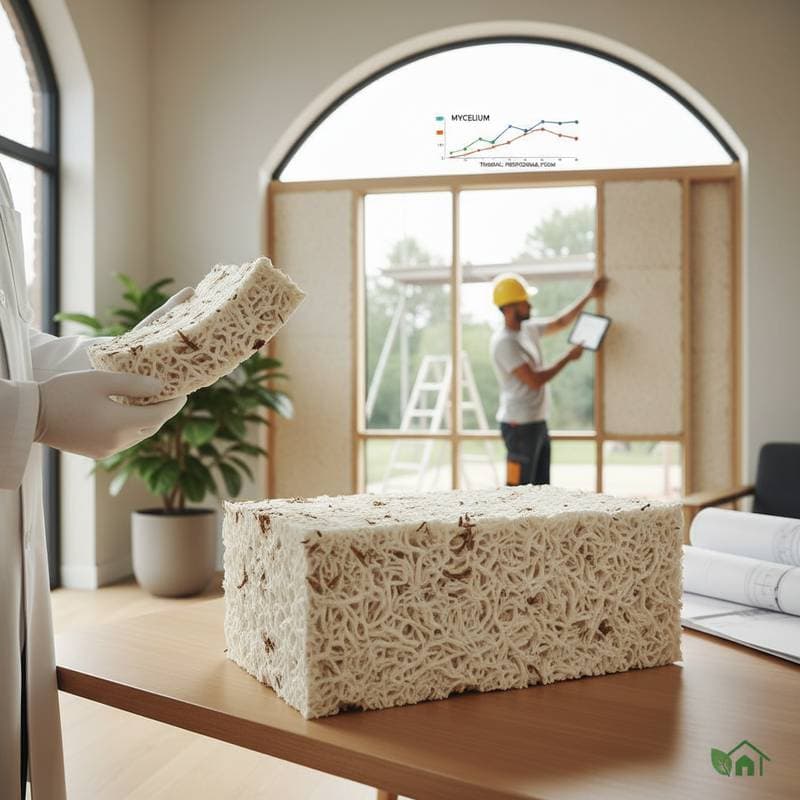
Mycelium insulation flips that equation. It grows naturally using agricultural waste such as corn husks or sawdust, which are inoculated with fungal spores. Over a few days, the mycelium spreads through the substrate, binding it together into a dense, spongy mass. Once dried and heat-treated, you get a lightweight, durable panel that insulates just as effectively as many synthetic options but without the environmental baggage.
Key Considerations for Planning
If you are evaluating insulation materials for a remodel or new build, here are core aspects to weigh:
- Thermal Performance: Mycelium insulation typically offers an R-value around 3 to 4 per inch, which is comparable to mineral wool and cellulose.
- Moisture Resistance: Once cured, it resists mold growth because the fungal activity has been stopped by heat treatment.
- Fire Resistance: Tests show impressive fire safety ratings, since mycelium chars rather than melts or emits toxic fumes.
- Weight and Handling: Panels are lightweight, making them easier to install with minimal protective gear compared to fiberglass.
- Lifecycle Impact: At the end of its service life, it can be composted or safely returned to the earth.
These benefits make it attractive for eco-conscious homeowners who want materials that perform well without leaving a long-term environmental footprint.
Cost Breakdown and ROI Analysis
At the moment, mycelium insulation tends to cost more upfront than conventional fiberglass or cellulose. A homeowner might expect to pay around 20 to 40 percent more per square foot depending on the supplier and project scale. That said, the return on investment looks strong when you factor in energy savings, improved indoor air quality, and the absence of hazardous disposal costs later on.
The real value comes from lifecycle performance. Traditional insulation materials often degrade or require replacement after a few decades, while mycelium’s natural density and breathability help it maintain consistent performance over time. When combined with airtight construction and energy-efficient windows, it can reduce heating and cooling loads by 10 to 15 percent annually.
Sustainable Features and Efficiency Gains
The production of mycelium insulation has a fraction of the carbon footprint associated with foam or fiberglass. Manufacturers use waste feedstock and minimal energy to grow the material, meaning the embodied carbon is extremely low. The panels also improve indoor environmental quality because they do not release volatile organic compounds.
From a sustainability standpoint, mycelium insulation checks every box:
- Renewable Feedstock: Uses agricultural waste instead of virgin materials.
- Biodegradable: Returns safely to soil at end of life.
- Non-Toxic: No formaldehyde or microplastics.
- Locally Scalable: Can be grown regionally, cutting transport emissions.
For homeowners pursuing green building certifications, this type of insulation can contribute toward points under frameworks that recognize renewable and low-emission materials.
Factors Influencing the Project
Adoption rates depend heavily on local building codes and supply availability. Some regions are still catching up with testing standards for biobased materials. If you are considering a project, check that your contractor or architect is familiar with emerging natural insulation systems. You might need to provide product documentation showing compliance with flame spread and thermal resistance ratings.
DIY enthusiasts may find smaller-scale applications manageable, such as insulating garden sheds or interior partitions. However, for full home retrofits, professional installation ensures thermal continuity and moisture control.
Frequently Asked Questions
Is mycelium insulation safe for people with allergies?
Yes. Once cured, the fungal spores are inactive, and the material does not release allergens or toxic compounds.
Can it handle humid climates?
When installed with proper vapor barriers and ventilation, it performs well even in damp conditions. The key is to prevent liquid water intrusion, just as you would with any insulation type.
How long does it last?
Lab and field tests suggest performance longevity similar to conventional insulation, often exceeding several decades when protected from moisture.
Can I compost it after removal?
Yes, it can safely decompose in industrial composting settings or controlled soil environments, returning nutrients to the earth.