When Energy Efficiency Meets Affordability
Homeowners increasingly encounter lower utility bills that prompt a second look. Modern geothermal HVAC systems deliver this outcome through quiet operation and high efficiency. Previously viewed as costly for typical residences, these systems now present viable options following a roughly 50 percent cost reduction.
This shift broadens access beyond luxury sustainable projects to standard homes. Escalating energy costs and emphasis on resilience encourage reevaluation of heating and cooling methods. Geothermal systems extract heat from the earths stable temperatures, offering a reliable alternative to traditional generation.
Reasons for the Cost Decline
The 50 percent reduction stems from targeted advancements that enhance scalability. Several elements contribute to this progress.
- Manufacturing processes incorporate standardized parts and fewer custom materials, lowering production expenses.
- Installation methods utilize directional drilling and compact loops, which minimize excavation and labor time.
- Incentive programs provide rebates and tax credits that cover substantial portions of upfront costs, often up to one-third.
- Increased competition among certified contractors improves pricing and elevates installation quality.
These factors position geothermal HVAC as a standard energy choice with achievable returns.
Benefits for Homeowners
Geothermal systems serve as integrated replacements for furnaces and air conditioners by leveraging underground thermal stability. This setup yields significant ongoing savings. The U.S. Department of Energy reports efficiency ratings of 300 to 500 percent, meaning each unit of electricity generates three to five units of heating or cooling.
This surpasses even top-tier gas furnaces in performance. Environmentally, the systems generate minimal on-site emissions by using renewable earth heat, which reduces carbon footprints and improves air quality. For property sales, such installations boost value by multiple percentage points in energy-aware markets.
Essential Planning Factors
Evaluate site suitability before proceeding with installation. While geothermal systems adapt to most locations, specific conditions influence expenses and effectiveness.
- Horizontal loops require ample yard space, suiting rural or suburban properties.
- Vertical loops accommodate urban settings with limited area through deeper drilling.
- Soil composition matters; sandy or loamy types enhance heat conduction, whereas rocky areas raise drilling expenses.
- Groundwater can aid transfer but often demands permits.
- Strong home insulation lowers system demands and accelerates investment recovery.
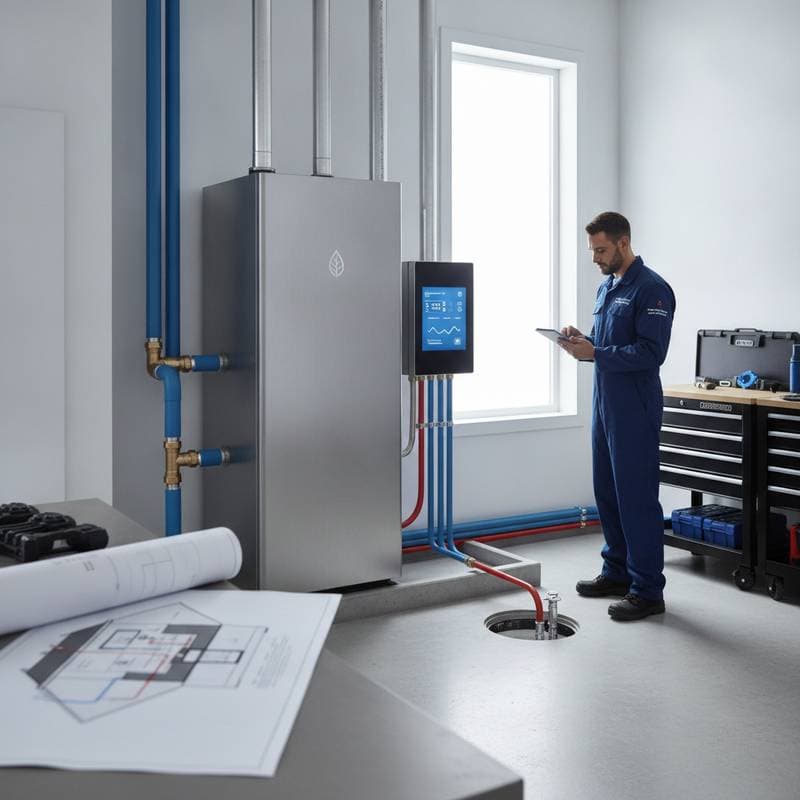
Conduct a professional load calculation, known as a Manual J assessment, to match system size to home needs. Proper sizing avoids excess costs from oversizing or discomfort from undersizing.
Detailed Cost Structure and Return Analysis
Typical installations for mid-sized homes previously ranged from $20,000 to $30,000. Current pricing positions many at $10,000 to $15,000. Compact home systems may start under $8,000, while extensive or commercial setups exceed $20,000.
Breakdown includes:
- Equipment such as heat pumps, loops, and controls: 40 to 45 percent
- Labor and excavation: 35 to 40 percent
- Design, permits, and testing: 10 to 15 percent
- Electrical and finishing work: 5 to 10 percent
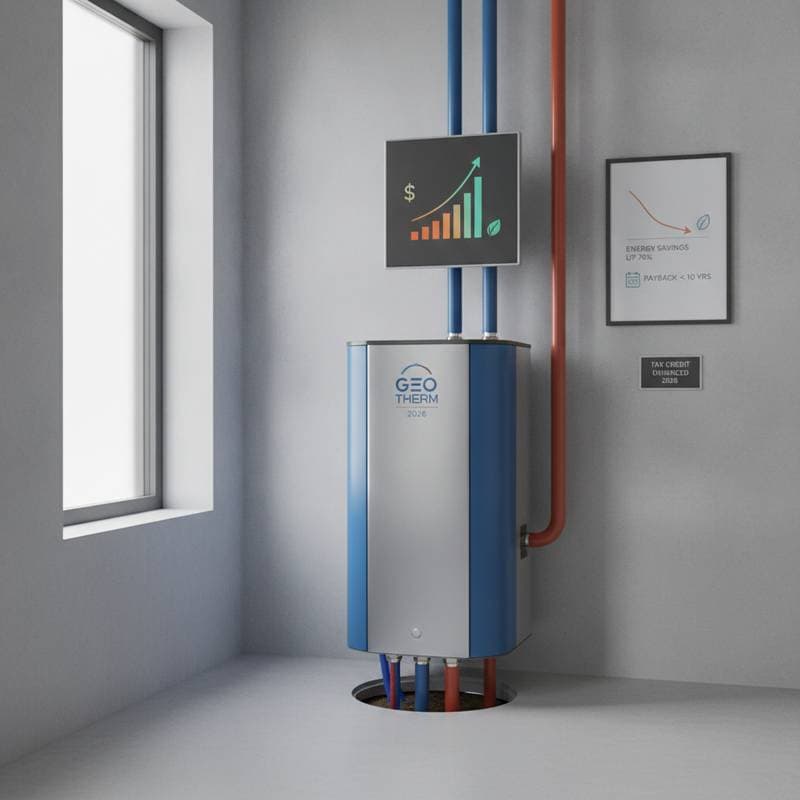
Operational expenses decrease by 40 to 70 percent relative to standard HVAC. Systems recoup costs within 10 years via utility reductions. Minimal maintenance from simplified components further strengthens the financial case.
Configuration and Layout Options
Adapt designs to property characteristics for optimal aesthetics and performance.
- Horizontal loops suit properties with available land, using shallow trenches for cost-effective setup.
- Vertical loops address space constraints via deep boreholes that limit surface impact.
- Pond or lake loops leverage nearby water for superior transfer with reduced digging.
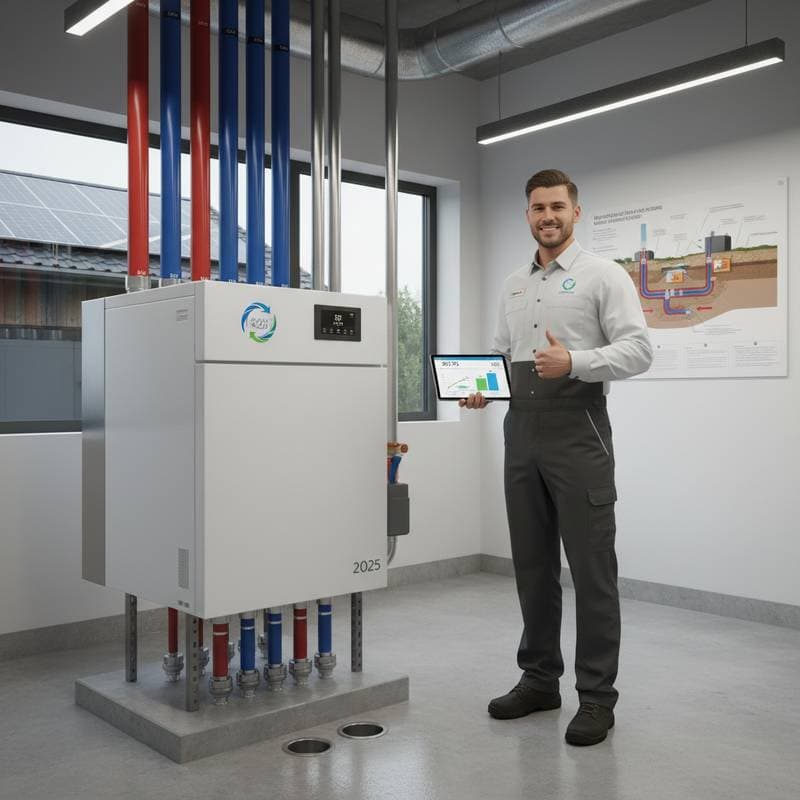
Interior integration connects to existing ducts or radiant floors. Certain models supply domestic hot water, streamlining mechanical systems and enhancing savings.
Advanced Efficiency and Sustainability
Geothermal units operate with low noise and consistent output by transferring rather than producing heat. This reduces wear, extending indoor unit life beyond 20 years and ground loops up to 50 years.
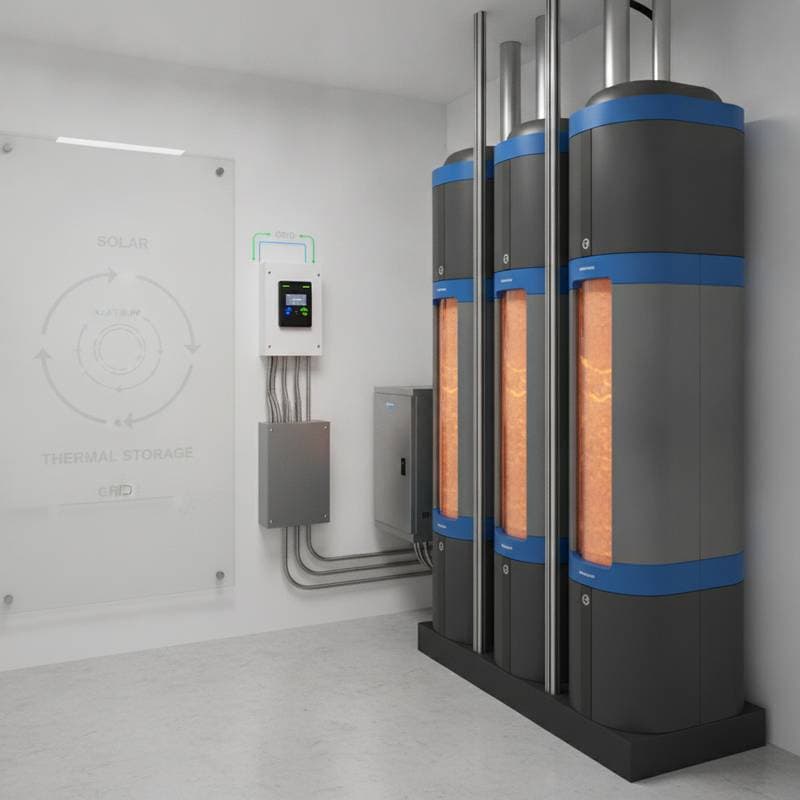
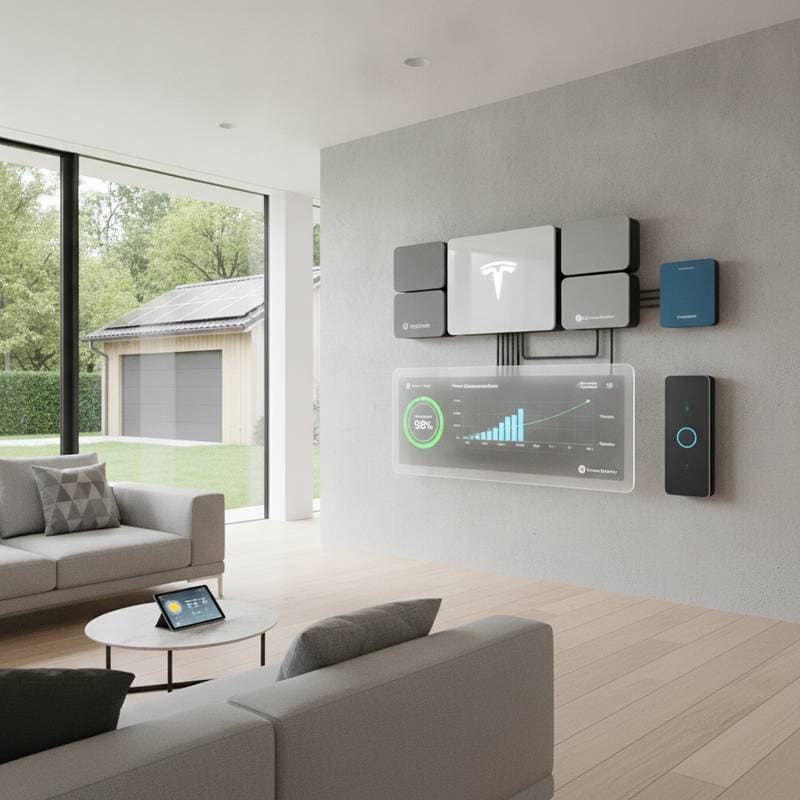
Pairing with solar panels offsets electricity use, approaching zero-energy status. Smart thermostats and variable-speed features maintain even humidity and temperatures.
The technology excels in resilience, with underground elements shielded from weather events. This combination supports both efficiency and long-term durability.
Project Variables and Preparation
Final costs and outcomes depend on several elements, despite overall reductions.
- Regional labor rates and soil challenges.
- Integration complexities like zoning or radiant systems.
- Local electricity pricing, which impacts recovery timelines.
- Applicable rebates and credits.
Allocate 5 to 10 percent for unforeseen issues, such as rocky encounters during drilling. Post-installation, expenses remain steady with basic upkeep.
Common Questions
Does geothermal heating and cooling prove reliable?
The earths constant temperature ensures steady energy supply. Professional design and installation yield high dependability.
Do these systems function in cold regions?
Yes, heat extraction from below the frost line maintains efficiency during subfreezing conditions.
What maintenance does the system need?
Tasks include filter replacement, antifreeze checks, and pump inspections. Annual professional visits suffice.
How much time does installation require?
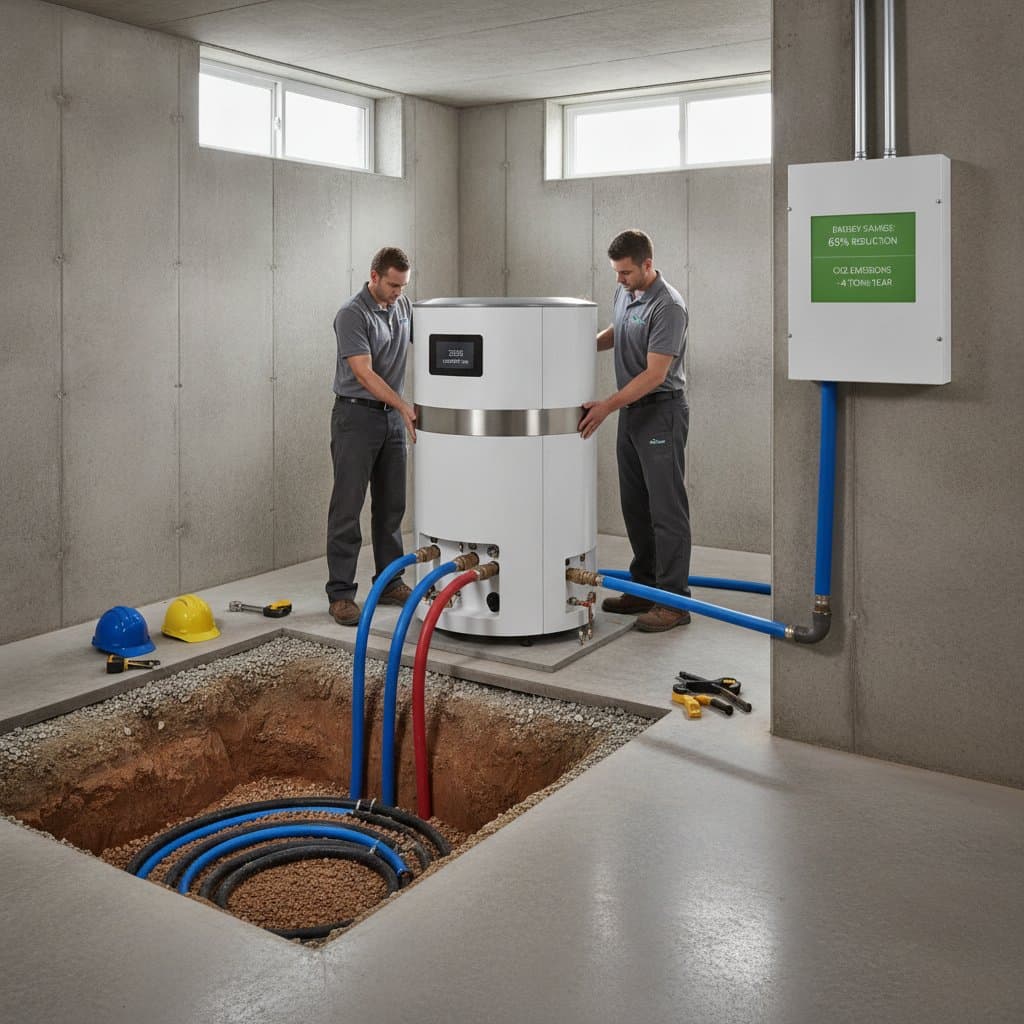
Residential projects typically span one to two weeks, from digging to commissioning. Complex cases extend based on site factors.
Is retrofitting possible in existing homes?
Certainly, although duct or electrical adjustments may apply. Many opt for it during HVAC overhauls or renovations.
Steps to Secure Your Geothermal Upgrade
Start by consulting certified professionals for a site evaluation. Review incentive eligibility through local utilities or federal programs. Compare quotes from multiple contractors to ensure competitive terms.
Finalize with a detailed contract outlining timelines and warranties. This approach secures the systems benefits, from immediate savings to enduring sustainability.