Key Points
- Geothermal HVAC systems merge established durability with enhanced affordability, positioning them as practical choices for numerous households.
- Current incentives and refined installation techniques have substantially reduced payback timelines.
- Homeowners benefit from decreased energy expenses, consistent indoor conditions, and reduced carbon emissions.
- Expanded design options enable geothermal integration in urban and rural settings alike.
- The technology offers extended durability and low maintenance, establishing it as a prudent choice for eco-conscious living.
Foundations of Sustainable Comfort
Imagine a residence where heating and cooling expenses remain steady across seasons. No disruptive outdoor equipment operates, no concerns arise over escalating fuel costs, and energy use aligns with environmental responsibility. This scenario moves from concept to reality as geothermal HVAC attains widespread accessibility and economic viability.
Geothermal heating and cooling evolved gradually over decades. Energy experts and architects long valued its sustained performance, yet adoption lagged. Recent material advancements, policy backing, and heightened public knowledge now propel it toward common use. Homeowners stand to gain from this alignment of progress and practicality.
Essential Benefits for Homeowners
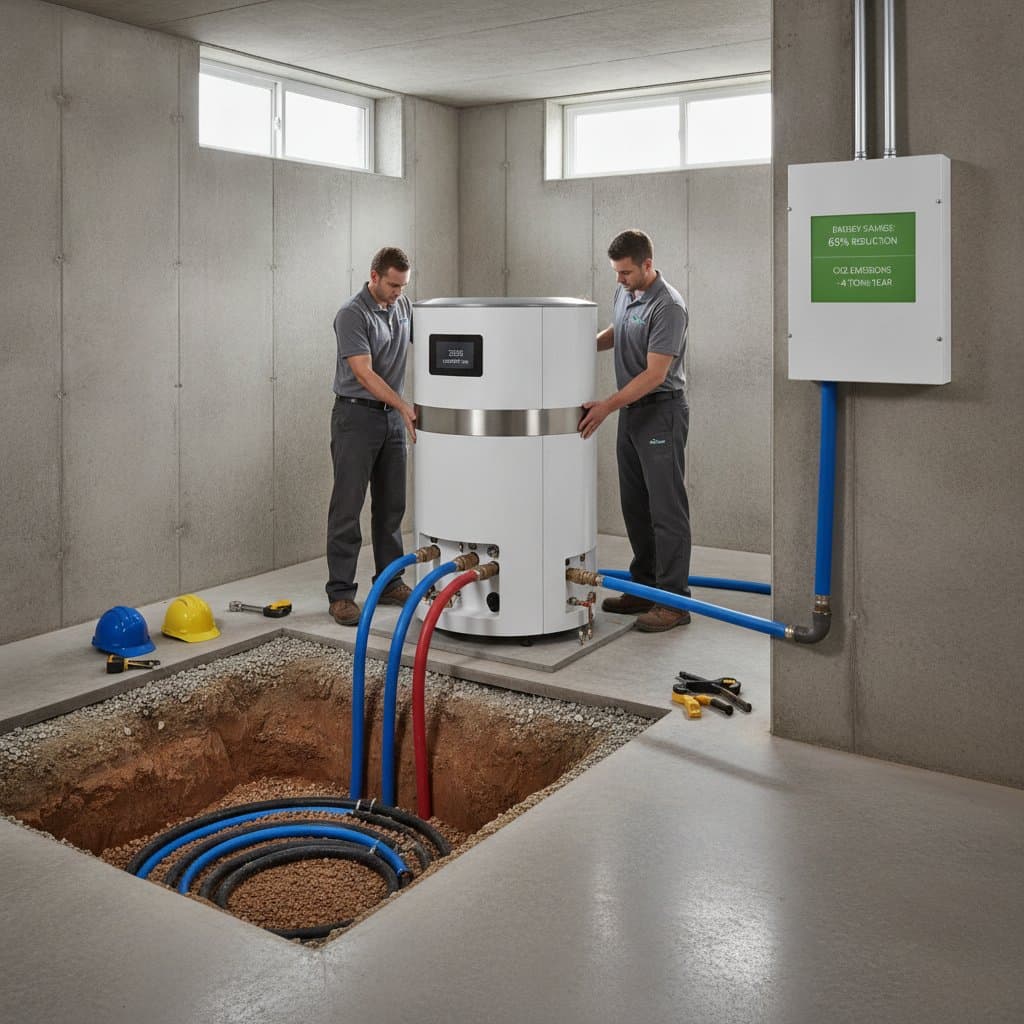
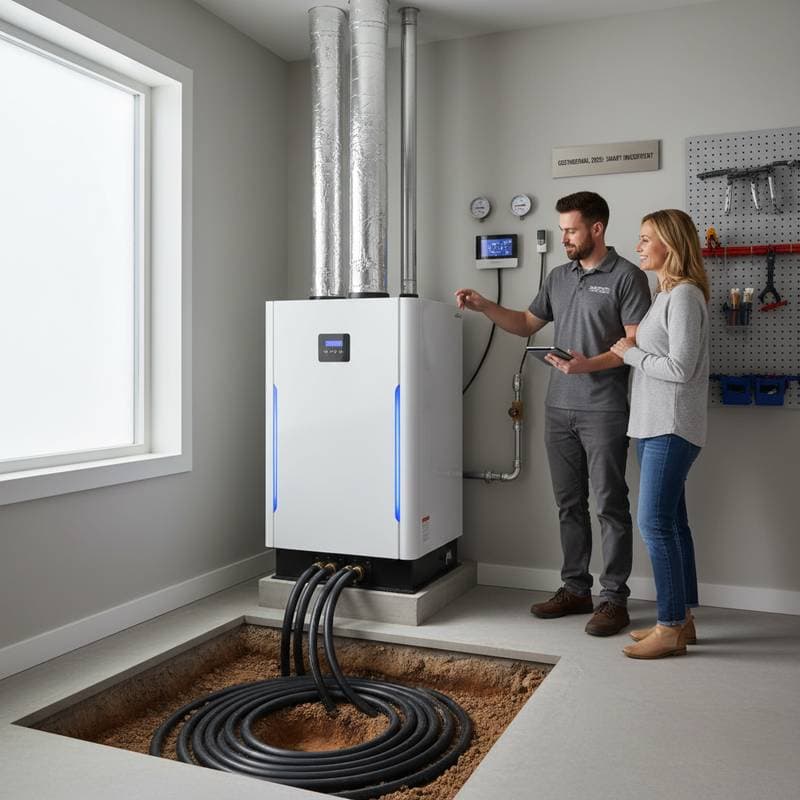
Geothermal HVAC leverages the earth's stable subsurface temperatures to manage indoor environments. A subsurface loop system exchanges heat with the ground, yielding efficiency rates three to five times higher than traditional setups. Each unit of electrical input thus generates several units of thermal output.
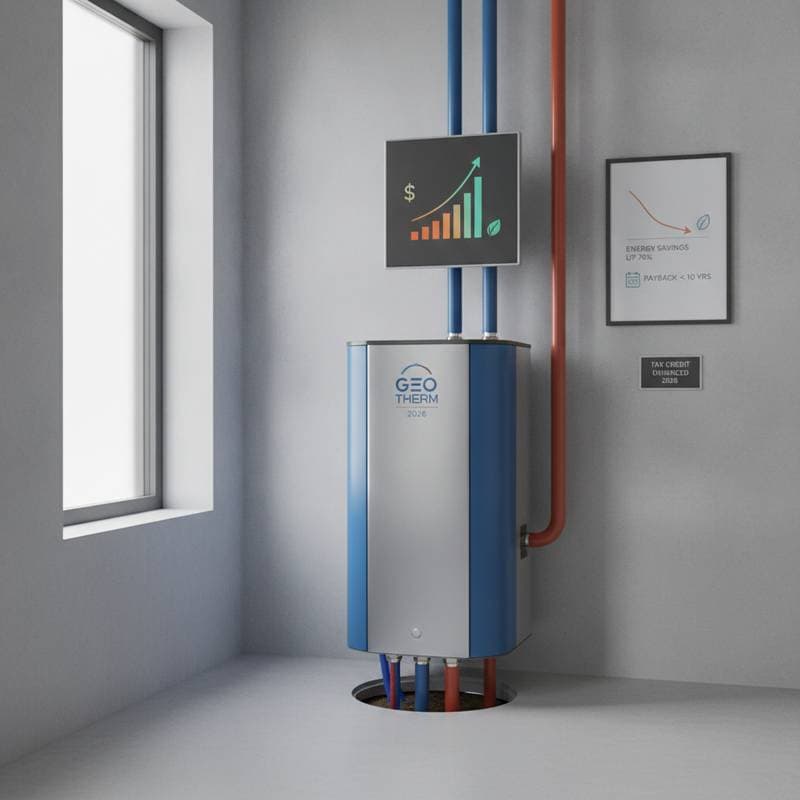
Financially, this translates to substantial reductions in utility costs, often 40 to 70 percent below conventional systems. Paired with federal incentives or rebates, initial investments recover within under ten years. Systems endure beyond twice the lifespan of standard equipment, amplifying overall value.
On the environmental front, geothermal avoids direct fuel burning and curbs emissions significantly. Quiet performance, no external components, and reduced servicing enhance daily living. For those prioritizing reliability and sustainability, results prove tangible and dependable.
Economics Driving Adoption
Upfront expenses once deterred widespread installation. Ground-source heat pumps demanded higher initial outlays than air-based alternatives. Innovations in drilling, modular loops, and efficient procedures now lower these barriers considerably.
Horizontal loops, vertical drilling, and coiled slinky patterns adapt to diverse sites and soils. Residential costs now align closely with premium conventional replacements. Accounting for bill savings, durability, and upkeep, net advantages emerge over 20 years, often surpassing 40 percent in total energy spending.
Financing options and energy mortgages further ease access, with monthly savings frequently covering payments. Key return phases include:
- Short-Term Gains: Immediate drops in energy use and enhanced thermal consistency.
- Intermediate Recovery: Full investment recoup via efficiency and rebates in 5 to 10 years.
- Extended Advantages: Persistent economies and elevated home equity across decades.
Experts view geothermal as a safeguard against price swings in energy markets. Independent of fossil fuel variations, it secures predictable budgeting. Long-term residents find this consistency as impactful as its green credentials.
Innovations Propelling Progress
Key developments elevate geothermal from specialized to standard. Enhanced compressors, superior heat exchangers, and intelligent controls lead the way. Variable-speed units modulate precisely to demand, eliminating waste and ensuring uniform climate control.
Loop piping employs durable high-density polyethylene, resisting degradation and leaks over extended periods. Optimized fluids and ground interfaces boost thermal conductivity. These refinements maximize output from minimal input.
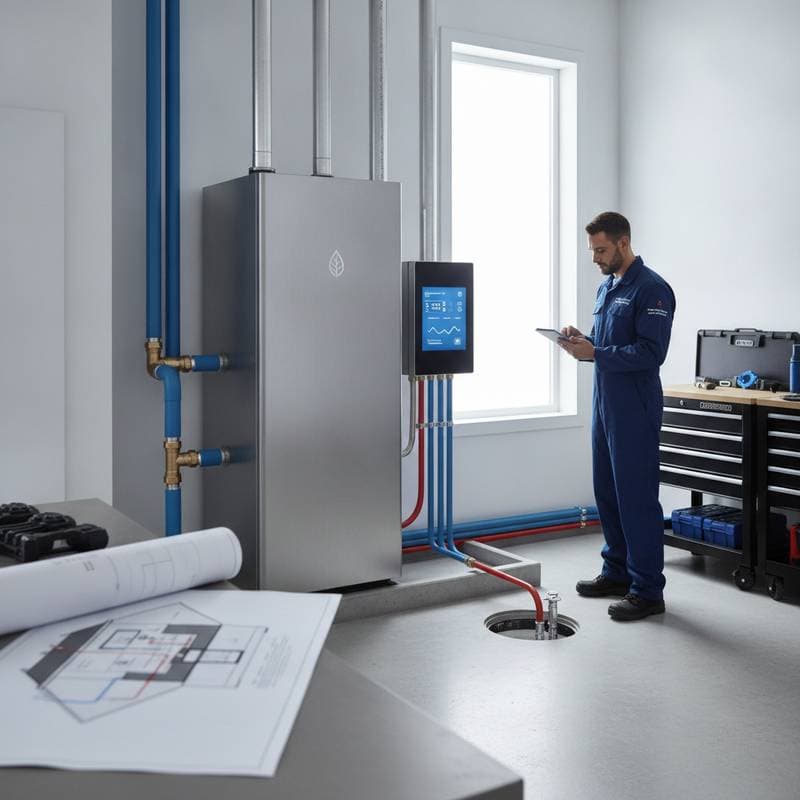
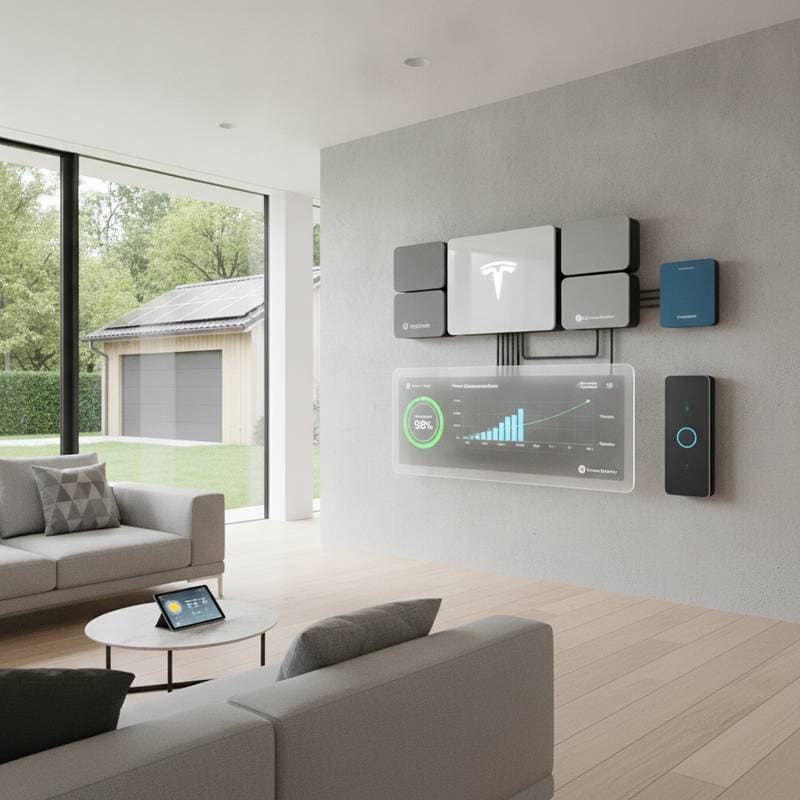
Digital integration simplifies management. App-based monitoring tracks usage, efficiency, and settings in real time. Such features aid in refining habits and forecasting needs. For construction professionals, compatibility with home automation streamlines whole-building designs.
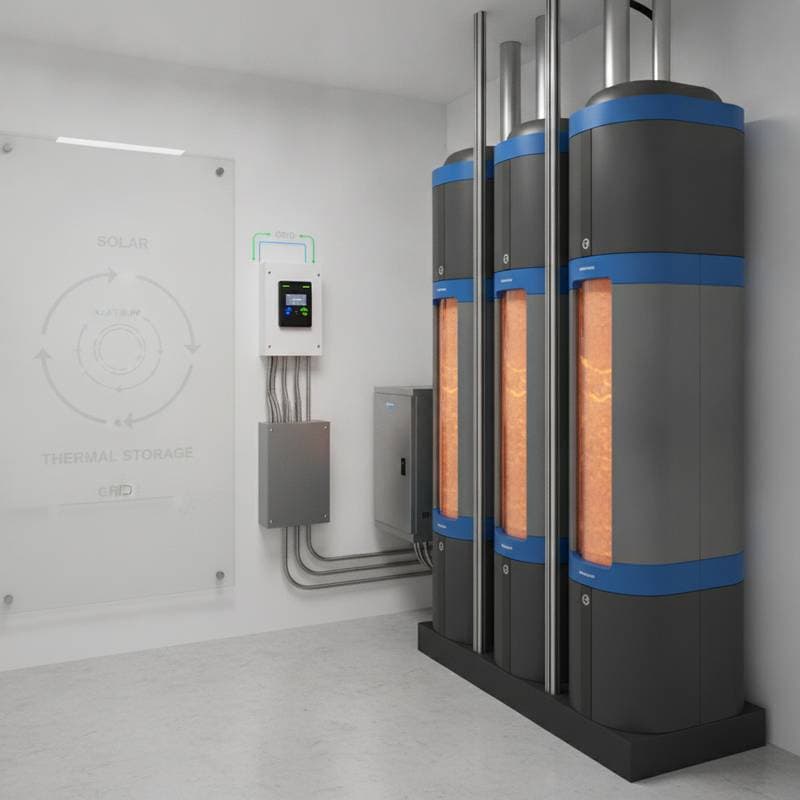
Hybrid setups pair geothermal with supplemental air or radiant elements, suiting harsh weather or incremental upgrades. This versatility accommodates new builds and renovations, regardless of terrain challenges.
Broader Environmental and Wellness Gains
Efficiency extends to health improvements by forgoing combustion processes. Absence of fuel lines and vents eliminates carbon monoxide hazards. Consistent operation preserves humidity and filtration, avoiding the aridity of conventional forced-air methods.
Globally, geothermal diminishes fossil fuel dependence and emission profiles. Individual systems foster sustained clean energy practices. At scale, they balance grid loads by mitigating peak seasonal draws.
Silent subsurface operations enhance community aesthetics over humming exteriors. Certifications for green building often credit geothermal for efficiency and impact metrics. In buyer-driven markets, such features boost marketability and resale premiums.
Tailoring Systems to Residences
Diverse configurations now match varied properties. Urban constraints favor vertical bores with minimal surface impact. Expansive rural lots suit horizontal arrays for broad coverage.
Water-based variants integrate with underfloor heating or existing ducts. Compact units streamline retrofits in modest spaces. Shared borefields in developments cut per-unit expenses and land demands.
Effective planning involves:
- Site Assessment: Evaluate soil composition, water tables, and spatial availability.
- Demand Calculation: Determine precise thermal requirements for accurate scaling.
- Configuration Choice: Select horizontal, vertical, or aquatic loops based on conditions.
- Professional Selection: Engage certified experts familiar with regional substrates.
- Upkeep Strategy: Arrange periodic inspections to sustain optimal function.
This process aligns systems with site specifics and user needs, optimizing performance and economics.
Forces Shaping Market Growth
Shifting priorities accelerate geothermal uptake. Emphasis on self-reliance and renewables, bolstered by policy aids, fosters expansion. Developers embed it in projects as a competitive edge and sales draw.
Agents note surging demand for documented energy-efficient properties. Utilities promote adoption through rebates and favorable loans, gaining from reduced infrastructure pressures. Partnerships among stakeholders democratize access across demographics.
Geothermal transitions to conventional status amid maturing tech and financing. This balance of expense, efficacy, and ecology promises steady sector advancement linked to emission goals.
Steps to Implementation
Prospective adopters can proceed methodically:
- Audit Existing Setup: Pinpoint inefficiencies and estimate prospective reductions.
- Engage Specialists: Secure expert review of feasibility and specifications.
- Examine Supports: Identify rebates, tax benefits, or loans to offset outlays.
- Integrate Synergies: Combine with photovoltaics or automation for amplified results.
- Select Proven Providers: Prioritize firms adhering to rigorous protocols.
Methodical preparation ensures seamless adoption, yielding reliable comfort and fiscal returns.
Embracing Enduring Efficiency
Geothermal HVAC redefines home climate management with precision and foresight. Its integration yields not only thermal balance but also fiscal prudence and planetary stewardship. As adoption grows, the benefits compound, securing comfortable, resilient living for generations.