Key Points
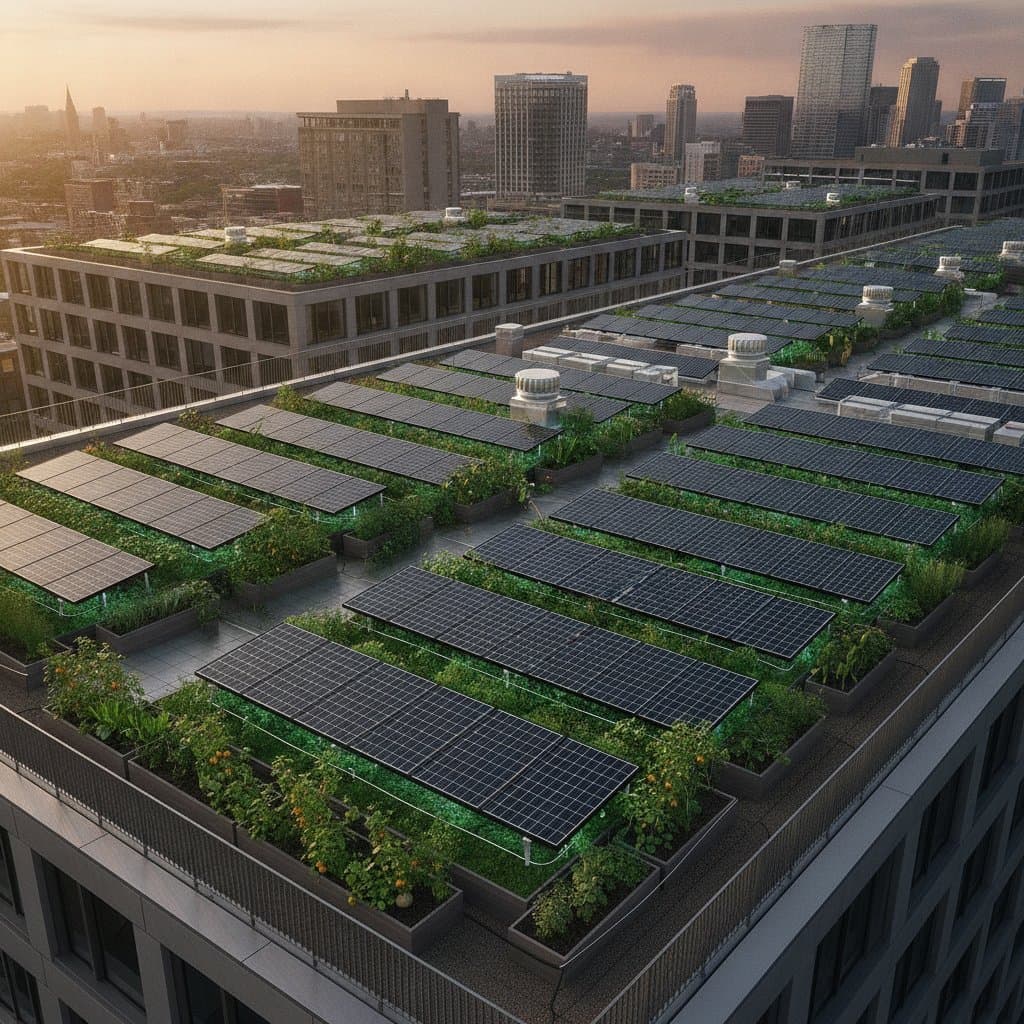
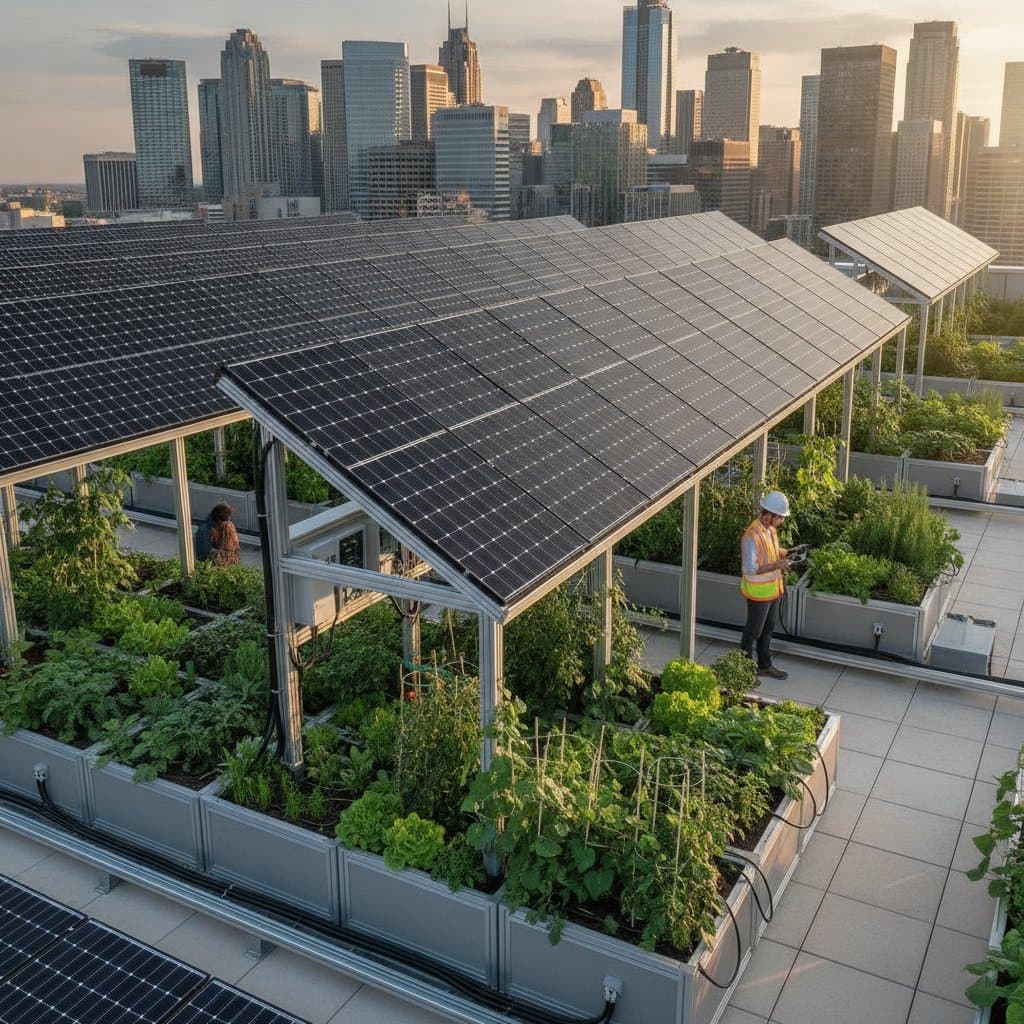
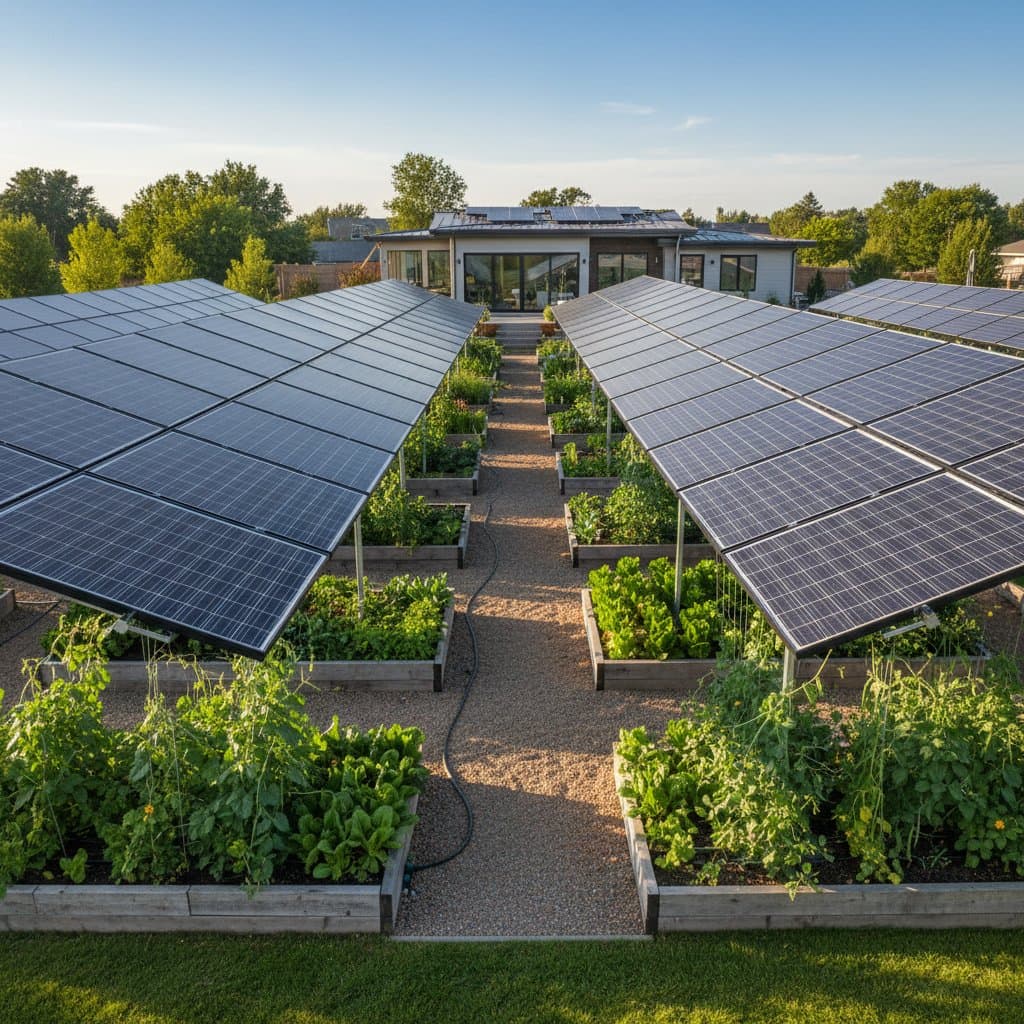
- Agrivoltaics integrates solar energy generation with crop cultivation to optimize land utilization.
- The partial shading provided by solar panels helps certain plants by mitigating heat stress and minimizing water evaporation.
- Systems designed for residential use reduce electricity expenses, supply fresh vegetables, and enhance property appeal.
- Careful site selection, structural design, and ongoing care ensure adequate light exposure for both photovoltaic panels and vegetation.
- Available rebates and eco-conscious materials contribute to superior financial outcomes over the system's lifespan.
Why Dual-Use Solar Matters
Integrating gardening with solar power generation yields advantages for households and the environment alike. Financially, this approach amplifies returns on solar investments and diminishes expenditures on purchased produce. Ecologically, it fosters habitat diversity and alleviates heat accumulation in developed areas. In practical terms, it maximizes constrained spaces, suitable for suburban residences or expansive rural holdings.
Several factors underscore the value of agrivoltaics:
- Efficient land use: A single plot fulfills dual purposes, enhancing output per unit area.
- Lower water demand: Panel-induced shade limits soil moisture loss through evaporation.
- Improved crop resilience: Species prone to scorching under direct sunlight flourish in diffused conditions.
- Energy savings: Photovoltaic arrays offset 50 to 100 percent of household electricity needs, based on capacity and regional rates.
- Health and lifestyle benefits: Cultivated foods deliver superior freshness, while the practice deepens engagement with the natural world.
To implement effectively, assess your site's sunlight patterns and soil conditions early. Select panel heights of at least seven feet to allow access for planting and harvesting. Consider modular frames that adjust angles seasonally, optimizing light distribution throughout the year.
Cost Breakdown and ROI Analysis
Establishing a solar array integrated with a garden involves significant initial outlay, yet the long-term gains frequently offset this expense.
- Initial installation: Residential photovoltaic systems range from 8,000 to 25,000 dollars, influenced by array scale and component durability. Elevated or tilting mounts add 10 to 20 percent to the total.
- Maintenance: Yearly tasks such as panel washing, structural checks, and plot tending total 200 to 500 dollars.
- Energy savings: System performance and utility tariffs enable annual reductions of 800 to 2,000 dollars in power costs.
- Food savings: Modest gardens yield 300 to 800 dollars in seasonal vegetable value.
- ROI: Owners typically recoup investments in 8 to 12 years, followed by sustained benefits.
Beyond direct savings, agrivoltaics bolsters energy security during grid disruptions and elevates home marketability. Explore federal tax credits, which can cover up to 30 percent of costs, and state-specific programs for additional rebates. Conduct a personalized audit to project precise returns based on your location and consumption patterns.
Sustainable Features and Efficiency Gains
A combined solar and garden system promotes sustainability by design, with strategic enhancements amplifying its efficacy.
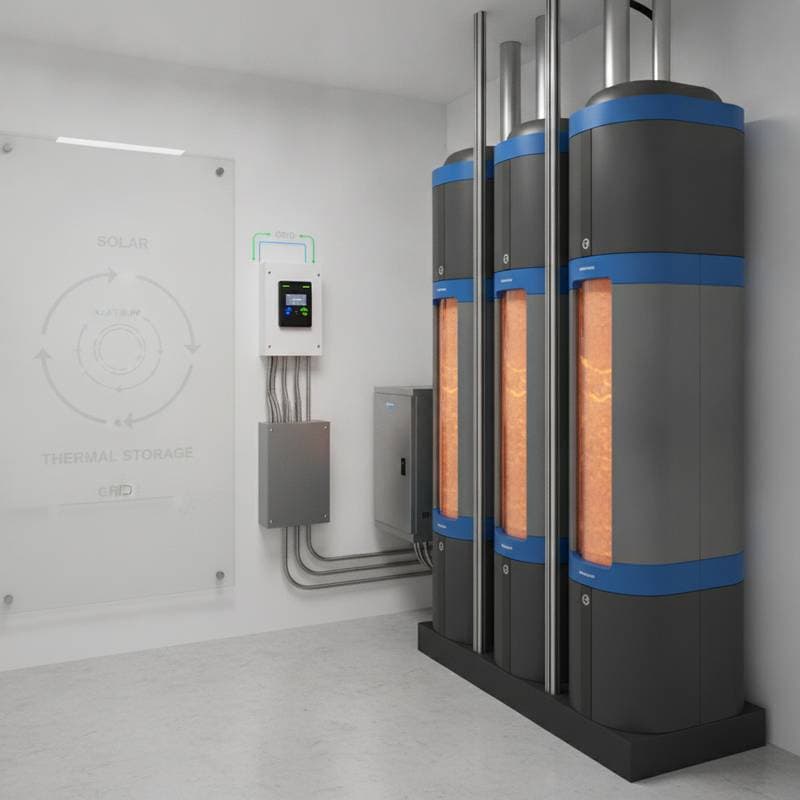
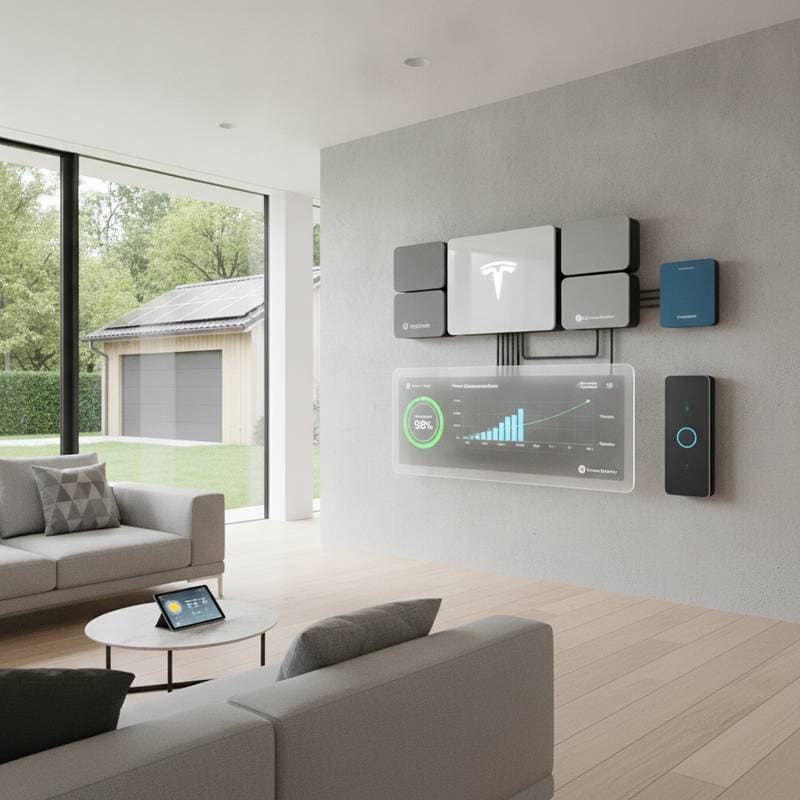
- Energy storage: Incorporate batteries to store excess daytime production for evening use or emergencies.
- Water conservation: Direct runoff from panel tops into collection barrels for targeted plant watering.
- Native plant integration: Incorporate region-specific flora that attract pollinators, bolstering biodiversity.
- Recycled materials: Employ salvaged timber or sustainable composites for garden frames and panel supports.
- Smart monitoring: Deploy sensors to measure photovoltaic yield and ground hydration, enabling data-driven adjustments.
These additions might raise startup expenses modestly, but they curtail ongoing costs and ecological footprints. For instance, automated irrigation tied to moisture readings can halve water usage. Prioritize durable, low-impact components to extend system longevity beyond 25 years.
Frequently Asked Questions
Can solar panels install directly over any garden?
Not in every case. High-growing varieties such as corn or orchards obstruct panel illumination, whereas shade-intolerant species like tomatoes suffer under excessive cover. Engage a specialist for layout planning that harmonizes power generation with cultivation demands.
Do solar panels affect soil quality?
The panels exert no direct influence on soil composition, though construction activities may densify the ground. Opt for elevated beds or aerate and amend the earth post-installation to preserve fertility and permeability.
Will plants receive sufficient rain under the panels?
A portion of precipitation filters through, but deflection occurs. Implement efficient drip irrigation to supplement as required, ensuring consistent hydration.
How often do panels require cleaning?
Schedule cleanings every two to four months, contingent on local debris accumulation. Gentle brushing or moderate water pressure suffices to restore efficiency without damage.
Is agrivoltaics feasible for small urban plots?
Absolutely. Compact configurations accommodate leafy greens, herbs, or compact root crops, while contributing meaningfully to bill reductions.
Implementing Your Dual-Use System
Start by mapping your yard's solar exposure using free online tools or a sunlight meter. Choose crops suited to partial shade, such as lettuce, kale, or berries, which tolerate 30 to 50 percent coverage. Secure permits and consult installers experienced in agrivoltaic designs to avoid common pitfalls like uneven shading.
Regular monitoring ensures peak performance: track panel output via apps and rotate plantings to prevent nutrient depletion. Over years, this setup not only cuts costs but also builds a self-reliant homestead, where energy and edibles emerge from the same sunlit space.